









What ranking pages cover, and what they miss
A quick review of the top-ranking bedroom furniture pages usually shows the same pattern: product categories, style inspiration, size guides, and a few buying tips. That is useful, but it often stops short of the real decision points homeowners face, such as awkward layouts, sloped ceilings, storage trade-offs, and fitting timelines. The strongest opportunity in bedroom furniture content is to move from inspiration into planning.
Why bedroom furniture planning beats impulse buying
Bedroom furniture is one of the easiest places to overspend on the wrong thing. A wardrobe can look right online and still fail on clearance, door swing, or internal capacity once it reaches the room. The smarter approach is to treat bedroom furniture as a spatial problem first and a style decision second. A good rule is to start with use case, then room constraints, then finish.

Start with the room, not the catalogue
Before comparing bedroom furniture styles, measure the room in a way that reflects how you will actually live in it. Record wall-to-wall dimensions, ceiling height, skirting depth, radiator positions, socket locations, and door swing. If the room has a window wall, note the sill height and any restriction on head clearance. This measurement step prevents the most common mistake, choosing furniture by external dimensions only. For fitted bedroom furniture, the useful number is not just width, but usable internal storage volume after allowances for carcass depth, doors, and awkward corners.
Measure the obstacles that change the fit
A tape measure alone is not enough if the room has architectural quirks. Sloped ceilings, uneven floors, boxed-in pipework, and chimney breast recesses all affect how wardrobes, drawers, and bedside units can be placed. The practical fix is to sketch the room and mark anything that reduces depth or movement space.
Decide what the room must store
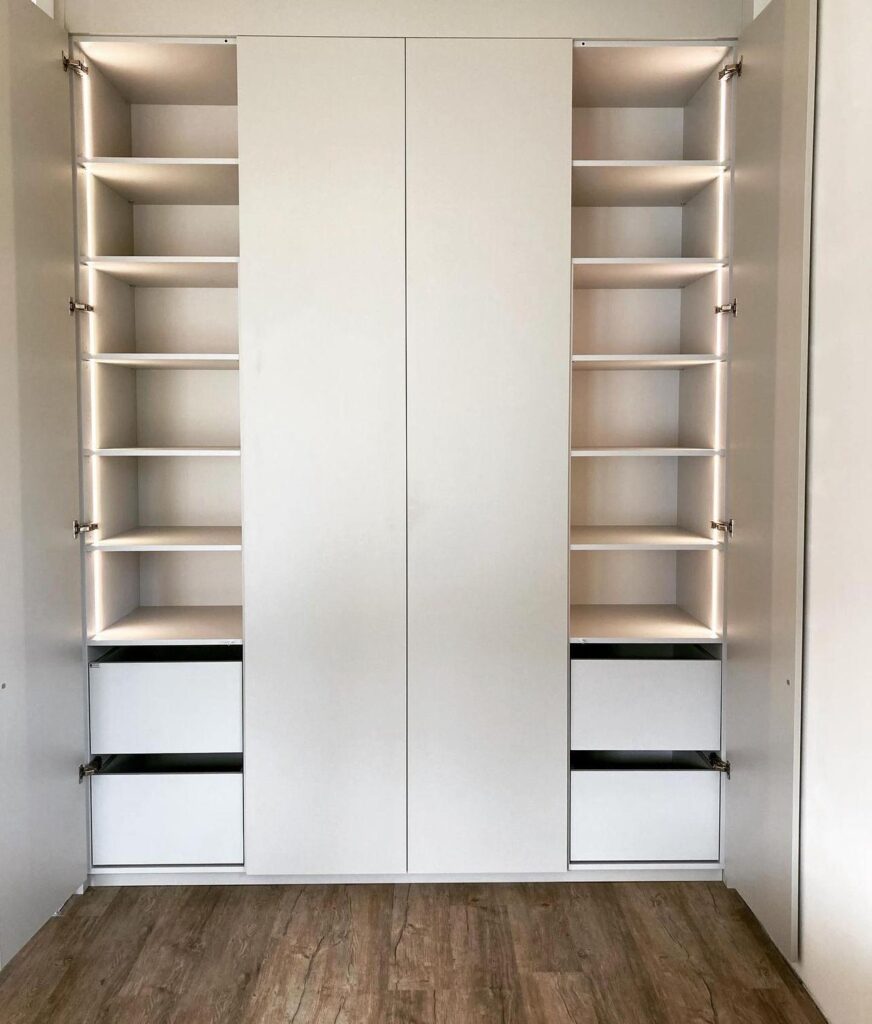
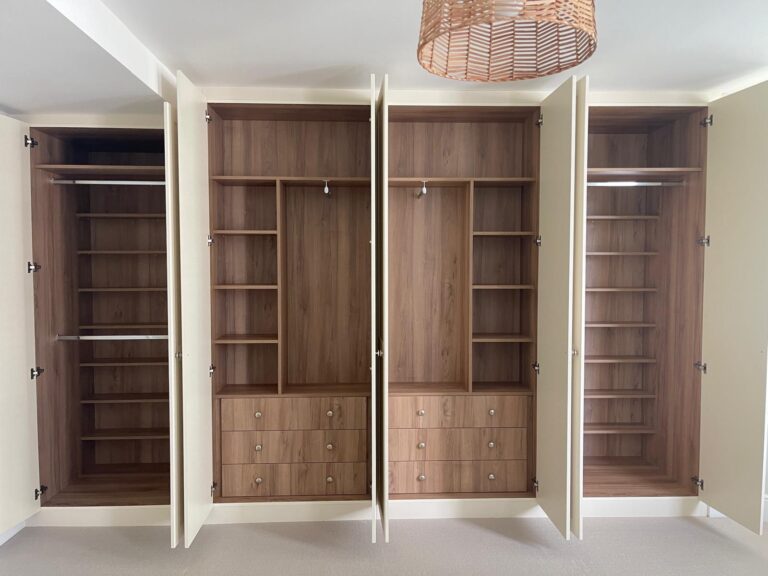
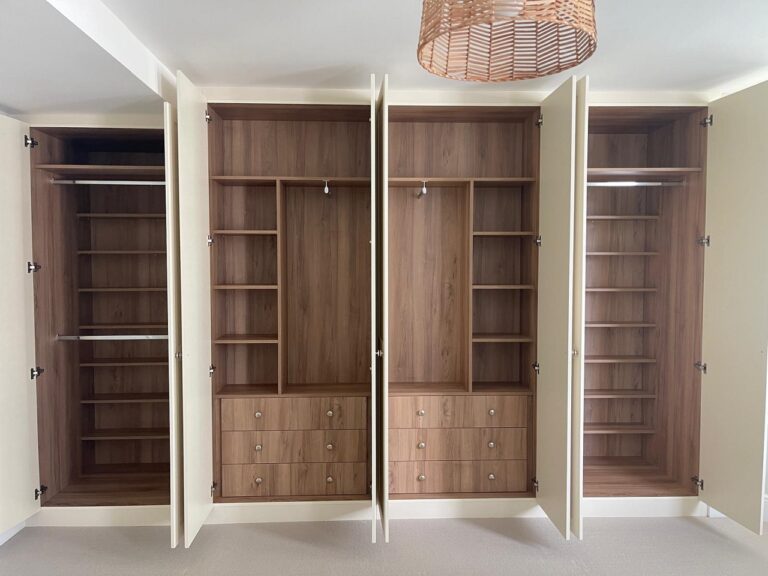
The right bedroom furniture depends on what needs to disappear into it. Hanging space, folded clothing, shoes, accessories, bedding, and seasonal items all compete for volume. A simple rule works well: list the storage categories first, then assign each one a zone. For example, if one user needs long-hang items and another needs drawers, the internal layout should reflect that split before any discussion of door style. This prevents the common issue where a wardrobe is visually attractive but internally inefficient, forcing extra storage boxes or standalone chests into the room.
Choose between fitted and freestanding with a decision rule
Freestanding bedroom furniture works best when the room is regular, the budget is tighter, and flexibility matters. Fitted bedroom furniture makes more sense when the room has hard-to-use corners, the owner wants cleaner visual lines, or storage needs are high. The decision rule is simple. If the room is straightforward and the user may move in the next few years, freestanding is practical.
The hidden cost of cheap flexibility
Freestanding pieces feel safer because they can move with you, but they often waste space around the edges, especially in UK bedrooms with imperfect proportions. The hidden cost is not just floor area, it is visual clutter and reduced access. On the other hand, fitted solutions are harder to relocate, so they should be chosen when the room is a stable long-term asset.
Design storage around daily habits
Good bedroom furniture does not just hold things, it supports routines. If morning dressing is rushed, hanging space and shallow drawers should be placed at easy reach. If the room doubles as a calm retreat, visual simplicity matters more than maximum capacity. A useful workflow is to map the last five minutes before leaving the room and the first five minutes after returning.
Internal layout matters more than door style
Many people start with sliding versus hinged doors, but the internal layout usually has a bigger effect on daily satisfaction. Sliding doors save swing space, which helps in tighter rooms, but they reduce full access to the wardrobe at one time. Hinged doors offer better visibility and simpler installation, but they need clearance. The practical trade-off is access versus footprint. If the room is compact, sliding doors can be the better bedroom furniture choice. If usability and full-open access matter more, hinged doors are often worth the extra clearance.
Mini-case, a compact master bedroom
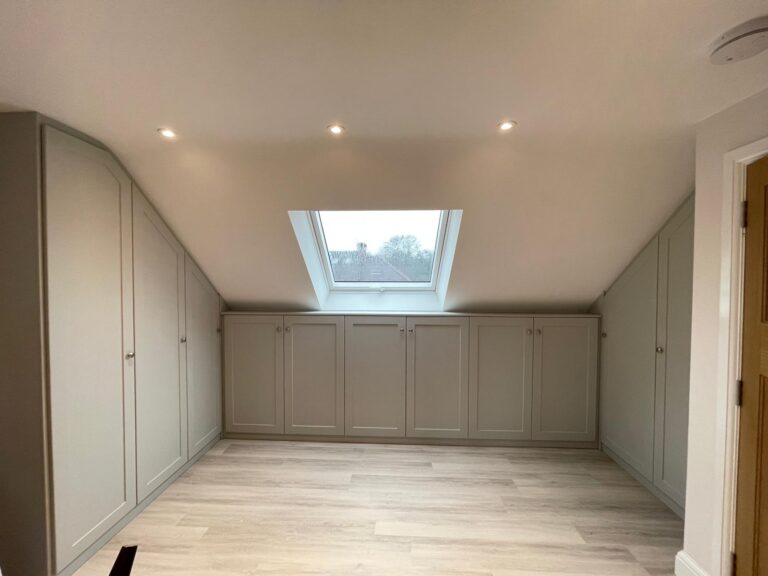
One homeowner-style scenario is a compact master bedroom with limited wall space and a sloped ceiling. The original plan was to add two freestanding wardrobes and a chest of drawers, but that left dead space at the ceiling line and a narrow walkway. A fitted layout using a mix of hanging rails, drawers, and high-level storage reclaimed the unused height.
Materials and finishes should be chosen for use, not just taste
The finish on bedroom furniture affects more than appearance. It changes how well the surface handles fingerprints, scratches, and cleaning. Matte finishes often hide marks better, while high-gloss surfaces create a sharper, more reflective look but show smudges faster. For a family bedroom, durability usually matters more than showroom shine. For a primary suite, the balance may tilt toward more refined detailing. A practical selection process is to compare finish samples in daylight and artificial light, because the same colour can look warmer or cooler depending on the room orientation.
When painted, woodgrain, or mirror fronts make sense
Painted fronts work well when you want a calm, tailored look and easy coordination with wall colour. Woodgrain finishes add warmth and can help a large wardrobe feel less boxy. Mirror doors are useful in smaller rooms because they bounce light and reduce the visual weight of the furniture. The pitfall is overusing reflective surfaces in a room that already gets strong light, where glare can become tiring. A balanced bedroom furniture scheme often combines one dominant finish with a secondary accent instead of mixing too many materials.
Mini-case, a family bedroom with storage pressure
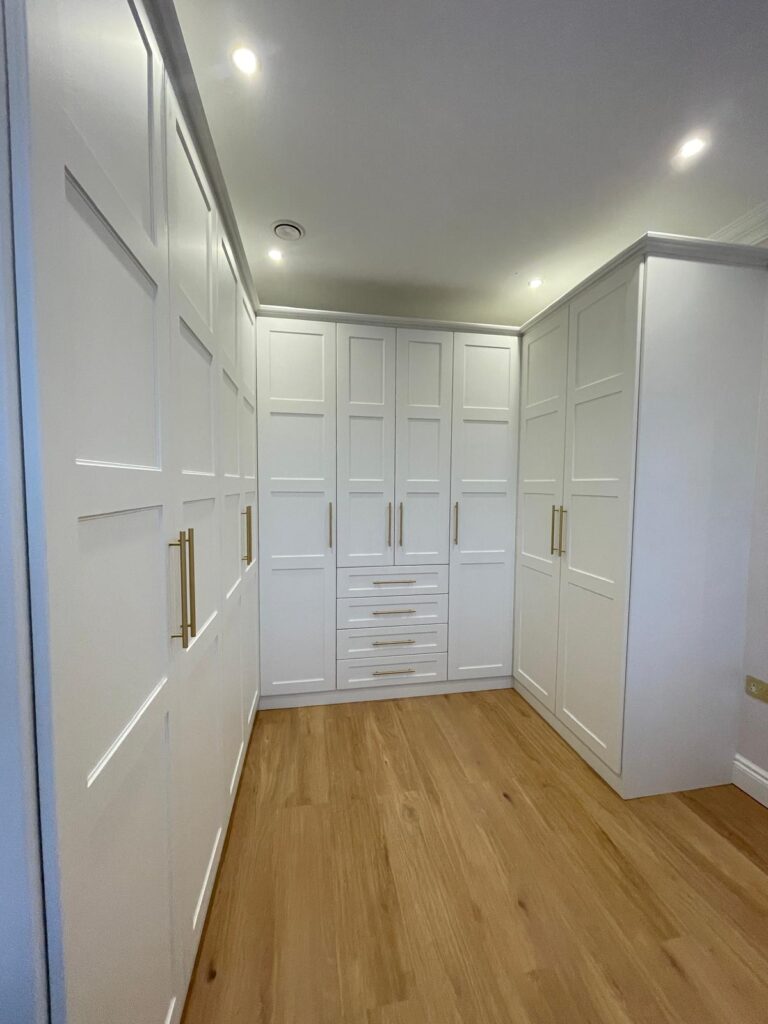
A family bedroom often has a different challenge, namely volume, not style. In one common scenario, a room was storing clothing, linens, and children’s overflow items in separate pieces that never quite matched. Replacing that with one wall-to-wall fitted run created a single storage system with clear zones for hanging, shelves, and drawers. The practical win was fewer loose items on display and less time spent reorganizing. The lesson is that bedroom furniture performs best when it consolidates multiple storage tasks instead of multiplying furniture pieces.
Built-in wardrobes, alcoves, and awkward spaces
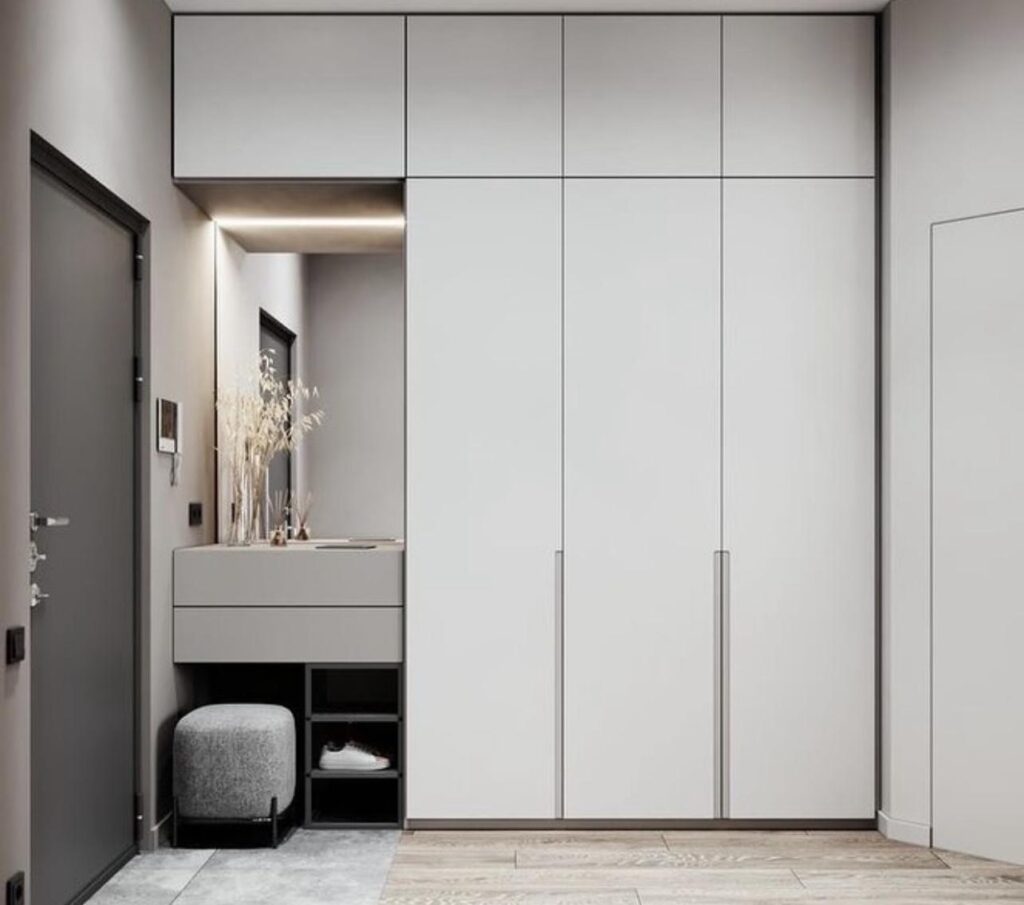
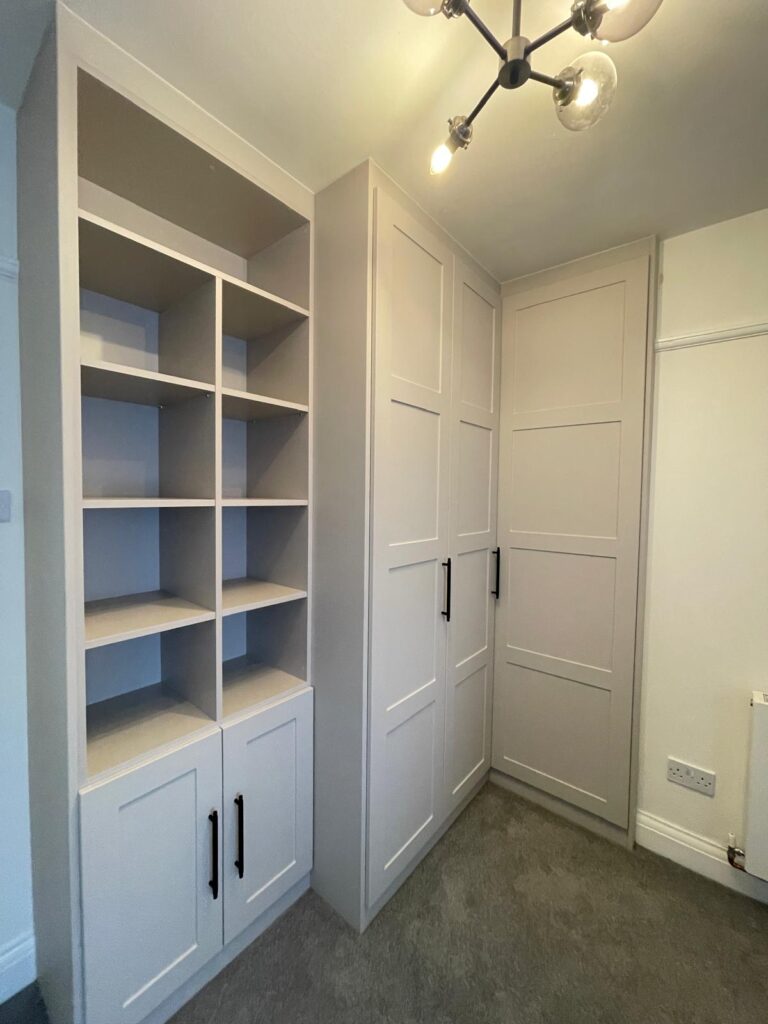
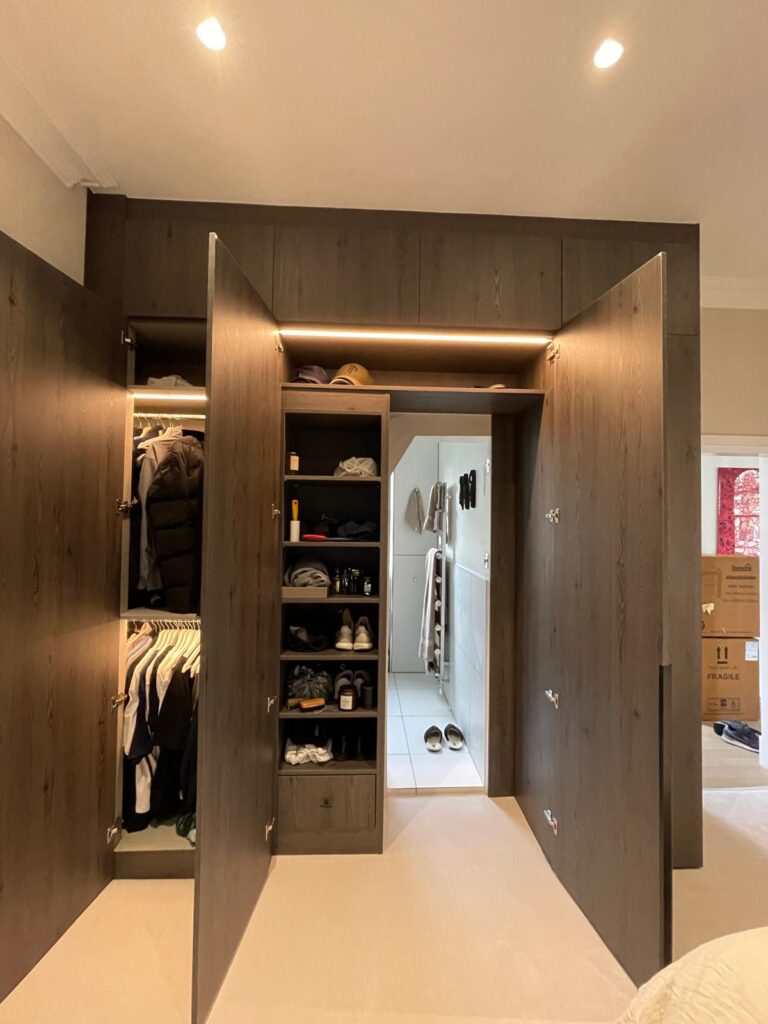
Awkward rooms are where bespoke bedroom furniture earns its keep. Alcoves, chimney breasts, loft conversions, and sloped ceilings all create spaces that standard cabinets cannot use cleanly. A built-in wardrobe can turn those problem areas into storage without adding visual clutter. The key metric here is fit efficiency, which is the share of room width and height actually put to use.
Bedroom furniture for loft rooms and sloped ceilings
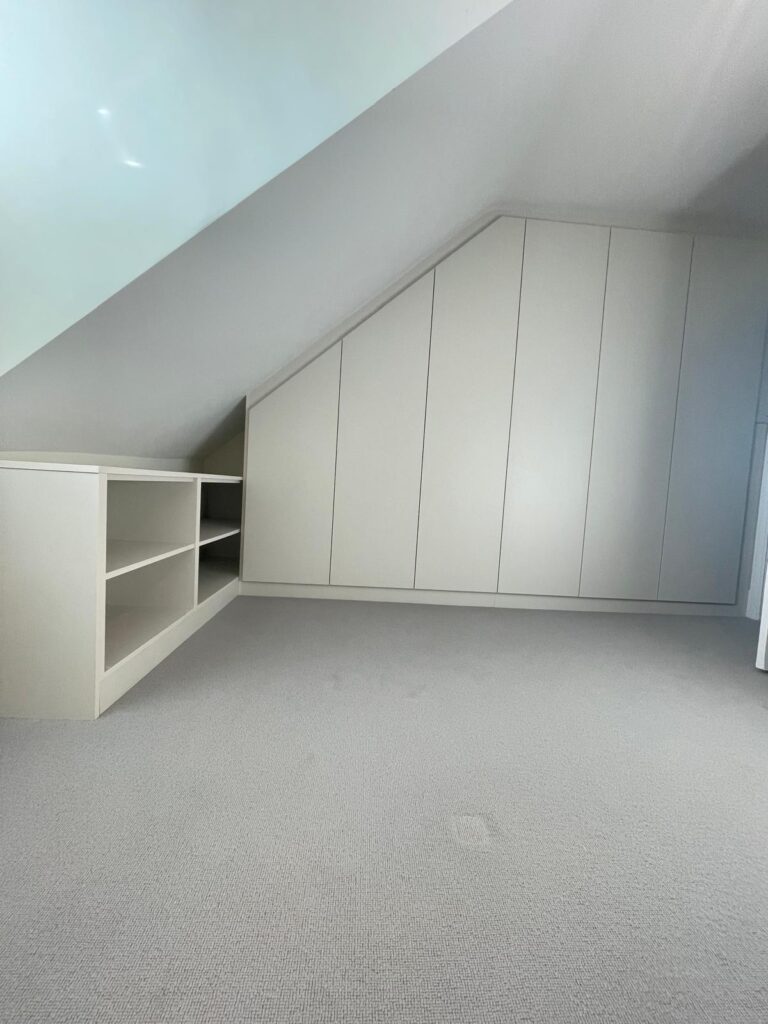
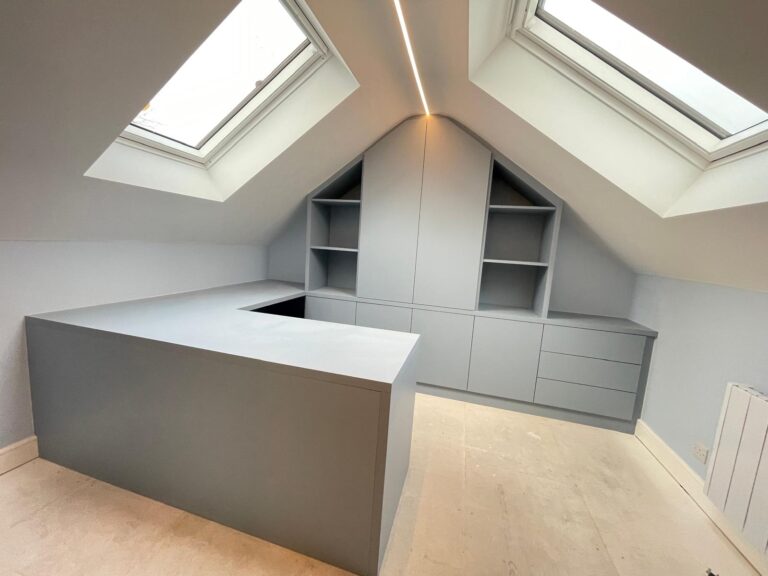
Loft bedrooms need special attention because ceiling height changes across the room. Low sections are often wasted if the furniture is not made to suit them. The better approach is to place lower storage where standing height is limited and reserve full-height sections for the tallest wall. If you are designing bespoke wardrobe solutions, the right fix is often a stepped or angled run that follows the ceiling line. This is one of the clearest examples of how fitted bedroom furniture can outperform standard units on both space use and visual order.
Think beyond wardrobes: the full bedroom set
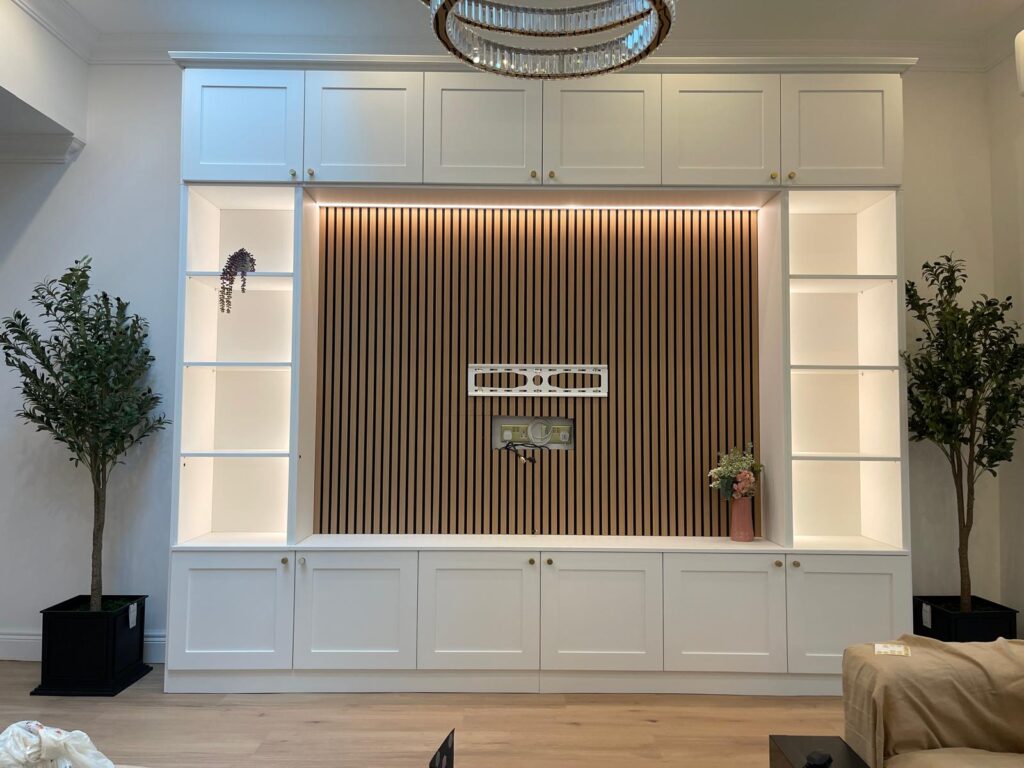
Bedroom furniture is not only wardrobes. Bedside tables, dressing areas, media storage, alcove cupboards, and integrated drawer units all affect how the room works. The mistake many buyers make is solving one storage issue while ignoring the rest of the room. If a wardrobe is oversized but the bedside pieces are too small, the room still feels incomplete. A better method is to assign a purpose to each wall, then check whether the bed, storage, and circulation all work together. That is how a bedroom feels finished rather than assembled.
Keep circulation and opening space in balance
A bedroom can hold a lot of furniture and still feel calm if the movement paths are preserved. The most useful spacing benchmark is whether the user can open doors, reach drawers, and walk past the bed without turning sideways. If the room is tight, slimline bedside units and wall-mounted storage can free valuable floor area. The trade-off is between capacity and ease of movement. In smaller rooms, reducing furniture depth by just a few centimetres can make the difference between a practical layout and one that constantly feels cramped.
What to ask before you order
Before ordering bedroom furniture, ask three questions. First, does the design meet the actual storage list, not just the room dimensions? Second, will fitting require any changes to skirting, electrics, or flooring levels? Third, what is the expected lead time and installation window? These questions reduce surprises and help you compare suppliers fairly. For homeowners looking for bespoke wardrobes in London, it is worth confirming whether the supplier handles both design and fitting, because that usually shortens coordination time and makes the project easier to manage.
How to judge quality without overcomplicating the process
You do not need to become a furniture technician to assess quality. Check the consistency of door gaps, the solidity of drawer movement, the strength of fixings, and whether the design feels stable when opened repeatedly. A useful quality test is to ask how the piece handles daily wear, not just how it looks on delivery day. For bedroom furniture, a better warranty is valuable only if the build is sound enough to support it. A 10-year warranty is meaningful when paired with good materials, accurate installation, and realistic care requirements.
Installation speed versus customization depth
Speed matters, but not at the expense of fit. If a supplier can fit bedroom furniture in 7 to 10 days, that is attractive for homeowners who want minimal disruption. Still, fast fitting only works well when the design is finalised properly before installation begins. The hidden risk is rushing the survey stage and discovering a mismatch on site. The best balance is a clear specification, measured survey, and a fitting team that understands the room before the build starts. That is the difference between quick delivery and rushed delivery.
The value of a simple spec sheet
A good spec sheet for bedroom furniture should include dimensions, finish, door type, internal configuration, and installation notes. This document reduces ambiguity and makes it easier to compare options from different suppliers. It also helps catch issues early, such as a wardrobe depth that interferes with a radiator or a drawer unit that blocks a socket. The practical benefit is fewer revisions and better communication. If a design cannot be explained clearly on one page, it usually means the room plan still needs work.
Why bespoke bedroom furniture supports stronger search intent
From a buyer’s perspective, searches for bedroom furniture often split into two intents. Some people want inspiration, while others are close to purchase and need a concrete plan. Content that addresses both tends to perform better because it answers real commercial questions, not just style questions. Terms like fitted bedroom furniture, bespoke wardrobes, built-in cupboards, and sliding door wardrobes reflect that intent. The best pages use those terms naturally while also showing how to choose, measure, and compare. That combination attracts traffic and improves the odds that visitors stay long enough to enquire.
Where Finest Furniture Studio fits in the process
If your room needs tailored storage rather than a one-size-fits-all solution, visit Finest Furniture Studio to explore bespoke wardrobes in London and fitted furniture options that are designed around real rooms. The brand’s positioning makes sense for homeowners who want made-to-measure bedroom furniture, a clear fitting timeline, and a long warranty period. That combination is especially relevant when the room is awkward, the storage requirement is high, or the buyer wants a cleaner, built-in look without managing multiple suppliers.
Quick Takeaways
The most useful bedroom furniture is planned around the room, not chosen from a catalogue. Fitted furniture usually wins when storage needs are high or the room has awkward dimensions. Freestanding pieces still make sense in simpler rooms or where flexibility matters more than maximum fit. Internal layout, door style, and finish quality affect daily use more than most buyers expect.
Conclusion
Bedroom furniture works best when it solves the room, not just fills it. If you measure carefully, separate storage needs from style preferences, and choose between fitted and freestanding furniture with a clear decision rule, the result is easier to live with and easier to keep tidy. That is especially true in UK homes where alcoves, sloping ceilings, and compact bedrooms make standard furniture feel like a compromise.
Frequently Asked Questions
What is the best type of bedroom furniture for small rooms?
For a small room, fitted bedroom furniture or slimline modular pieces usually work best because they reduce wasted space. Sliding door wardrobes and built-in cupboards are especially useful when you need storage without blocking circulation.
How do I choose bedroom furniture that fits my room?
Start by measuring wall width, ceiling height, skirting depth, and door swing, then map out any obstacles such as radiators or sloped ceilings. A measured layout is the best way to avoid buying bedroom furniture that looks right but does not function well.
Is bespoke bedroom furniture worth it?
Bespoke bedroom furniture is usually worth it when the room has awkward dimensions or you need more usable storage than standard pieces can provide. It is also a strong choice if you want a built-in finish and a layout designed around your daily routine.
What is the difference between fitted and freestanding bedroom furniture?
Fitted bedroom furniture is made to match the room and can use more of the available space, while freestanding pieces are easier to move and replace. If you want maximum fit efficiency, fitted options usually win, but freestanding furniture is often better for flexibility.
How quickly can bedroom furniture be fitted?
Lead times vary by supplier, but some fitted bedroom furniture projects can be installed in 7 to 10 days once the design is finalised. The key is to complete accurate measurements and approve the specification early so the fitting stage runs smoothly.
What finish is best for bedroom furniture?
The best finish depends on use. Matte finishes hide fingerprints and everyday marks better, while gloss or mirrored surfaces can help a room feel brighter. For long-term practicality, choose a finish that suits how often the furniture will be handled and cleaned.
Does bedroom furniture need a warranty?
Yes, a warranty is useful because bedroom furniture is used daily and should be built to last. A 10-year warranty is a strong signal when it is backed by good materials, solid installation, and a clear specification for bespoke wardrobe solutions.