








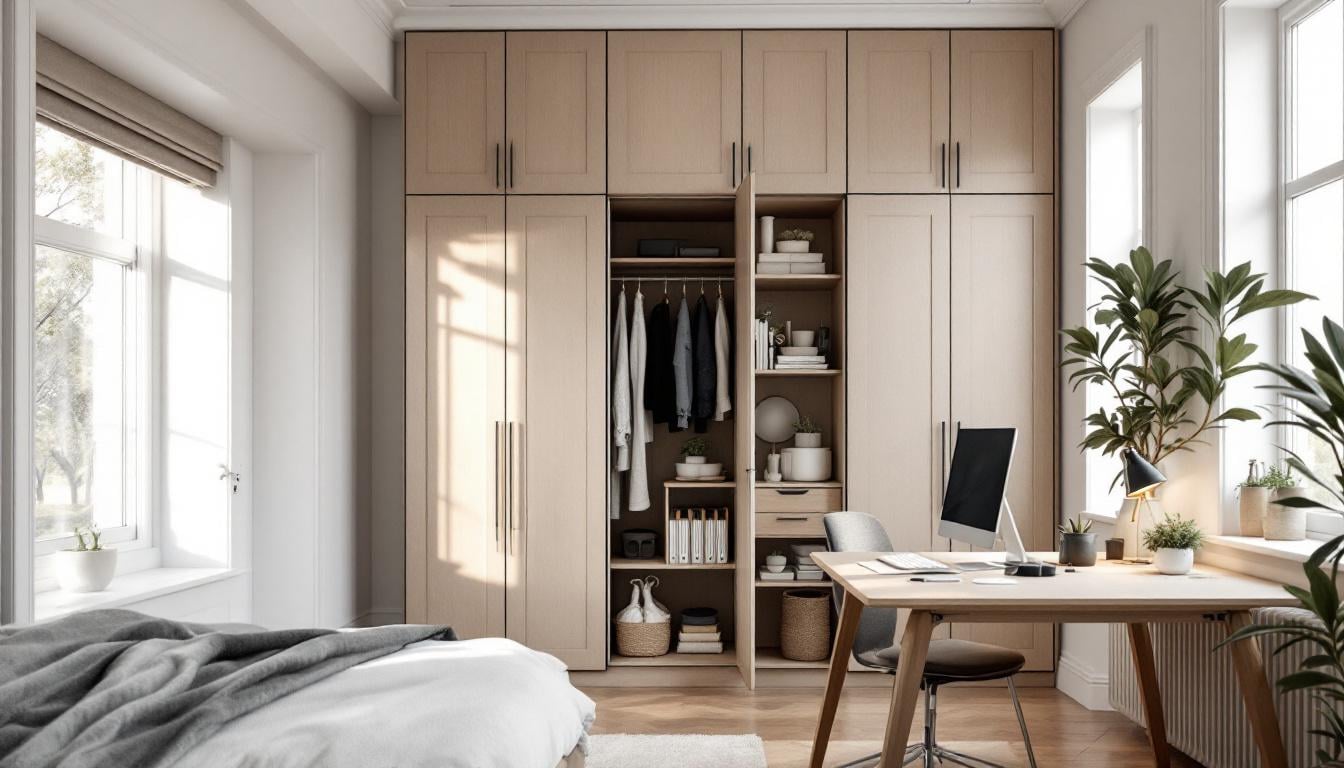
Why corner wardrobes solve awkward room space
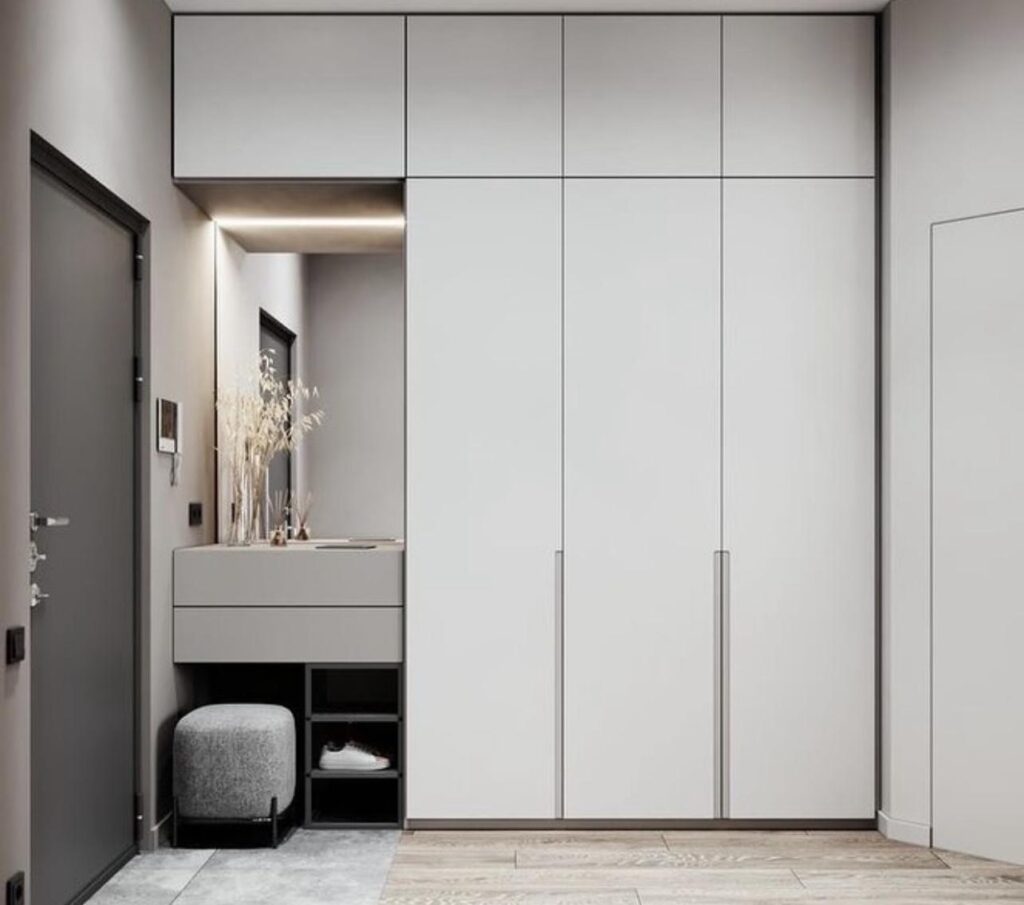
Corner wardrobes are one of the simplest ways to turn wasted room geometry into usable storage. In UK homes, where bedrooms often have chimneys, radiators, alcoves, or sloped ceilings, the corner is usually the least efficient place in the room. A well-planned corner wardrobe can recover that lost floor area, improve circulation, and make a small room feel calmer. For homeowners comparing built wardrobes, the key advantage is not just capacity, but how much cleaner the layout becomes once furniture follows the room shape instead of fighting it.
What top-ranking pages cover, and what they miss
The strongest pages on corner wardrobes usually focus on design ideas, saving space, and different door styles. They often show visual inspiration, note made-to-measure benefits, and mention fitting awkward rooms. What many of them underplay is the decision process behind the design. A useful article needs more than inspiration, it should help a buyer choose between a wraparound layout, an L-shaped run, or a full-height fitted system based on room dimensions, access, and storage mix. That is where most ranking pages leave traffic and intent on the table.
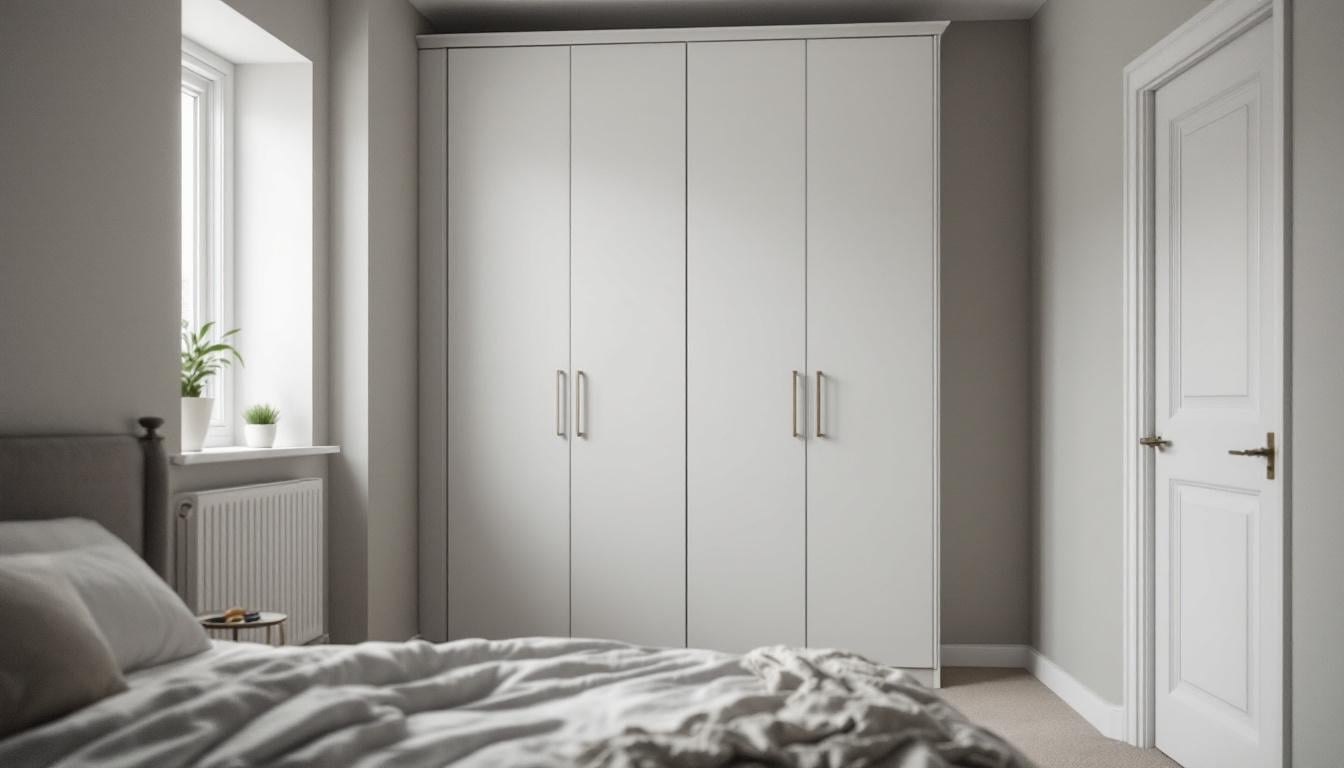
How to assess a corner before you design it
The first step is to measure the usable corner, not just the wall lengths. Record wall-to-wall dimensions, ceiling height, skirting depth, socket positions, and any obstacles within 300 to 500 mm of the corner. If the room has uneven walls, note the widest and narrowest points so the wardrobe can be scribed correctly. A practical rule is to check for a minimum clear opening of 600 mm for everyday access and 800 mm if the design needs to accommodate drawers or hanging rails near the corner.
Layout options that work in real homes
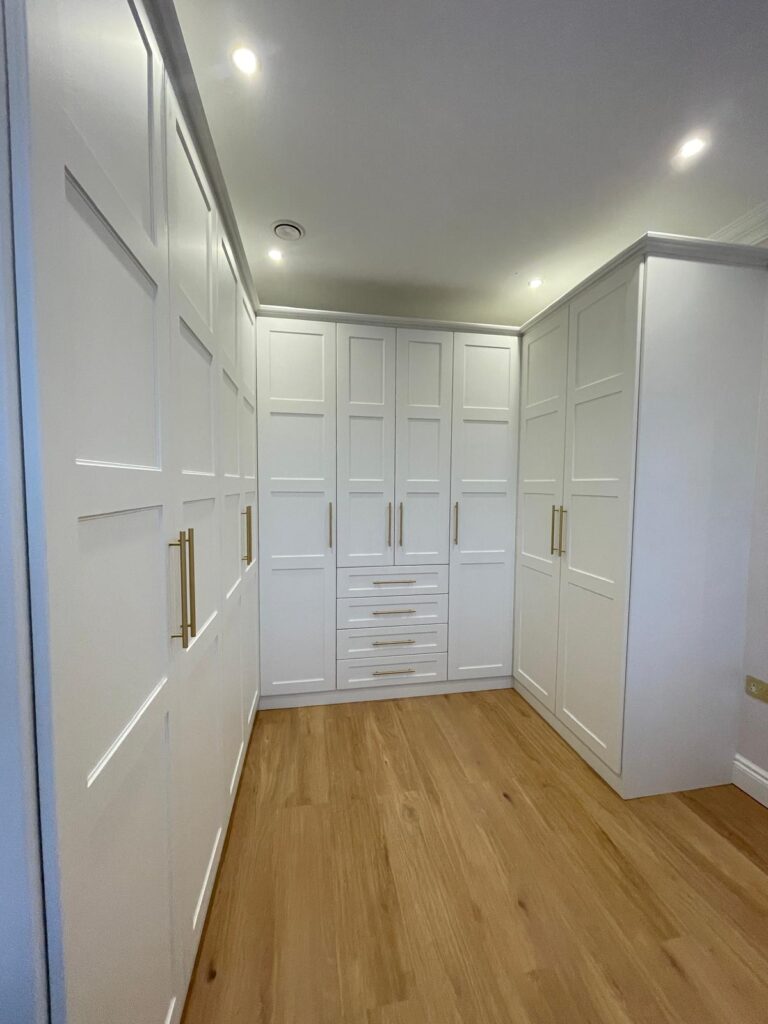
There are three common ways to build corner wardrobes. The first is a true wraparound design, which uses both walls and creates a continuous storage run. The second is an L-shaped fitted wardrobe, which is easier to access and often better for smaller bedrooms. The third is a corner connector between two straight wardrobe banks, which works well when a room needs symmetry or when one wall must stay lighter visually. Each option has a trade-off between storage depth, access, and visual weight.
Wraparound design
A wraparound corner wardrobe is the best choice when the room can absorb a larger footprint and the owner wants maximum storage. It works especially well for shared bedrooms or master bedrooms that need full hanging space, shelving, and drawers. The downside is access to the deepest part of the corner, which can become awkward if the internal layout is not planned properly. The fix is simple: reserve the corner for less-frequent items, then place daily-use storage on the outer returns.
L-shaped fitted wardrobes
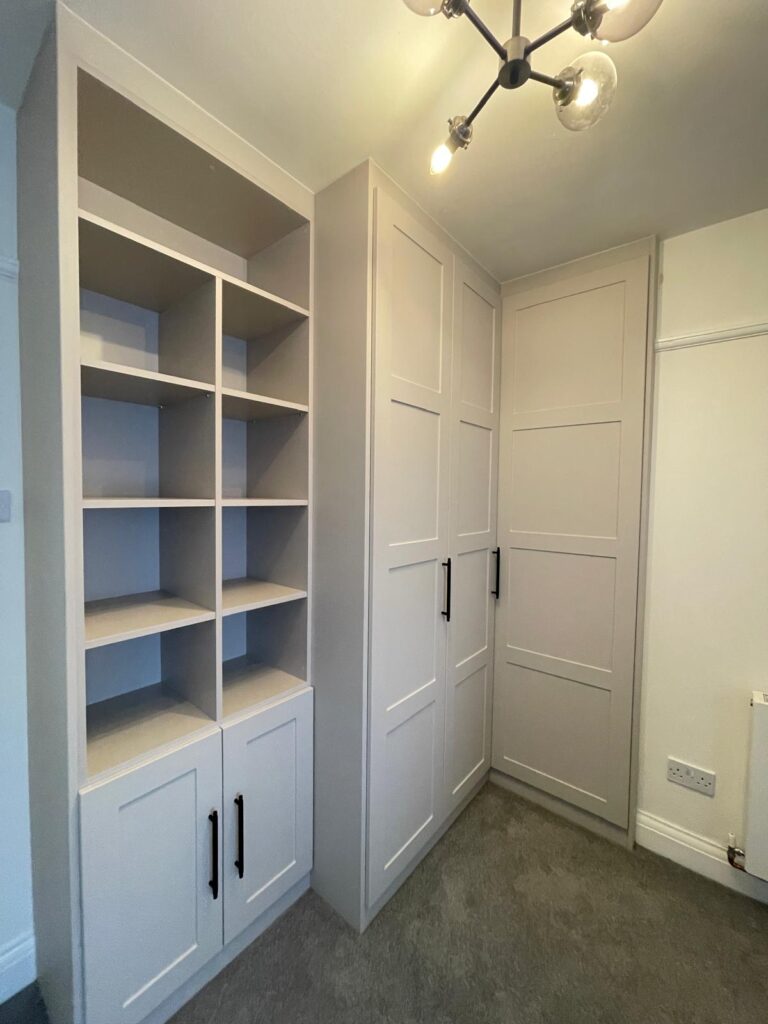
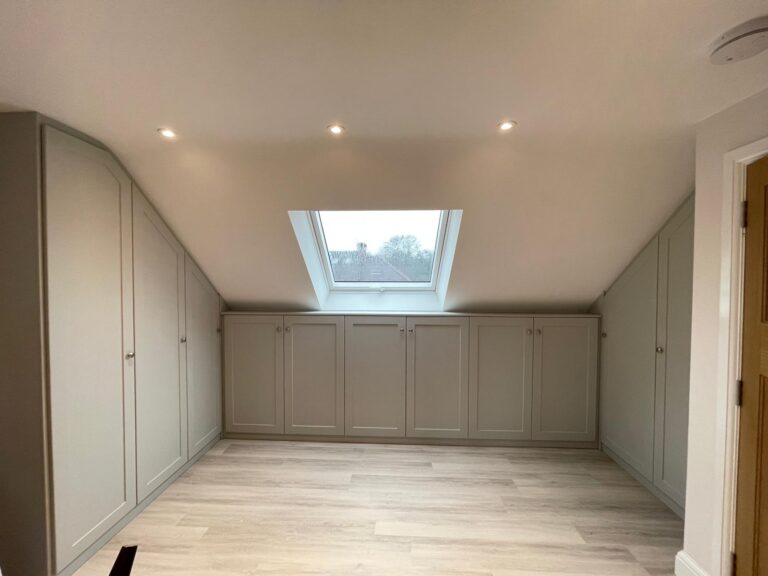
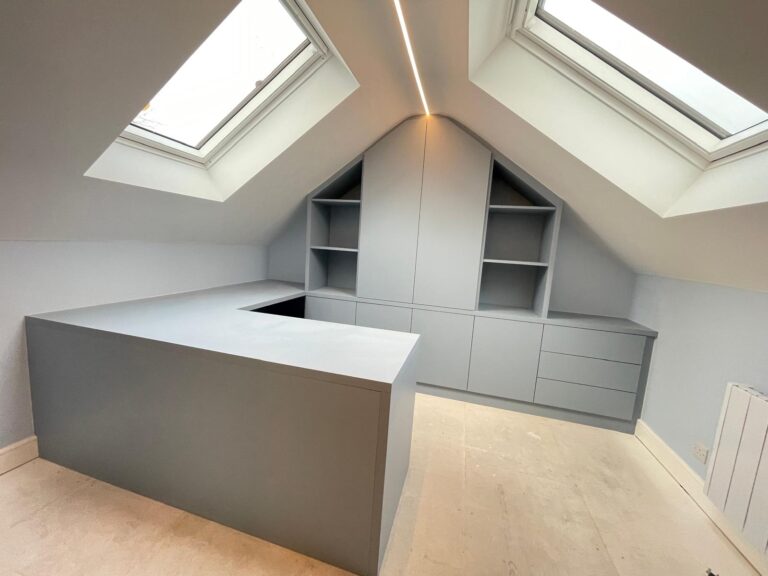
An L-shaped layout is usually the most practical option for small bedrooms and loft rooms. It gives the feel of a fitted system without overpowering the room, and it makes the corner easier to use because each side can be accessed directly. In many fitted wardrobes projects, this is the best compromise between storage volume and usability. It is also easier to pair with sliding doors if swing clearance is limited. If the room feels tight, this is often the safest design starting point.
Corner connectors and symmetry
A corner connector is useful when the bedroom already has two separate storage runs and the design needs to tie them together. This approach suits rooms with long walls, chimney breasts, or a preference for a lighter visual finish. The connector reduces the awkward dead zone while keeping the room balanced. It is not the highest-capacity solution, but it can be the best one when appearance and movement matter more than sheer storage. For many homeowners, that balance is the real design win.
Door style decisions that change day-to-day use
Door choice affects more than style. It determines how much floor space remains open, how easy the wardrobe is to use, and whether the room feels busy or calm. Hinged doors give full access and suit deeper storage, but they need clearance. Sliding doors are better in tighter rooms and often pair well with corner wardrobes, especially where bed placement limits swing space. A useful decision test is simple: if opening both doors blocks a bed, bedside table, or hallway path, sliding doors are usually the better fit.
When hinged doors make sense
Hinged doors are the best option when the room has enough clearance and the owner wants the easiest access to the full interior. They work well for wardrobes with mixed storage, such as hanging, shelving, and drawers. The limitation is obvious, every opened door consumes valuable space. In a corner layout, that can create a bottleneck if the bed is close by. The practical fix is to check the door swing on plan before committing, especially in rooms under 3 metres wide.
When sliding doors are the safer choice
Sliding doors are often the smarter choice for small bedrooms, loft conversions, and narrow landing rooms. They reduce the clearance problem and keep the room visually tidy, which is why they are often paired with corner wardrobes in compact homes. The trade-off is that you never see the full interior at once, so the internal organisation has to be stronger. Use this option if the room is tight, but make sure the layout puts the most-used items in the most accessible section.
Interior planning that stops corner storage from wasting space
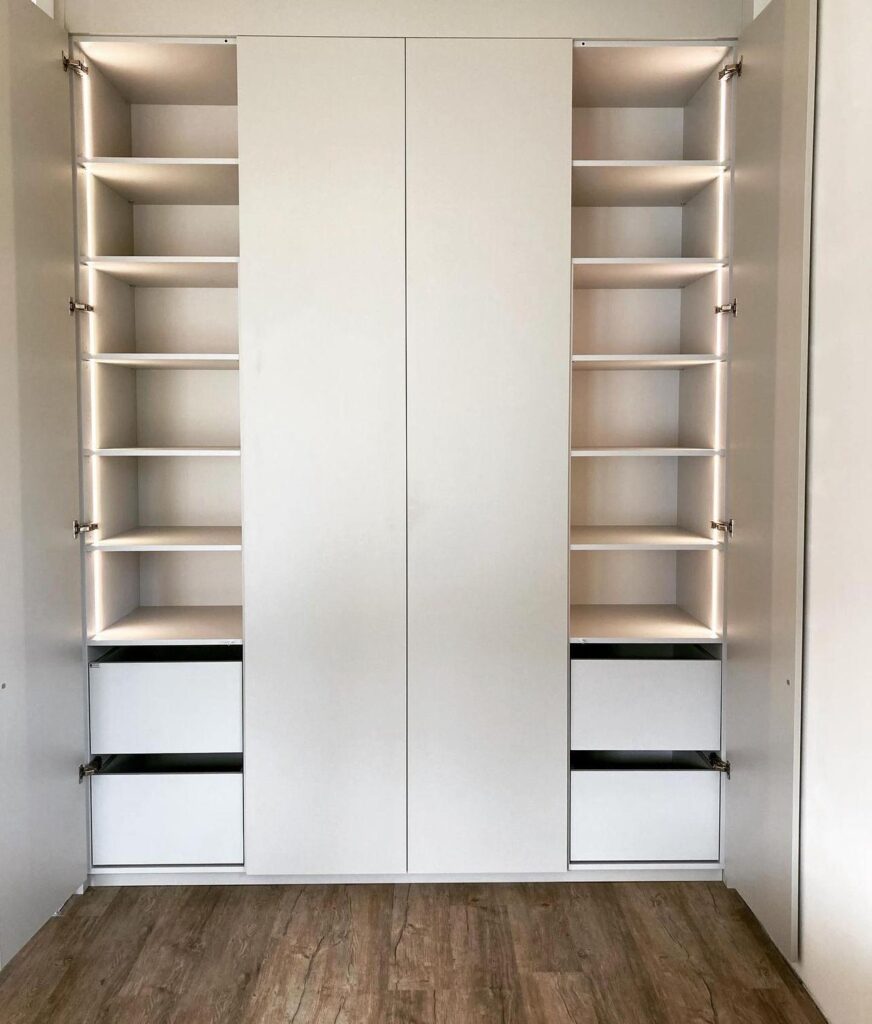
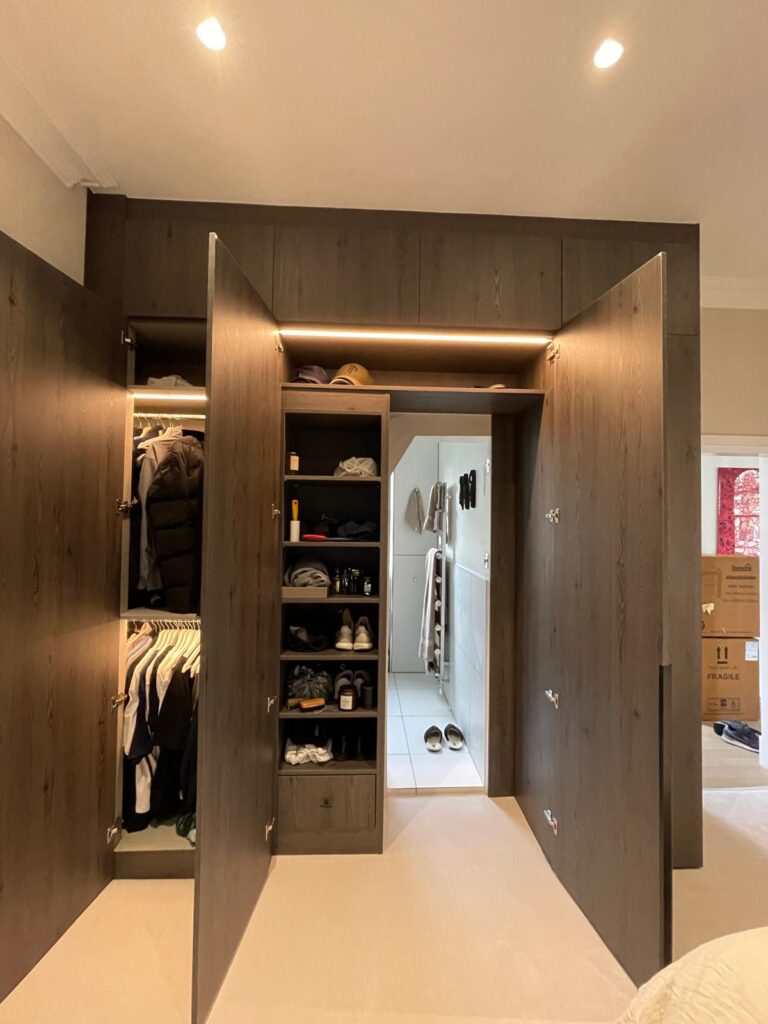
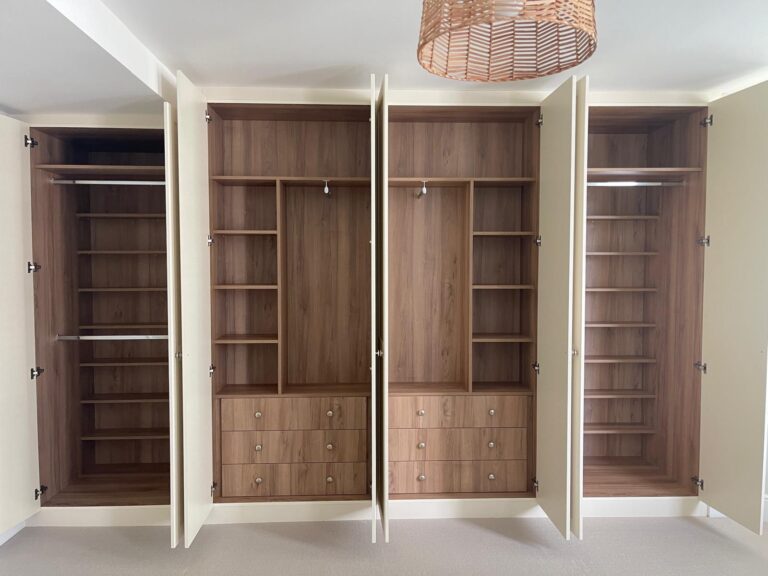
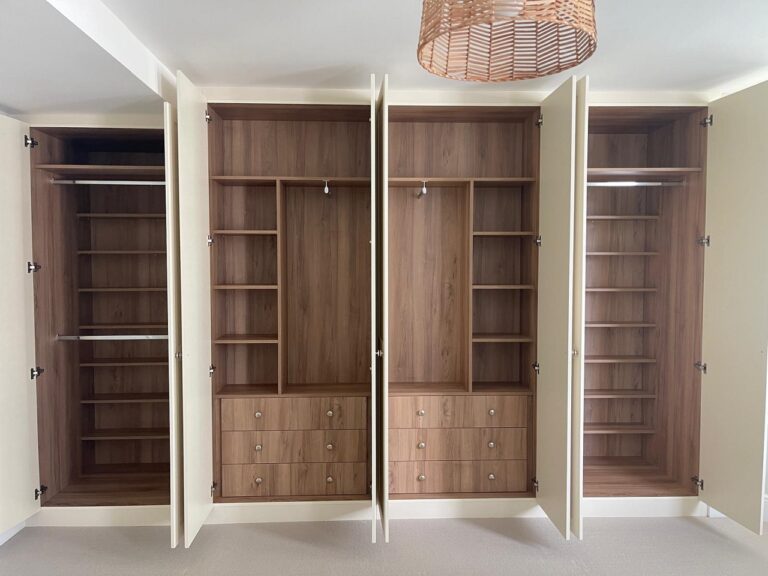
The biggest mistake with corner wardrobes is designing the outside well and the inside badly. Corners tend to hide dead space, so the interior has to be divided by use, not just by symmetry. A strong layout puts long-hang rails on one side, shorter hanging or shelves on the other, and deeper items in the least accessible zone. The best fitted wardrobes systems also include pull-out trays or corner shelving if the corner depth exceeds about 700 mm, because that is when reachability starts to drop.
A simple storage split that works
A reliable formula is 40 percent hanging, 40 percent shelving, and 20 percent drawers or specialty storage. That split suits most households because it covers clothes, linens, and less frequently used items without overcomplicating the build. If the wardrobe is for two users, break the interior into zones rather than blending everything together. That reduces friction at the point of use and makes the storage easier to maintain over time. Corner wardrobes work best when they behave like a system, not a single box.
Mini-case: a small bedroom with a dead corner
A practical example is a compact bedroom where one corner was previously left empty because a freestanding wardrobe blocked the bed path. The redesigned corner wardrobes used an L-shaped fitted layout with sliding doors and a mix of hanging and shelving. The result, based on the layout assumptions, was roughly 25 to 30 percent more usable storage and a clearer circulation route. The important lesson was not the extra capacity alone, but the fact that the room became easier to live in every day.
Corner wardrobes for lofts, alcoves, and sloped ceilings
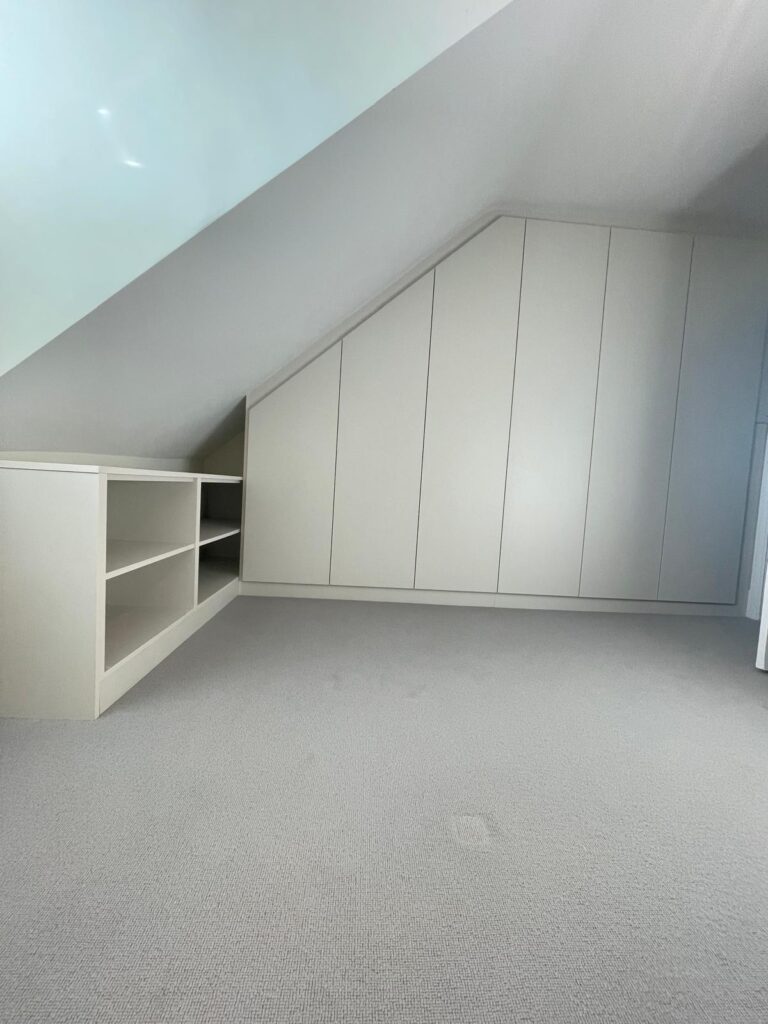
Corner wardrobes are especially effective in awkward rooms because they can absorb irregularities that standard furniture cannot. In loft rooms, the wardrobe can step down with the slope so the tallest section sits where the ceiling allows it. In rooms with alcoves, the corner can bridge the gap between two architectural features and make the whole wall read as one fitted run. This is where bespoke fitted wardrobes outperform off-the-shelf units, because the layout can be adjusted to suit the room rather than forcing the room to fit the product.
The trade-off in awkward rooms
The main trade-off in awkward spaces is between maximum volume and everyday usability. A design that follows every angle may add storage, but if it makes drawers hard to open or hanging space too shallow, it fails in practice. The safer route is to protect access first, then fill leftover space with shelving or seasonal storage. That decision is especially important in sloped-ceiling rooms, where the lowest part of the wardrobe should usually be reserved for folded items rather than hanging rails.
How bespoke design improves the result
Bespoke design matters because corner wardrobes are rarely a standard shape. A made-to-measure approach allows the fitter to adjust carcass depth, door alignment, internal fittings, and corner infill so the final unit looks built-in rather than patched together. For homeowners searching for custom wardrobes London or a fitted wardrobes manufacturer, the real value is consistency: the wardrobe should fit flush, open cleanly, and feel intentional from every angle. That is difficult to achieve with modular furniture and much easier with a tailored specification.
Mini-case: improving storage without making the room heavier
One customer segment we often see is a couple upgrading from separate freestanding wardrobes to a single fitted corner solution. In one typical scenario, the room had enough wall length for a larger unit, but the couple did not want the bedroom to feel dominated by furniture. The design used lighter door finishes, a corner connector, and upper shelving for seasonal items. The practical outcome was more storage, better symmetry, and less visual bulk, which is exactly the kind of trade-off corner wardrobes can handle well.
How to compare cost, lead time, and long-term value
Buyers often compare price first, but with corner wardrobes the better question is value over time. A lower-cost unit may fit the budget, yet still waste space or need replacement sooner if the room changes. A fitted solution usually costs more upfront, but it can reduce future rearranging and improve day-to-day use for years. If the project includes a 10-year warranty and fitting in 7 to 10 days, that changes the value calculation because the buyer is paying for speed, fit, and peace of mind rather than just cabinet volume.
A practical buying checklist
Before ordering corner wardrobes, check five points. Confirm the room dimensions and any ceiling slope. Decide whether the room can tolerate hinged doors or needs sliding doors. List the storage mix you actually use, such as long hang, short hang, shoes, or linen. Ask how the corner section will be accessed. Finally, verify install timing and warranty terms. This simple process stops most expensive mistakes, especially when comparing bespoke wardrobe design options against standard flat-pack alternatives.
Where corner wardrobes sit in a full fitted furniture plan
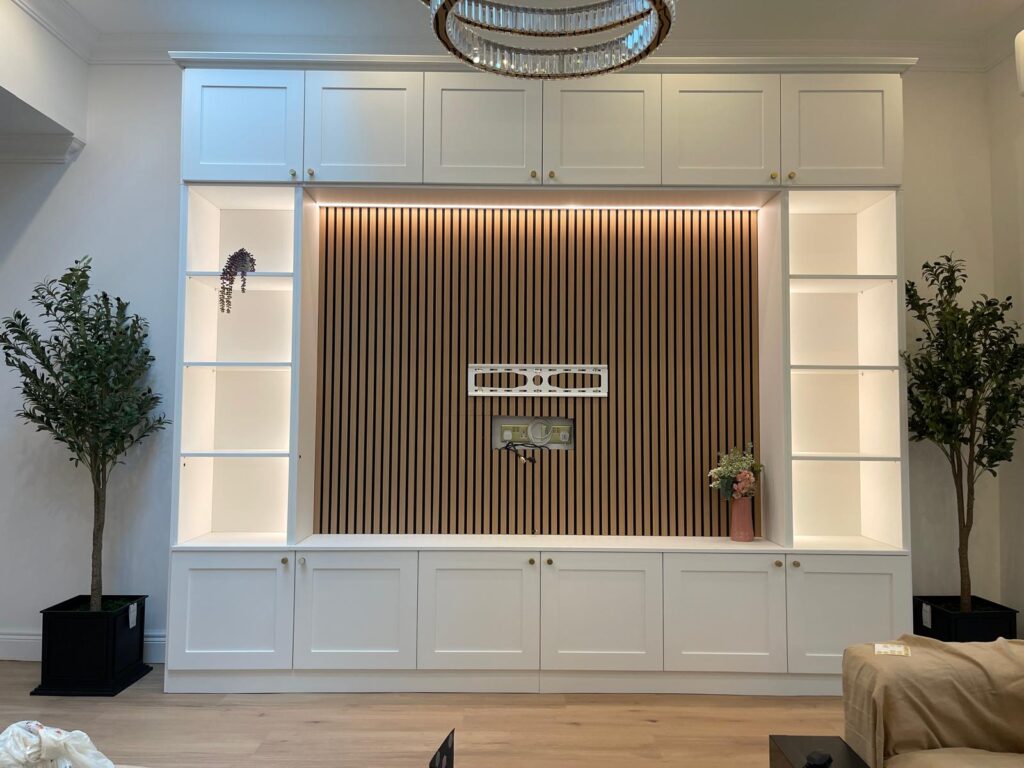
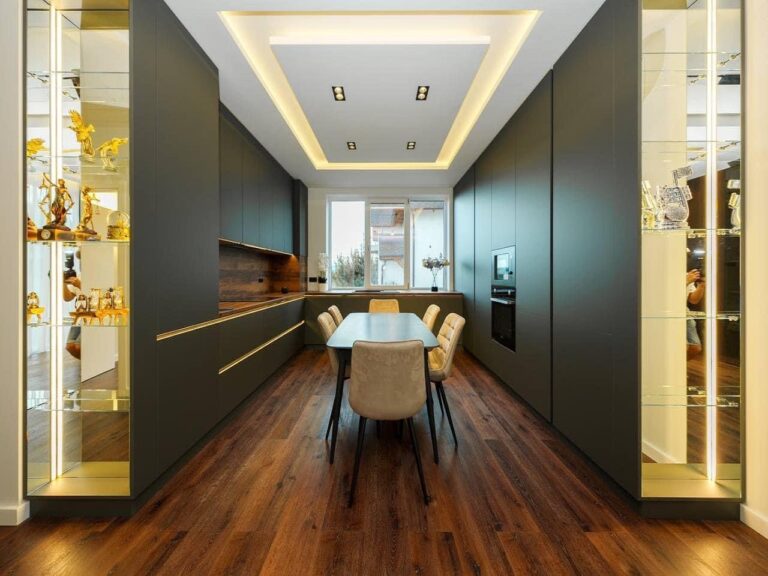
A corner wardrobe does not need to stand alone. It can work as part of a wider fitted furniture scheme that includes built-in wardrobes, alcove cupboards, TV media walls, or a loft storage run. That matters because many homeowners want one room to solve more than one problem. If the bedroom also needs a dressing area, a desk, or display shelving, the corner wardrobe can define the storage zone and free the rest of the room for circulation. The best designs think in room systems, not isolated units.
Quick takeaways
Corner wardrobes are most effective when they replace dead space with planned storage. Wraparound layouts maximise capacity, while L-shaped designs usually offer the best balance for smaller rooms. Door clearance should drive the choice between hinged and sliding fronts. Internal zoning matters more than outer symmetry because the corner can quickly become hard to use. In awkward rooms, bespoke fitting delivers the best result, especially when the project needs speed, durability, and a clean built-in finish.
How to choose the right corner wardrobe supplier
A good supplier should be able to show how the corner wardrobe will be measured, installed, and finished in the actual room, not just in a showroom drawing. Ask for examples of fitted wardrobes, walk wardrobes, or wardrobe doors design choices that solve similar room constraints. If the team can explain access, depth, and clearance in plain language, that is a strong sign they understand the work. For homeowners ready to move from research to planning, Finest Furniture Studio is a sensible place to explore bespoke fitted wardrobes and see how a corner-led layout could be adapted to the space.
Frequently Asked Questions
The FAQs below answer the most common practical questions about corner wardrobes, from fit and layout to timelines and warranty coverage.
Frequently Asked Questions
What are corner wardrobes best used for?
Corner wardrobes are best used to turn awkward room space into useful storage. They work especially well in small bedrooms, loft rooms, and layouts with alcoves or sloped ceilings where standard furniture leaves gaps.
Are corner wardrobes better than built wardrobes?
Corner wardrobes can be better when the room has an awkward layout or unused corner space that a straight run would waste. Built wardrobes are still a strong choice for long, simple walls, but corner wardrobes usually win on room efficiency in tighter spaces.
Do corner wardrobes work with sliding doors?
Yes, sliding doors are often a strong match for corner wardrobes because they avoid swing clearance issues. They are especially useful in small bedrooms where bedside tables or beds sit close to the wardrobe front.
How do I plan corner wardrobes for a loft room?
Measure the slope, the tallest ceiling point, and the lowest usable height before choosing a layout. In loft conversions, corner wardrobes usually work best when the hanging section sits where the ceiling is highest and the lower section is used for shelves or folded items.
How quickly can fitted corner wardrobes be installed?
Installation time depends on the size and complexity of the project, but some fitted solutions are completed quickly once manufacturing is finished. If the provider mentions fitting in 7-10 days, ask whether that applies from sign-off, delivery, or on-site installation.
What warranty should I expect for corner wardrobes?
A solid warranty should cover the workmanship and fitting, not just the materials. For bespoke wardrobe design projects, a 10-year warranty is a strong sign that the supplier is confident in both the build and the installation.
Can corner wardrobes be part of custom wardrobes London projects?
Yes, corner wardrobes are often included in custom wardrobes London projects because they can be tailored to room dimensions, wall angles, and storage needs. That makes them a good fit for homes where standard sizes do not solve the space problem cleanly.