






Why under stairs storage works
Under stairs storage is one of the highest-value space fixes in a typical UK home because it turns dead space into usable storage without changing the footprint. For homeowners and design-led buyers, the appeal is simple: you gain capacity, reduce clutter, and keep the hallway or lounge visually calm. In searches, people usually want three things at once, a layout that fits the staircase, a finish that matches the room, and a solution that feels built in rather than added
What people actually search for
Most users do not search for under stairs storage in the abstract. They search for under stairs cupboard ideas, under stairs storage ideas for shoes, storage for awkward spaces, or a fitted solution that can handle coats, cleaning tools, and family clutter. That intent matters because the best pages answer the practical problem first, then show design options second.
What top-ranking pages tend to cover
The stronger ranking pages usually follow a similar structure: they define the space, show common layout options, explain materials and finishes, and end with a quote or design enquiry prompt. The gaps are often more revealing than the coverage. Many pages skim over measurement, waste time on generic inspiration, or fail to explain the trade-off between drawers, cupboards, and pull-out solutions. A practical SEO page for under stairs storage should do more than inspire. It should help a visitor decide what type of unit suits a staircase, budget, and daily use pattern.
How to plan the space before you buy
The planning stage decides whether under stairs storage feels seamless or awkward. Start with the staircase profile, the door swing area, and the items you actually need to store. A useful rule is to map the space in three zones, low, mid, and high. Low space suits pull-out drawers or pet storage, mid-height suits shoes or bags, and the deepest section can handle hanging rails or tall cleaning items. This simple zoning approach is better than trying to force one oversized cupboard into every staircase shape.
Measure the usable volume, not just the opening
A common mistake is measuring only the visible triangle under the stairs. That ignores the usable depth behind the front line, which is where fitted under stairs storage earns its value. Use a measuring guide and record width, height at several points, and depth at the back wall. If the staircase is irregular, take measurements every 30 to 50 cm. The goal is to identify the real storage envelope, not the theoretical one. That extra detail often determines whether you can fit shelves, hanging space, or a mix of both.
Choose access based on daily use
Access is the trade-off that changes everything. A cupboard with hinged doors is cheap to operate and simple to install, but it needs clear swing space. Drawers are excellent for shoes, paperwork, and kids’ items, yet they reduce the amount of deep storage you can hide behind the front panel. Pull-out trays sit in the middle, offering better reach than fixed shelving. For busy homes, the best under stairs storage design is usually the one that makes the most-used items visible in under five seconds.
Under stairs storage ideas that fit real homes
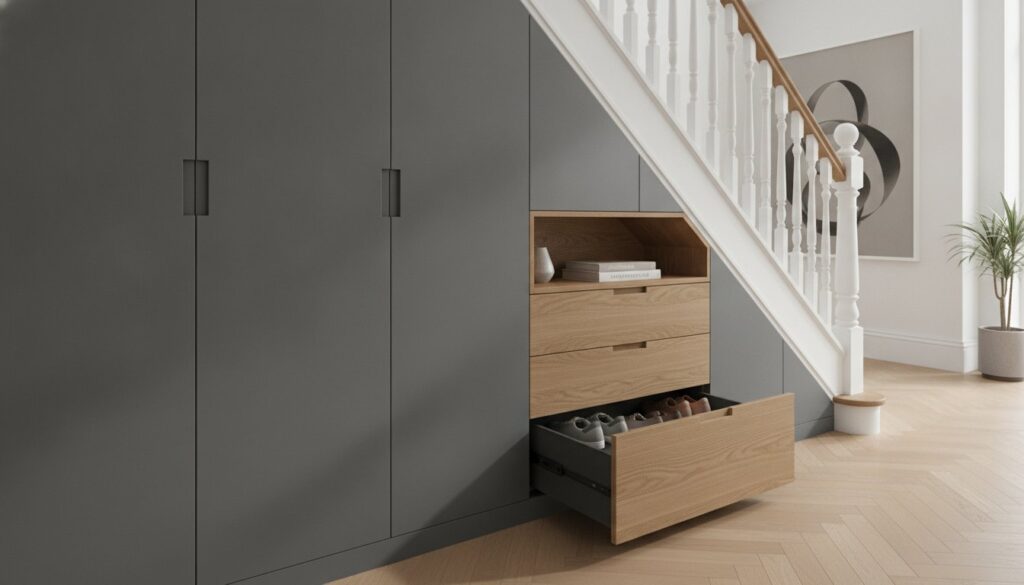
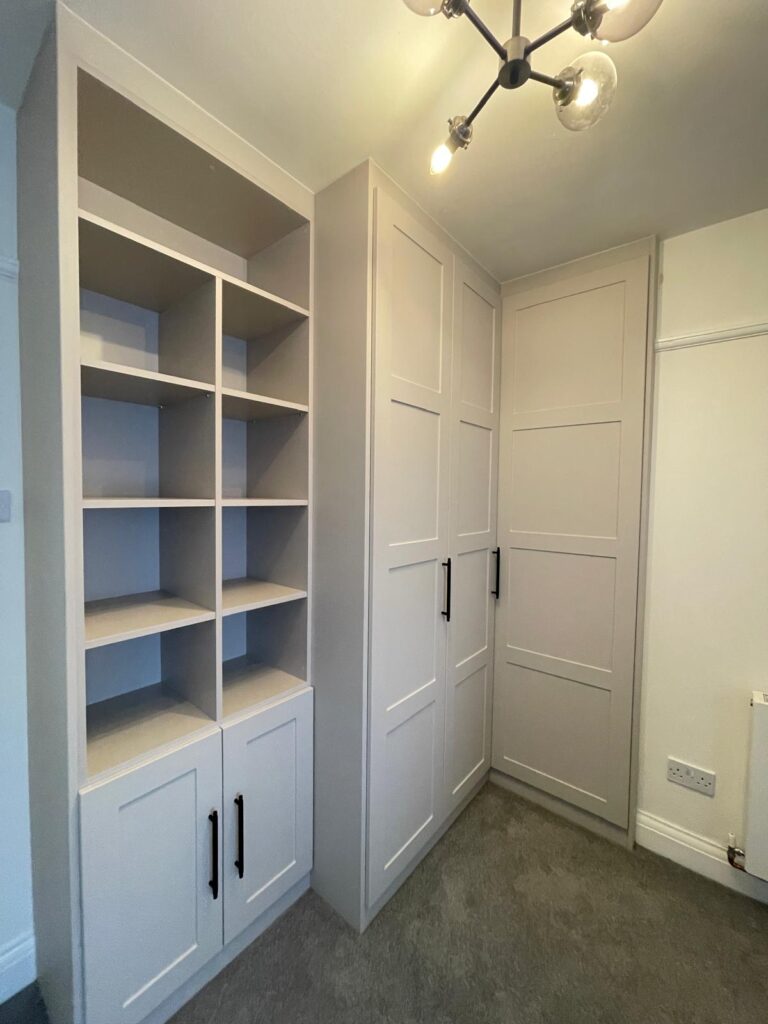
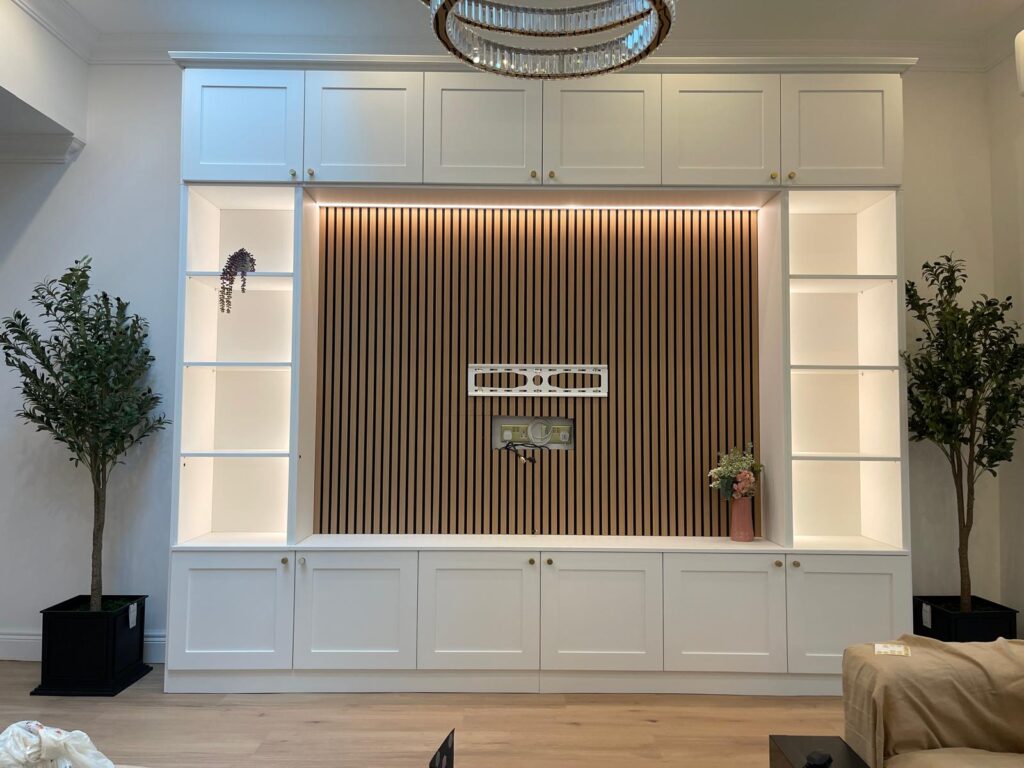
Good under stairs storage ideas are less about novelty and more about matching the unit to the household. A hall-facing cupboard can hide coats and vacuum equipment. A shoe drawer stack works well in narrow entrances where floor space is tight. If the staircase opens into a living room, painted shaker fronts or flush doors usually look cleaner than open shelving. For design-led homes, a fitted piece that blends into the wall often feels more premium than a statement unit that advertises itself.
Built-in cupboards and concealed storage
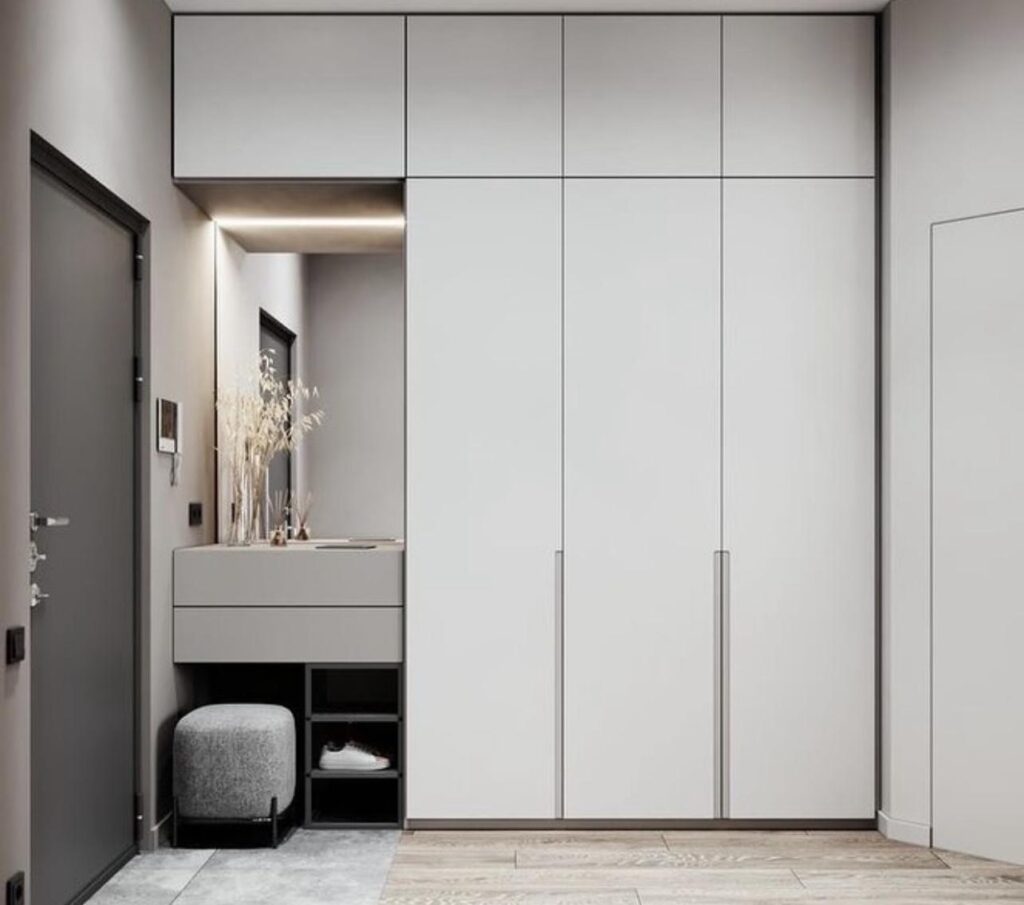
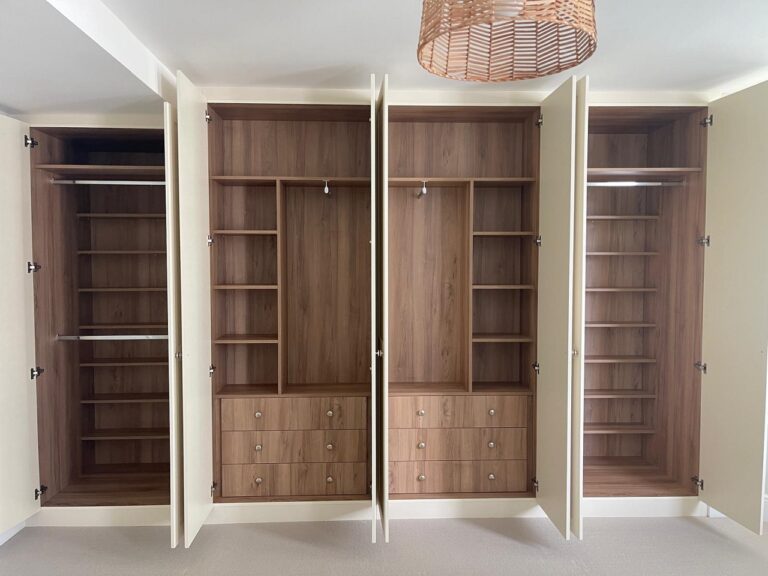
Built-in cupboards are the safest choice when the brief is to reduce visual noise. They suit homeowners who want a clean hallway, a place for bulkier items, and minimal maintenance. A good design usually uses one or two large doors rather than many small ones, because fewer breaks in the front line make the joinery look more intentional. If you are considering built wardrobes elsewhere in the home, the same logic applies here, consistent front proportions usually make the whole interior feel more settled.
Drawers, pull-outs, and mixed layouts
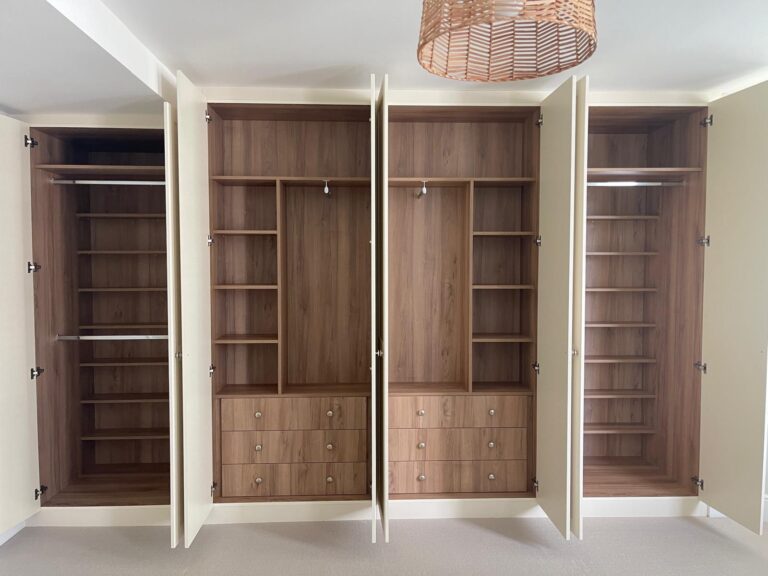
Drawers are the better answer when the storage needs are shallow and repetitive, such as shoes, scarves, charging cables, or pet leads. Mixed layouts work even better in family homes, with lower drawers for everyday items and a deeper cupboard for seasonal storage. The hidden benefit is speed. A well-planned mixed unit can cut the time spent looking for frequent-use items by a noticeable margin, especially in homes where the hallway acts as a drop zone. That is a practical return, not just a visual one.
Mini-case: a family hallway upgrade
One household with a narrow entrance wanted a better place for school bags, trainers, and a hoover. The original setup was a coat stand, two shoe racks, and a small cupboard that never closed properly. After switching to under stairs storage with a lower drawer bank and a tall side cupboard, they removed three separate items from the hallway. The realistic benefit was not only tidiness. The family also gained a clear landing zone, which reduced the daily clutter pile that had been building by the front door.
Design details that change the result
Small design decisions have a bigger impact on under stairs storage than most people expect. Door style, handle choice, lighting, and finish all change how the unit reads in the room. The design goal is usually either camouflage or contrast. Camouflage works best when the storage should disappear into the wall. Contrast works when the unit is intended as a feature, such as a painted block that anchors a hallway. Both can be effective, but mixing the two usually creates a messy result.
Finish, hardware, and the front elevation
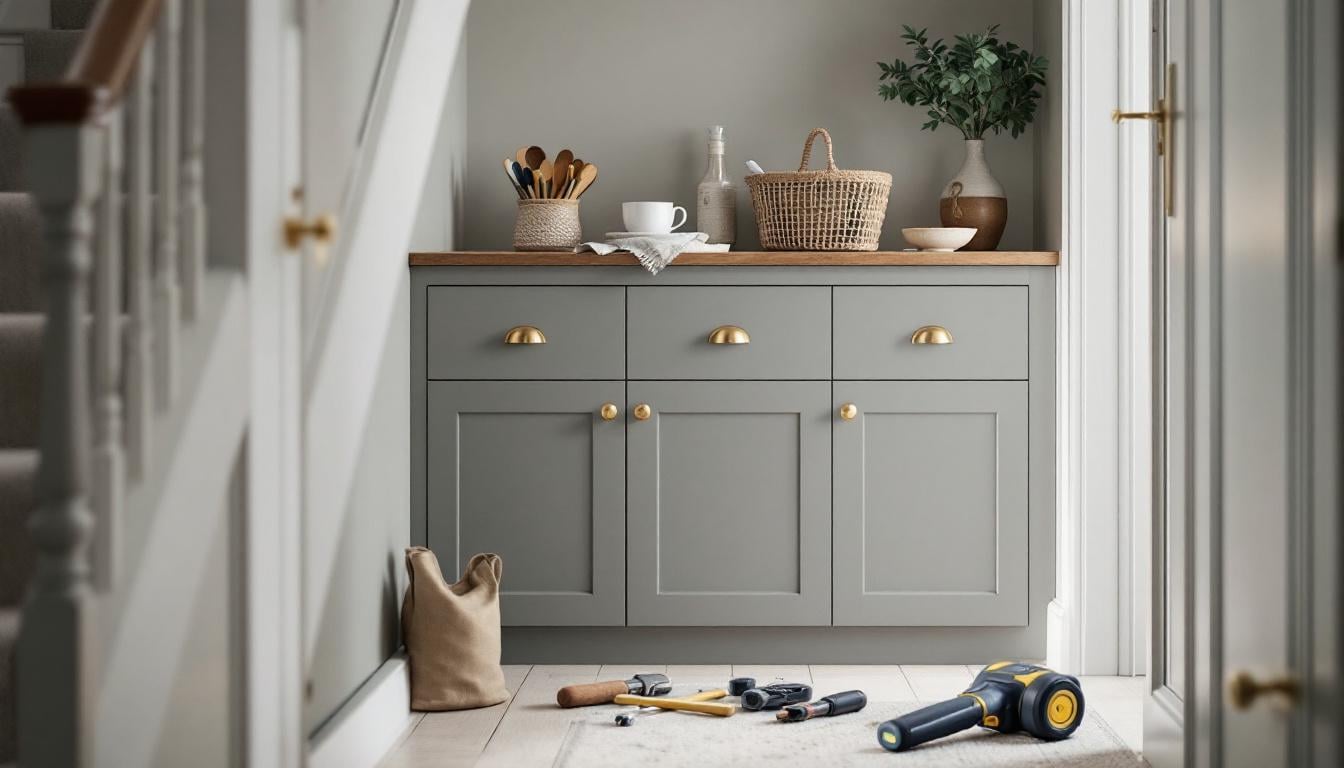
If the staircase is part of a busy circulation zone, the front elevation should feel calm and durable. Matte painted finishes hide fingerprints better than high-gloss fronts, while push-latch doors remove visual clutter but can be less forgiving for households that want instant, intuitive access. Handles add grip but can catch coats in tight hallways. The best choice depends on traffic patterns. Homes with children usually benefit from robust hardware and easy-grab pulls, even if the look is slightly less minimal.
Lighting and visibility inside the unit
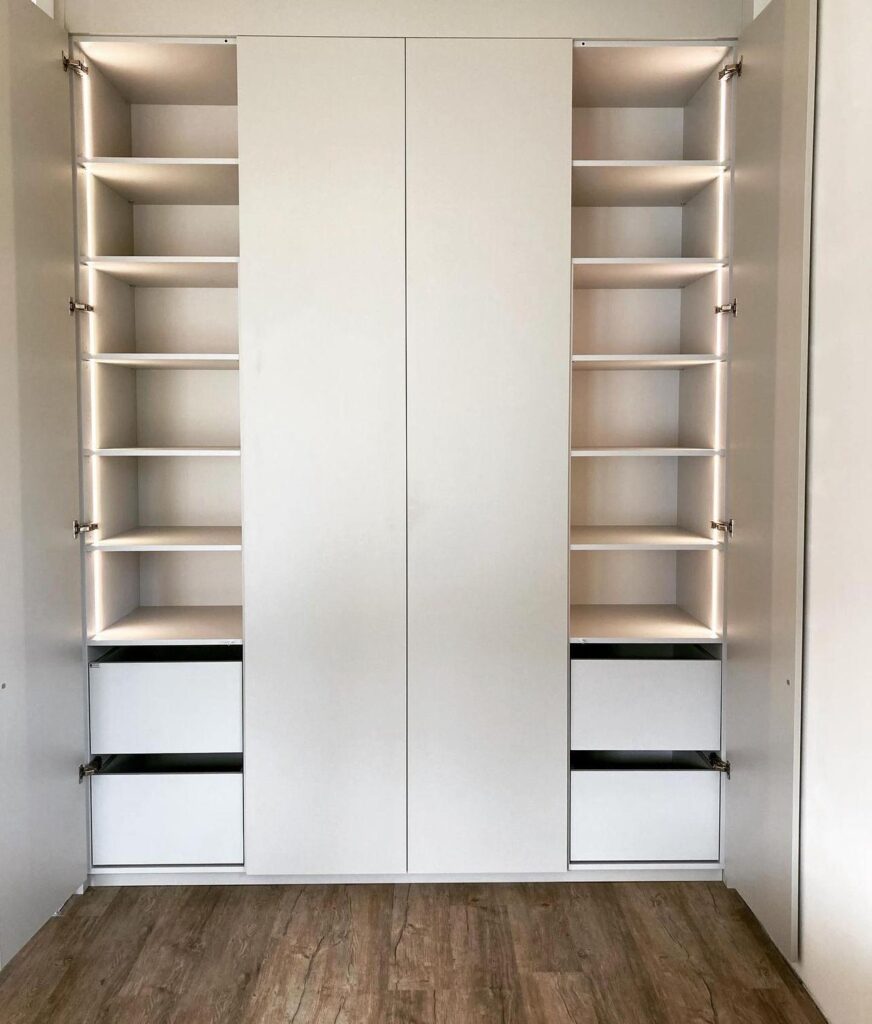
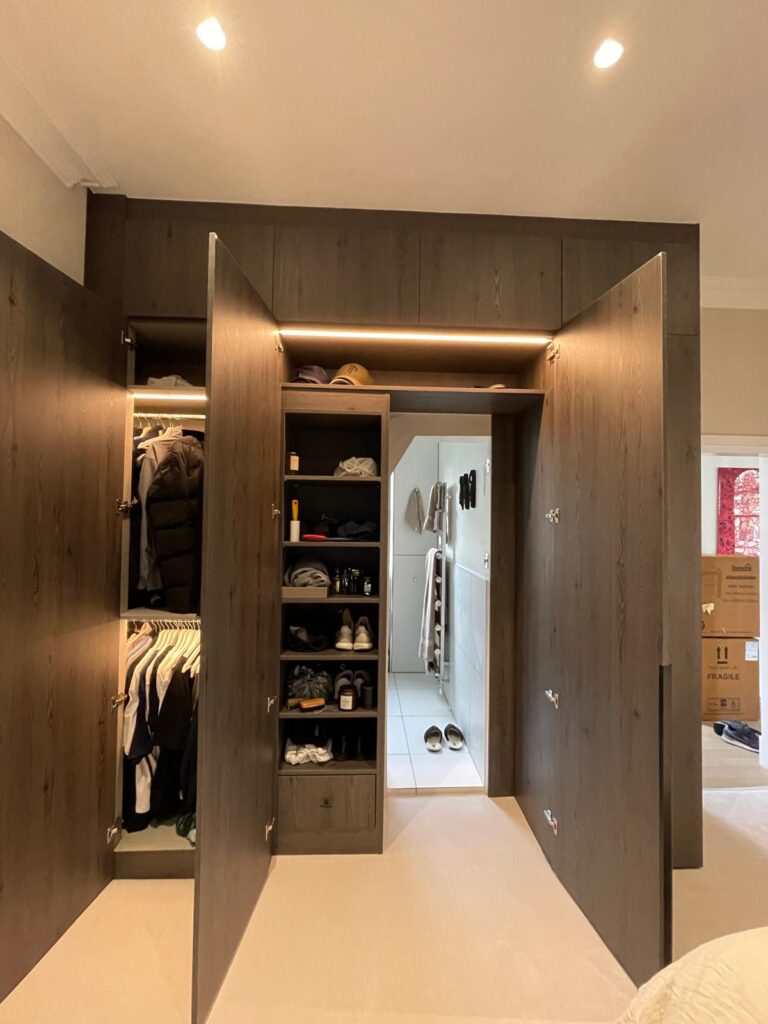
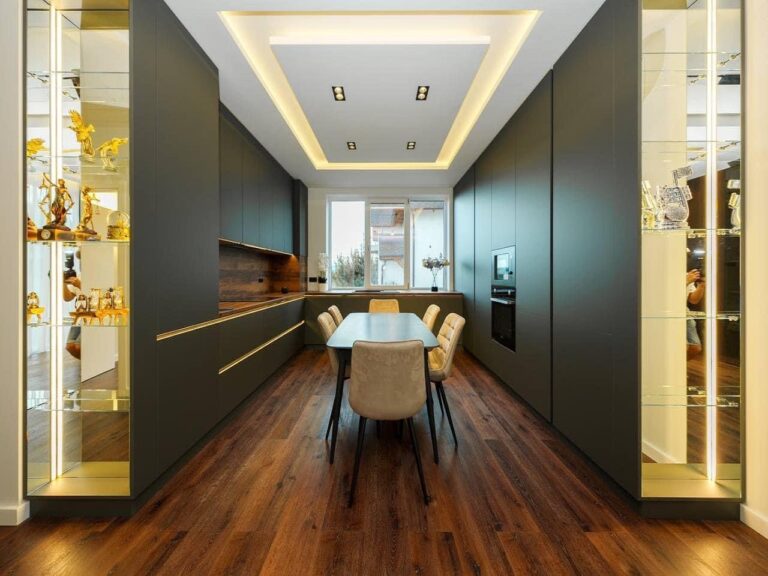
Internal lighting is often overlooked, yet it is one of the simplest upgrades for under stairs storage. A low-energy strip light or motion sensor makes a deep cupboard usable, especially where the staircase blocks natural light. The decision rule is straightforward: if the back of the storage is not visible without a phone torch, add lighting. This is particularly useful for fitted furniture in awkward spaces, where poor visibility tends to make owners avoid the storage they paid for.
Where bespoke fitted wardrobes thinking helps
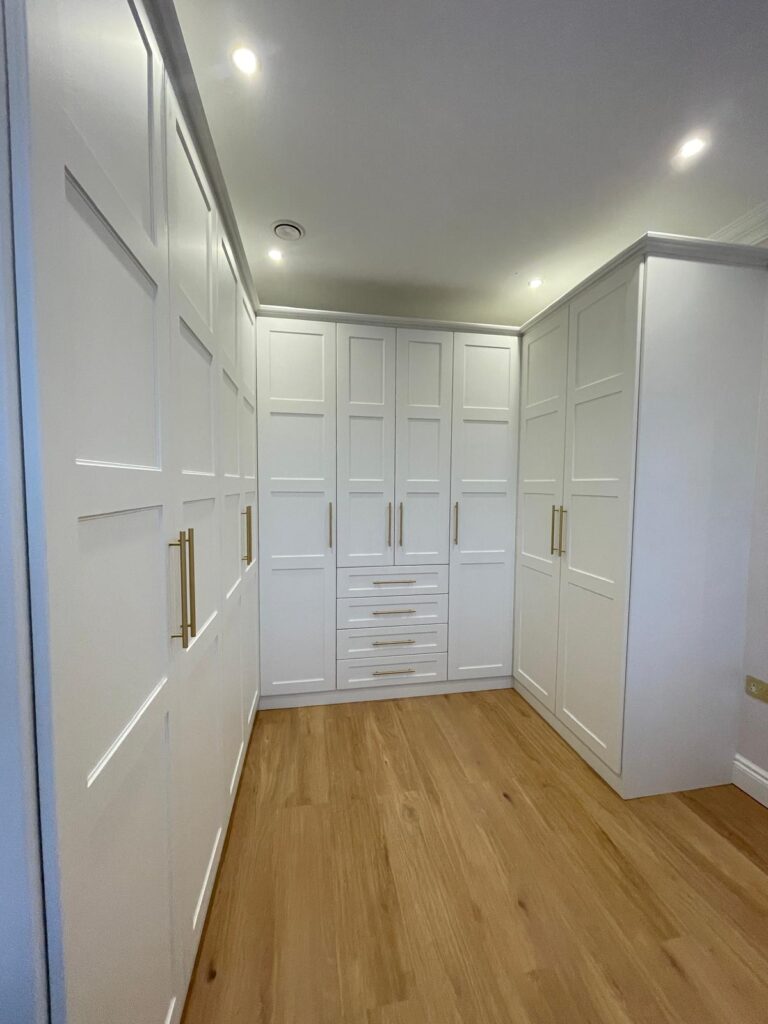
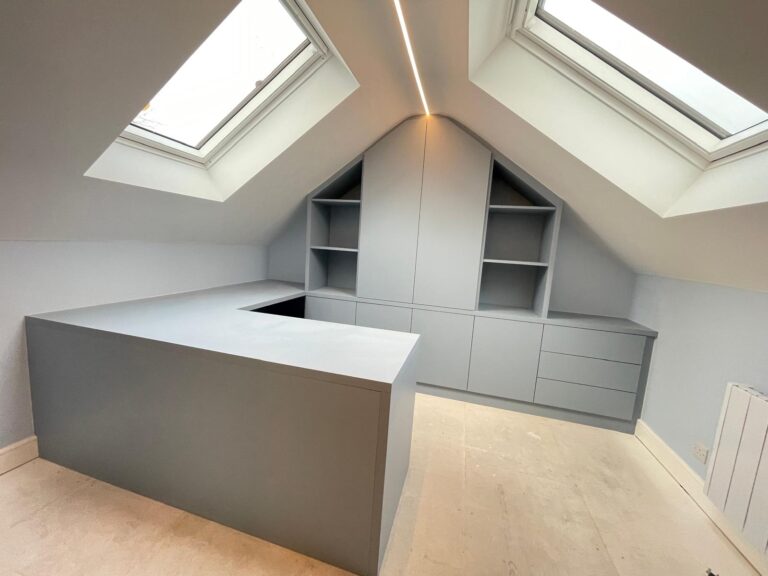
The same design discipline used for bespoke fitted wardrobes applies here. You are not just filling a gap, you are fitting a room-specific system into a constrained envelope. That means planning around openings, panel depths, and how the room will be used after installation. For homeowners comparing bespoke fitted wardrobes with under stairs storage, the key difference is access shape. Wardrobes are vertical and predictable, while under-stairs units require tighter coordination between joinery and staircase geometry.
Installation workflow and timing
A reliable installation workflow reduces surprises. The sequence should be survey, design sign-off, manufacture, site preparation, fitting, and final adjustment. If a project follows that order, it becomes much easier to control quality and timing. For many UK homeowners, the deciding factor is speed as much as style. A well-run bespoke project can often be fitted in a 7 to 10 day window once manufacture is complete, though complex stair shapes or extra electrical work can extend that timeline.
What should happen at the survey stage
The survey is where you catch the issues that would otherwise become expensive fixes. A good survey checks wall straightness, floor level, staircase underside clearance, skirting depth, and any plumbing or wiring near the space. It also confirms how the door or drawer fronts will open in relation to the hallway. If you are using a measuring guide, make sure the survey includes photos and notes, not just dimensions. The best designs come from the combination of measurements and site conditions.
Common installation pitfalls and fixes
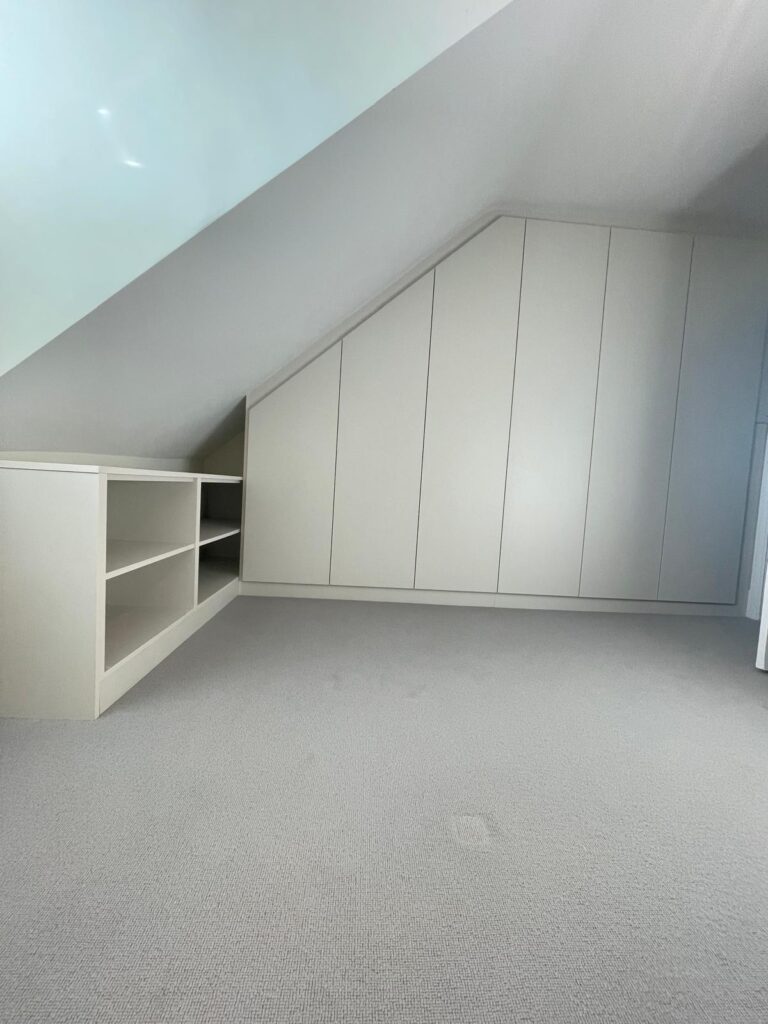
The most common pitfall is designing to a perfect rectangle when the real space is not square. That leads to gaps, binding doors, or panels that look forced. The fix is to allow tolerance in the design and use scribe panels where needed. Another mistake is underestimating opening clearance near radiators, banisters, or hallway doors. If a fitted solution will be used daily, a few extra millimetres of planning can save repeated friction after installation. In practice, that often matters more than the finish choice.
Budget, value, and trade-offs
Budgeting for under stairs storage should be based on use, finish, and complexity. A simple cupboard with standard finishes costs less than a multi-zone fitted system with drawers, lighting, and internal partitions. The trade-off is straightforward, lower cost usually means fewer custom details and less efficient use of the available volume. If resale or long-term usability matters, many homeowners find the premium for bespoke joinery easier to justify because it improves both function and perceived quality in a high-traffic area.
How to judge value beyond price
A better question than ‘How much does it cost?’ is ‘How many storage problems does it replace?’ If under stairs storage removes a hallway cabinet, a shoe rack, and a freestanding coat stand, the effective value increases. For a practical comparison, look at storage capacity gained, visual clutter removed, and the number of daily interactions improved. That decision framework is especially useful when comparing custom built-in cupboard solutions with off-the-shelf units, which may be cheaper up front but usually waste more space.
Mini-case: solving an awkward alcove-style stair
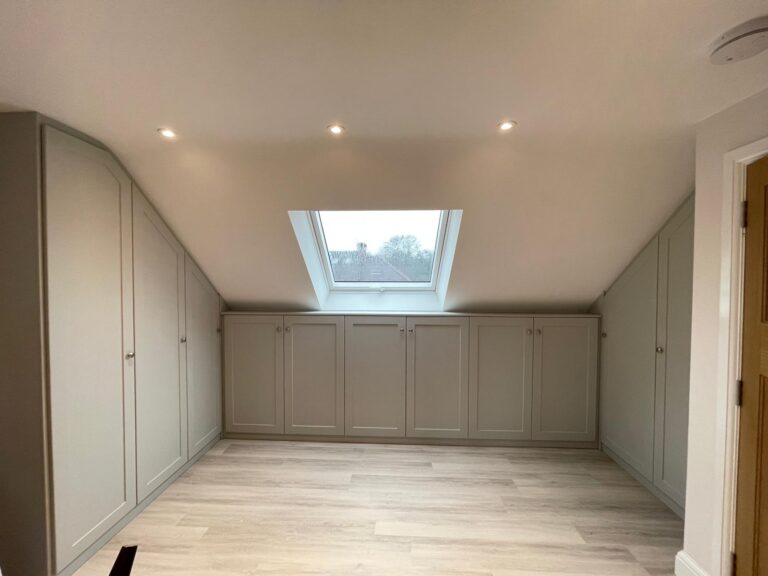
A second example involved a home with a staircase that left a shallow, uneven cavity beside the hallway. The owners had been considering separate furniture pieces, but those blocked circulation. By treating the space like an awkward space problem rather than a single cupboard problem, the design used staggered depths and one tall side panel. The assumed win was modest but real: floor clearance improved, and the hall visually widened because the storage line now followed the architecture instead of fighting it.
How this supports SEO and traffic
From an SEO perspective, under stairs storage pages attract traffic when they answer both inspiration and decision intent. That means covering design ideas, practical measuring, installation timing, and comparison points in one place. Searchers often move from broad terms like under stairs storage ideas to more specific phrases such as fitted under stairs cupboards or storage for awkward spaces. A strong article captures that journey by giving enough detail for research, then offering a next step such as a book design visit or book virtual consultation.
Internal links that help readers move
Supporting pages should match the reader’s next question. A measuring guide helps the buyer who is still checking dimensions. Awkward spaces and alcove cabinet design pages are useful when the staircase sits beside a niche or irregular wall. Bespoke fitted wardrobes and built wardrobes pages help readers compare staircase storage with other fitted solutions, while compare content can support buyers weighing a custom route against standard furniture. Used naturally, those internal links keep the user moving through the site instead of bouncing back to search results.
Quick takeaways
Under stairs storage works best when the design starts with real usage, not just available space. Measure the full envelope, not only the visible opening, because depth and clearance shape the final build. Choose cupboards, drawers, or mixed layouts based on what you reach for every day. Keep finishes and hardware aligned with traffic levels, and add lighting if the back of the unit is hard to see. Finally, treat installation as a workflow, not a one-off event, so the final fit feels deliberate rather than improvised.
Conclusion
Under stairs storage is one of the most practical upgrades you can make in a UK home because it solves a real problem, clutter, access, and wasted floor area, without demanding extra square footage. The strongest results come from careful measuring, a layout that matches daily habits, and a finish that suits the room instead of competing with it. If you are comparing options, think in terms of use cases first, then materials and style second. That approach keeps the project grounded and makes the investment easier to justify.
Frequently Asked Questions
What is under stairs storage used for?
Under stairs storage is used to turn the space below a staircase into practical storage for coats, shoes, cleaning tools, bags, and seasonal items. It is especially useful for homeowners looking for under stairs storage ideas for awkward spaces that reduce hallway clutter.
How do I measure for under stairs storage?
Start by measuring width, height at several points, and depth at the back wall, not just the front opening. A proper measuring guide also checks wall straightness, floor level, and any obstacles like radiators or door swings, which helps plan fitted under stairs storage accurately.
Is bespoke under stairs storage better than freestanding furniture?
For most awkward spaces, bespoke under stairs storage uses more of the available volume and looks more integrated than freestanding pieces. It is usually the better choice when you want built-in cupboard storage, cleaner visual lines, and a solution that fits the staircase shape.
How long does under stairs storage fitting usually take?
Once design and manufacture are complete, fitting is often completed in around 7 to 10 days, depending on complexity. Homes with unusual staircase geometry or extra electrical work may need more time, so it is best to confirm the installation workflow early.
What is the best style for under stairs storage in a hallway?
The best style depends on whether you want the storage to disappear or stand out. Matte painted doors suit discreet under stairs storage ideas, while shaker fronts or flush panels can work well if you want a fitted feature that matches bespoke fitted wardrobes elsewhere in the home.
Can under stairs storage be designed for awkward spaces?
Yes, and that is one of its main advantages. A skilled design can use staggered depths, scribe panels, and mixed access types to solve awkward spaces without wasting volume, which is why many homeowners compare it with alcove cabinet design or other fitted joinery options.
Does under stairs storage add value to a home?
It can add value by improving daily usability and making the home feel more organised and better finished. Buyers often respond well to fitted furniture that solves a visible storage problem, especially when the design is tailored, durable, and consistent with the rest of the interior.