








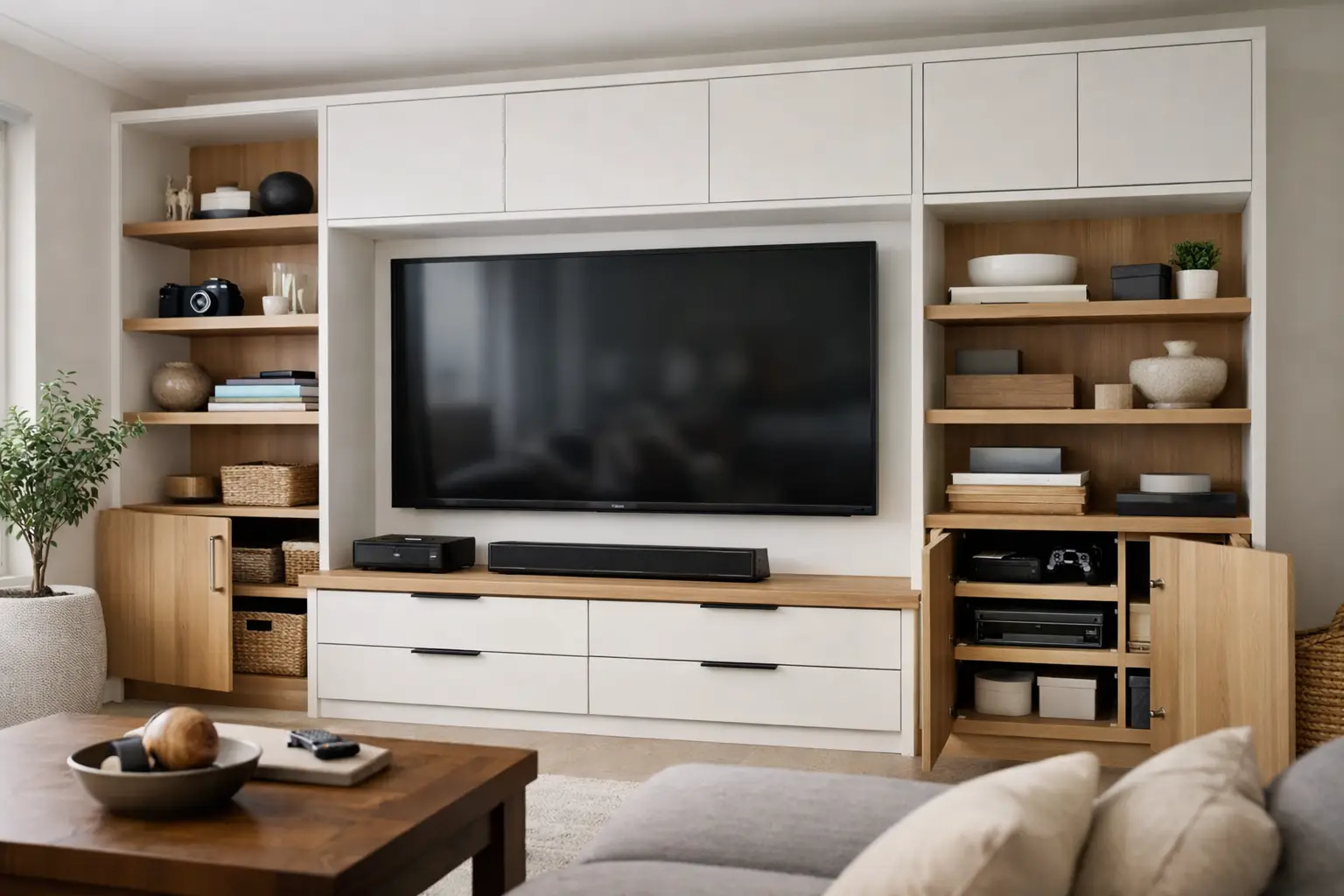
The quickest way to make a living room feel calmer is not always a new sofa or a fresh coat of paint. Often, it is removing the visual noise around the television – the cables, the mismatched cupboards, the shelves that never quite hold what you need. A media wall with storage solves that problem properly, turning one of the busiest parts of the room into a fitted feature that looks intentional and works every day.
For many homes, especially where space is limited or the layout is awkward, freestanding furniture rarely makes the best use of the wall. It can leave dead space at the sides, create clutter below the screen, and make the room feel busier rather than better organised. A bespoke media wall changes that. It gives the television a clear setting, creates room for storage that suits how you actually live, and helps the whole space feel more polished.
Why a media wall with storage makes such a difference
A television naturally becomes the focal point of a living room, but that does not mean it has to dominate it. The right design balances the screen with cabinetry, shelving and proportions that feel part of the architecture rather than added to it later.
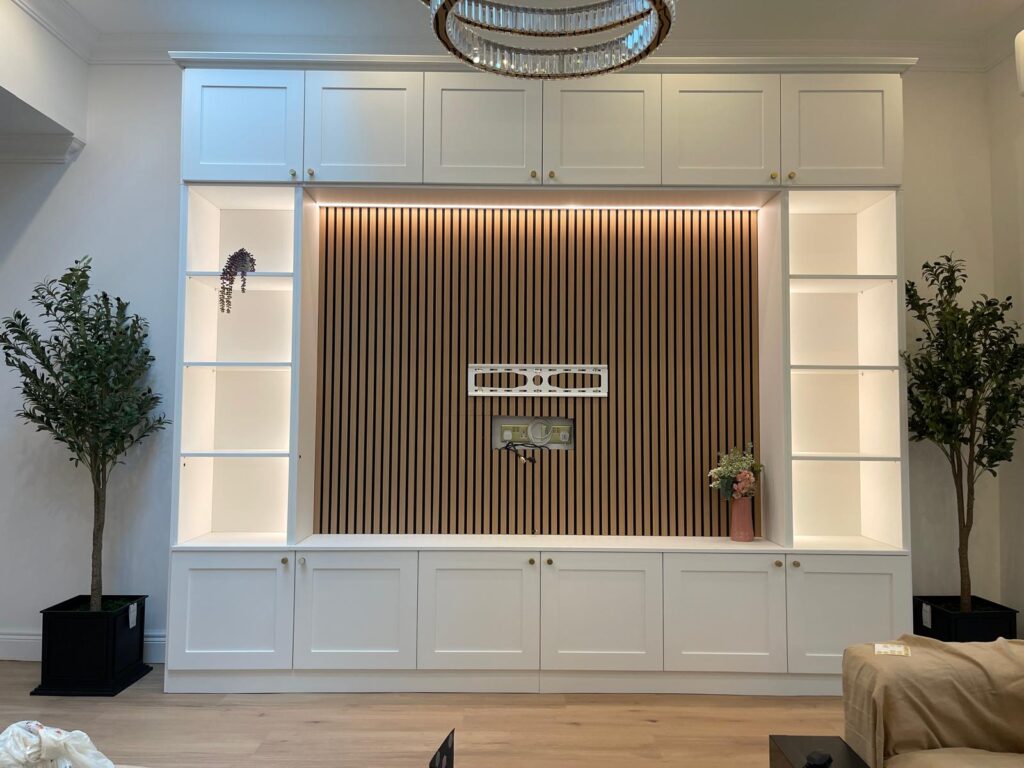
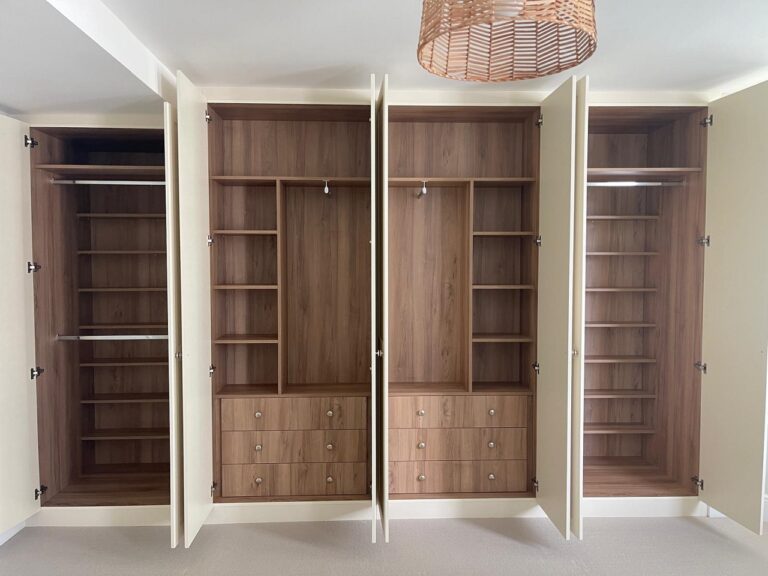
Storage is what makes the biggest difference in practice. Closed cupboards can hide away consoles, routers, remotes, board games and the usual household overflow that tends to collect in shared spaces. Open shelving can soften the look with books, ceramics or lighting, but only where display space genuinely adds something. Too much open storage can quickly become another place for clutter, so the best designs usually mix both.
There is also the issue of scale. In many properties, a standard TV unit sits too low, too narrow or too far from surrounding features such as chimney breasts, alcoves or windows. Fitted furniture allows the wall to be designed around the exact dimensions of the room, which creates a more resolved, more expensive-looking result.
What to include in a media wall with storage
The best layouts start with a simple question: what needs to live here besides the television? That answer shapes everything from cabinet depth to shelf spacing.
In family homes, lower storage often matters most. Deep base cupboards are useful for toys, spare throws, gaming accessories and the everyday items you want close by but out of sight. In more design-led reception rooms, the brief may lean towards slimmer cupboards and carefully framed shelving for a cleaner look.
A soundbar, satellite box or games console needs proper planning too. These items are often forgotten until late in the process, when it becomes clear there is nowhere sensible for them to go. Ventilation, cable routing and access points all need to be considered from the start. A media wall should not only look neat on installation day. It should still feel easy to use months and years later.
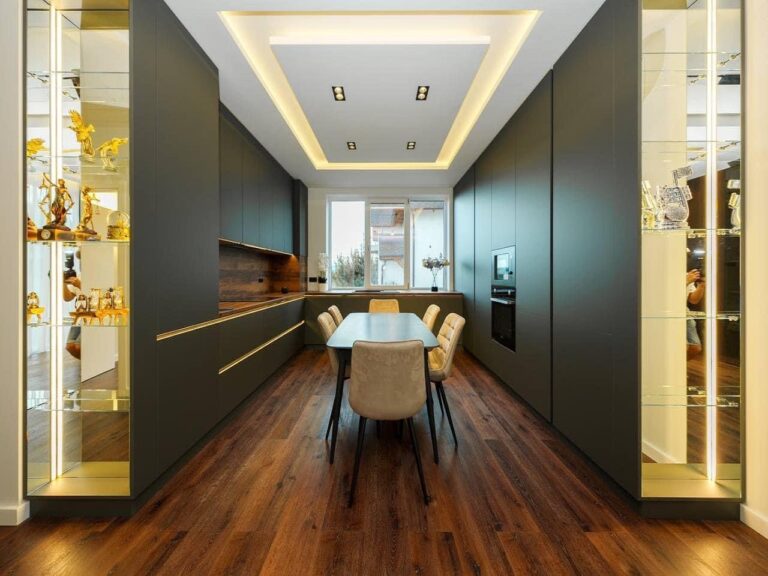
Lighting can also elevate the finish when handled carefully. Soft shelf lighting or subtle illumination behind panels can add depth in the evening, but brighter effects can date quickly. As with most fitted furniture, restraint usually ages better than trend-driven extras.
Getting the proportions right
A media wall succeeds or fails on proportion. If the television looks squeezed into the design, or the cabinetry feels oversized around it, the whole wall can feel heavy. Good design creates enough breathing room around the screen while still giving the storage real presence.
Ceiling height matters here. In rooms with generous height, full-height joinery can look beautifully architectural and provide substantial storage. In lower-ceilinged spaces, stopping short of the ceiling may keep the room feeling lighter. It depends on the room, the amount of natural light and how visually quiet you want the final scheme to be.
The width of the wall matters just as much. On a broad wall, the furniture can stretch confidently with symmetrical cupboards or shelves. On narrower walls, a simpler composition often works better. Trying to force too many elements into a compact footprint usually creates fuss rather than function.
Built for awkward spaces, not just large rooms
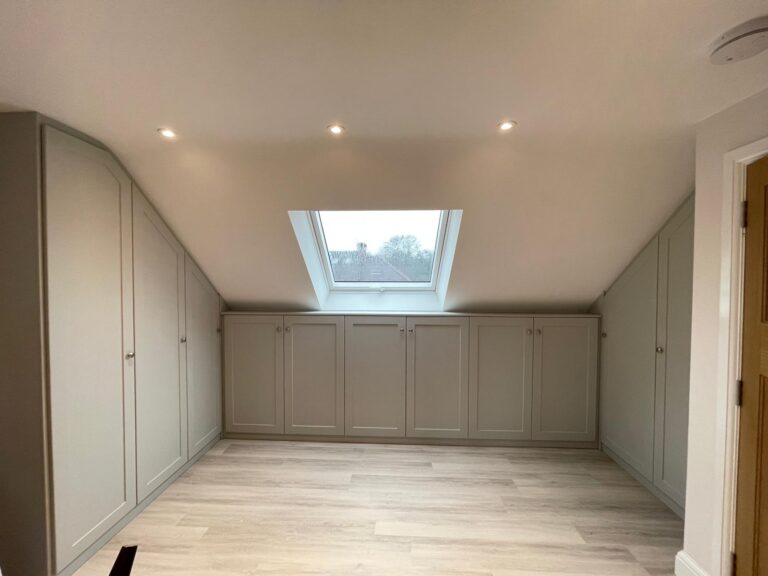
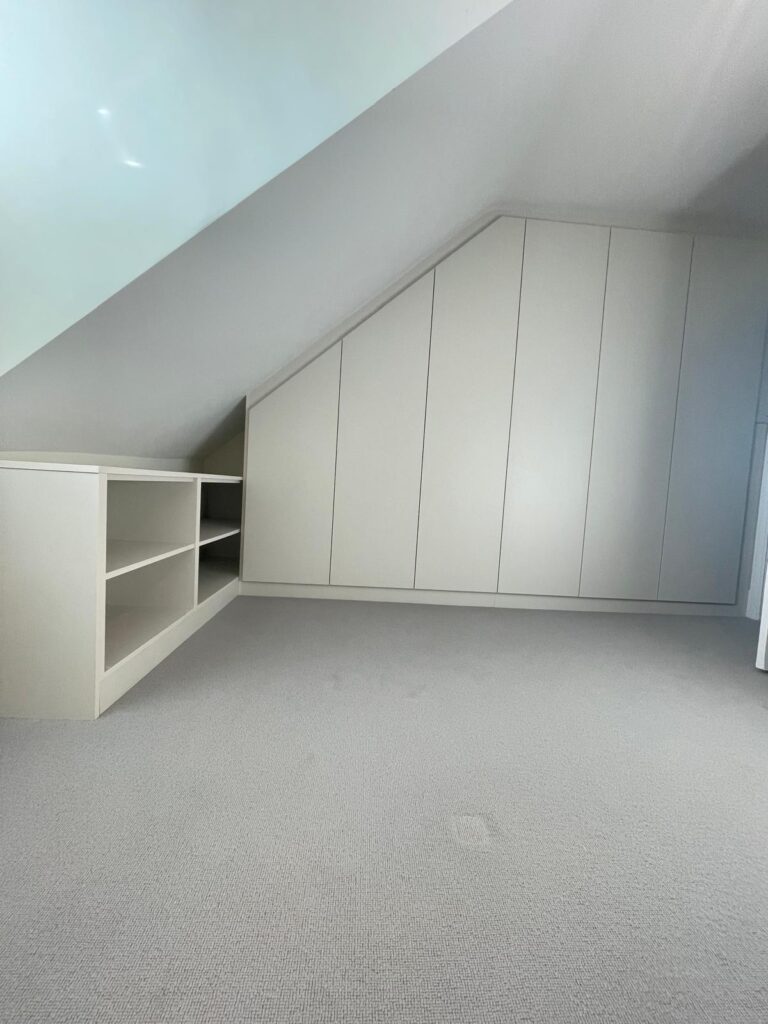
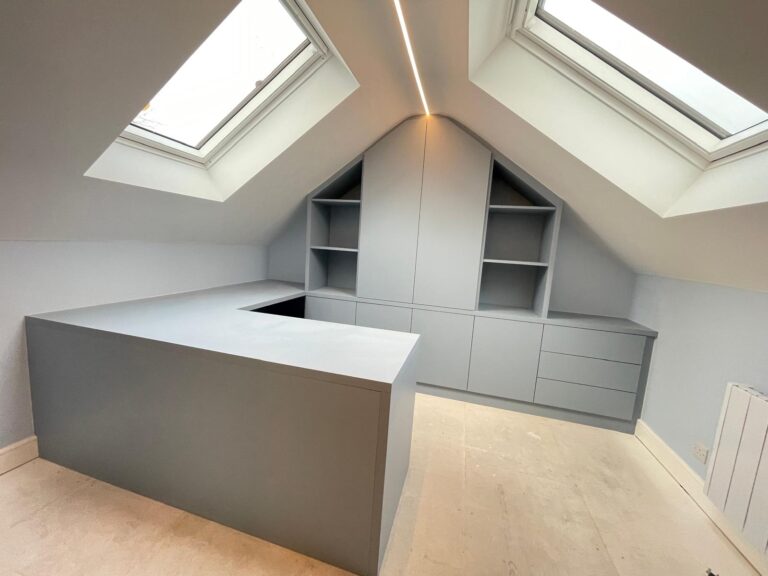
One of the biggest advantages of fitted furniture is that it works where off-the-shelf pieces fall short. Alcoves, chimney breast recesses, sloping ceilings and uneven walls are common in British homes, and they are exactly the situations where a bespoke media wall can shine.
A chimney breast, for example, often provides a natural centre for the television, with storage built into the alcoves on either side. This can feel balanced and timeless, especially in period properties where the room already has strong architectural character. In newer homes, a flat wall may allow for a wider, more contemporary composition with streamlined cabinetry and a cleaner linear look.
For flats or smaller reception rooms, the trick is not to overbuild. A media wall with storage should make the room feel more organised, not more enclosed. Slimmer depths, fewer open shelves and carefully chosen finishes can keep the design elegant without sacrificing practicality.
Choosing finishes that suit the room
The finish has a huge effect on whether a media wall feels quietly luxurious or overly dominant. Painted finishes are a popular choice because they can be matched to the room and tailored to either blend in or stand out. A soft neutral can make the furniture feel integrated, while a deeper shade can add drama and definition.
Wood-effect finishes can bring warmth, especially in contemporary schemes that need a little texture. They work particularly well when the rest of the room is simple and understated. The key is balance. Too many materials, colours or decorative details can make the wall feel busy.
Handle choice also matters more than people expect. Minimal push-to-open doors create a streamlined look, but traditional handles can add character and make cabinetry easier to use. Neither is always better. It depends on the style of the room and how you want the furniture to sit alongside the rest of your interior.
Fitted versus freestanding
Freestanding TV units appeal because they are quick to buy and easy to move, but they tend to solve only part of the problem. They hold the television and perhaps a few accessories, yet they rarely address the wider storage needs of the room. The result is often a mix of baskets, sideboards and shelves added later to cope with overflow.
A fitted solution costs more upfront, but it tends to use the wall far more effectively and deliver a cleaner visual result. It can also add a sense of permanence that freestanding furniture cannot. For homeowners investing in the long-term look and function of their living space, that difference is often what makes the project worthwhile.
That said, bespoke is not automatically the right answer for every home. If you plan to move very soon, or if your layout is likely to change significantly, a fully fitted design may be more commitment than you need. The best choice depends on how settled you are, how much storage the room lacks, and how important a built-in finish feels to you.
What to plan before installation
The most successful projects are the ones where practical decisions are made early. Screen size should be confirmed before the design is finalised, not estimated. The viewing height should suit the seating position. Plug sockets and cable points should be planned around the furniture rather than treated as an afterthought.
It is also worth thinking about what the room will need in a few years, not just now. Children grow, technology changes, and storage habits shift. A design with some flexibility is often more useful than one tailored too tightly to a single moment.
This is where a measured, made-to-order approach proves its value. A bespoke company can design around the details that make one home different from another – uneven walls, existing sockets, preferred finishes, daily routines and the amount of hidden storage you genuinely need. For homeowners in London and South West London, where room dimensions and property styles vary enormously, that tailored approach often avoids the compromises that standard furniture creates.
A feature that earns its place
A media wall should do more than frame a screen. It should remove clutter, improve how the room works and make everyday living feel easier. When it includes well-planned storage, it becomes one of the hardest-working pieces in the home – part design feature, part organisational upgrade.
If you are investing in your living room, it is worth choosing a solution that reflects the way you use the space rather than forcing your routines around generic furniture. The best fitted designs do not shout for attention. They simply make the whole room feel better resolved, better organised and far more enjoyable to live in.