








What quick fitting really means
Quick fitting is not just speed for its own sake. In a fitted furniture context, it means a process that moves from measure to install with few delays, low rework, and a clean handoff. If you are comparing suppliers or planning a project, the real question is whether quick fitting still protects finish quality, alignment, and durability. That balance is what separates a smooth job from a rushed one.
Why quick fitting matters to buyers
Most people searching for quick fitting are trying to reduce disruption without accepting a sloppy result. A bedroom, hallway, or loft project is easier to approve when the install window is short and predictable. The practical KPI is simple: fewer site visits, fewer open gaps, and less time living around dust sheets or half-finished carpentry. Quick fitting also improves confidence because the timeline is easier to plan around.
How the best providers keep it fast
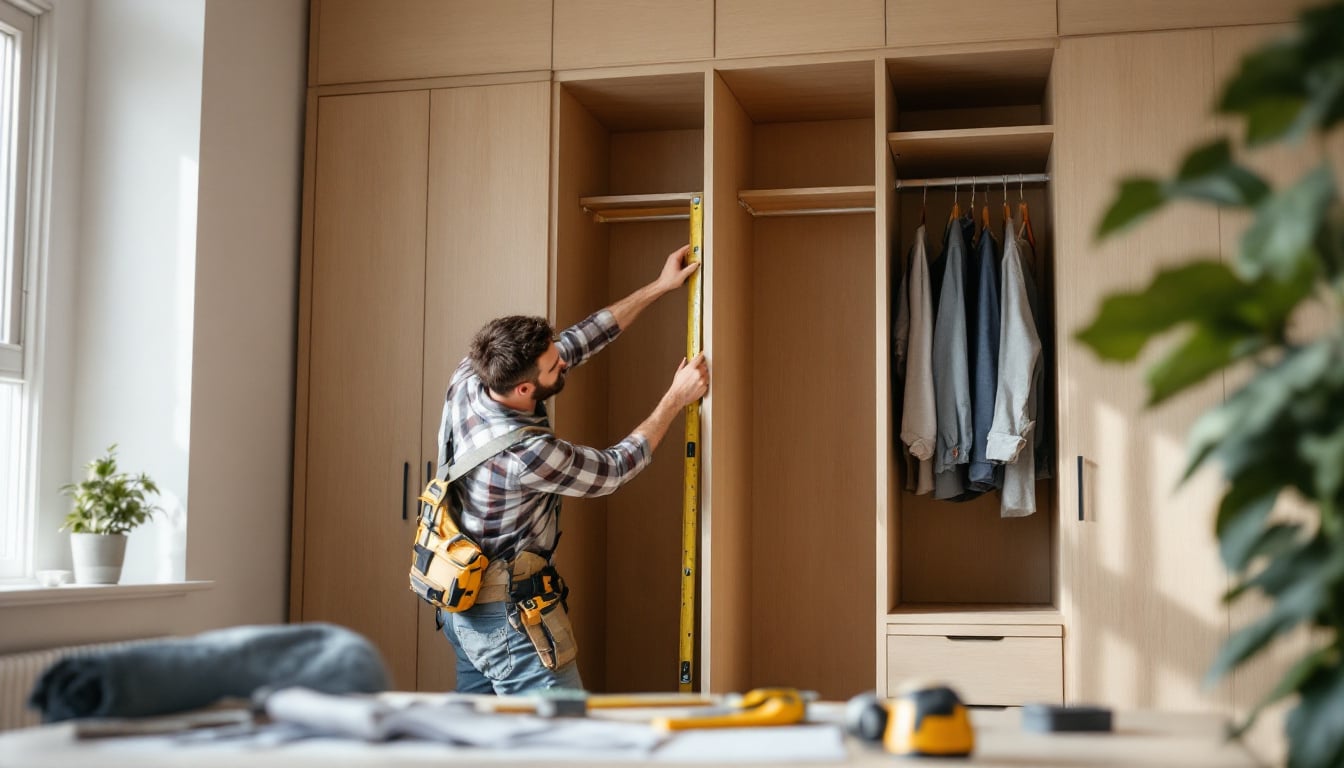
The fastest fitting teams usually do more work before they arrive on site. They verify measurements, pre-build components, and confirm access issues early. A useful workflow is measure, confirm, manufacture, pre-fit check, then install. If any one step is skipped, the schedule slips later. That is why quick fitting depends more on preparation than on working faster with tools on the day.
Start with the space, not the product
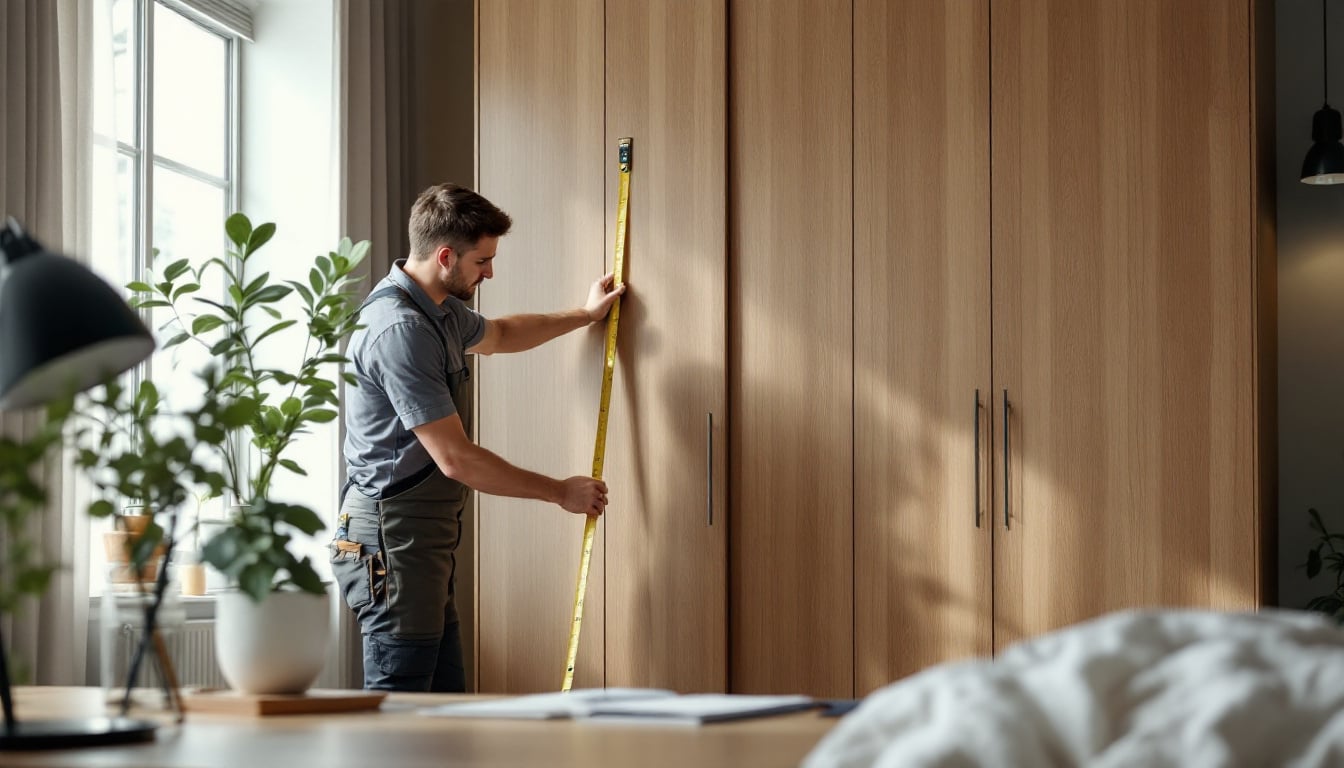
Rooms that look simple often hide the problems that slow installation. Sloped ceilings, uneven walls, skirting depth, and pipe runs can all add time if they are found late. A good measuring guide is the first filter because it shows whether the job is standard or needs extra planning. If you have awkward spaces, the more useful question is not “can it fit?” but “what needs adapting before fitting starts?”
What to check before you commit
Before you book a design visit or virtual consultation, confirm three things: access, wall conditions, and any fixed obstacles. A room may only need one extra outlet moved or one section of plaster repaired, but that work can add days to the overall timeline. The decision rule is practical: if the room needs significant prep, quick fitting is still possible, but only if prep is separated from install day.
The planning details that protect speed
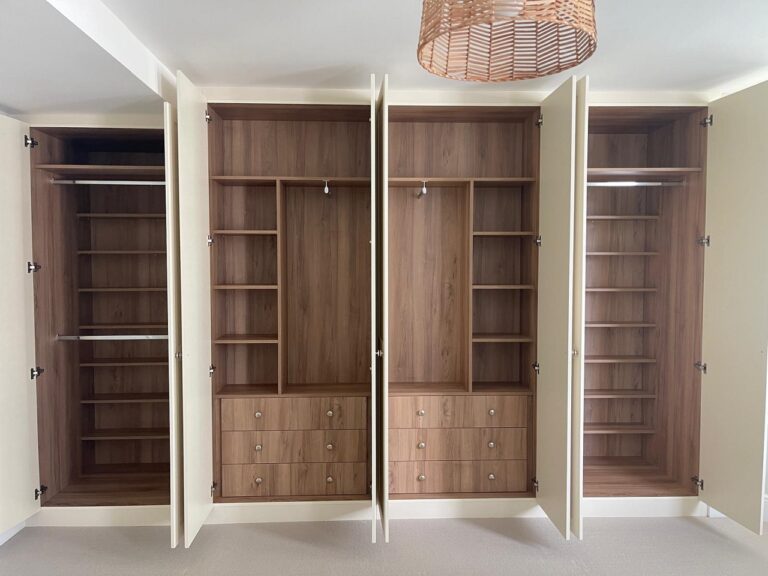
A quick fitting job is easier when the design is realistic from the start. Standard carcass depths, consistent finishes, and fewer last-minute design changes all reduce downtime. In fitted wardrobes and built wardrobes projects, the biggest delay is often not installation, but revision. If a layout changes after sign-off, every change ripples through production and fitting. The fix is simple: lock the layout before fabrication begins.
Design choices that keep installation clean
Straightforward door runs, sensible panel widths, and clear opening clearances all help a fitter work efficiently. Sliding systems can save space, while hinged doors are often simpler to service later. The trade-off is access versus simplicity. For a room with limited clearance, a sliding wardrobe may be the better choice, but a hinged option can be easier to install when wall conditions are inconsistent.
Where quick fitting usually slows down
The common bottlenecks are not dramatic. They are usually small issues repeated across a job: missing measurements, unclear specification notes, and unprepared walls. Even a ten-minute delay can turn into a lost afternoon if the installer has to wait for a decision. That is why quick fitting works best when the project brief is complete before the first part is cut.
Quick fitting for wardrobes, alcoves, and lofts
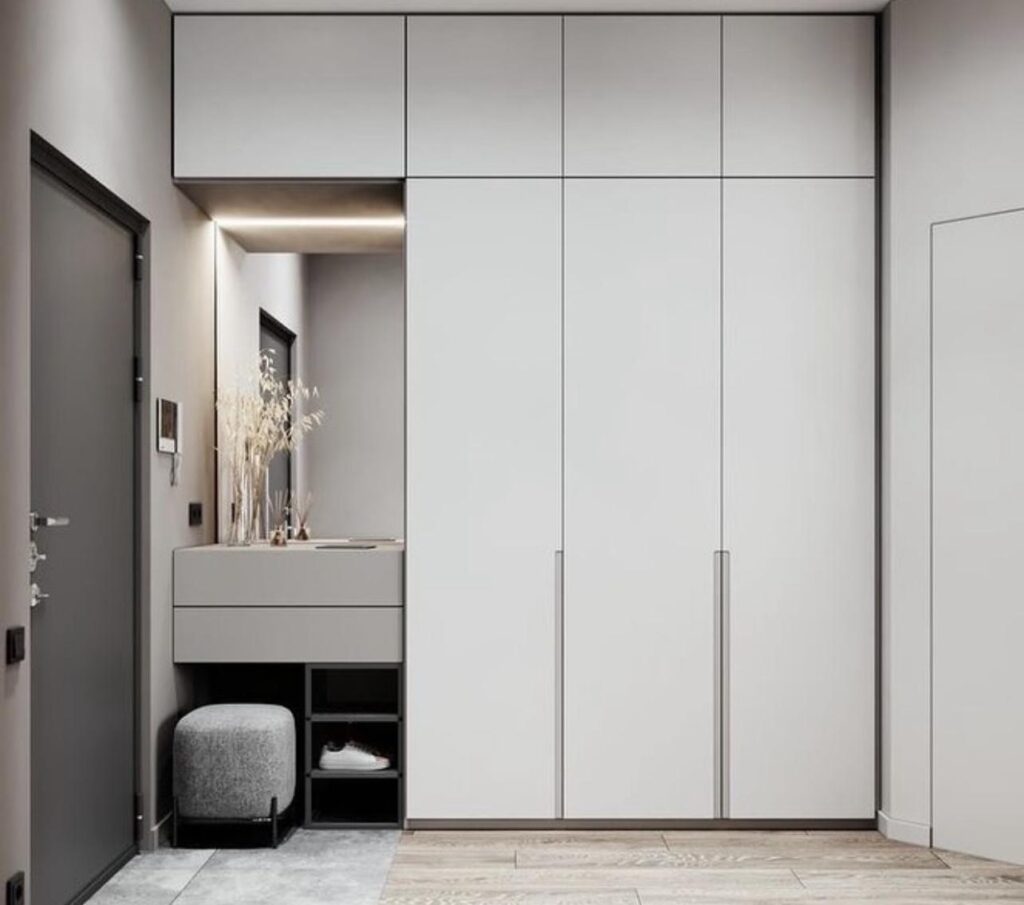
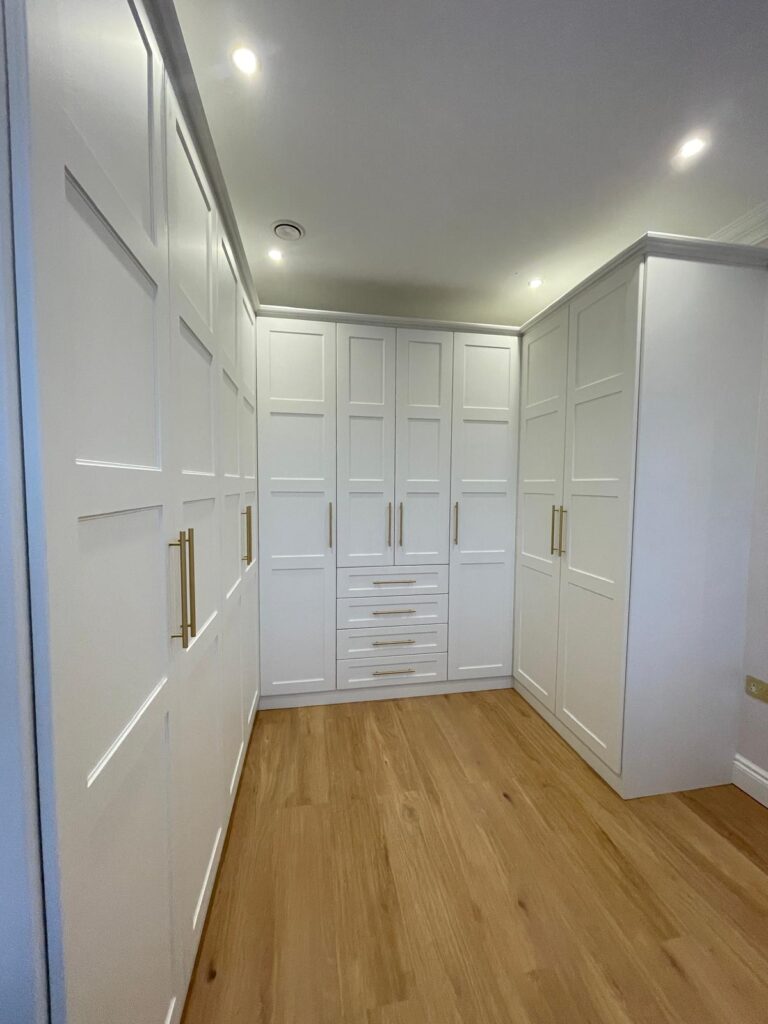
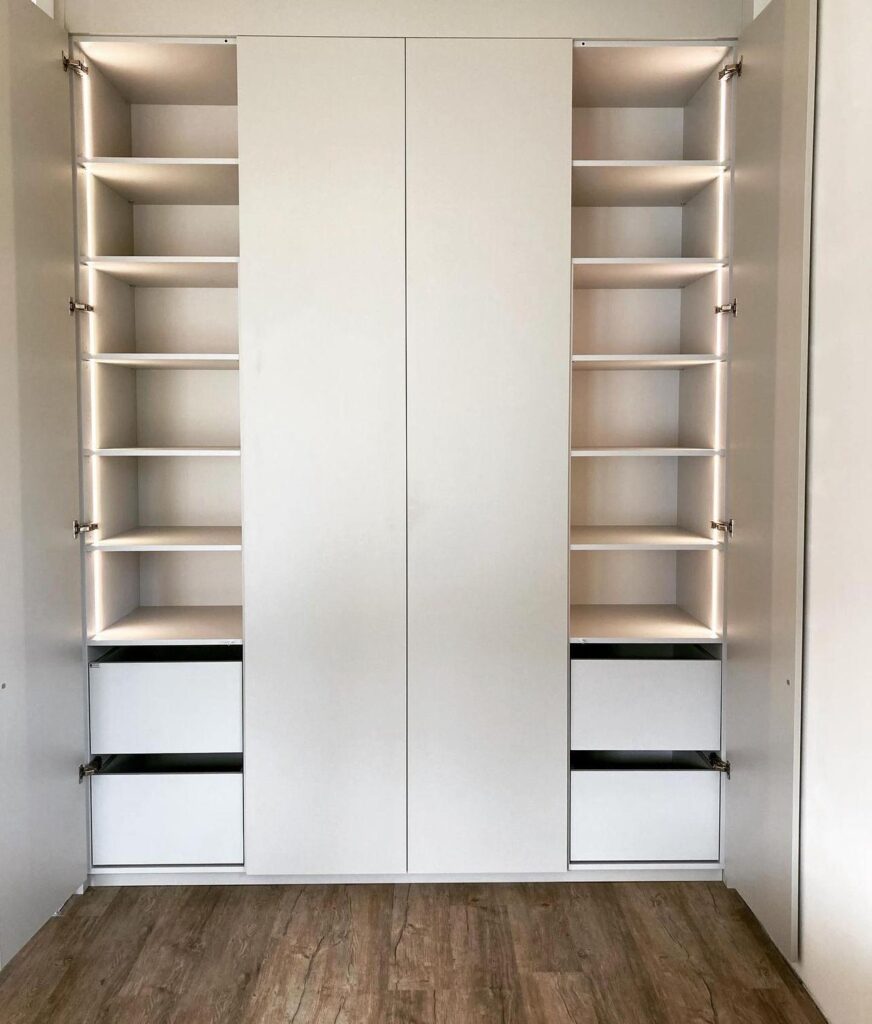
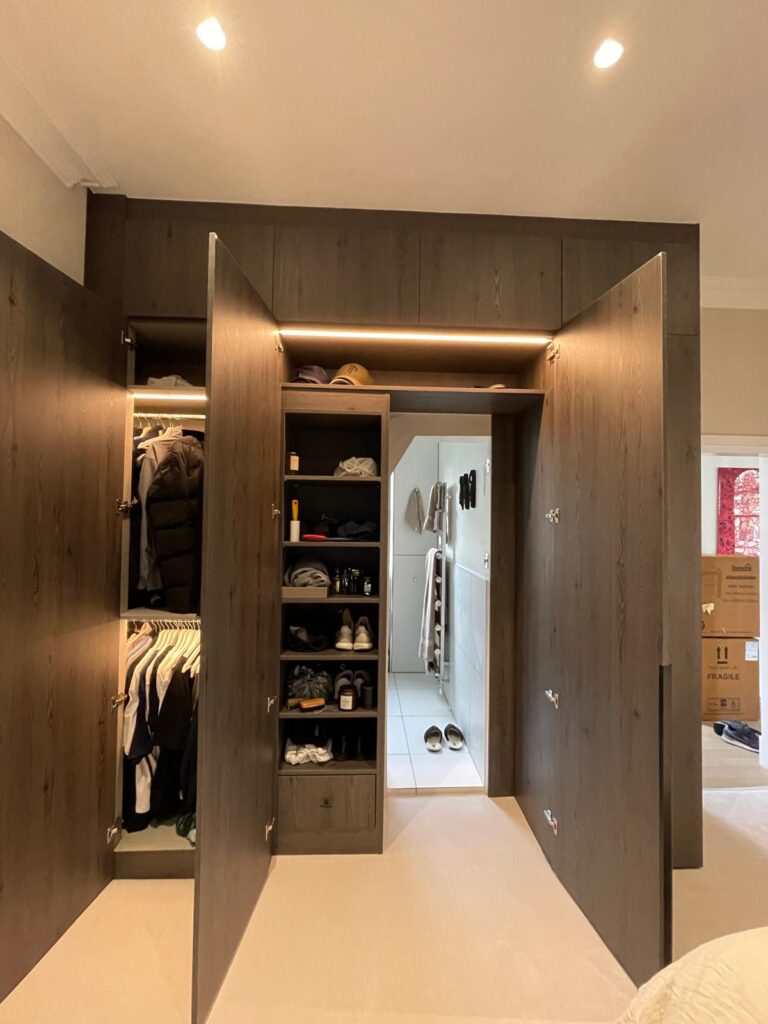
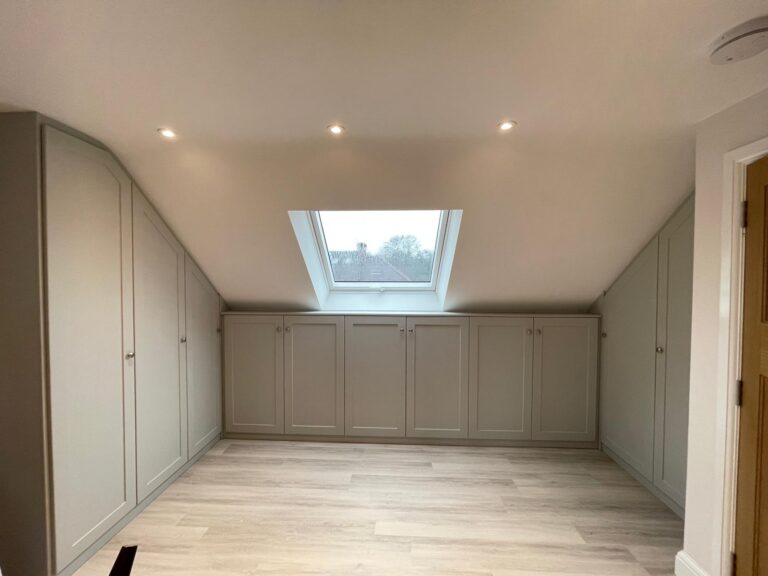
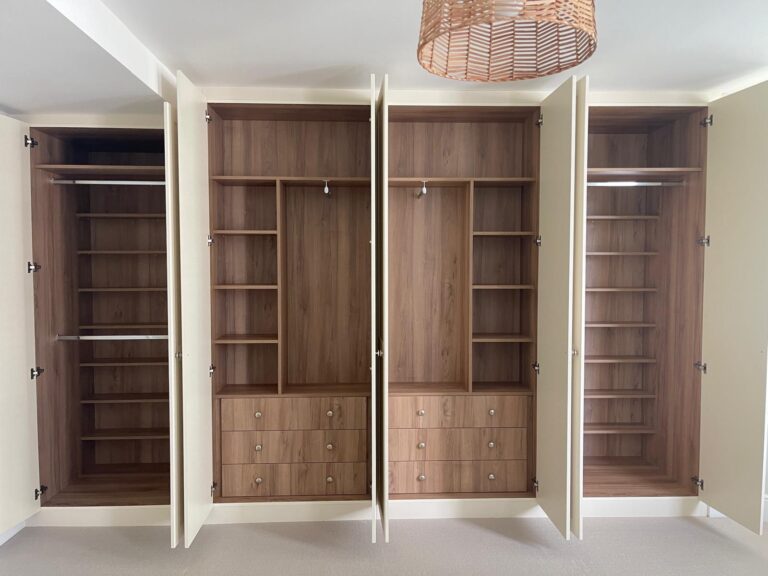
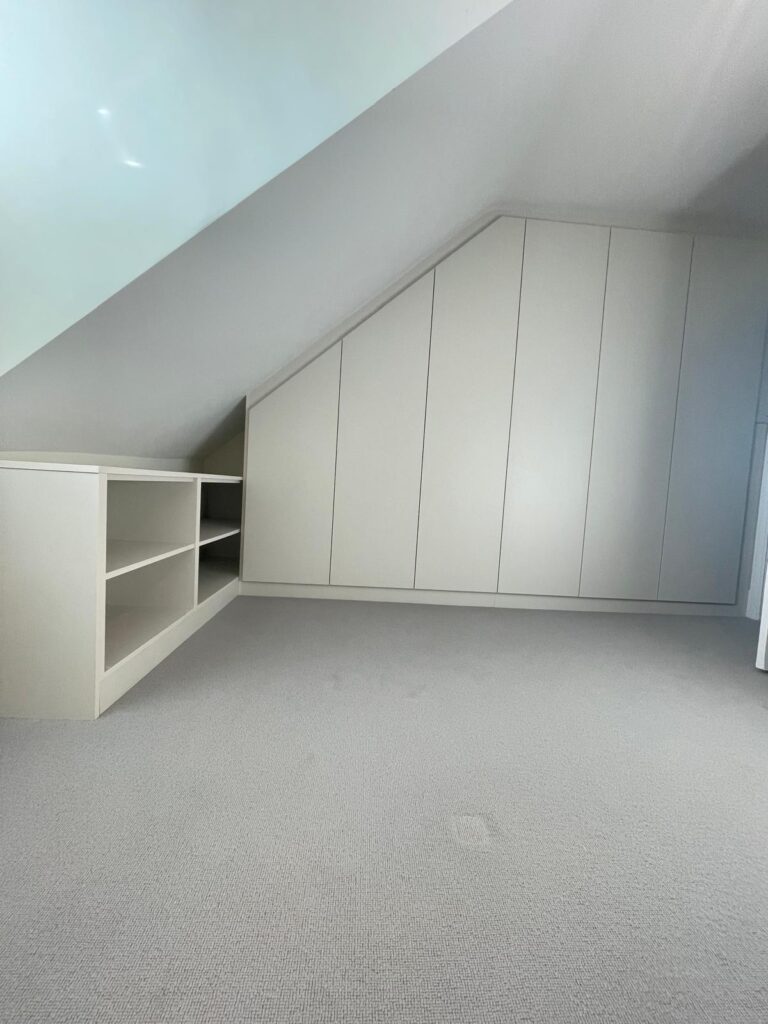
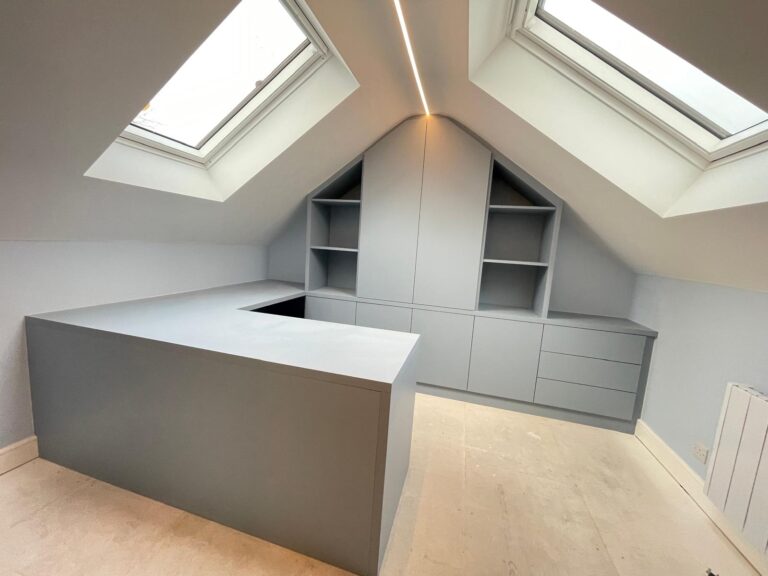
Quick fitting is especially relevant for bespoke fitted wardrobes, alcove cabinets, and sloped cupboards because these jobs depend on precise planning. A fitted solution in an alcove may only take a short install window if the dimensions are right and services are clear. Loft wardrobes are more sensitive because angles and access can complicate delivery. The practical test is whether the design can be installed in logical sections without forcing on-site fabrication.
Alcoves need clean dimensions
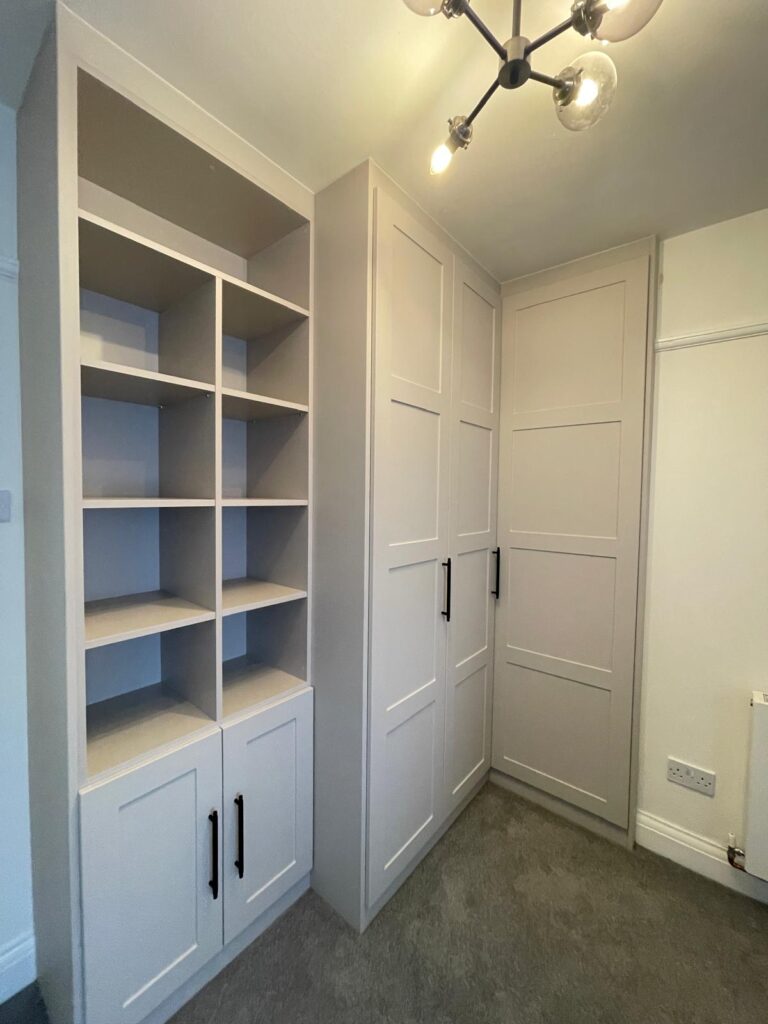
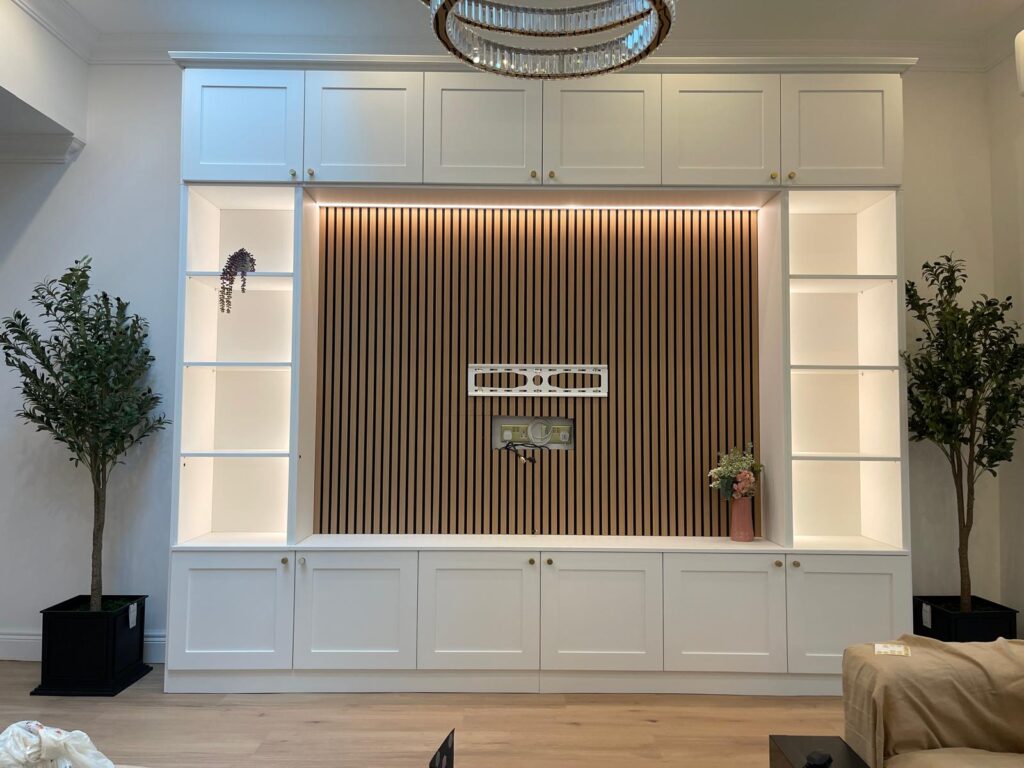
Alcove cabinet design can be quick to install when the opening is measured properly and wall deviations are recorded. If the sides taper or the skirting is uneven, the installer may need scribing time to close gaps. A useful rule is to measure the top, middle, and bottom widths, then the same for height. That extra data often prevents the most common fitting surprise.
Lofts demand a tighter process
Loft wardrobes often look straightforward in drawings but need more care in reality. Slopes, limited stair access, and awkward corners make delivery and assembly more delicate. Quick fitting here depends on module sizing and a clear sequence for moving parts into place. If access is narrow, smaller components can save time even if the design takes longer to manufacture.
Materials and hardware that help or hurt the schedule
Not all finishes are equal when speed matters. Some materials handle trimming and fitting adjustments better than others, while brittle finishes can chip during installation. Hardware quality matters too because weak hinges or awkward runners create callbacks. A good quick fitting spec is one that tolerates minor site variation without needing a full remake. That is a practical advantage, not just a style preference.
Choose components that allow small adjustments
In real homes, walls are rarely perfectly square. Components with adjustable feet, flexible scribe panels, or forgiving edge details make fitting smoother. This is where a bespoke furniture manufacturer has an advantage if they design for installation, not only for appearance. The best fitting jobs usually come from systems that absorb small imperfections rather than exposing them.
Understand the cost of over-specifying
Heavy detailing, complex paint systems, and multi-stage finishing can all slow the process. That does not mean you should downgrade the design, only that you should decide where detail matters most. If the room is small, a clean and durable finish often matters more than intricate styling. The trade-off is straightforward: more visual complexity usually means less flexibility on install day.
How to judge whether a quick fitting promise is real
A quick fitting promise is only useful if it comes with clear boundaries. Ask whether the timing refers to manufacturing, delivery, or the full installation window. A site can say fitting is quick while leaving out design approval or remedial work. The safest decision framework is to ask for the full sequence in writing, including what happens if measurements change or access is delayed.
Questions that expose weak planning
Ask how measurements are checked, whether parts are pre-assembled, and what happens when a wall is out of plumb. Also ask whether the team handles awkward spaces or only standard rooms. If the answers are vague, quick fitting may be more sales language than operating reality. Clear answers usually mention a measurable process, such as a defined measuring stage or a fixed install sequence.
The value of aftercare and warranty
Speed matters less if the finish fails later. A warranty tells you whether the provider expects the product and installation to hold up. It also shows whether they have a process for resolving issues without turning a minor adjustment into a long dispute. For fitted furniture, the real quality signal is not the installation day alone, but how the work behaves over time.
A practical quick fitting checklist
Before signing off a project, use a short checklist. Confirm room measurements, access, wall condition, and design lock-in. Check whether the supplier can handle your exact room type, whether the lead time includes manufacturing, and whether the fitting team will need extra prep on site. If any item is uncertain, the job should be re-scoped before it reaches the install stage.
Quick decisions that reduce avoidable delays
The best quick fitting projects are decided early. Choose the layout with the fewest moving parts that still solves the storage problem, and avoid design changes after approval. If you need to compare options, choose fitting furniture that can be adapted on site without visible compromise. That is usually more valuable than chasing the most ambitious layout.
When to slow down on purpose
There are times when fast fitting is the wrong priority. If the room needs electrical changes, plaster repairs, or structural corrections, those tasks should be completed first. Rushing past them often leads to repeated visits, poor alignment, or visible gaps. A disciplined project accepts a slower start so the final install is genuinely quicker and cleaner. Careful staging also protects the quality of the finished work when the site conditions are unstable. In older buildings, walls and floors may not be perfectly square, and moisture levels can change after recent repairs or seasonal shifts. Installing before those conditions settle can cause movement later, which shows up as misaligned panels, sticking doors, or trim that pulls away from the surface. Slowing down is especially wise when multiple trades are working in the same area. Electricians, painters, tilers, and installers can easily interfere with one another if the sequence is not managed well. A cabinet or fixture placed too early may block access for wiring or coating, while a late correction can damage freshly finished surfaces. The best pace is the one that keeps each trade from undoing the work of the others. This pause is also useful for checking measurements again after the prep work is complete. A wall that was out of plumb before plastering may change slightly once the surface is rebuilt, and a floor that looked level may reveal a new high spot after old materials are removed. Reconfirming dimensions at that stage prevents small errors from becoming expensive custom adjustments. It is often faster overall to verify twice than to force a bad fit once.
Key Points
Quick fitting works best when preparation is done before installation day. Measurements, access, and wall conditions matter more than the speed of the tools on site. Fewer design changes usually mean fewer delays and less rework. Alcoves and lofts need tighter planning than standard rooms because they expose measurement errors faster. Materials and hardware should allow small adjustments, not fight them. A real quick fitting promise should explain the full process, not just the install window.
How to use quick fitting to choose a provider
If you are comparing options, put quick fitting into a wider decision, not a single headline claim. Look for evidence that the provider understands awkward spaces, offers clear measuring support, and can explain how they protect finish quality during installation. Mentioning a measuring guide or booking a design visit is useful only if the process is actually structured. For a project such as bespoke fitted wardrobes, that structure is what keeps the timeline dependable.
Where quick fitting fits best in the home
The strongest use cases are rooms with clear storage needs and limited tolerance for disruption, such as bedrooms, hallways, and dressing areas. In these spaces, a clean install and predictable schedule matter more than highly experimental design. If you also need built-in cupboards or bespoke interior doors, it helps to keep the same planning standard across the whole project so one phase does not slow down the next.
A practical next step
The easiest way to move from research to action is to check your room against the basics, then speak to a specialist who can confirm whether quick fitting is realistic for your layout. If you are already measuring awkward spaces or comparing bespoke fitted wardrobes, the next step is to book a design visit or virtual consultation and ask for a clear sequence from measure to install. That gives you a better timeline and a cleaner result.
Frequently Asked Questions
What is quick fitting in fitted furniture?
Quick fitting means a fast, well-planned installation process with minimal rework and disruption. In practice, it depends on accurate measurements, pre-planned components, and a clear install sequence.
How do I know if quick fitting is realistic for my room?
Check for awkward spaces, sloped ceilings, uneven walls, and limited access before you commit. A measuring guide and a design review help confirm whether the room needs extra prep or can move straight into installation.
Does quick fitting mean lower quality?
Not if the process is done properly. Good quick fitting should still protect alignment, finish quality, and durability, which is why prep and manufacturing matter more than rushing on install day.
What slows quick fitting down the most?
Late design changes, incomplete measurements, and unprepared walls are the biggest delays. For quick fitting of bespoke fitted wardrobes or alcove cabinet design, the project is fastest when the layout is fixed before fabrication.
Is quick fitting suitable for loft wardrobes?
Yes, but loft wardrobes usually need tighter planning because of slopes, access, and awkward angles. The best quick fitting outcomes come from modular parts that can be installed cleanly without on-site fabrication.
What should I ask before booking quick fitting?
Ask whether the timeline includes measuring, manufacturing, delivery, and installation. It also helps to ask how the team handles built wardrobes in awkward spaces and what happens if walls are not perfectly square.
How can I compare quick fitting providers fairly?
Compare the process, not just the promise. A strong provider will explain their measuring workflow, installation sequence, and warranty terms, which is more useful than a vague claim about speed.