











What ranking pages cover first
A quick review of top-ranking pages for vanity units shows a clear pattern: most searchers want help with selection, sizing, materials, and fitting, not just a definition. The strongest pages usually lead with product types, then move into bathroom size, storage, installation, and style choices. That structure matches the real decision process, because people compare vanity units against room constraints before they compare finishes. The best opportunity is to answer those decisions in one place, with enough detail that a reader can move from inspiration to specification without opening ten tabs.
A practical outline that matches search intent
The article below follows the same logic as the pages that rank well, but with more operational detail. It starts with what vanity units are, then covers sizing, materials, storage, installation, design choices, and buying checks. That matters because vanity units sit at the intersection of plumbing, storage, and layout, and a weak decision in any one of those areas creates avoidable rework. A useful guide should therefore help the reader compare fitted vanity units, built-in bathroom storage, and bespoke bathroom furniture without drifting into vague style advice.

Useful long-tail terms to work in
The article naturally includes terms such as bathroom vanity unit ideas, small bathroom vanity units, wall hung vanity unit, freestanding vanity unit, bespoke vanity units, vanity unit with basin, under sink storage, moisture resistant bathroom furniture, compact bathroom storage, and made to measure vanity units. It also folds in related phrases like fitted bathroom furniture, soft close drawers, basin compatibility, pipe concealment, and water resistant finishes. These terms help capture the practical variations people actually search for when they are comparing products or planning a bathroom update.
Vanity units: what they do and where they fit
Vanity units do two jobs at once. They hide the basin plumbing and create usable storage, which is why they are often the most efficient piece of furniture in a bathroom. In search terms, that means vanity units attract people looking for storage, cleaner visuals, and a more finished room, not just a sink cabinet. If you are comparing options, start with the room function first, then style. A unit that looks good but blocks movement or wastes pipe space is the wrong unit, even if the finish is premium.
How to choose the right type
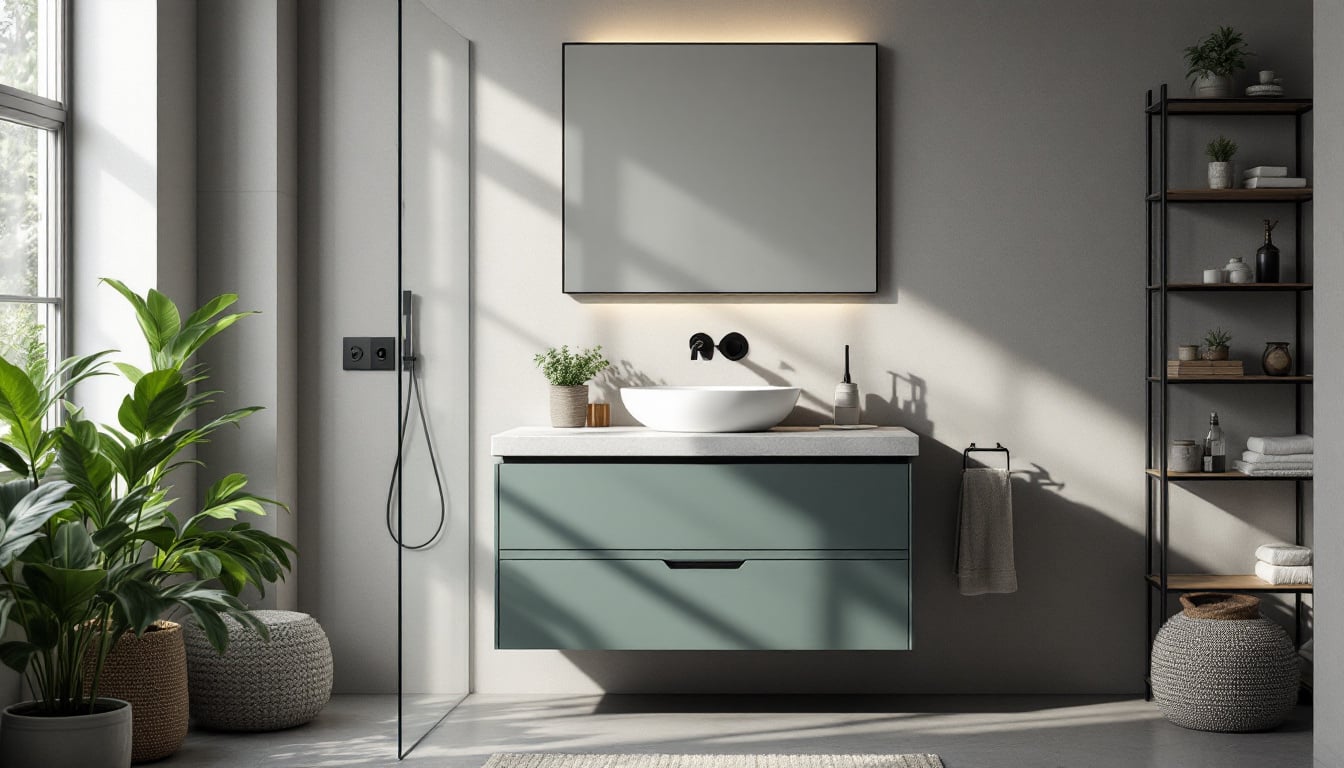
The first decision is whether the space needs a wall hung vanity unit, a freestanding vanity unit, or a bespoke fitted option. Wall hung units make a room feel lighter and make floor cleaning easier, but they need a strong wall and careful pipe planning. Freestanding units are simpler to place and often suit traditional layouts, but they can feel bulkier in small rooms. Bespoke vanity units are the best fit when the room has awkward dimensions, offset plumbing, or a need for exact storage, especially in tighter layouts where every centimetre counts.
Size, clearance, and the mistakes that cost time
Sizing vanity units is not just about width. You also need clearance for doors, drawers, basin overhang, and legroom at the front of the room. A good working rule is to measure the wall width, then subtract what the basin, skirting, and nearby fixtures actually occupy, rather than assuming the nominal cabinet size will fit cleanly. One common mistake is forgetting pipe routes and service access behind the unit. The fix is simple: map the plumbing before ordering, and check that drawers can open fully without hitting a door frame or toilet edge.
Checklist for accurate measuring
Before choosing vanity units, take three sets of measurements: wall width at the top and bottom, projection from wall to the nearest obstacle, and the exact position of waste pipes and supply lines. If the room has uneven walls, use the smallest dimension, not the average. That prevents ordering a unit that only fits where the wall happens to be straight. A precise measuring guide is especially useful when comparing made to measure vanity units with standard sizes, because the real difference often shows up in just a few centimetres.
Storage that works in daily use
Good vanity units are judged by how they handle daily clutter, not by showroom symmetry. Drawers are usually better than deep cupboards for small items because they keep toothpaste, shaving tools, and cosmetics visible and reachable. Cupboards are still useful when you need to store taller products or cleaning supplies. The key trade-off is access versus capacity. If the basin trap takes up space, a shallow drawer with a shaped cut-out can be more useful than a larger cabinet that becomes a dead zone around the plumbing.
Best internal layouts for real homes
Inside vanity units, the smartest layouts are the ones that work around the waste trap instead of pretending it is not there. Soft close drawers with U-shaped cut-outs, removable shelf sections, and adjustable dividers usually outperform fixed shelves. If the bathroom is shared, split storage by use, with one side for daily items and one for backups. That avoids the common problem where vanity units become a single overfilled box, which slows down cleaning and makes the sink area feel messy even when the cabinet is large enough.
Materials and finishes that hold up
Bathroom furniture lives in a wet, warm environment, so material choice matters more than surface style. Moisture resistant MDF, sealed veneers, and properly edged panels tend to perform better than untreated or poorly finished boards. The visible finish should be judged alongside the substrate, because a beautiful laminate over the wrong core still swells or degrades if the room is damp. The practical question is not whether vanity units look premium on day one, but whether they still align doors, hold hardware, and resist edge wear after regular use.
What to look for in a wet room environment
In a room that sees frequent showers or poor ventilation, check the edge sealing, hinge quality, and underside protection of vanity units. Water usually damages the weakest point first, often around cut edges and screw fixings. A simple decision rule helps here: if the room is humid and ventilation is limited, prioritise sealed construction and easy-clean finishes over delicate detailing. That trade-off is worth it because maintenance time is lower and the unit is less likely to need repair before the rest of the bathroom ages.
Installation choices and fitting realities
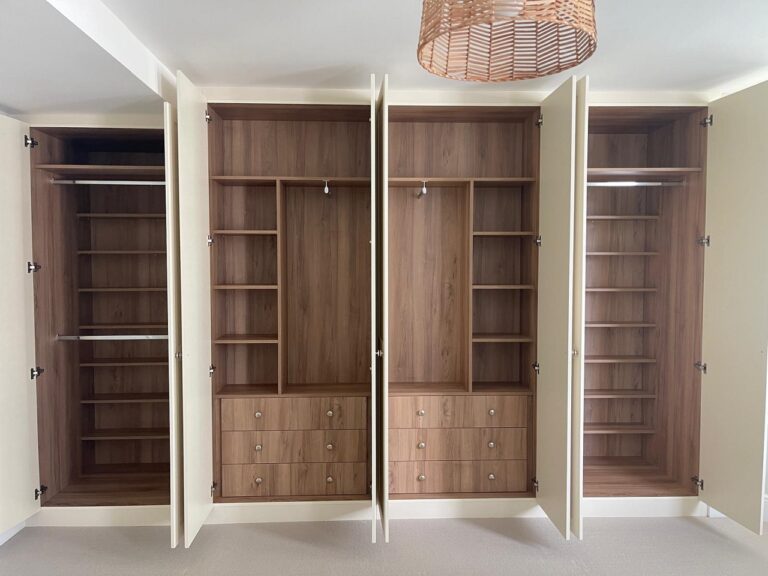
Installation should be planned as part of the product choice, not after it. Vanity units that look straightforward on paper can become awkward if the wall is uneven, the floor is out of level, or the waste pipe sits higher than expected. For that reason, the fitting sequence matters: confirm the wall condition, mark pipe positions, test opening clearances, then fix and seal. If you are using bespoke fitted wardrobes knowledge as a reference point, the same principle applies here, exact measurement and site checks reduce costly adjustments later.
When a custom fit is worth it
A custom or bespoke vanity unit becomes worthwhile when standard sizes leave wasted gaps, expose pipework, or interrupt circulation. It is also the better option when the room needs the unit to align with other fitted bathroom furniture or alcove features. The trade-off is lead time and planning effort. If you need to compare options, use a simple rule: choose standard sizing when the room is uncomplicated, and choose bespoke vanity units when the layout is irregular enough that standard cabinetry would look forced or create storage loss.
Style decisions that should serve function
Style still matters, but it should support the room rather than dominate it. A slim handle profile, a handleless front, or a shaker-style door can all work, depending on the overall interior. What matters more is whether the front design allows the doors or drawers to open cleanly and whether the finish hides fingerprints and water marks. Bathroom vanity unit ideas are best treated as practical design decisions. If the room is compact, visually light fronts and a wall hung format can make the layout feel less crowded without changing the footprint.
How to balance trend and longevity
A useful filter for vanity units is whether the design will still feel appropriate after the rest of the room changes. Very specific colours and high-contrast accents can date quickly, while neutral wood tones, matte whites, and warm greys usually stay flexible. That does not mean boring. It means choosing a base that can handle future taps, mirrors, and flooring changes. If you want a more distinctive look, introduce it through hardware or basin shape, not through a cabinet finish that is hard to live with over time.
Buying checks before you commit
Before ordering vanity units, confirm the basin compatibility, waste position, drawer depth, and service access. These four details catch most avoidable problems. It also helps to ask whether the unit is designed for a vanity unit with basin configuration or supplied as furniture only, because that changes the fitting sequence. A good check list includes delivery dimensions, access into the property, wall fixings, and whether skirting or boxing-in will affect the final depth. That kind of pre-check prevents delays more effectively than comparing finish samples alone.
The comparison process that saves rework
If you are comparing products, do not compare only price and colour. Compare internal volume, material thickness, hinge quality, and how much pipework each unit conceals. A narrow but intelligently designed vanity unit can be more useful than a wider one with wasted internal space. This is where a compare approach helps, because the real choice is usually between a neat standard unit and a smarter bespoke solution. The better decision is the one that leaves the room easier to use and easier to maintain.
Key Points
Vanity units work best when storage, plumbing, and circulation are planned together, not treated as separate decisions. Size should be measured from real wall conditions, pipe positions, and door swing, not from a catalogue width alone. Drawers often outperform deep cupboards in daily use, especially in smaller bathrooms. Moisture resistant construction and proper edge sealing matter more than decorative finish details in humid rooms. Bespoke vanity units are worth considering when standard sizes create dead space, expose pipework, or force awkward compromises. The smartest choice is the one that fits the room and reduces maintenance over time.
When bespoke furniture is the better route
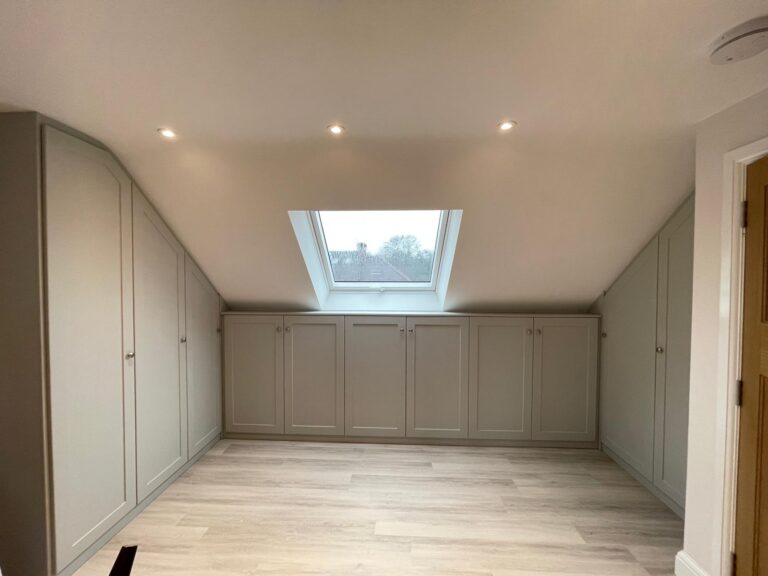
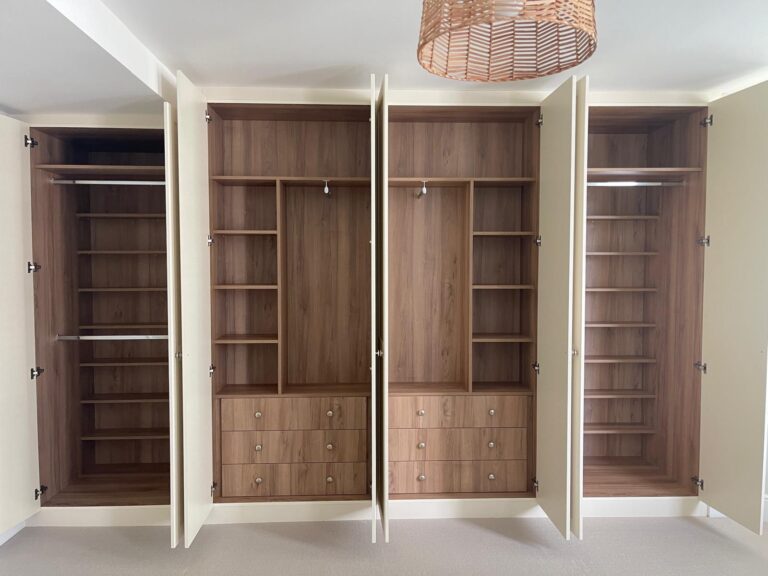
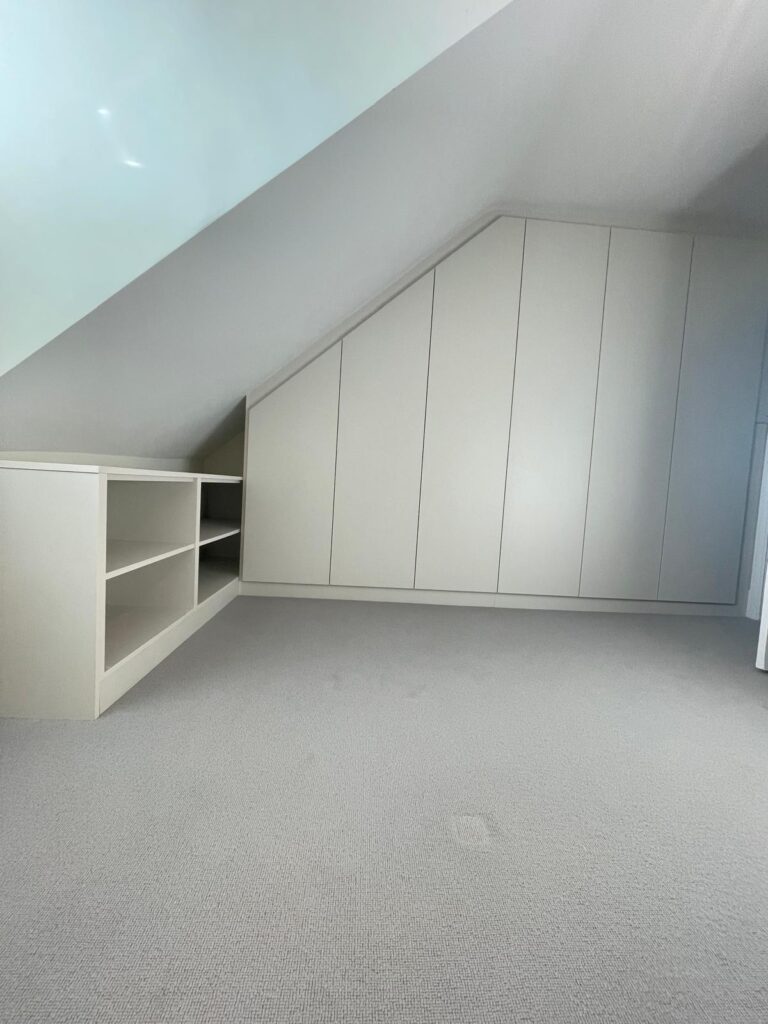
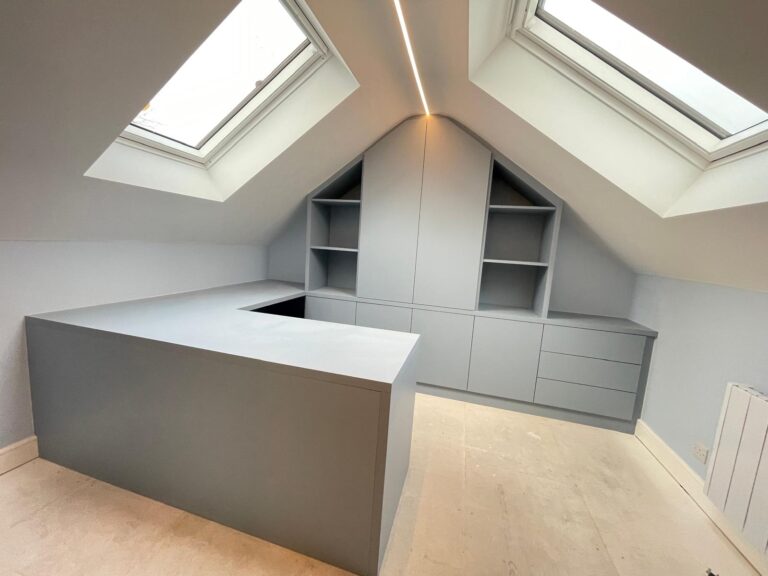
If your bathroom already has awkward spaces, boxed-in plumbing, or an alcove that would otherwise go unused, bespoke vanity units can solve more than storage. They let you match the unit to the exact wall line, basin size, and room rhythm. That is especially helpful when the bathroom is part of a larger fitted scheme, where built wardrobes or alcove cabinet design already set the tone. The practical benefit is consistency: one planned piece can make the whole room feel intentional instead of patched together from separate purchases.
Why local measurement and design visits matter
A design visit or virtual consultation is useful when the room has any unknowns, especially around pipes, wall condition, or uneven floors. Even a well-made measuring guide cannot reveal every constraint, so a site check often saves time later. The best use of a consultation is to confirm three things: what will fit, what should be hidden, and what should be left accessible. If those are clear early, vanity units become easier to specify, easier to fit, and less likely to need costly adjustments during installation.
How vanity units support wider bathroom planning
Vanity units are rarely an isolated purchase. They affect mirror placement, lighting, towel access, and how the room feels when someone enters it. That is why the surrounding pieces matter. If the unit is low and wide, the wall above it becomes useful for storage or a mirror cabinet. If it is compact and wall hung, the floor line stays open and the bathroom can feel larger. The decision framework is simple: choose the unit that improves the whole room layout, not just the sink wall.
A practical final way to choose
The most reliable way to choose vanity units is to rank your priorities in order: fit, moisture resistance, storage layout, and style. Once those are set, compare products against the room rather than against each other in isolation. If the layout is straightforward, standard vanity units may be enough. If the room is tight, uneven, or part of a more tailored interior, made to measure vanity units will usually repay the extra planning. For readers who want a cleaner, more exact result, a bespoke furniture manufacturer approach is often the most efficient route.
Frequently Asked Questions
What are vanity units used for?
Vanity units combine a basin base with storage and pipe concealment, so they solve two problems at once. In a practical bathroom layout, they help with under sink storage while keeping the room looking tidy and easy to clean.
How do I choose the right size vanity units?
Start with wall width, pipe positions, and clearance for doors or drawers. A measuring guide is helpful because the correct size depends on the real room dimensions, not the nominal cabinet width.
Are wall hung vanity units better for small bathrooms?
Often yes, because a wall hung vanity unit keeps the floor visible and can make a compact room feel lighter. The trade-off is that the wall must be strong enough and the plumbing needs to be planned carefully.
What materials are best for moisture resistant bathroom furniture?
Moisture resistant MDF, sealed veneers, and well-finished edges are usually safer choices than untreated boards. The best vanity units also use quality hinges and proper edge sealing so humid air and splashes do less damage over time.
When should I choose bespoke vanity units instead of standard sizes?
Choose bespoke vanity units when you have awkward spaces, off-centre plumbing, or a layout that wastes storage with standard furniture. Made to measure vanity units are usually the better fit when exact alignment and pipe concealment matter more than quick availability.
Can vanity units include extra storage without looking bulky?
Yes, if the internal layout is planned well. Drawer dividers, shaped cut-outs for the trap, and shallow compartments often give better compact bathroom storage than one oversized cupboard.
What should I check before ordering a vanity unit with basin?
Confirm basin compatibility, waste location, drawer depth, and access for installation. It also helps to check delivery dimensions and whether the unit needs special fixing for wall hung or fitted bathroom furniture setups.