








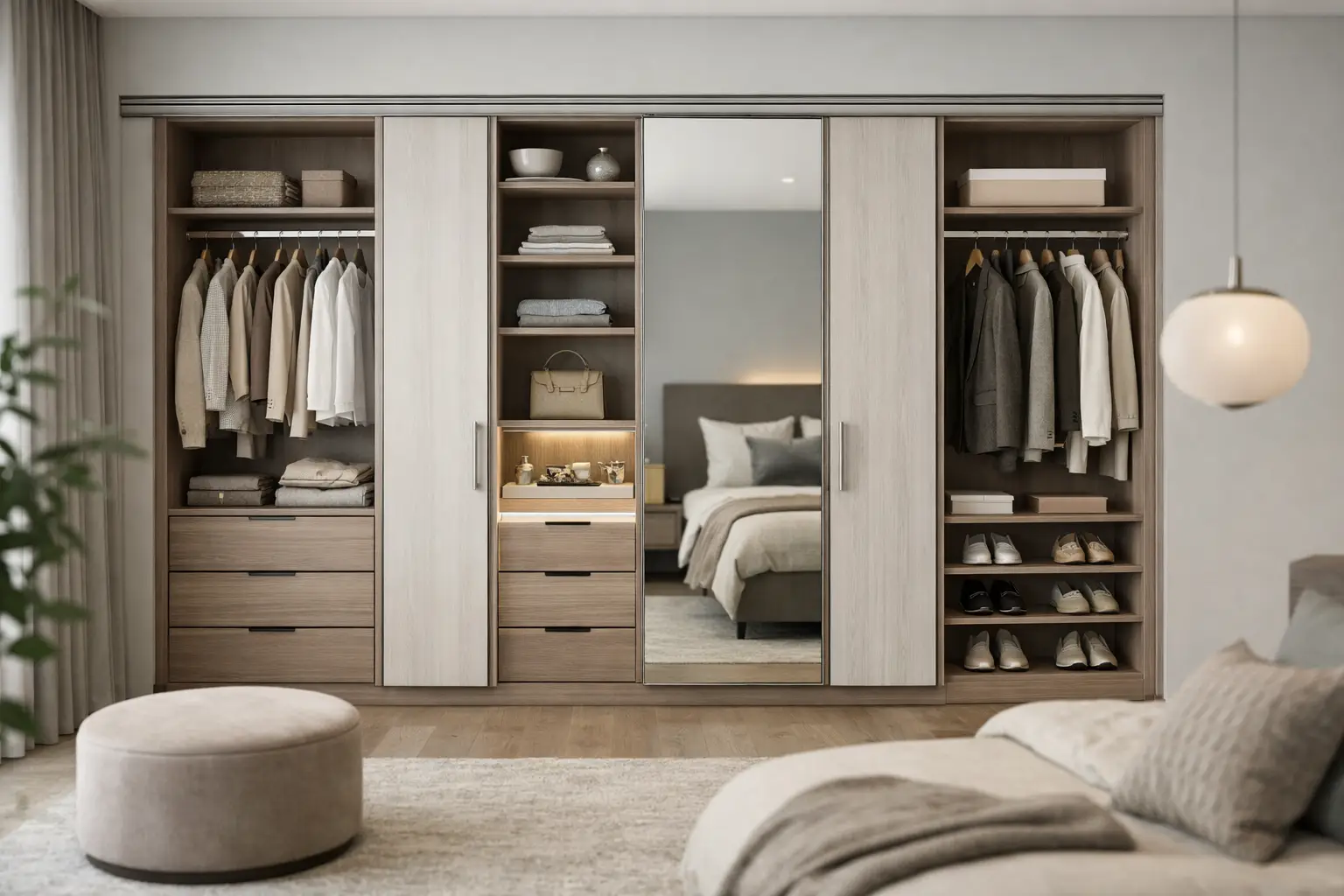
A wardrobe can change the whole feel of a bedroom long before you think about paint, flooring or lighting. The fitted wardrobe trends 2026 homeowners are responding to are less about showy features and more about creating rooms that feel calm, organised and properly tailored to the way they live.
That shift matters because bedrooms are working harder than they used to. They need to store more, look quieter and cope with awkward layouts without feeling crowded. In 2026, the strongest fitted wardrobe ideas are the ones that blend design and practicality so well that the storage feels like part of the architecture rather than an add-on.
Fitted wardrobe trends 2026 are moving towards quieter design
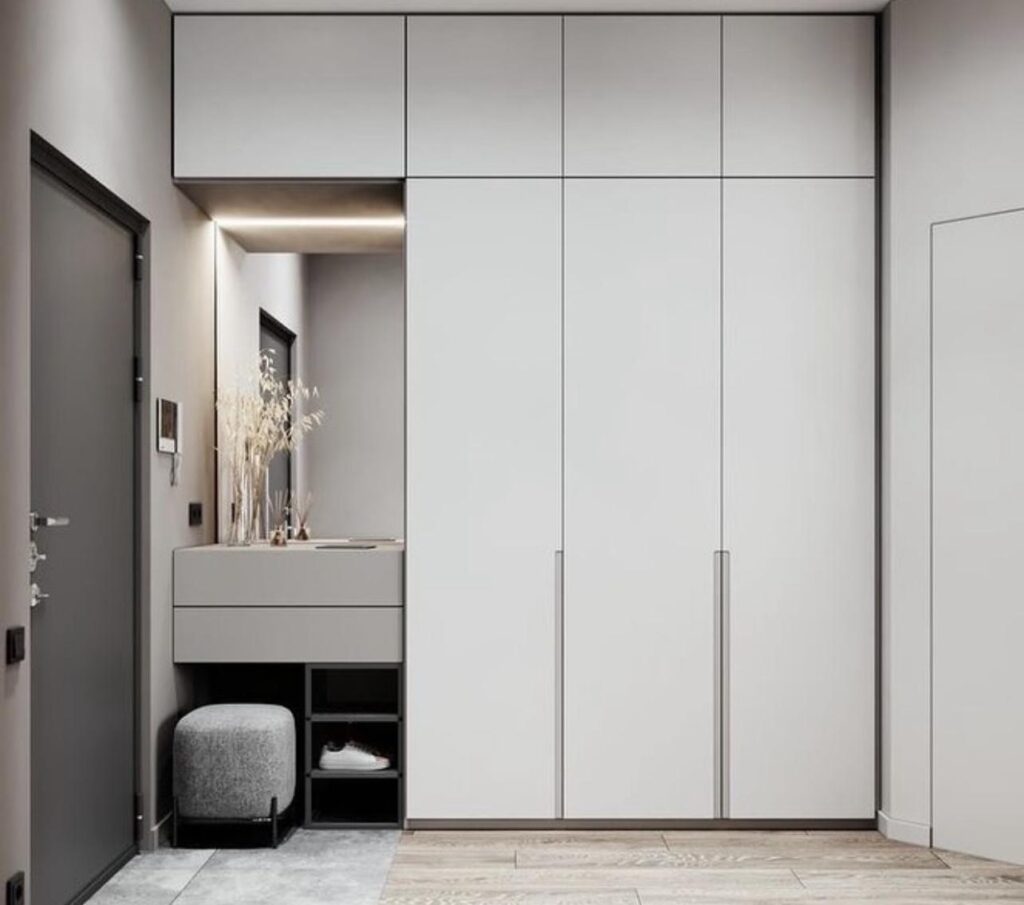
For several years, bold finishes and statement furniture had a strong place in bedroom design. Now the direction is softer. Homeowners are choosing fitted wardrobes that sit comfortably within the room, with clean lines, considered proportions and finishes that feel timeless rather than trend-led.
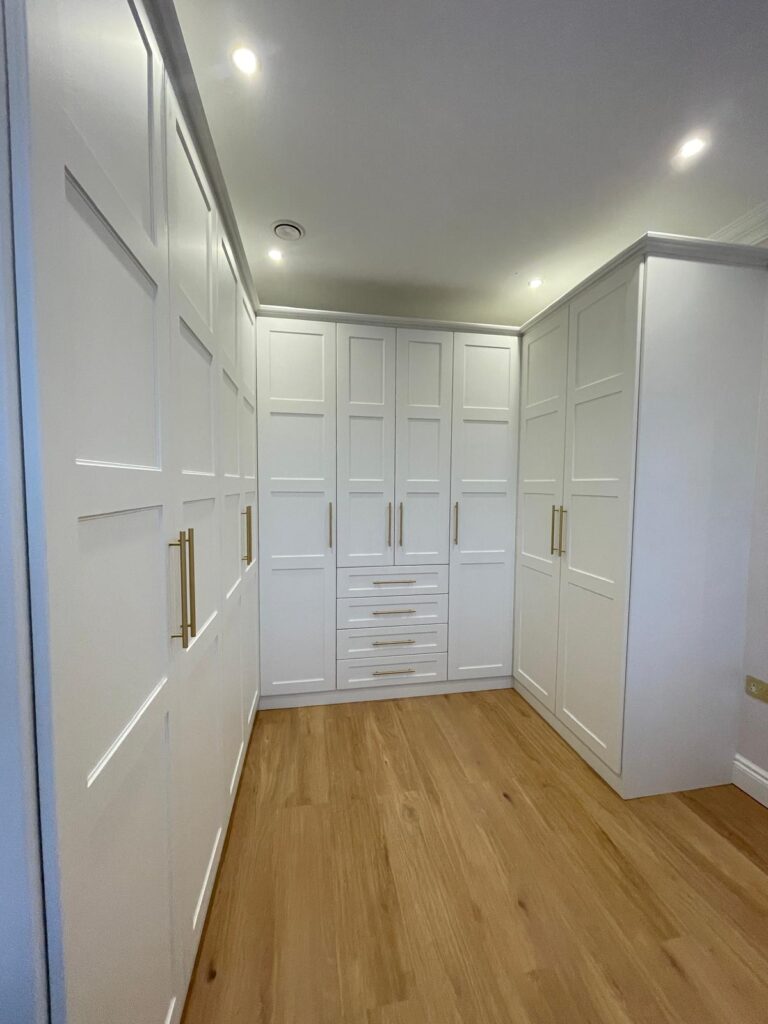
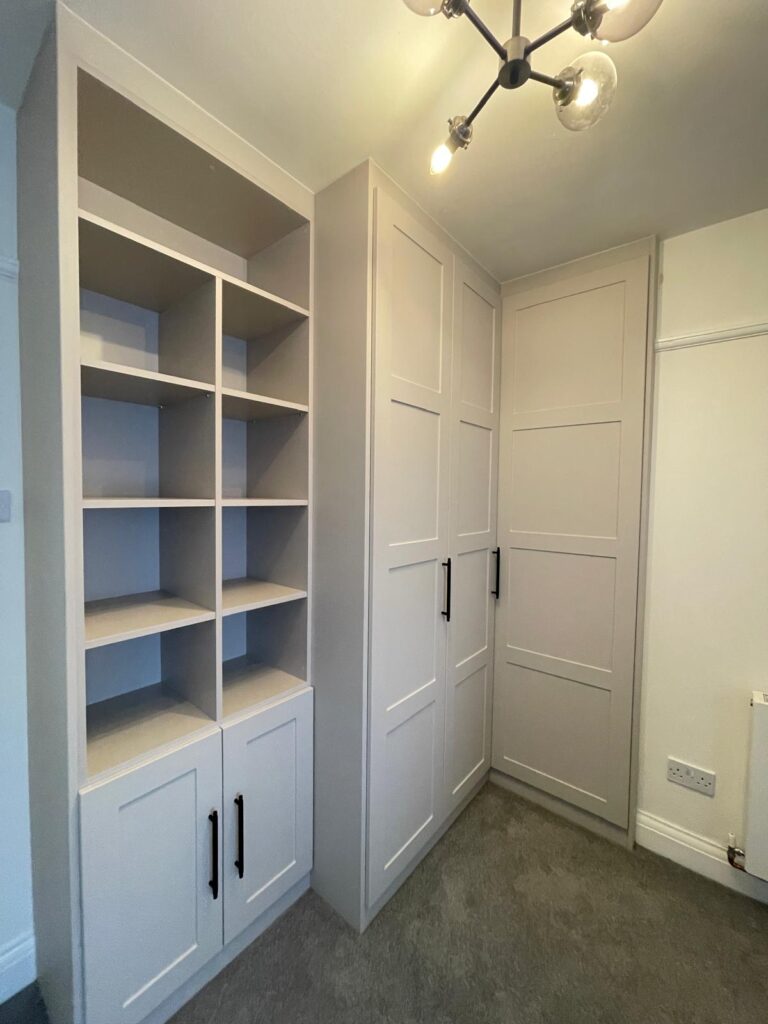
That does not mean every wardrobe is plain. It means the detailing is more disciplined. Subtle shaker profiles, slim framed doors, warm wood effects and matt painted finishes are all likely to remain popular because they add character without making the room feel busy. In smaller bedrooms especially, this quieter approach helps the space feel larger and more settled.
There is also a growing preference for wardrobes that stretch wall to wall and floor to ceiling. This makes practical sense because it captures every inch of storage, but it also gives a more architectural finish. A fully fitted run looks intentional, and that sense of order is part of the appeal.
The rise of warm neutrals and natural texture
One of the clearest style changes for 2026 is the move away from colder greys towards warmer, more welcoming tones. Think soft taupe, stone, cashmere, clay and off-white paired with wood grain textures that bring warmth into the room.
This works particularly well in British homes, where natural light can vary dramatically through the day. Cooler finishes sometimes look flat in north-facing bedrooms or spaces with limited sunlight. Warmer neutrals tend to hold their depth better and make the room feel more comfortable year-round.
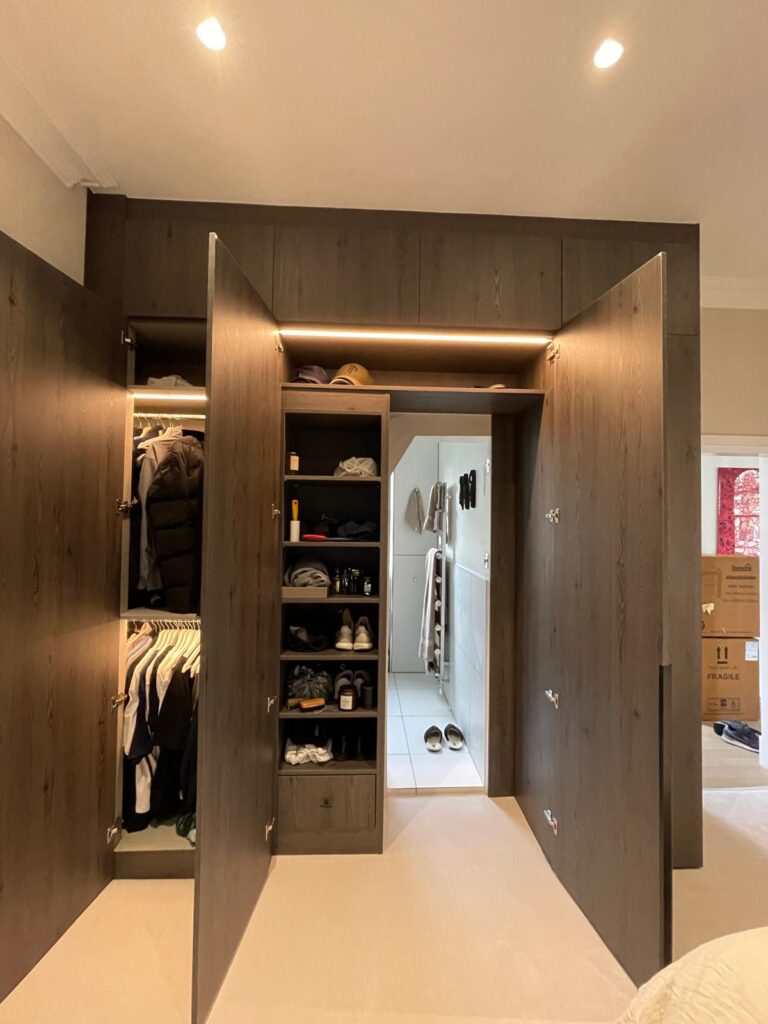
Wood effect wardrobes are also evolving. Rather than very glossy or heavily patterned finishes, the look is more refined – natural oak-inspired tones, muted walnut effects and textured surfaces that complement upholstered beds, soft flooring and layered lighting. The result feels less like fitted storage and more like a composed interior.
Smarter wardrobe interiors are becoming the real luxury
Beautiful doors matter, but in 2026 the interior layout is where bespoke wardrobes really earn their place. Homeowners are increasingly aware that a wardrobe should not simply hide clutter. It should make daily routines easier.
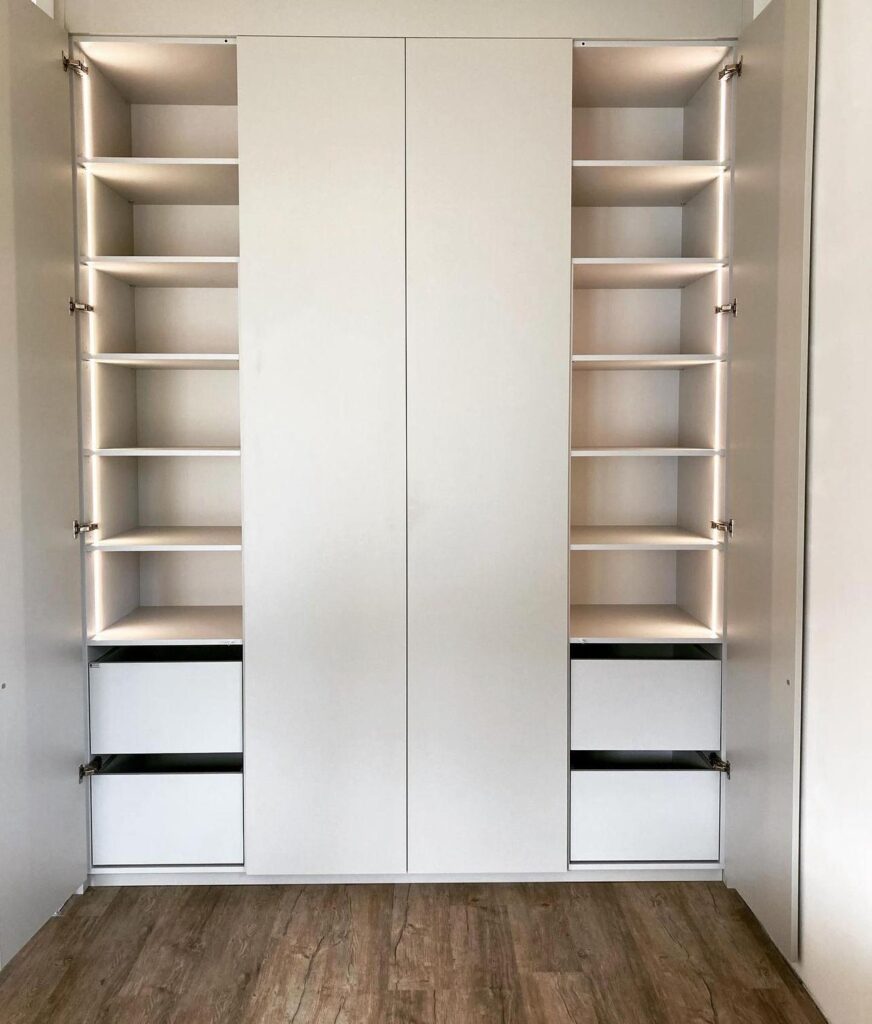
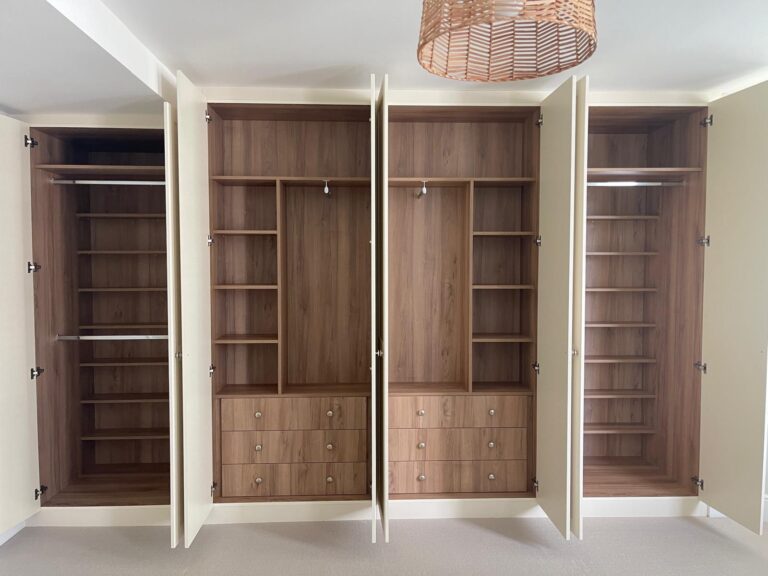
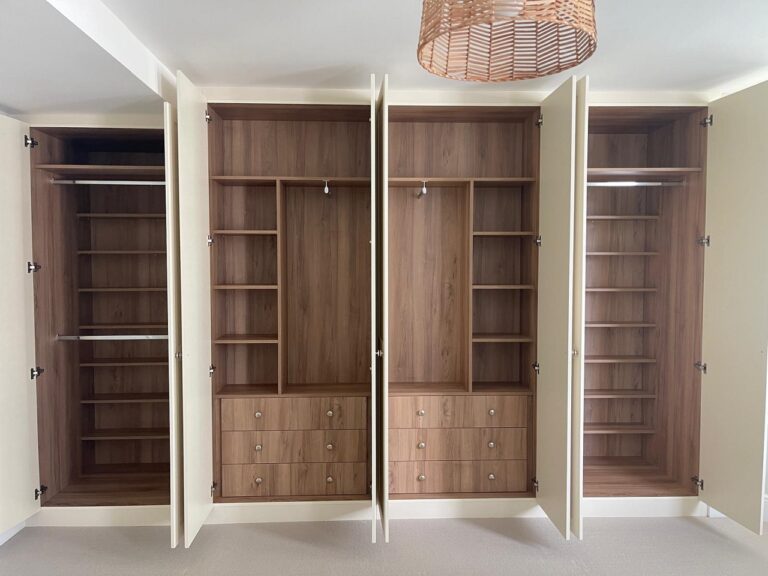
That means more attention on how storage is divided. Double hanging is still useful, but it is often being balanced with longer hanging sections for dresses and coats, wide drawers for knitwear, open shelving for bags and dedicated spaces for shoes. Jewellery trays, pull-out rails and internal mirrors are also becoming more common, not because they are flashy, but because they improve usability.
The important point is that there is no single perfect interior. A couple sharing one wall of storage will need a different arrangement from a family using fitted wardrobes in a child’s room or a loft bedroom with sloping ceilings. The best results come from planning around clothing types, morning routines and the reality of what needs to be stored.
A beautifully made wardrobe with the wrong internal layout will always feel like a compromise. A tailored interior, on the other hand, can make even a compact room feel generous.
Sliding, hinged and walk-in styles each have their place
When people talk about trends, door style often comes up quickly. Yet this is one area where the right choice depends less on fashion and more on the room itself.
Sliding wardrobes continue to appeal in tighter bedrooms because they save clearance space and can give a very streamlined appearance. They suit contemporary interiors particularly well, especially with simple panels or glass and matt combinations. The trade-off is that you only access one section at a time, so the internal planning needs to be particularly thoughtful.
Hinged doors are still a strong choice for homeowners who want full access to the wardrobe at once and more flexibility in internal compartments. They can look modern or classic depending on the front design, and they often work beautifully in period homes where a softer, more furniture-like finish is preferred.
Walk-in wardrobes remain aspirational, but in 2026 they are becoming more practical and less theatrical. Rather than oversized dressing-room concepts, many homeowners are looking for compact walk-in spaces that use a spare room, alcove or corner efficiently. The emphasis is on visibility, order and everyday ease.
Awkward spaces are becoming design opportunities
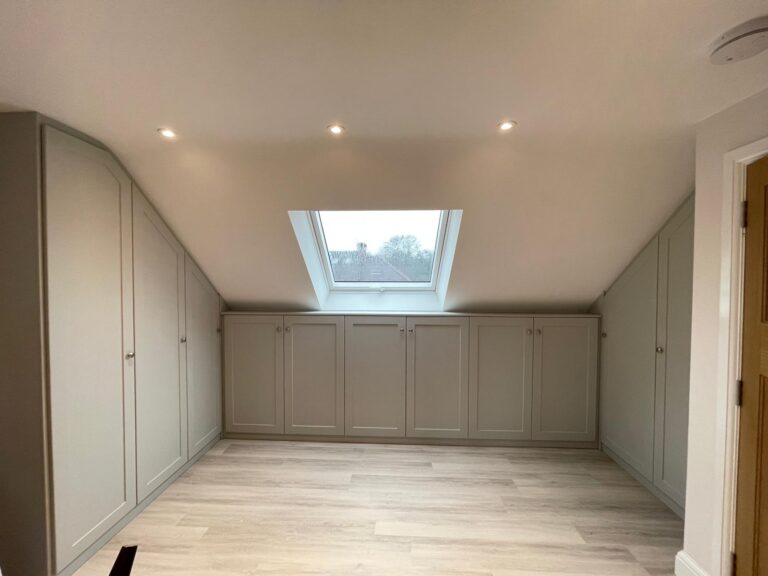
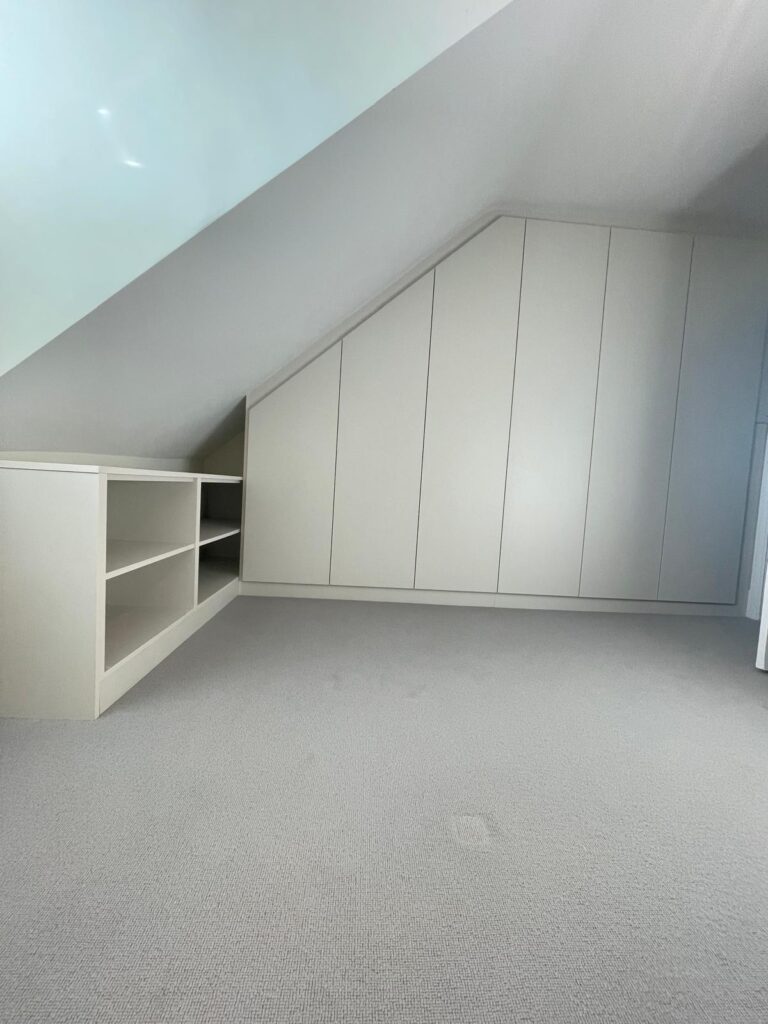
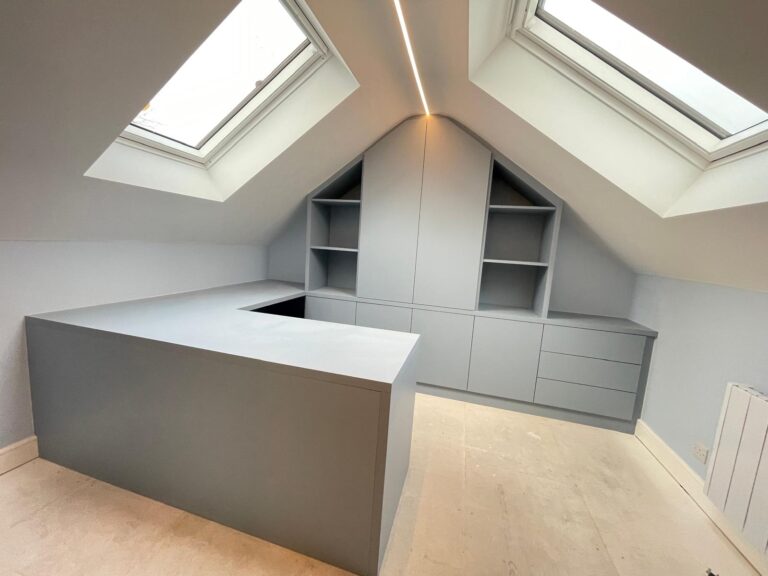
Some of the most exciting fitted wardrobe trends 2026 will be seen in the spaces that used to be overlooked. Lofts, alcoves, chimney breasts, eaves and over-bed areas are all being treated more intelligently.
This is where bespoke furniture has a clear advantage over freestanding pieces. A sloping ceiling or narrow alcove can be frustrating with standard furniture, but with made-to-measure joinery it becomes useful square footage. That is particularly valuable in London and South West London homes, where making the most of the footprint is often more important than finding extra room.
Over-bed fitted units are also returning in a more refined way. Older versions could feel bulky, but newer designs are cleaner and better proportioned, often combined with bedside storage and wardrobes to create a balanced, integrated wall. In box rooms and smaller main bedrooms, that kind of layout can transform storage without overwhelming the space.
Integrated lighting is becoming more discreet
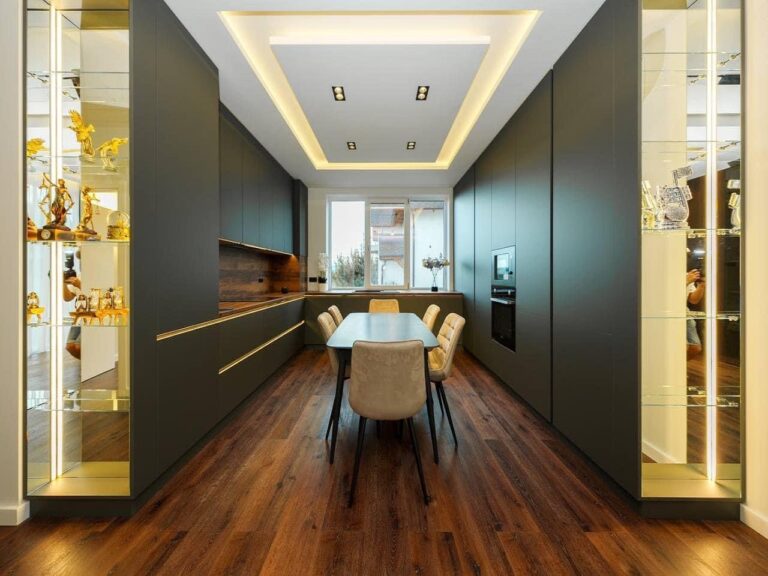
Lighting inside wardrobes is not new, but the way it is being used is changing. In 2026, the preference is for subtle integrated lighting that supports visibility without turning the wardrobe into a feature for its own sake.
Soft internal LEDs are especially useful in darker bedrooms or wardrobes built into alcoves where daylight does not reach well. They help you see colours clearly, locate smaller items quickly and keep the interior feeling premium. Done well, the effect is elegant rather than dramatic.
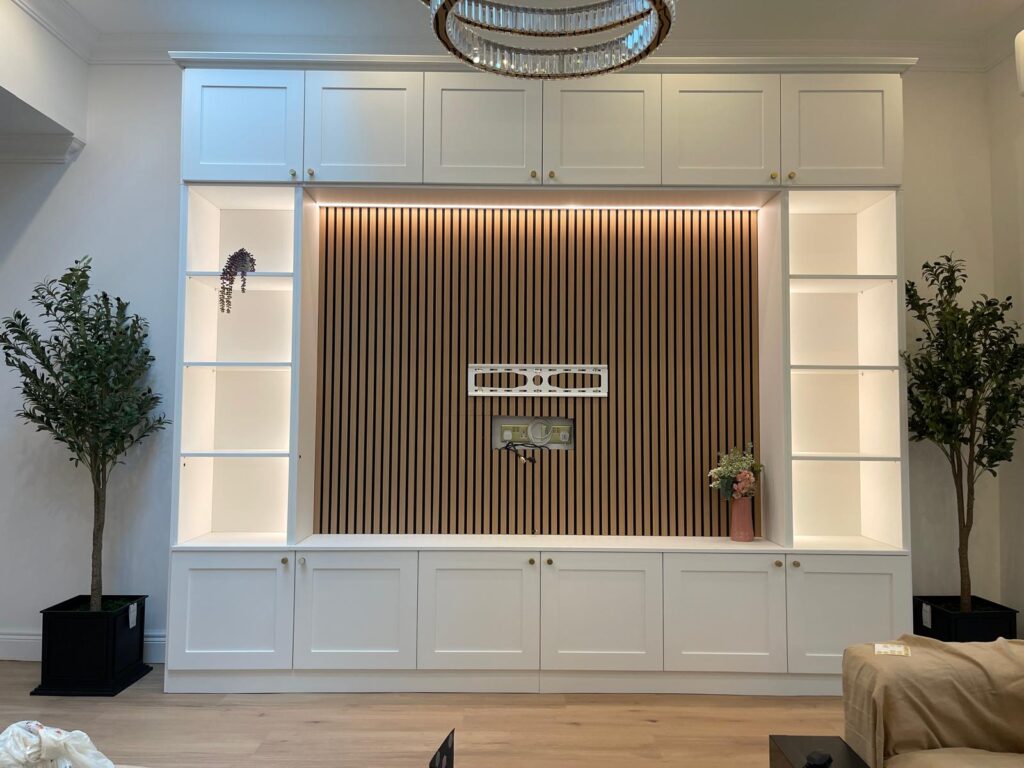
External lighting around fitted wardrobes can also work, although restraint is important. Too much illumination can make a bedroom feel less restful. The most successful schemes usually support the room’s overall atmosphere rather than competing with it.
Personalisation matters more than trend-following
The strongest design direction for 2026 is not one single finish or one particular door style. It is personalisation. Homeowners are moving away from buying storage based on a showroom look alone and are thinking more carefully about how fitted furniture supports daily life.
That could mean a wardrobe designed around formalwear and office clothing, a family bedroom layout with accessible drawers for children, or a loft solution shaped precisely around reduced head height. It could also mean blending wardrobes with a media wall, vanity, home office joinery or alcove storage so the whole room feels connected.
This is also why transparent pricing and a clear installation process matter. Bespoke furniture should feel considered, not complicated. When the design, manufacture and fitting are properly handled, the finished result looks calm and effortless, even though a great deal of planning sits behind it.
For homeowners considering an upgrade, the lesson from 2026 is simple. Choose fitted wardrobes that suit your space, your habits and the style of your home, rather than chasing whatever looks newest for a season. The wardrobes you continue to love are usually the ones that make the room easier to live in every single day.
If your bedroom has an awkward corner, a clutter problem or a layout that never quite works, that is often the best place to start – because the most valuable trend is not a colour or a door finish, but storage that feels made for you.