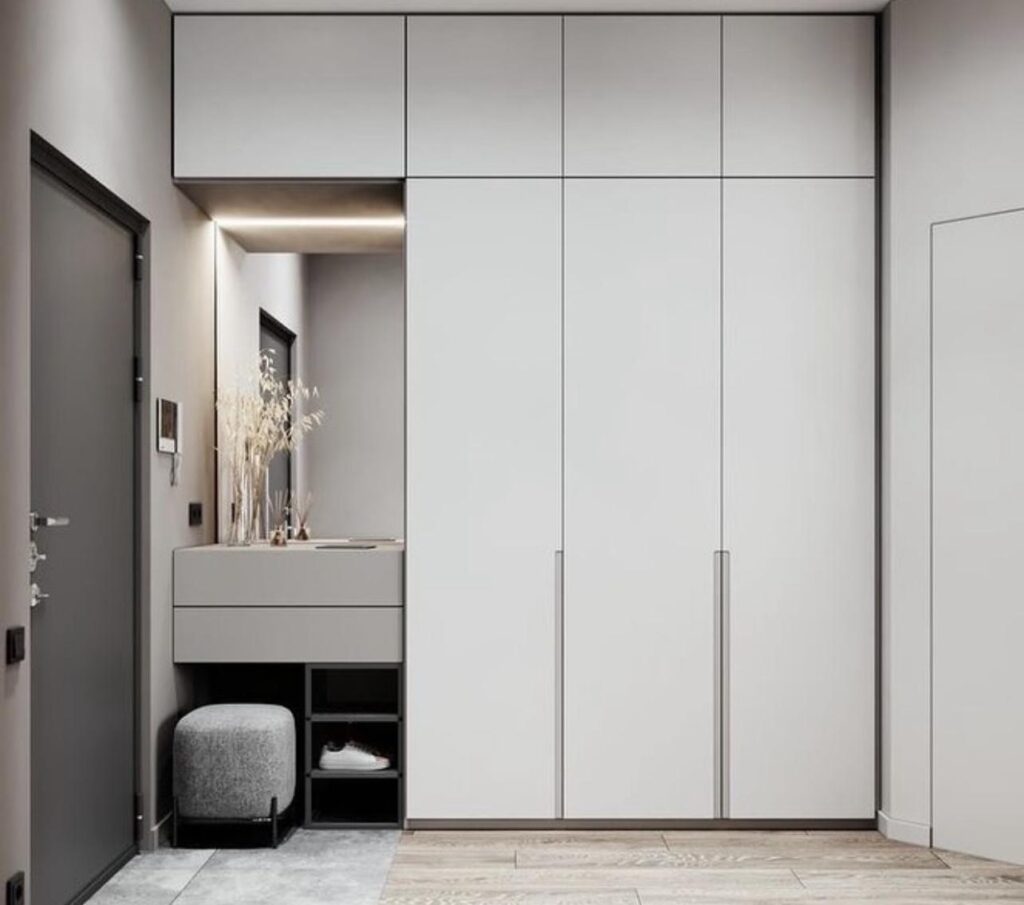
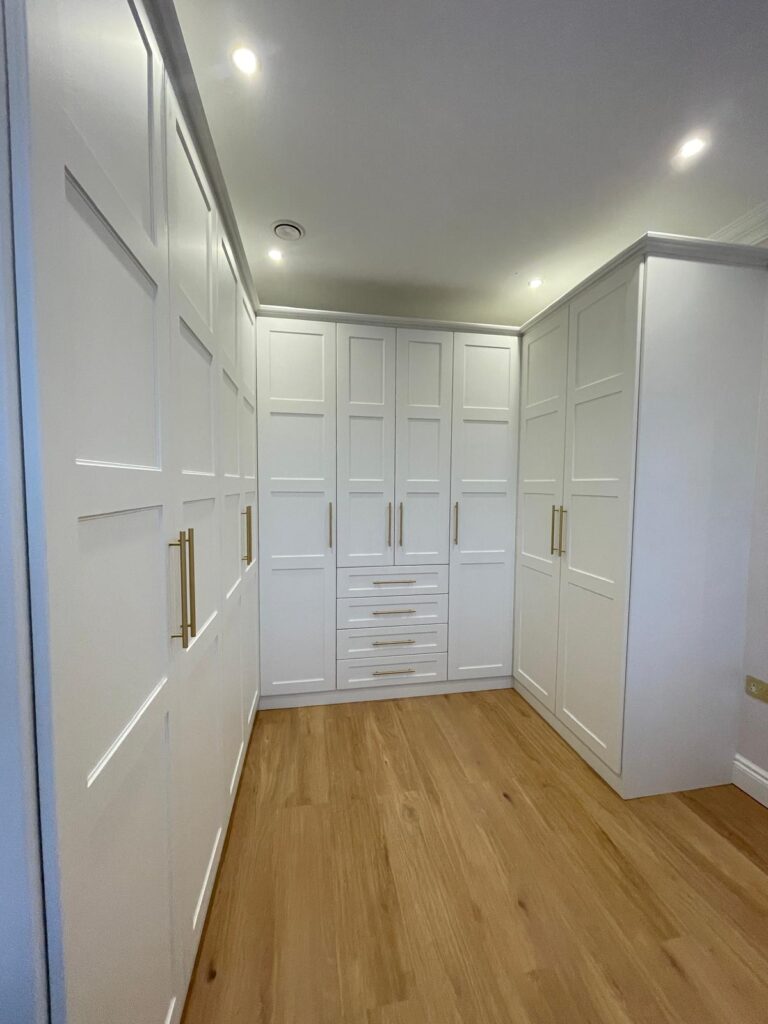
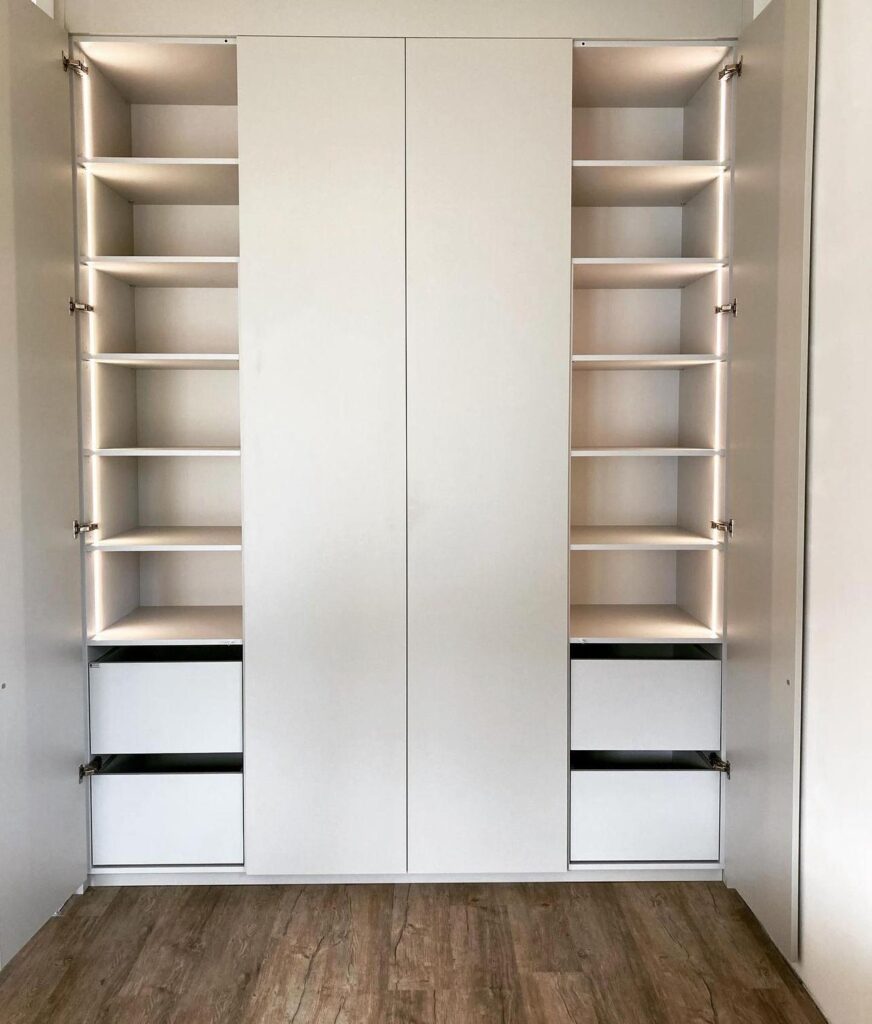

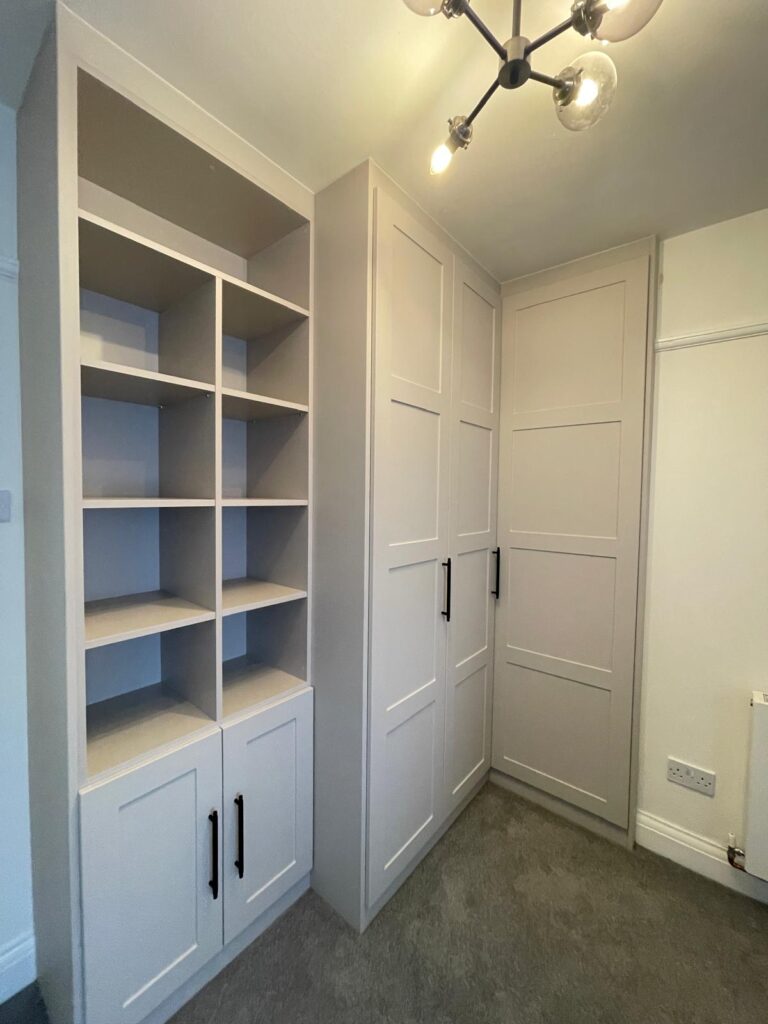





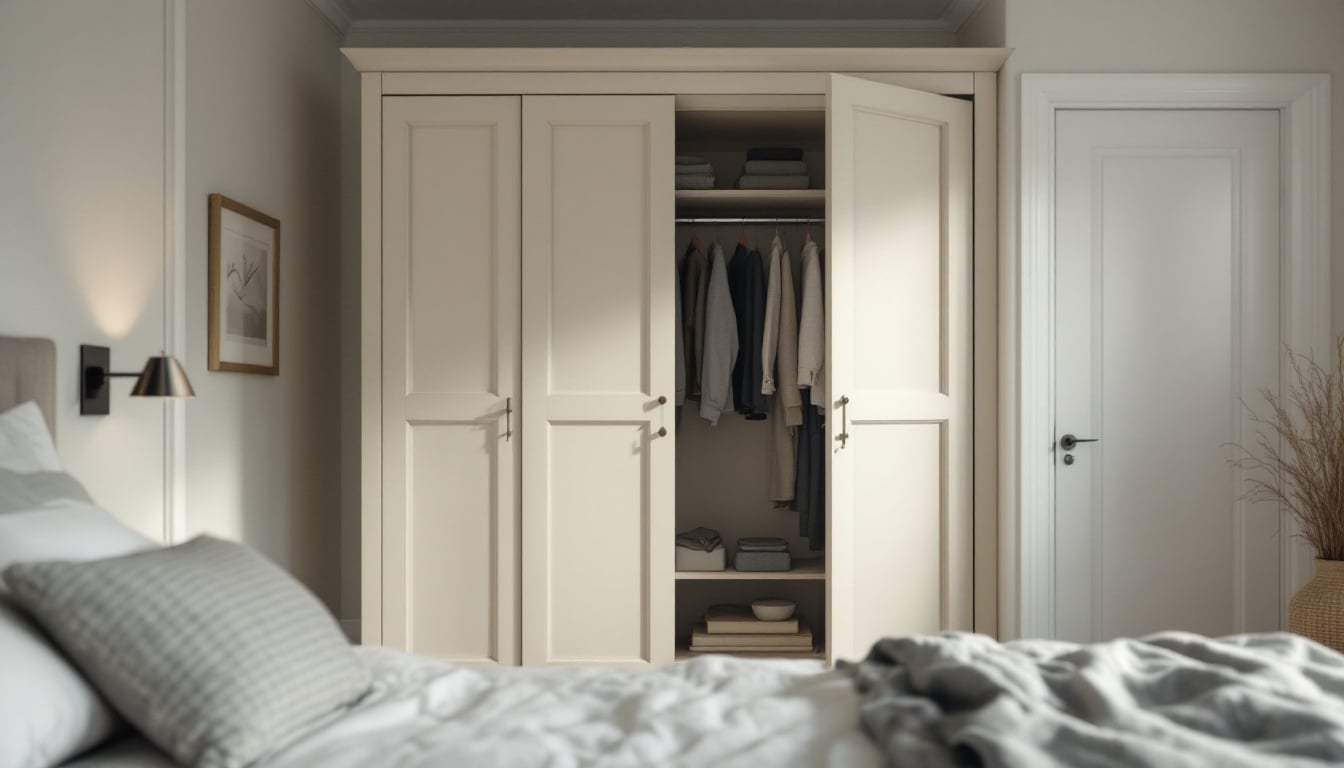
Choosing a wardrobe maker UK
A good wardrobe maker UK is not just a supplier with nice photos. The real test is whether they can translate a room into usable storage without wasting space, overcomplicating the layout, or leaving you with doors that do not suit the room. If you are comparing fitted wardrobes, bespoke wardrobes, or sliding door wardrobes, the first decision is fit, not finish. Look at room constraints, lead times, installation process, and how clearly the company explains measuring, design, and fitting.
What the best providers do differently
The strongest wardrobe maker UK providers usually separate design from guesswork. They ask for ceiling height, skirting details, awkward corners, and whether the room has sloped ceilings or alcoves before they talk about style. That matters because the best built-in wardrobe is the one that solves a storage problem cleanly, not the one that simply looks premium in a photo. A practical benchmark is whether the provider can explain the build sequence and installation window in plain language.
Search intent and what people really compare
When people search for wardrobe maker UK, they are usually comparing four things at once: quality, customisation, price structure, and how much disruption fitting will cause. That is why generic inspiration pages often underperform. A useful comparison framework is to ask each provider the same five questions: what is made to measure, what is included in the quote, how the design is approved, what the lead time is, and how post-installation issues are handled. If a company cannot answer all five clearly, keep moving.
How the top-ranking pages are usually structured
Pages ranking for wardrobe maker UK terms tend to cover wardrobe types, design options, planning advice, and fitting reassurance. The stronger pages also explain materials, internal layouts, and common room shapes such as loft wardrobes or alcove cupboards. The weak pages stop at product browsing. A better page gives the reader enough detail to decide whether a bespoke design is worth it and what to measure before requesting a quote or booking a consultation.
Where the keyword fits naturally
The phrase wardrobe maker UK should not be stuffed into every paragraph. It works best in the title, intro, one or two comparison sections, and a practical final step. Search engines also pick up related terms such as bespoke wardrobe design, fitted wardrobe installation, custom wardrobe doors, and made-to-measure storage. Using those naturally helps the page cover the topic without sounding repetitive or forced.
Measure the room before you compare styles
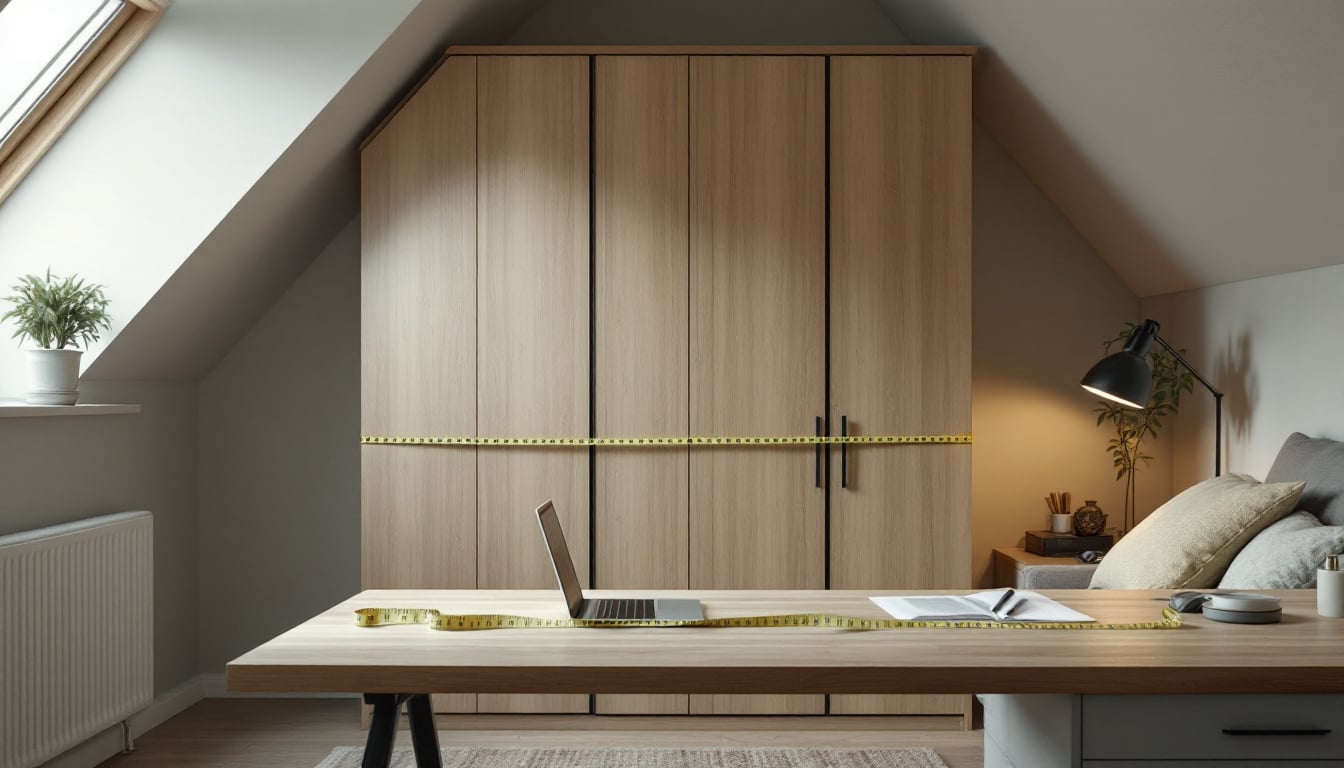
Before you judge finishes or door styles, get the room measurement right. A wardrobe maker UK will usually want width, height, depth, and notes on radiators, sockets, skirting boards, and ceilings that are not square. Even a small mistake here can change door clearance or internal storage layout. If you are using a measuring guide, check the room in at least three points for width and height, because older homes often vary more than people expect.
Common measuring pitfalls and how to avoid them
The most common mistake is measuring only once in the middle of the wall. That works for neither fitted wardrobes nor alcove cupboards. Measure at the left, centre, and right, then again at floor and ceiling level if the room is irregular. If you are unsure, photograph the room with a tape measure in place and keep notes on obstructions. That extra step reduces design changes later and helps the wardrobe maker UK produce a quote that is closer to the real installation cost.
Decide which wardrobe type suits the room
Not every room needs the same solution. A wardrobe maker UK may recommend hinged doors for easy full access, sliding doors for tighter circulation space, or built-in cupboard formats for awkward layouts. The decision should come from the room shape and how you use the storage. If you want fast visibility of all contents, hinged or open-access sections work better. If the room is narrow, sliding doors can save clearance, but they trade away partial access.
Hinged, sliding, and built-in options
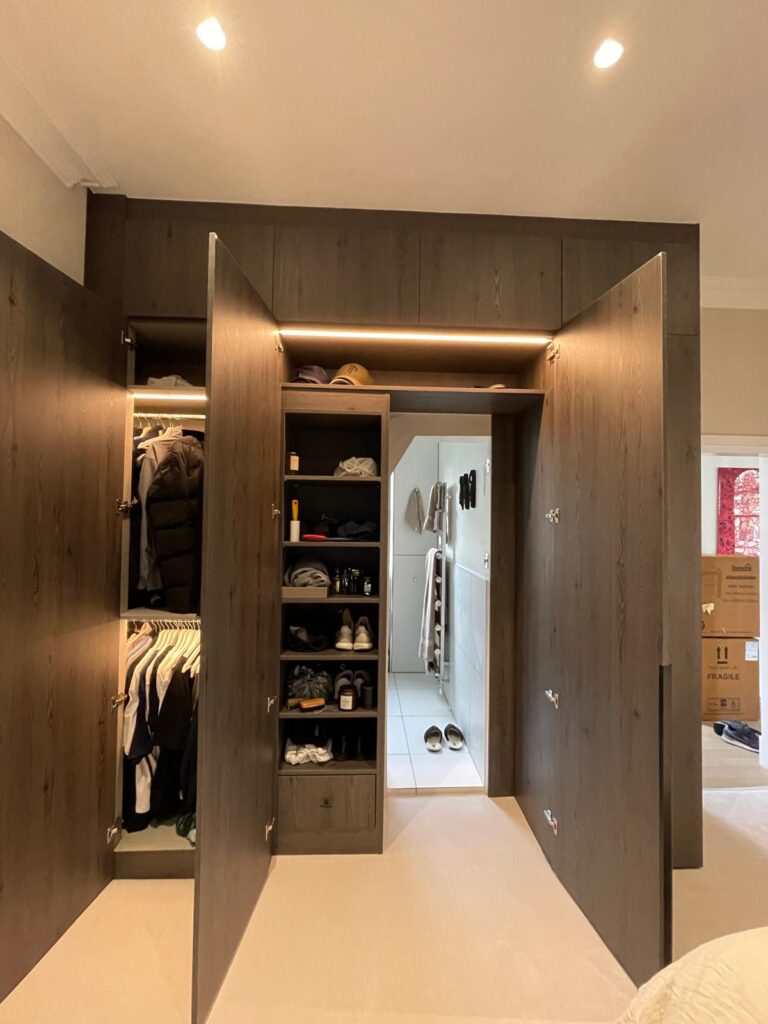
Hinged doors are usually the most flexible for access and internal organisation. Sliding doors work well where bed clearance or walking space is tight, but they need more precise track planning. Built-in wardrobes are the strongest choice when you want the unit to follow the wall line, hide awkward ceilings, or maximise height. A practical trade-off is that the most space-efficient option is not always the easiest to live with every day, so think about opening space and content visibility together.
Match internal layout to real storage habits
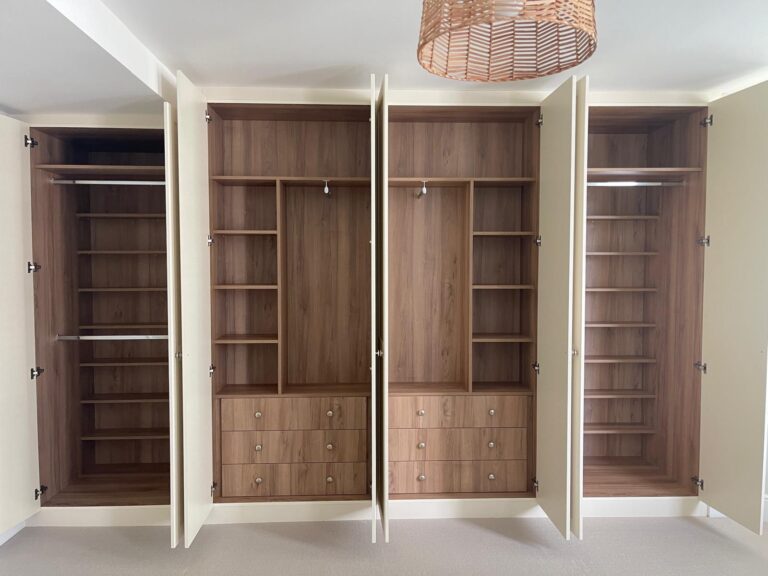
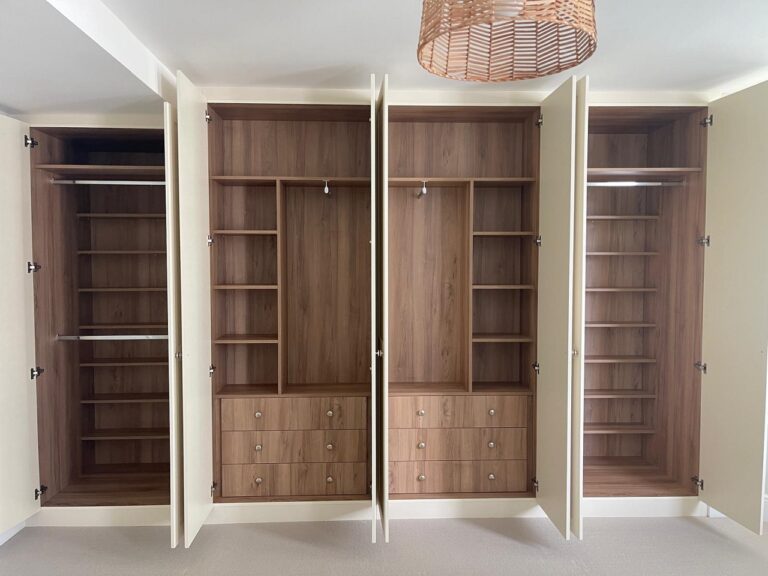
A wardrobe maker UK can only do so much if the internal layout is designed around a brochure rather than your daily routine. Start by listing what actually needs hanging space, folded space, shoe storage, drawers, and seasonal storage. If most of your clothes are folded, too much hanging rail is wasted volume. If you store long coats, double-hanging sections may be a poor fit. Good design starts with inventory, not finishes.
A simple layout planning workflow
Work from the items that are hardest to store first. Long garments, suit jackets, and dresses need tall clearance, while folded clothing can go into shelves or drawers. Then decide which items should be most accessible and place them at eye level. A useful rule is to reserve the easiest zone for daily-use items and place seasonal storage higher up. This is where bespoke wardrobe design usually outperforms off-the-shelf furniture, because the layout is matched to use, not symmetry.
Materials and finishes that hold up
The finish matters, but only after structure and layout are settled. A wardrobe maker UK may offer painted finishes, wood effects, mirrored doors, matte surfaces, or high-gloss panels. Each has a practical trade-off. Mirrored doors can make a room feel larger, but they demand cleaner maintenance. Matt finishes hide fingerprints better. Woodgrain surfaces are usually more forgiving in family homes where daily wear is heavier. Choose the finish that fits cleaning habits as much as style preference.
What to ask about build quality
Ask about the thickness of panels, edge finishing, hinge quality, and how the unit is fixed to the wall. A strong-looking front is not enough if the internals bow under load. The wardrobe maker UK should also explain how they handle uneven walls or floors, because that is where fitted work tends to fail visually. If they give a clear fitting process and a reasonable warranty, that is usually a better signal than glossy imagery alone.
Lead times, fitting, and disruption
The installation plan matters as much as the product. Some buyers only ask how the wardrobe looks, but the real question is how long the room will be unusable. A wardrobe maker UK that mentions fitting windows, site preparation, and what happens on installation day is usually easier to work with. If a provider quotes a fast turnaround, check whether that includes design approval, manufacturing, delivery, and fitting, because those are not the same thing.
How to judge a realistic installation promise
A realistic workflow is consultation, measurement, design sign-off, manufacturing, and fitting. If any step is vague, expect delays later. For example, a 7 to 10 day fitting mention can be useful, but only if the design has already been finalised and the room is ready. The pitfall is assuming speed means simplicity. The fix is to ask what must be complete before fitting begins and whether remedial work is included if walls or ceilings are irregular.
Use local search signals to narrow the shortlist
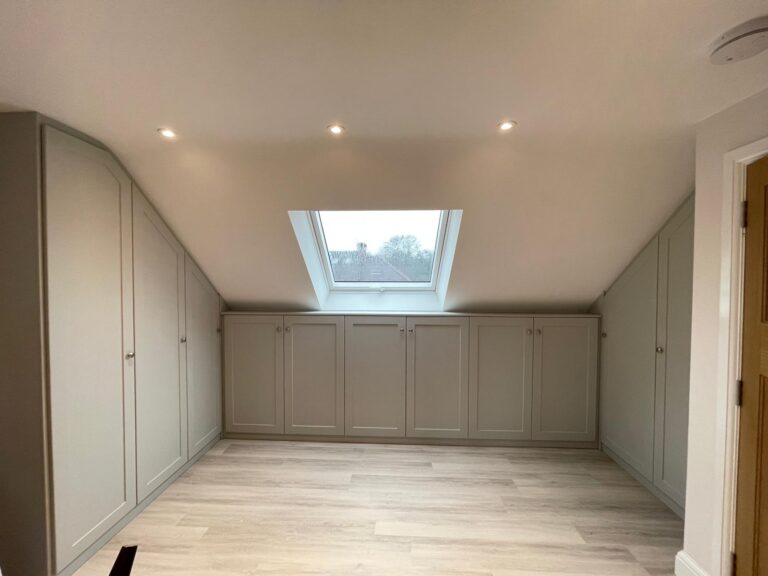
Local relevance matters when you are choosing a wardrobe maker UK, because installation depends on site visits, measurement accuracy, and aftercare. Search results that mention local fitting, nearby coverage, and clear contact details are usually more trustworthy than vague nationwide claims with no process detail. A strong local page also makes it easier to judge whether the company understands UK home layouts, from terraced bedrooms to loft conversions and older properties with uneven walls.
How to evaluate a local provider page
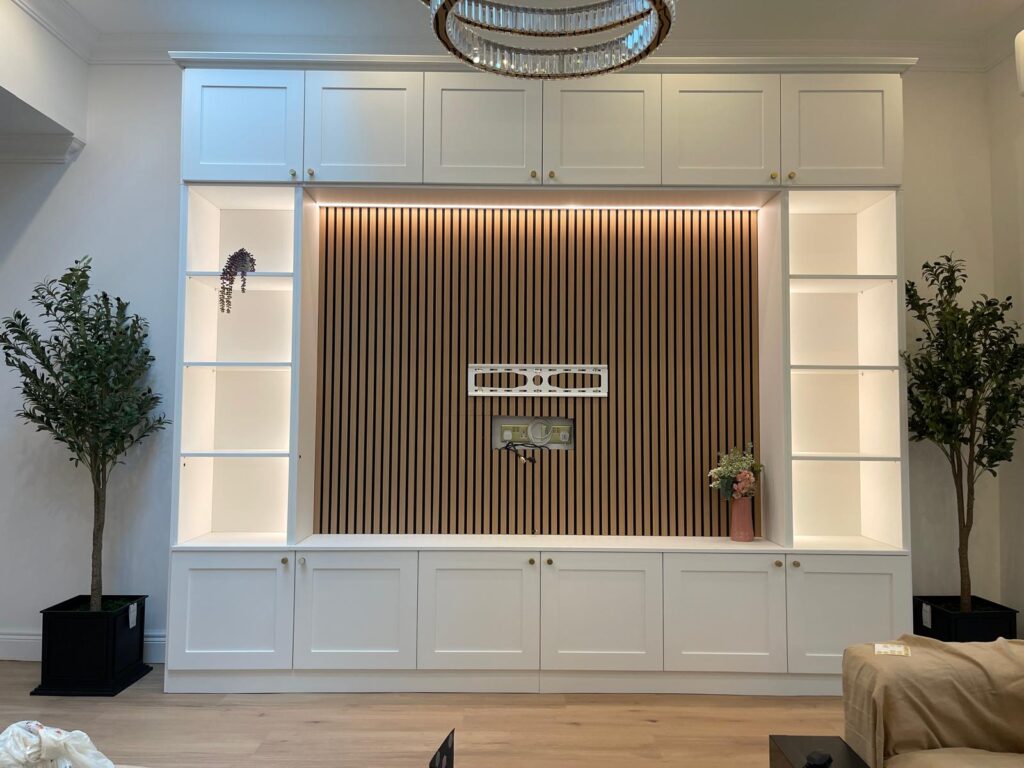
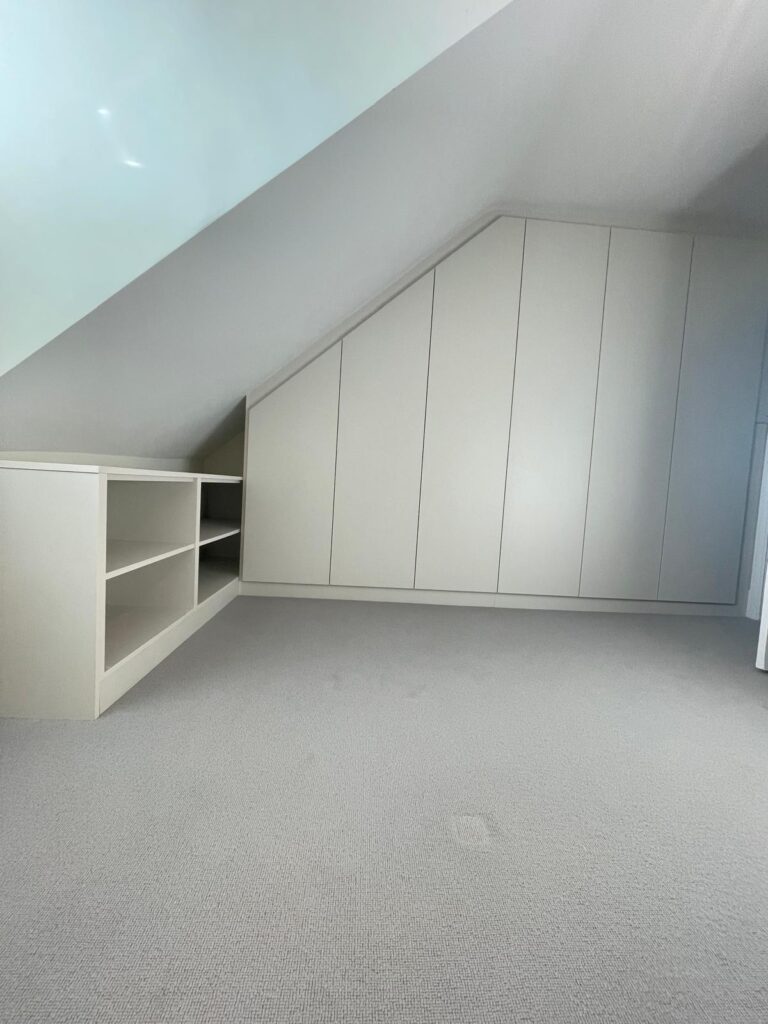
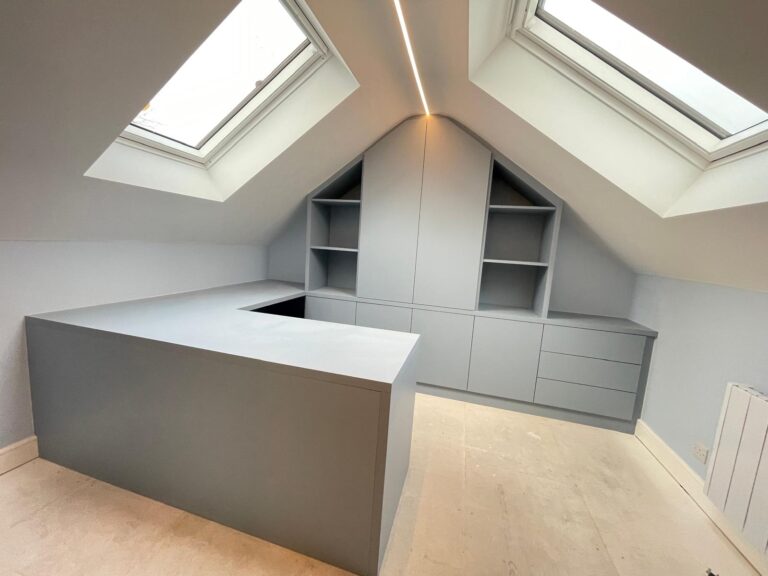
Look for three things: real service detail, room-specific examples, and a straightforward way to request a survey or quote. If the page only says bespoke and premium, it is thin. If it explains storage types such as bespoke wardrobes, TV media walls, alcove cupboards, loft wardrobes, and sloped cupboards, it gives you more confidence that the team has handled different room constraints. That breadth is useful because the best solution for a bedroom is not always the same as the best solution for a living room alcove.
Compare quotes without getting distracted by price alone
Quote comparisons work best when you normalise what is included. A lower price can hide weaker materials, fewer internal options, or separate charges for fitting and finishing. A wardrobe maker UK should make the scope obvious enough that you can compare like for like. The decision rule is simple: if one quote is cheaper but less specific, treat that as a risk rather than a bargain until the scope is clarified.
A practical quote checklist
Check whether the quote includes design revisions, survey, delivery, fitting, handles, internal fittings, and waste removal. Also confirm what happens if the room needs trimming or adjustment on the day. A good quote reduces surprises, while a vague one shifts risk to you. If you are comparing wardrobe doors design options, ask for the cost difference between hinged and sliding configurations before you decide, because that trade-off can be material once the room layout is fixed.
Make the final decision based on fit, not just style
The best wardrobe maker UK for your room is the one that solves access, storage, and installation cleanly. Style should support the room, not distract from it. A simple final filter is this: does the design make daily use easier, does the quote cover the real scope, and does the installer seem prepared for the room conditions you actually have? If the answer is yes to all three, you are close to a sensible choice.
A practical handoff before you order
Before signing off, keep a short record of measurements, finish choices, internal layout, and installation date. Save photos of the room, because they help if a detail needs revisiting. If you are still comparing styles, use the wardrobe doors design range as a reference point and compare one or two options only, rather than reopening the whole brief. That prevents design drift and keeps the project moving.
Key points
The best wardrobe maker UK is chosen by room fit, not just by finish or price. Measure the room carefully at multiple points, because older homes and awkward layouts need more than a single measurement. Decide early whether hinged, sliding, or built-in storage suits the space and the way you use it. Ask clear questions about materials, lead times, installation, and what is included in the quote. If a provider explains its process plainly and handles room constraints well, that is usually a better sign than a glossy brochure.
Final checklist before you commit
Use a final check on the day you approve the design: the dimensions match the room, the internal layout matches your storage habits, the installation window is realistic, and the warranty is clear. If you want a next step that is easy to act on, start with a measuring guide, shortlist two wardrobe makers, and compare their scope rather than their marketing. That small discipline usually saves more time than searching for one perfect quote.
Conclusion
Choosing a wardrobe maker UK is easier when you treat it like a room-fit decision instead of a style search. Measure carefully, decide what the storage must actually do, and compare providers on process, not promises. The strongest option will explain how the room is measured, how the design is approved, what the fitting involves, and how the final result will work in daily use. That approach is especially useful if you are dealing with alcoves, lofts, sloped ceilings, or narrow bedrooms where standard furniture falls short. If you are ready to move from browsing to planning, gather your measurements, review the room photos, and request a design discussion with a shortlist of providers. If this guide helped, share it with someone comparing fitted wardrobes, and let us know which part of the process is hardest for you, measurement, layout, or choosing the right door style.
Frequently Asked Questions
What does wardrobe maker UK mean?
Wardrobe maker UK usually refers to a company that designs and supplies made-to-measure or fitted storage for homes in the United Kingdom. In practice, that can include bespoke wardrobes, sliding door wardrobes, alcove cupboards, and loft wardrobes.
How do I choose the right wardrobe maker UK?
Start with room fit, installation process, and clarity of quote. A strong wardrobe maker UK should explain measurements, internal layout options, lead time, and fitting in plain language, not just show product photos.
What should I measure before contacting a wardrobe maker UK?
Measure width, height, and depth in more than one place, then note skirting boards, sockets, radiators, and ceiling slopes. A proper measuring guide helps avoid design changes later and supports a more accurate quote.
Is a fitted wardrobe better than freestanding furniture?
A fitted wardrobe is usually better when you want to use awkward space, hide uneven walls, or maximise storage from floor to ceiling. Freestanding furniture can be easier to move, but it rarely matches the space as efficiently as bespoke wardrobe design.
How long does fitting usually take with a wardrobe maker UK?
That depends on the size of the project and whether the design is already approved. Some providers mention fitting in 7-10 days, but that normally refers to the installation stage rather than the whole process from quote to completion.
What is the best wardrobe style for a narrow bedroom?
Sliding doors often work well in a narrow room because they do not need front clearance. If you need full access to the wardrobe interior, hinged doors may still be better, so the choice comes down to space versus visibility.
Does a wardrobe maker UK usually offer custom-designed furniture?
Yes, most bespoke providers offer custom-designed furniture tailored to the room. That can include wardrobe doors design options, internal shelving, drawers, and solutions for loft wardrobes or sloped cupboards.