
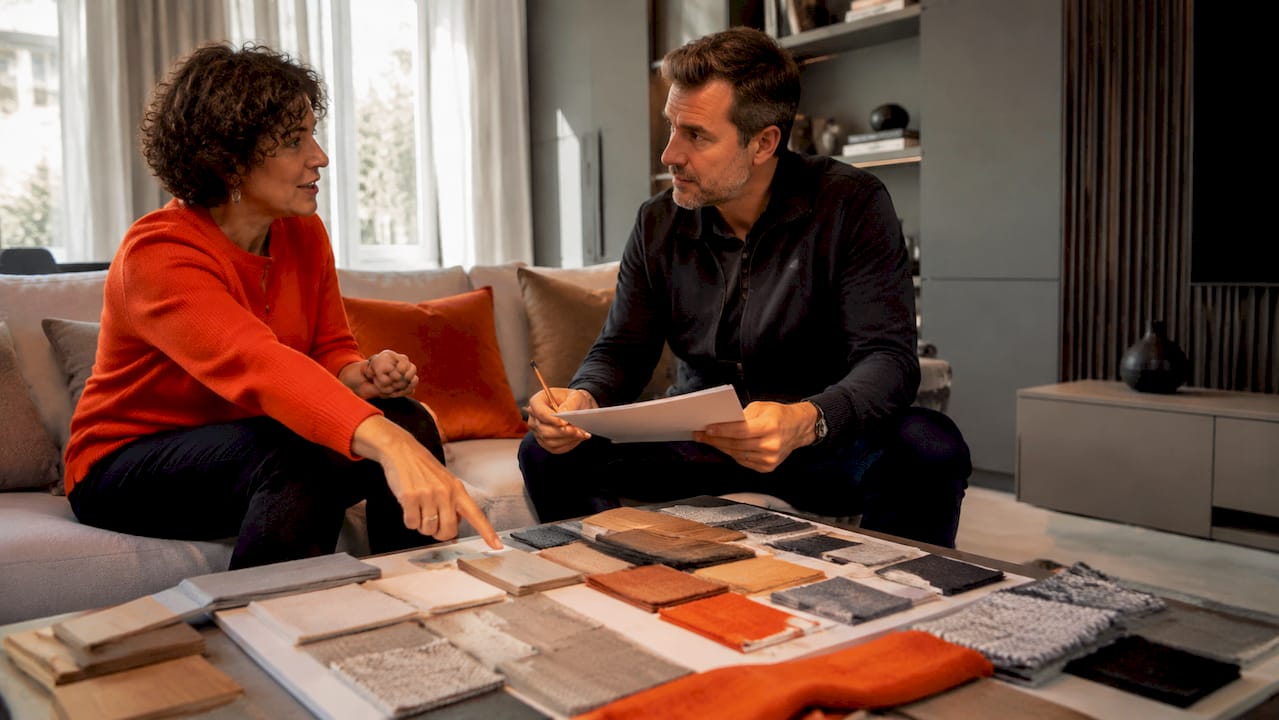
Knowing how to budget bespoke furniture is the difference between a project that delivers lasting value and one that spirals beyond your means. Custom-made pieces, including fitted wardrobes, TV media walls, and built-in storage, are defined by skilled craftsmanship and materials chosen specifically for your space. In London areas such as Richmond, Wimbledon, Fulham, and Chiswick, bespoke specialists charge £75–£120 per hour, which means understanding cost drivers from the outset is not optional. This guide gives you a clear, practical framework for planning a furniture budget that keeps quality intact without financial surprises.
What are the main costs when budgeting bespoke furniture?
The costs of bespoke furniture are driven by four core components: materials, labour, design complexity, and installation. Getting clear on each one before you commission anything is the foundation of sound budgeting for custom furniture.
Labour: the largest line item
Labour accounts for 70–80% of the total cost of a bespoke piece. That figure surprises most homeowners who assume materials are the main expense. Skilled cabinetmakers, joiners, and fitters in London carry significant overhead, including studio costs, tools, and years of training, all of which are priced into their hourly rate.
Materials and their price impact
The material you choose shapes both the look and the budget. Here is how common options compare:
- Solid hardwoods such as walnut, oak, and ash deliver premium aesthetics but carry the highest material cost. Walnut, in particular, commands a significant premium over other hardwoods.
- Engineered wood and MDF offer a cost-effective base for painted or foil-wrapped finishes. They are widely used in fitted wardrobes and media walls across Putney, Kingston, and Ealing.
- Softwoods such as pine sit between the two in price and are suitable for painted finishes where grain character is less important.
- Specialist finishes, including lacquered glass, mirrored panels, and leather-wrapped fronts, add material cost and labour time in equal measure.
The role of materials in bespoke furniture extends beyond aesthetics. A well-chosen engineered board with a quality finish can last decades and look indistinguishable from solid wood at a fraction of the cost.
Design complexity and ancillary costs
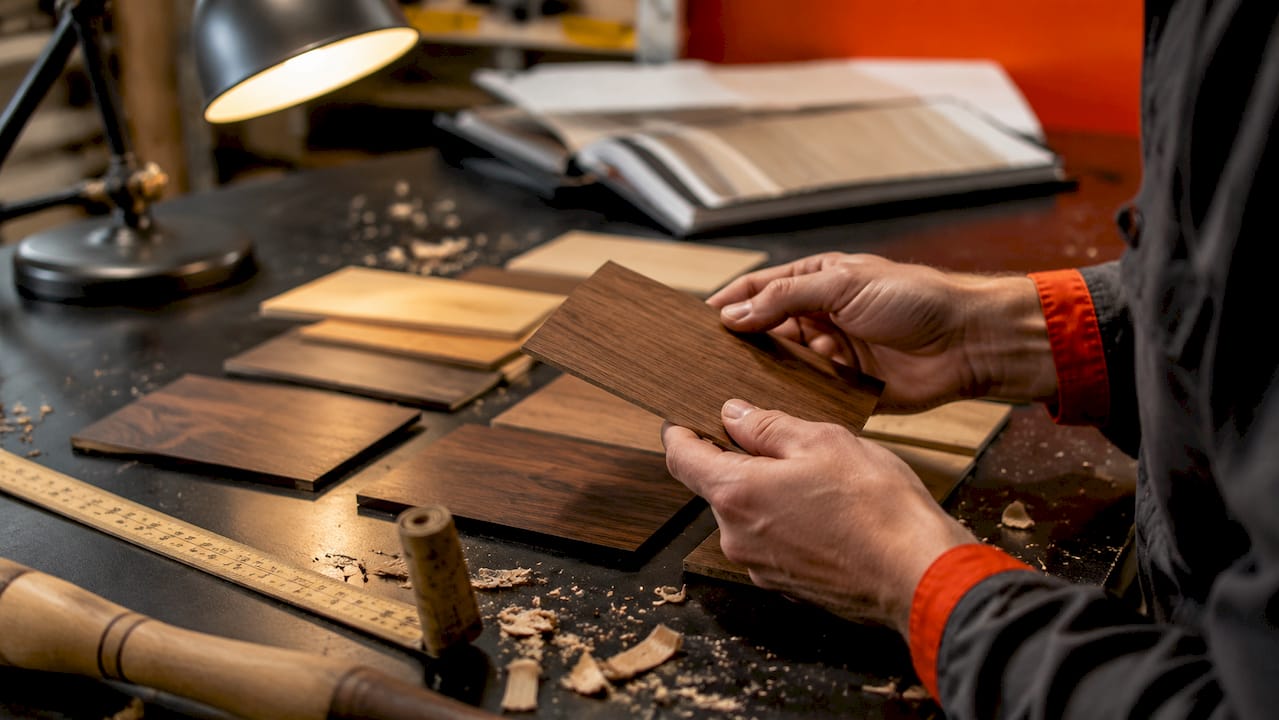
Intricate joinery, curved profiles, integrated lighting, and soft-close mechanisms all add hours to the build. Each additional feature is a labour cost, not just a material cost. Delivery and installation fees vary considerably: local delivery runs £50–£500, while white-glove installation services sit at the higher end of that range. For complex fitted wardrobes in loft conversions or awkward alcoves, on-site fitting time increases further.
Pro Tip: Ask your maker to provide a fully itemised quote that separates materials, labour, finishing, delivery, and installation. A single lump-sum figure makes it impossible to identify where savings can be made.
How do you prepare your budget before the design process?
Preparation before the first design consultation is the most effective cost-control tool available to you. Homeowners who arrive with accurate measurements, a clear brief, and a stated budget consistently receive more accurate quotes and fewer revision charges.
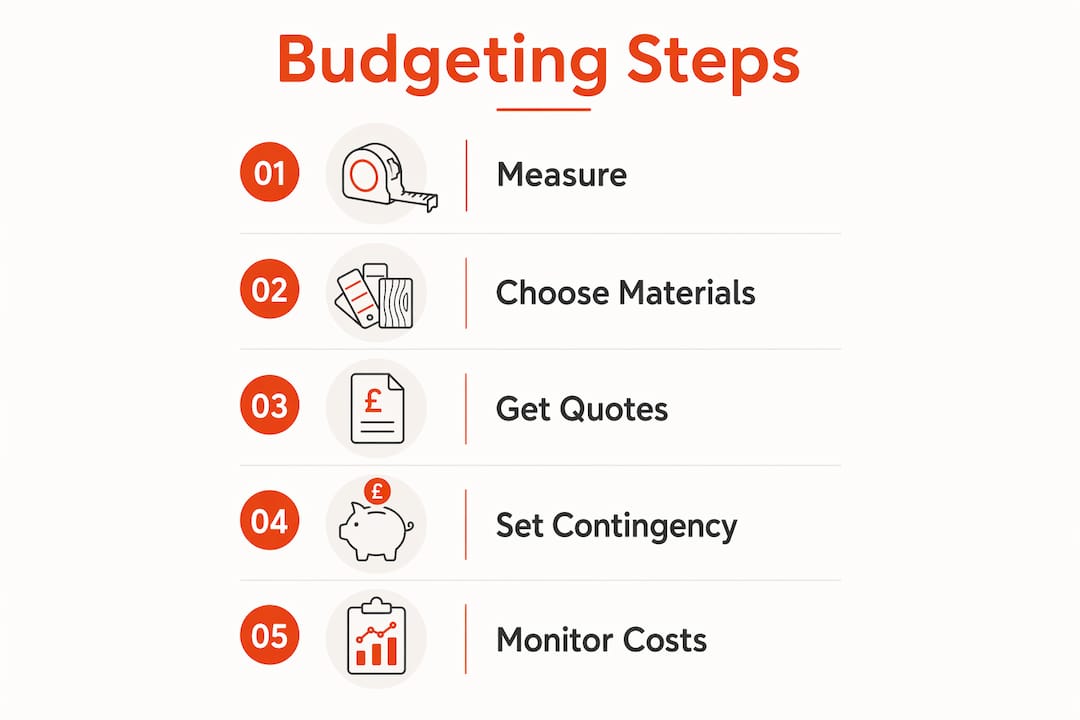
Follow these steps before you contact any bespoke maker:
-
Measure your space accurately. Use a laser measure rather than a tape measure for rooms with irregular walls or sloped ceilings, particularly in loft conversions in Barnes, Twickenham, or Hammersmith. Laser-measured dimensions allow more fabrication to happen offsite, which reduces on-site labour hours and lowers cost.
-
List your non-negotiable requirements. Separate what you must have from what you would like. For a fitted wardrobe, this might mean a specific number of hanging rails and drawers as essentials, with internal lighting as a desirable extra.
-
Research typical price ranges for your area. Bespoke furniture projects average £800–£3,300 for standard commissions, with complex or large-scale pieces exceeding £7,500. London pricing sits at the upper end of the national range.
-
State your maximum budget upfront. Sharing your budget early allows designers to recommend material and design alternatives that fit your financial target without compromising the overall result. Withholding your budget does not protect you; it simply limits the designer’s ability to help.
-
Obtain at least three itemised quotes. Multiple quotes from local makers encourage competitive pricing and give you a realistic picture of the market. Compare line by line, not just the total figure.
Pro Tip: When getting a quote for fitted furniture, ask each maker to confirm whether VAT, waste disposal, and any structural preparation work are included. These items are frequently omitted from initial estimates and can add 15–20% to the final bill.
What strategies make bespoke furniture more affordable?
Affordability in bespoke furniture does not mean cutting corners. It means making deliberate choices about where quality matters most and where cost-effective alternatives perform equally well. The following strategies apply directly to fitted wardrobes, media walls, and built-in storage in London homes.
-
Choose cost-effective materials with premium finishes. An MDF carcass with a high-gloss lacquer or wood-effect wrap delivers a sophisticated result at significantly lower cost than solid timber throughout. Simplifying material choices is one of the primary levers for controlling the total spend.
-
Simplify the design profile. Flat-panel doors cost less to produce than shaker-style or routed profiles. Straight runs are cheaper than angled or curved configurations. Every decorative detail adds labour time, so prioritise the features that genuinely improve daily use.
-
Bundle multiple pieces in a single commission. If you need a fitted wardrobe, a media wall, and under-stair storage, commissioning all three together gives you negotiating leverage. Makers price single jobs differently from multi-room projects, and mobilisation costs are shared across the work.
-
Plan ahead and avoid rush premiums. Bespoke furniture requires lead times of four to twelve weeks in most London workshops. Requesting faster turnaround often carries a premium of 10–25% on the standard price. Book early, particularly if you are in high-demand areas such as Chelsea, Fulham, or Wimbledon.
-
Use a local maker to reduce delivery costs. A maker based in West London or Surrey will charge far less for delivery and installation to Chiswick, Ealing, or Walton-on-Thames than a workshop based outside the region. The custom furniture design process benefits from proximity at every stage, from site visits to snagging.
-
Consider long-term value when comparing prices. A bespoke piece lasts 25–50 years versus three to five years for flat-pack alternatives. When you amortise the cost over its lifespan, bespoke furniture frequently works out cheaper per year than repeatedly replacing mass-produced pieces.
How do you monitor your budget during the project?
Staying on budget once a project is underway requires active management, not passive trust. Most cost overruns in bespoke furniture projects occur during the production phase, when design changes, material substitutions, or site surprises generate additional charges.
Use this framework to stay in control:
-
Set aside a contingency fund of 5–15%. A 5–15% contingency is the industry standard for unforeseen site challenges and material price fluctuations. For a £4,000 fitted wardrobe project, that means holding £200–£600 in reserve. Do not spend this fund unless a genuine unforeseen issue arises.
-
Schedule regular progress updates with your maker. Weekly check-ins during production catch problems before they become expensive. Ask specifically about material lead times, any substitutions, and whether the installation date remains firm.
-
Review material samples and prototypes before sign-off. Approving a finish or hardware choice from a photograph is a common source of post-installation disappointment and costly remedial work. Always review physical samples in your home’s lighting conditions.
-
Freeze the design after approval. Every change request after production begins costs money. A single alteration to a door profile or internal configuration can add two to four hours of labour at London rates. Agree the design fully before the maker starts cutting.
-
Plan installation logistics in advance. Confirm access routes, parking for the installation vehicle, and whether any existing furniture needs removal. Delays on installation day are charged at the maker’s day rate. Finest Furniture Studio completes most installations within seven days and removes and disposes of your old furniture as part of the service, which eliminates one common source of unexpected cost.
The table below summarises the key budget monitoring checkpoints and their purpose:
| Checkpoint | Purpose |
|---|---|
| Contingency fund set (5–15%) | Covers unforeseen site issues and material price changes |
| Weekly progress updates | Identifies delays or substitutions before they escalate |
| Physical sample review | Prevents costly post-installation remedial work |
| Design freeze after approval | Eliminates change-order charges during production |
| Installation logistics confirmed | Avoids day-rate delays on fitting day |
Key takeaways
Budgeting for bespoke furniture successfully requires understanding labour as the dominant cost, preparing accurate measurements and a clear brief before quoting, and maintaining a contingency fund throughout the project.
| Point | Details |
|---|---|
| Labour dominates the cost | Labour accounts for 70–80% of total bespoke furniture cost, not materials. |
| State your budget upfront | Sharing your maximum budget allows designers to propose fitting alternatives. |
| Use laser measurements | Accurate dimensions reduce on-site labour hours and lower the final cost. |
| Hold a 5–15% contingency | Reserve this fund specifically for unforeseen site or material issues. |
| Bundle commissions for savings | Ordering a wardrobe, media wall, and storage together reduces per-unit cost. |
What i have learned budgeting bespoke projects in london
Working with homeowners across Richmond, Wimbledon, and Fulham over many years, I have noticed the same pattern repeatedly. The projects that go over budget almost never do so because of the maker’s pricing. They go over budget because the homeowner did not share their financial limit at the start, or because they approved a design without fully understanding what each element cost to produce.
The most common mistake I see is treating the initial quote as a ceiling rather than a starting point for dialogue. A good bespoke maker will not judge you for having a firm budget. They will work within it. The design consultation process exists precisely to align your vision with what is financially achievable, and makers who specialise in fitted wardrobes and media walls in London know how to find that balance.
The second thing I would tell any homeowner is this: do not underestimate the value of the contingency fund. I have seen projects in loft conversions in Barnes and Twickenham where unexpected structural issues added £600 to the cost overnight. Homeowners who had set aside a contingency absorbed that without stress. Those who had not faced a difficult conversation with their maker.
Finally, bespoke furniture is not a luxury purchase in the traditional sense. A fitted wardrobe that lasts thirty years in a Chiswick or Ealing home is a structural improvement to the property. Treat the budget with the same rigour you would apply to any home improvement project, and the result will justify every pound spent.
— Aureliu
How finest furniture studio helps you stay on budget
Planning a fitted wardrobe, TV media wall, or loft storage project in London does not have to mean choosing between quality and affordability. Finest Furniture Studio works with homeowners across West London, Richmond, Wimbledon, Putney, Kingston, and beyond to design and install bespoke pieces that fit both the space and the budget.
Every project begins with a free design visit, where we assess your space, discuss your requirements, and provide a fully itemised quote with no hidden charges. Our bespoke wardrobes in West London are built to a 10-year quality guarantee, installed within seven days, and we remove and dispose of your existing furniture at no extra cost. Whether you need a media wall with storage or a fully fitted loft wardrobe, we bring the same commitment to transparent pricing and quality craftsmanship to every commission.
Call or WhatsApp us on 07468 150807, or visit us at 124 City Road, Kemp House, London, EC1V 2NX.
FAQ
What is the average cost of bespoke furniture in london?
Bespoke furniture projects in London typically range from £800 to £7,500 or more, depending on size and complexity. London specialists charge £75–£120 per hour for skilled labour, placing local pricing at the upper end of the national range.
How much contingency should i budget for a bespoke furniture project?
A contingency fund of 5–15% of the total project cost is the industry standard. For a £4,000 project, that means setting aside £200–£600 to cover unforeseen site issues or material changes.
Does sharing my budget with a designer actually help?
Sharing your maximum budget upfront allows the designer to recommend cost-effective materials and design alternatives that meet your financial target. Withholding the figure limits their ability to tailor the proposal to what you can afford.
Is bespoke furniture more expensive than flat-pack in the long run?
Bespoke furniture lasts 25–50 years versus three to five years for mass-produced alternatives. When the cost is spread across its lifespan, bespoke often works out cheaper per year than repeatedly replacing flat-pack pieces.
How can i reduce the cost of a bespoke wardrobe without losing quality?
Choose engineered wood with a quality finish instead of solid hardwood throughout, simplify door profiles, and bundle multiple pieces into a single commission. These three choices reduce both material and labour costs without affecting the final appearance.