
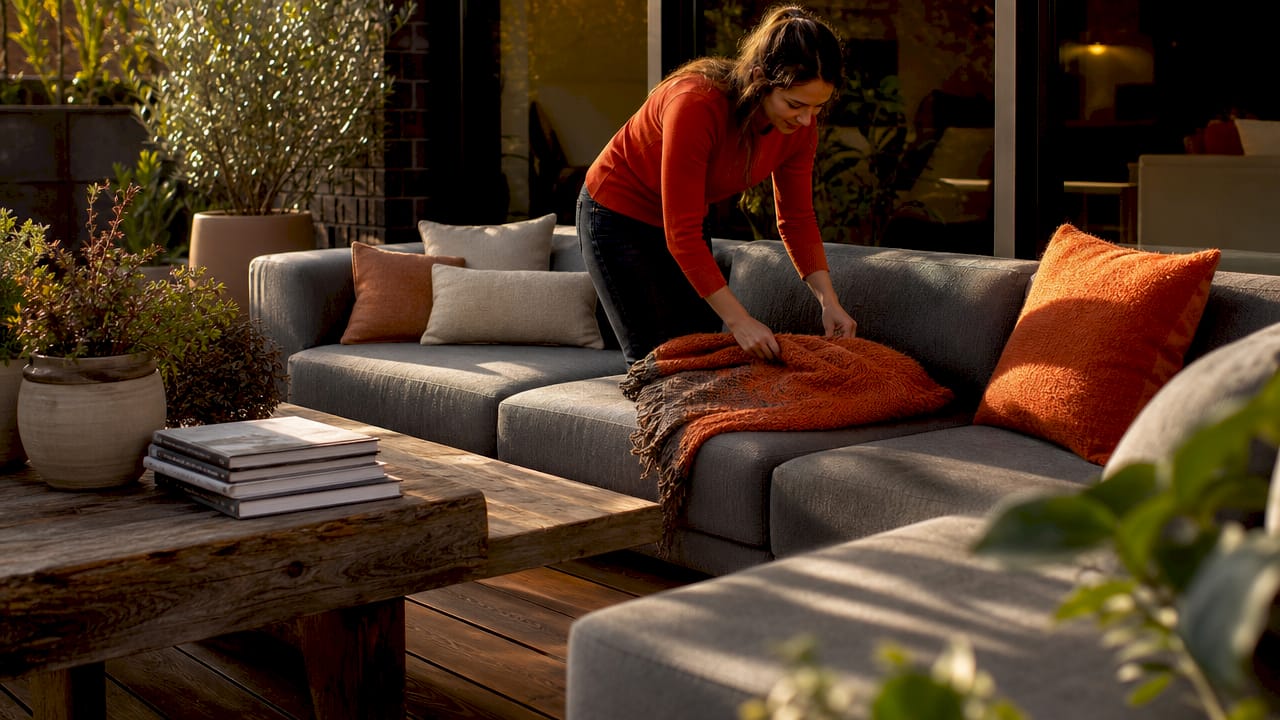
Furniture is defined as the primary tool that converts a building shell into a personalised, functional living environment. The role of furniture in modern homes extends far beyond providing somewhere to sit or sleep. It shapes how you move through a room, how you feel in a space, and how clearly your personality comes through in your surroundings. Whether you own your home in Richmond or rent a flat in Brixton, the furniture you choose determines how well your space actually works for you. At Finest Furniture Studio, we see this every day: the right piece in the right place changes everything.
How does furniture act as spatial architecture in modern homes?
Furniture replaces walls in open-plan homes. Designers use sectional sofas, bookshelves, and consoles to define zones, manage sightlines, and create atmosphere without a single partition. This approach is now standard in contemporary London interiors, where open-plan layouts dominate new builds in areas like Fulham, Chiswick, and Hammersmith.
The placement of a large sectional sofa, for example, signals the boundary between a living area and a dining space. A tall bookshelf positioned perpendicular to a wall creates a reading nook without blocking light. A console table behind a sofa defines circulation routes and keeps movement natural. These are not decorating choices. They are spatial decisions with real consequences for how a room feels and functions.
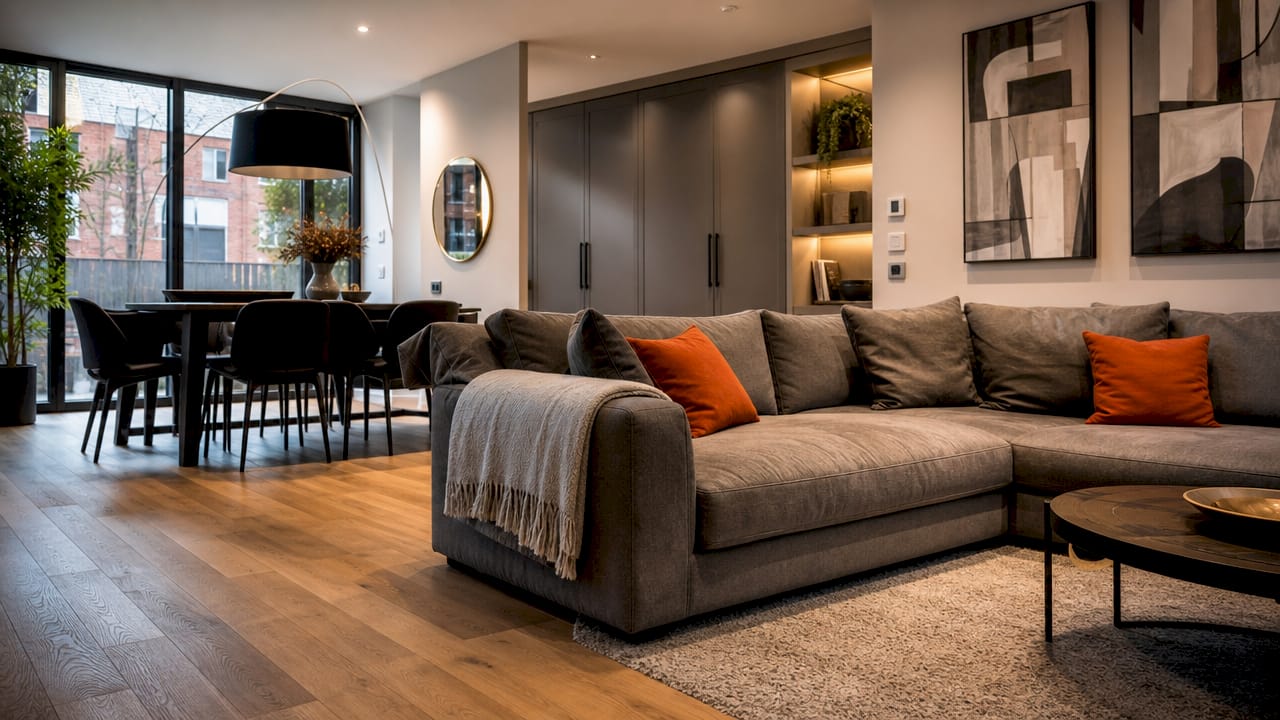
Light management is equally important. Furniture placed near windows can either frame natural light or block it entirely. Low-profile pieces keep sightlines open and make rooms appear larger and brighter. Taller storage units work best against solid walls, where they add presence without interrupting the flow of light across the room.
Fitted furniture takes this principle further. A bespoke built-in wardrobe or a floor-to-ceiling media wall integrates with the architecture itself, removing the visual clutter of freestanding pieces and making the room feel considered from every angle.
- Zone definition: Use a rug and sofa combination to anchor a living zone within a larger open-plan space.
- Sightline control: Keep furniture below 120cm in height where possible to maintain visual openness.
- Circulation: Leave at least 90cm of clear walkway between major pieces to avoid bottlenecks.
- Light preservation: Position tall storage units on north-facing walls to avoid blocking natural light.
- Architectural integration: Built-in units along alcoves or chimney breasts maximise space without disrupting room proportions.
Pro Tip: Before buying any large piece, tape out its footprint on the floor with masking tape and live with it for 24 hours. You will immediately see whether it disrupts your natural movement through the room.
How does furniture design style shape home aesthetics and personal identity?
Midcentury modern furniture remains the dominant stylistic reference in contemporary interiors after 70 years. Its longevity comes from a balance between clean geometry and warmth, making it adaptable to both minimalist and layered interiors. A walnut sideboard or a tapered-leg dining table works in a Chelsea townhouse and a Kingston new-build alike.
Designer Philippe Starck shifted interior design focus from pure decoration to active user experience, placing personality and function at the centre of furniture design. That shift is now mainstream. Homeowners no longer want rooms that look like a catalogue. They want spaces that feel like them.
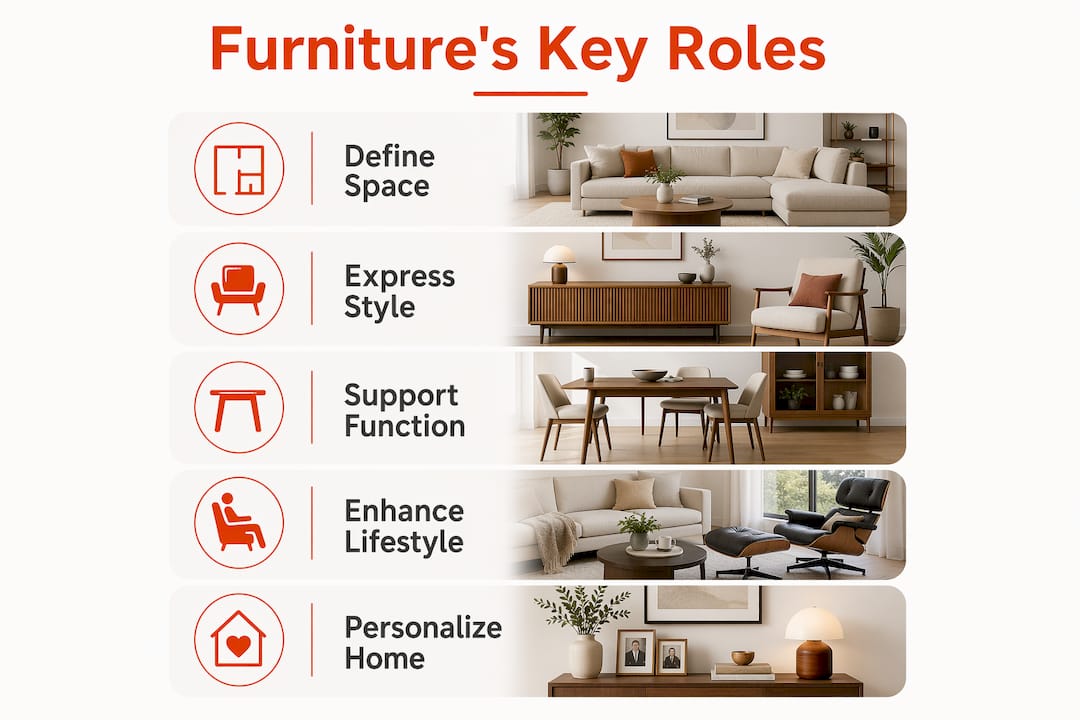
Minimalism can limit personalisation in interiors. Minimalist environments often standardise spaces, stripping out the details that make a home feel lived in and specific to its owner. Bespoke furniture counters this directly. A fitted wardrobe with a shaker-style door, a specific paint colour, and internal shelving arranged around your actual wardrobe reclaims that personal expression in a way that a flat-pack unit never can.
| Style approach | Strengths | Limitations |
|---|---|---|
| Midcentury modern | Timeless, versatile, works across room types | Can feel generic if not layered with personal pieces |
| Minimalist | Clean, spacious, easy to maintain | Risks standardising the space and removing identity |
| Bespoke fitted | Tailored to the room and the owner, maximises space | Requires planning and a longer lead time |
| Eclectic mix | Highly personal, visually rich | Needs a skilled eye to avoid visual chaos |
The most effective approach to personalised furniture design combines a coherent style foundation with bespoke pieces that carry personal meaning. A midcentury sofa paired with a custom media wall built to your exact dimensions gives you both visual consistency and genuine individuality.
Pro Tip: Choose one dominant style for your largest pieces, then use bespoke or vintage items as accents. This gives the room a clear identity without making it feel like a showroom.
Multifunctionality: how does furniture support modern lifestyles?
Modern furniture is judged on versatility. Experts highlight furniture’s ability to adapt beyond static purposes, supporting the dynamic routines of households where the same room serves as an office, a gym, a dining room, and a living space within a single day. This is not a trend. It is a structural shift in how people use their homes.
Digital transformation strongly influences furniture design, aligning products with how homeowners now plan and purchase interiors. Consumers research furniture online, use room-planning tools, and expect pieces that integrate with technology. A media wall that conceals cables, a home office unit with integrated charging points, or a wardrobe with built-in lighting all reflect this shift.
The most useful multifunctional furniture choices for modern UK homes include:
- Ottoman storage beds: These replace a bed frame and a separate storage unit in one piece, freeing floor space in smaller bedrooms in areas like Ealing or Twickenham where room dimensions are often tight.
- Modular shelving systems: Units that can be reconfigured as your needs change, moving from a home office setup to a display unit when your working arrangements shift.
- Extendable dining tables: A compact table for daily use that expands for guests, avoiding the need for a separate occasional table.
- Fitted wardrobes with integrated desks: A wardrobe unit that includes a fold-down desk or a dedicated study area within the same footprint, ideal for loft conversions in Barnes or Putney.
- Media walls with storage: A media wall with built-in storage combines the television focal point with shelving, drawers, and concealed compartments, removing the need for multiple freestanding units.
Furniture longevity depends on adaptability and repairability. High-quality materials allow pieces to be repositioned, repaired, or repurposed as the household evolves. A well-made fitted wardrobe installed in a Wimbledon family home today will still be functional and relevant in 20 years, provided it was designed with flexibility in mind.
Renters face a specific challenge here. Freestanding multifunctional furniture gives renters the same spatial benefits as fitted pieces, without requiring permanent installation. A modular wardrobe system or a freestanding media unit can move with you, making it a practical investment for those who are not yet in a permanent home.
What are the best tips for choosing and placing furniture?
The most common homeowner regret relates to placement, not style. Poor furniture placement creates routine friction, disrupting daily movement and storage access in ways that become genuinely irritating after months of use. A sofa that blocks the route to the kitchen, or a wardrobe door that swings into the bed, are placement errors that no amount of good design can fix.
Ergonomic furniture significantly reduces physical stress and improves quality of life. Interior design professionals describe furniture as the primary tool for converting a building into a home. Comfort is not a luxury consideration. It is a functional requirement that affects your health, your mood, and how much you actually enjoy being in your home.
The following principles guide effective furniture selection and placement:
- Start with your routine, not your style. Map out how you move through each room during a typical day before choosing any piece. Identify where you sit, where you store things, and where you walk most often.
- Scale before style. A beautiful sofa that is too large for the room will make the space feel cramped regardless of how good it looks in isolation. Measure twice, order once.
- Prioritise storage in every room. Clutter is the single biggest threat to a room feeling calm and well-designed. Fitted wardrobes, alcove shelving, and built-in storage units remove clutter without sacrificing floor space.
- Plan for long-term lifestyle changes. A home office setup that works for one person may need to accommodate two within a year. Choose furniture that can adapt, or commission bespoke pieces designed with future flexibility in mind.
- Commission bespoke for awkward spaces. Alcoves, loft rooms with sloped ceilings, and under-stair areas are notoriously difficult to furnish with off-the-shelf pieces. A client-led furniture design process resolves these challenges by building to the exact dimensions of the space.
Pro Tip: When planning a fitted wardrobe or media wall, always account for skirting board depth and ceiling height variations before finalising dimensions. These small details cause the most installation problems and are easily avoided with an accurate site survey.
The importance of furniture in living spaces is most visible when it is wrong. A room with good bones but poor furniture choices feels unsettled and uncomfortable. The reverse is also true: modest architecture with well-chosen, well-placed furniture can feel genuinely luxurious.
Key takeaways
Furniture is the single most powerful tool for shaping how a home looks, feels, and functions, and bespoke fitted pieces deliver the greatest long-term value for both aesthetics and practicality.
| Point | Details |
|---|---|
| Furniture defines space | Strategic placement of sofas, shelves, and consoles creates zones in open-plan rooms without walls. |
| Bespoke beats generic | Custom fitted wardrobes and media walls embed personal identity and maximise every centimetre of space. |
| Multifunctionality is essential | Choose pieces that adapt to changing routines, especially in smaller London homes and loft conversions. |
| Placement drives satisfaction | Poor circulation and storage access cause more long-term regret than style or budget decisions. |
| Style needs a foundation | Anchor rooms with a coherent style, then layer bespoke pieces to create genuine personal expression. |
Furniture’s role in the home: what I have learnt from years of working with London homeowners
Working closely with homeowners across Richmond, Wimbledon, Fulham, and Chiswick has taught me one thing above all else: most people underestimate how much furniture shapes their daily experience. They focus on paint colours and flooring, then wonder why the room still does not feel right. The answer is almost always the furniture.
The most common mistake I see is buying furniture to fill a room rather than to serve a life. A beautiful armchair placed in a corner that nobody walks past will never be used. A wardrobe that looks stunning but cannot accommodate your actual clothing collection will frustrate you every morning. Function must come first, and style follows naturally from pieces that genuinely work.
Bespoke fitted furniture changes this equation entirely. When a wardrobe is designed around your specific collection, your room dimensions, and your daily routine, it stops being a piece of furniture and becomes part of the architecture. The same is true of a well-designed media wall or a loft wardrobe built into a sloped ceiling. These pieces do not just fill space. They resolve it.
I also think the rental market in London is underserved by the furniture industry. Renters in Brixton, Ealing, and New Malden often live in properties for three to five years, long enough to justify investing in quality freestanding pieces that travel with them. The assumption that renters should only buy cheap furniture is both financially and aesthetically wrong.
The future of furniture in UK homes is moving towards pieces that support wellbeing, not just function. Ergonomic chairs, storage that reduces visual clutter, and fitted wardrobes that make getting dressed feel calm rather than chaotic are all part of the same shift. Furniture is becoming a health and lifestyle decision, not just an interior one.
— Aureliu
Bespoke fitted furniture for London homes: how Finest Furniture Studio can help
If you are ready to move beyond off-the-shelf furniture and invest in pieces that genuinely fit your home and your life, Finest Furniture Studio works with homeowners and renters across Richmond, Wimbledon, Putney, Kingston, Chiswick, Fulham, Chelsea, Ealing, Twickenham, Barnes, and Hammersmith.
We specialise in bespoke fitted wardrobes, loft wardrobes, TV media walls, and built-in storage solutions, all designed in close collaboration with you or your designer. Our custom made wardrobes for West London are fitted within 7–12 days, backed by a 10-year quality guarantee, and we remove and dispose of your old wardrobe at no extra charge. Contact us for a free design visit. Call or WhatsApp us on 07468 150807, or visit us at 124 City Road, Kemp House, London, EC1V 2NX.
FAQ
What is the main role of furniture in a modern home?
Furniture converts a building into a functional, personalised living environment. It defines zones, supports daily routines, and expresses the identity of the people who live there.
How does furniture affect the aesthetics of a room?
Furniture sets the visual tone of a space through scale, material, colour, and style. A coherent furniture selection creates a room that feels intentional and well-designed rather than assembled by chance.
What is the difference between fitted and freestanding furniture?
Fitted furniture is built to the exact dimensions of a room, maximising space and integrating with the architecture. Freestanding furniture offers flexibility and is better suited to renters or those who move frequently.
Why do most homeowners regret their furniture choices?
Routine friction from poor placement is the most common cause of regret. Furniture that disrupts movement or limits storage access becomes a daily irritation regardless of how attractive it looks.
Is bespoke furniture worth the investment for a London home?
Bespoke fitted furniture, particularly wardrobes and media walls, adds lasting value by resolving awkward spaces, maximising storage, and creating a boutique-like finish that off-the-shelf pieces cannot replicate.