








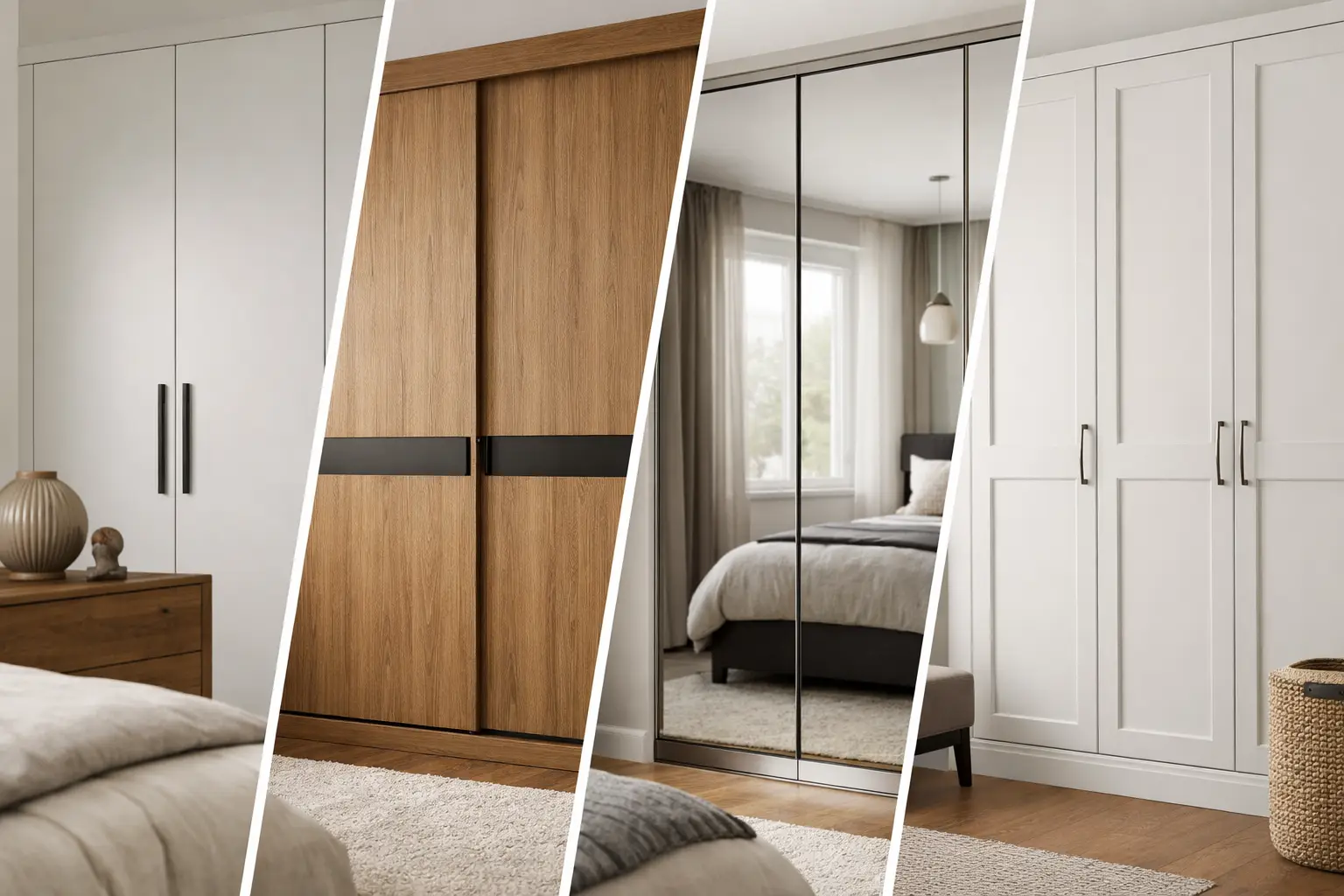
A wardrobe can look beautiful in a showroom and still be the wrong choice for your room. The detail that often makes the biggest difference is the door style. This guide to wardrobe door styles is designed to help you choose a look that suits your space, works with your layout and feels right for the way you live every day.
In fitted furniture, doors are never just a finishing touch. They affect how easily you move around the room, how much of the interior you can access at once, how light travels through the space and whether the wardrobe feels calm and architectural or more classic and decorative. In a London home, where alcoves, chimney breasts, loft slopes and compact floorplans are common, those details matter.
Guide to wardrobe door styles: start with the room
Before choosing a finish or colour, it helps to look at the practical shape of the room. A wide main bedroom with generous clearance in front of the wardrobe can accommodate almost any door type. A narrower room, or one where the bed sits close to the storage wall, usually calls for a more careful approach.
Door style should also reflect how you use the wardrobe. If you like to see the full interior at once while dressing, one option will feel more natural than another. If you prefer a cleaner frontage with a more minimal visual presence, a different style may be the better fit. The best results come from balancing appearance with everyday function rather than choosing on looks alone.
Hinged wardrobe doors
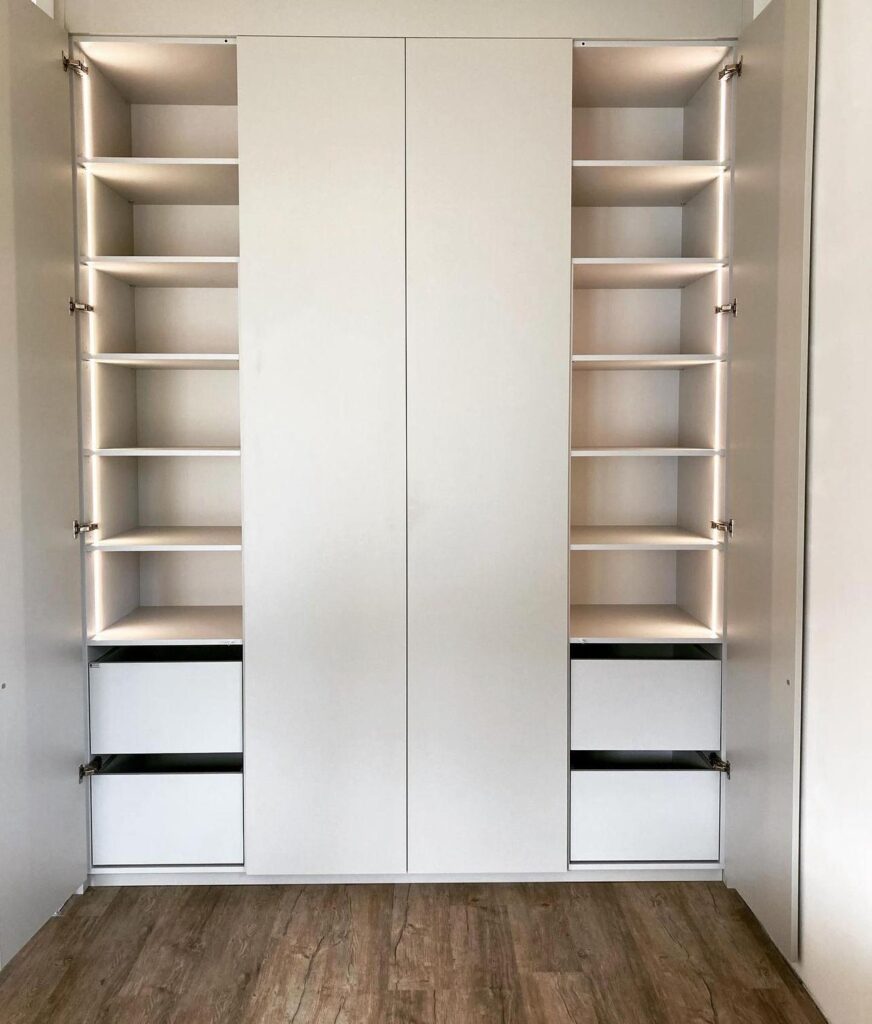
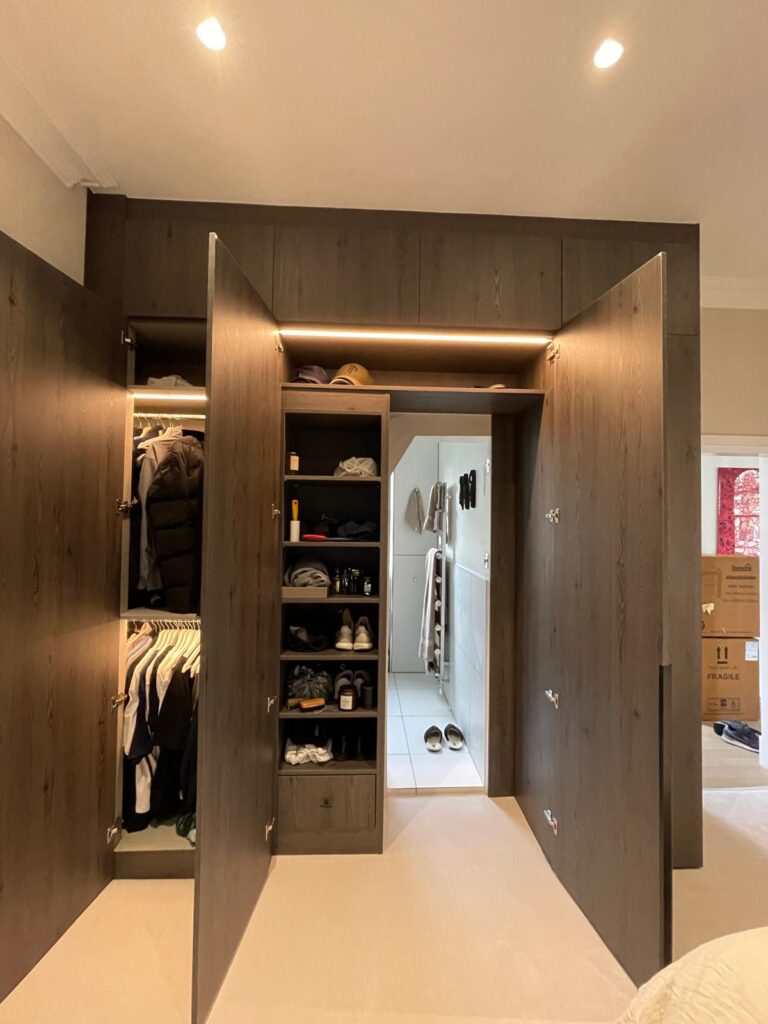
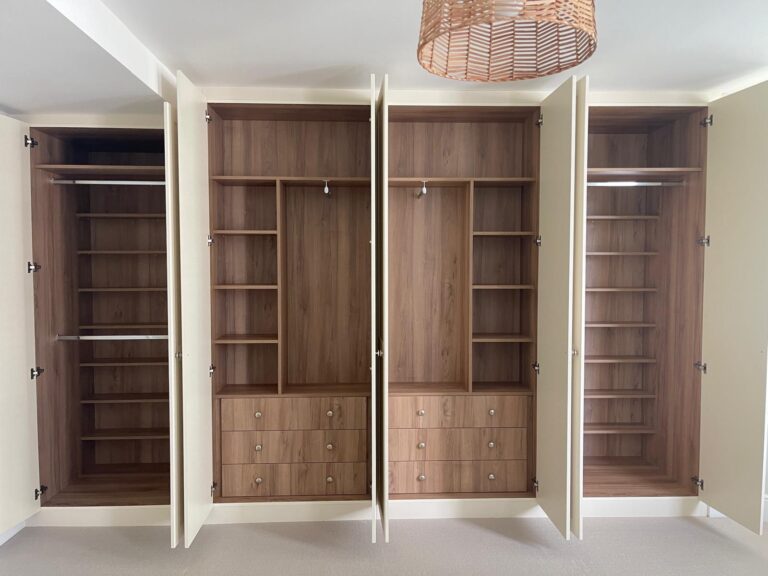
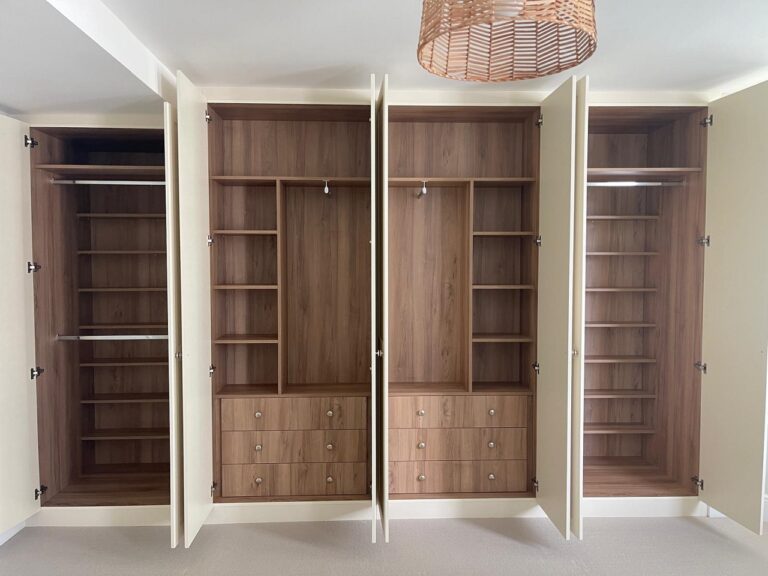
Hinged doors are the most familiar option, but in bespoke fitted wardrobes they can feel far more refined than the standard versions many people picture. They open fully, giving you complete access to each section of the wardrobe, which is particularly useful when the interior is carefully planned with drawers, shelving, pull-out storage or double hanging.
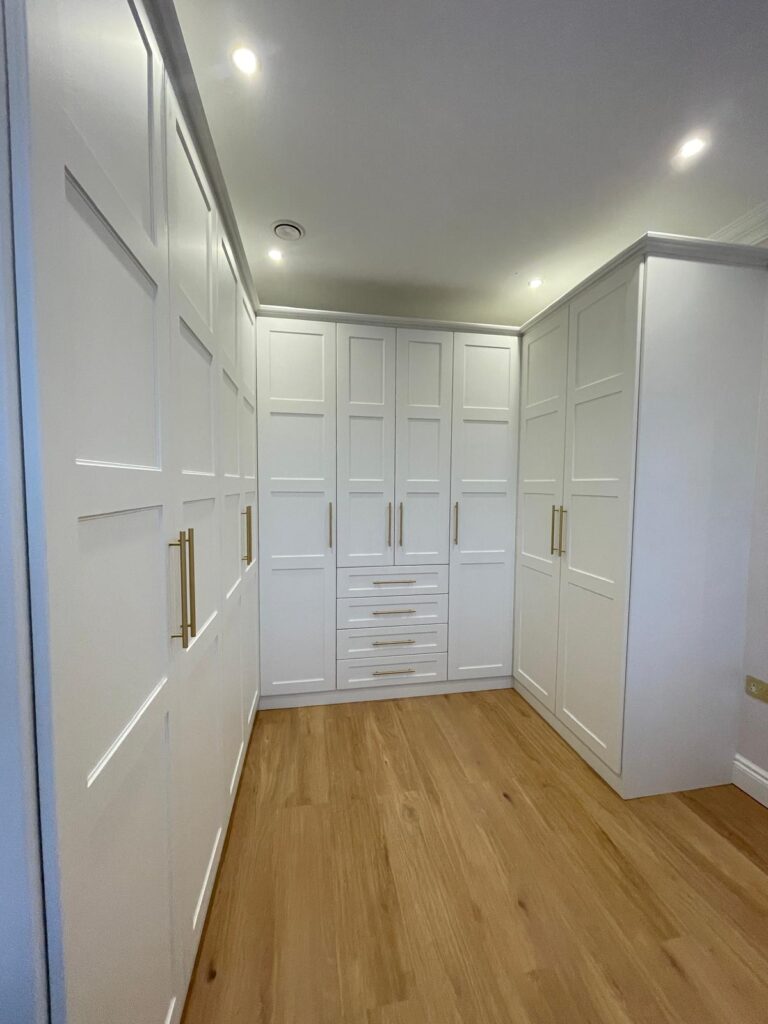
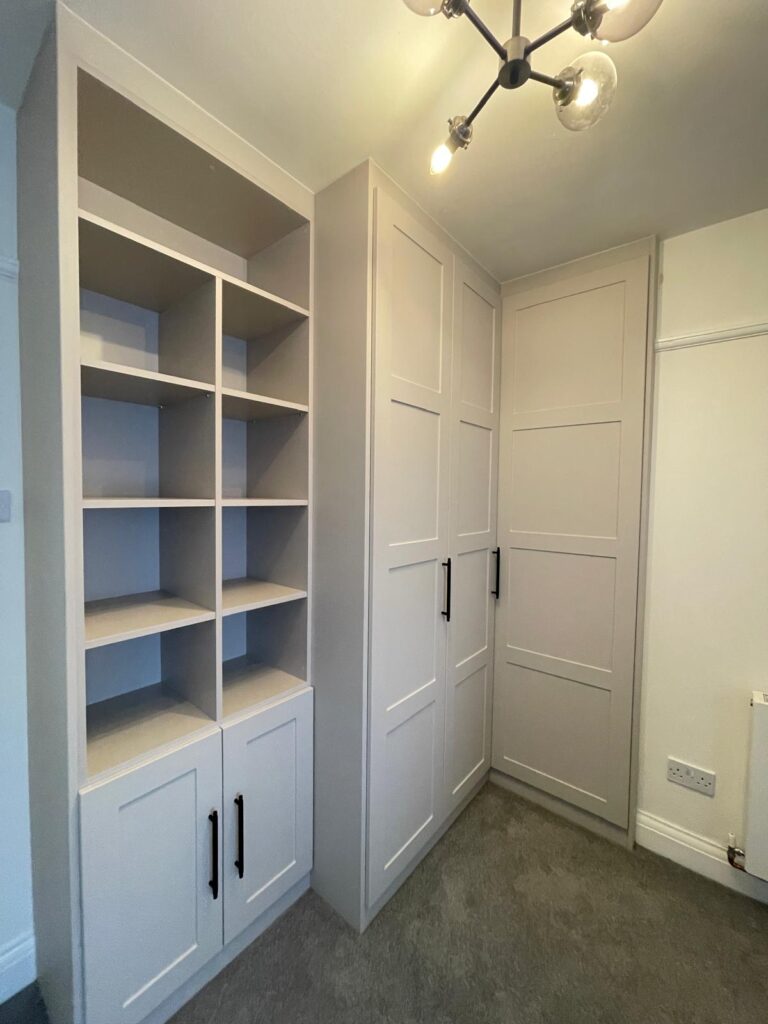
For homeowners who want a classic fitted look, hinged doors are often the strongest choice. They work beautifully in shaker designs, panelled fronts and painted finishes, and they suit period homes especially well. In Victorian and Edwardian properties, where original features deserve a wardrobe style with some presence and detail, hinged doors often feel more in keeping with the architecture.
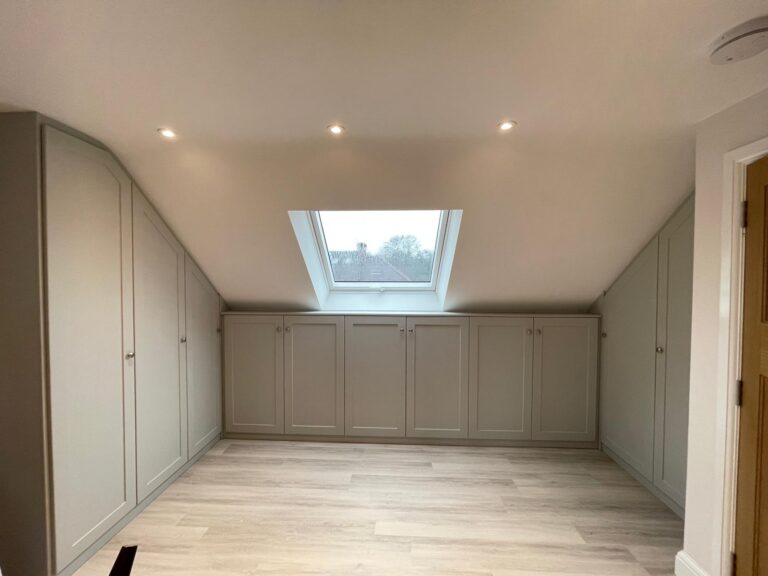
The trade-off is clearance. Because the doors open out into the room, you need enough space in front of the wardrobe for them to operate comfortably. In a spacious principal bedroom, that is rarely a problem. In a smaller bedroom or a loft conversion, it can be less practical.
Hinged wardrobes also allow for more flexibility with handles, mouldings and decorative finishes. If you want the wardrobe to feel like furniture rather than a flat wall of storage, this style gives you more scope.
When hinged doors work best
Hinged doors tend to suit larger bedrooms, alcove wardrobes, traditional interiors and anyone who values full visibility inside the wardrobe. They are also ideal where the wardrobe interior is divided into dedicated zones for two people and easy access to every compartment matters.
Sliding wardrobe doors
Sliding wardrobe doors are a favourite for modern fitted bedrooms, and for good reason. They save floor space because the doors do not project into the room, which makes them particularly useful in tighter layouts. If the bed, bedside tables or an island sit relatively close to the wardrobe, sliding doors often provide the easiest daily use.
Aesthetically, sliding wardrobes create a cleaner, more contemporary finish. Large panels in glass, mirror, wood effect or matt finishes can make the room feel broader and more composed. In many homes, mirrored sliding doors are also a practical way to increase light and give the impression of more space, especially in bedrooms that are narrower or darker.
There is, however, a compromise. Because the panels slide across one another, you never have the entire wardrobe open at once. For some clients that makes no difference. For others, especially when planning a highly detailed wardrobe interior, it is worth considering whether partial access will become frustrating.
Sliding doors also rely heavily on good manufacturing and installation. Poorly made systems can feel flimsy or awkward over time. Well-made bespoke sliding wardrobes are very different. The track, panel proportions and internal layout need to be designed together so the wardrobe feels smooth, balanced and properly integrated into the room.
Why sliding doors suit many London homes
In newer flats, loft rooms and bedrooms where every centimetre counts, sliding doors are often the most efficient answer. They can also look striking in larger homes where the brief is sleek and understated rather than ornate.
Bi-fold wardrobe doors
Bi-fold doors sit somewhere between hinged and sliding options. Rather than opening out as one full panel, each door folds in on itself. That means they need less clearance than standard hinged doors while still giving broader access than sliding systems.
They can be useful in awkward layouts where a hinged door would feel too intrusive but the client still wants to see more of the wardrobe interior at once. In some dressing areas, utility spaces or compact bedrooms, they offer a practical middle ground.
That said, bi-fold doors are not always the first choice for a luxury fitted look. They can work well, but they need careful design to avoid feeling too lightweight or overly functional. In higher-end bedroom schemes, hinged or sliding doors are often preferred simply because they offer a cleaner visual result.
Crittall-style, mirrored and glazed doors
Once the opening style is chosen, the front finish changes the mood entirely. This is where the wardrobe starts to influence the whole room rather than just solving storage.
Mirrored doors remain one of the most effective ways to make a bedroom feel brighter and more spacious. They are especially useful in smaller rooms and dressing spaces where a full-length mirror would otherwise take up wall space. The look can be crisp and contemporary or softer depending on the frame and surrounding materials.
Glazed or smoked glass doors offer a more design-led feel. They work particularly well in walk-in wardrobes or dressing rooms, where a partially visible interior can feel elegant rather than exposed. The key is organisation. Behind glass, everything is more on show, so the interior needs to be planned with that in mind.
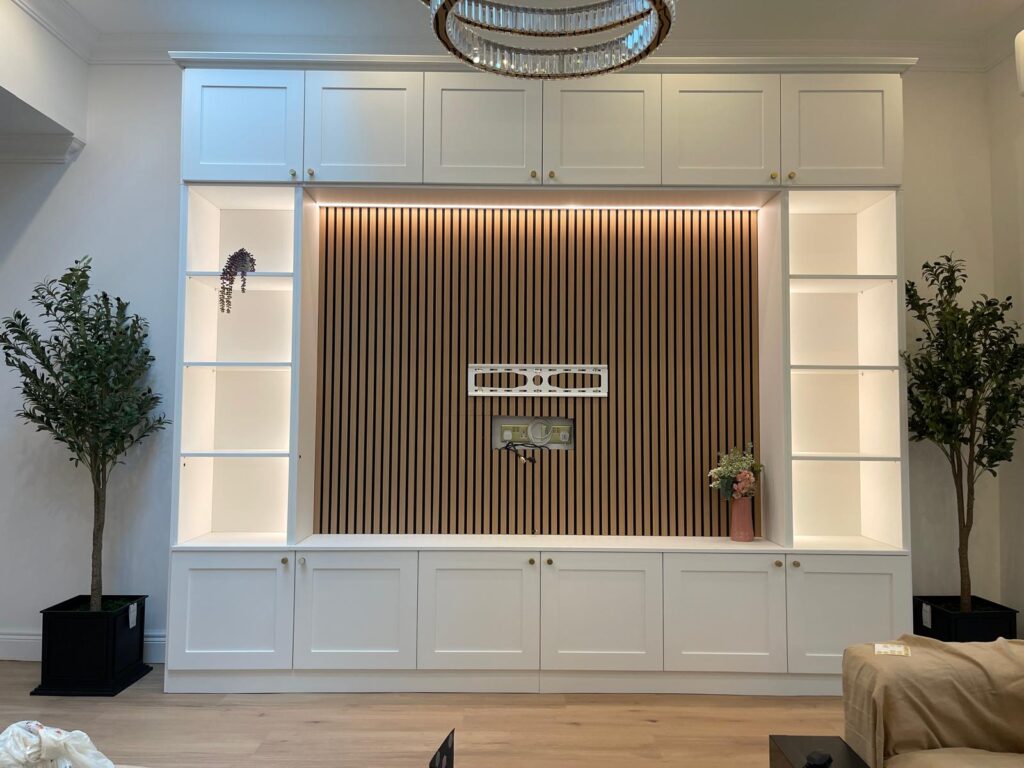
Crittall-style framed doors have become increasingly popular in modern homes. They bring definition and a slightly architectural edge, often suiting media walls and fitted furniture elsewhere in the home too. They are stylish, but not for every setting. In a very traditional bedroom, they may feel too stark unless balanced carefully with softer finishes.
Shaker, slab and handleless fronts
A good guide to wardrobe door styles should look beyond mechanics and consider detailing. The same hinged wardrobe can feel traditional, contemporary or somewhere between depending on the door design itself.
Shaker doors are enduring because they are versatile. They suit painted finishes beautifully, add depth without fuss and work well in both period and newer homes. If you want a wardrobe that feels tailored and timeless, shaker is often a safe and sophisticated choice.
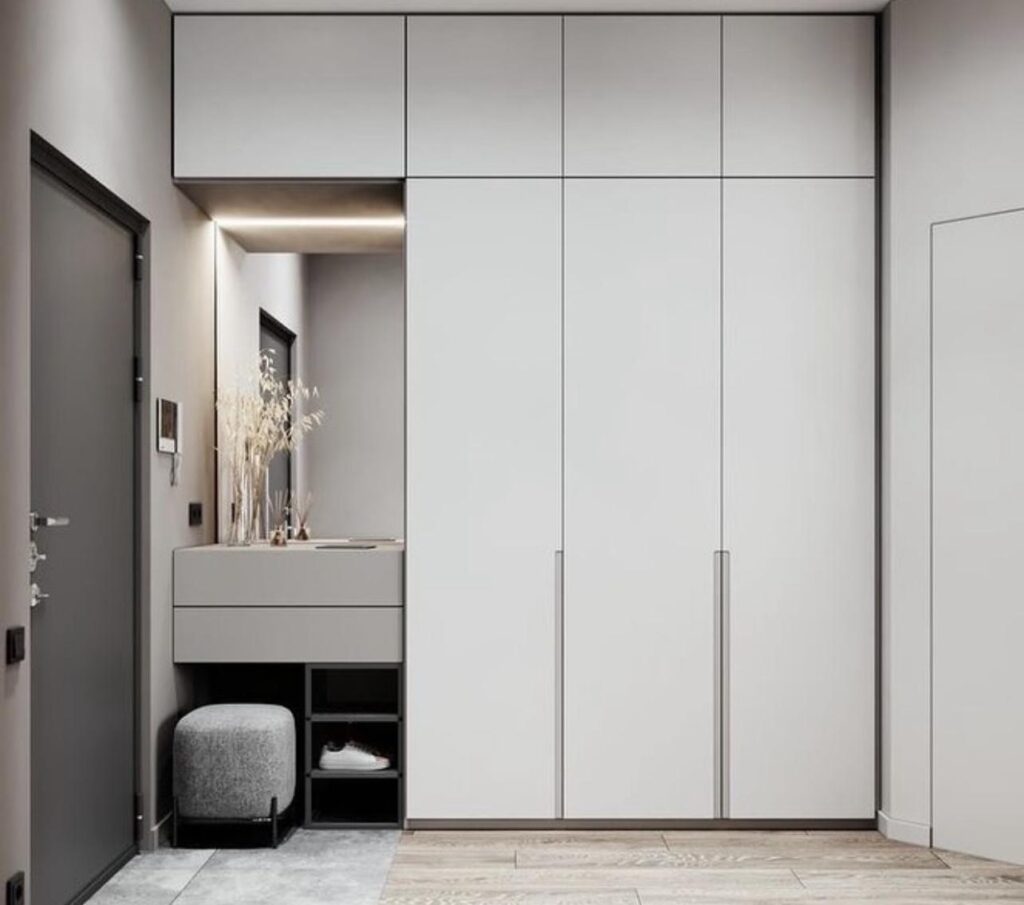
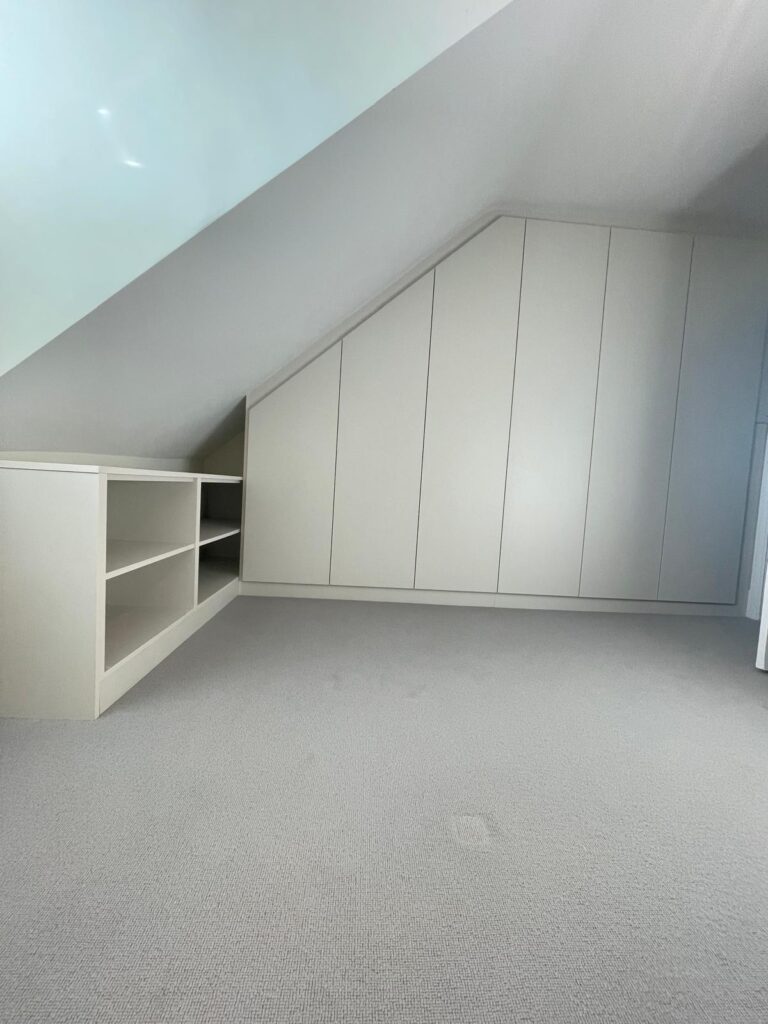
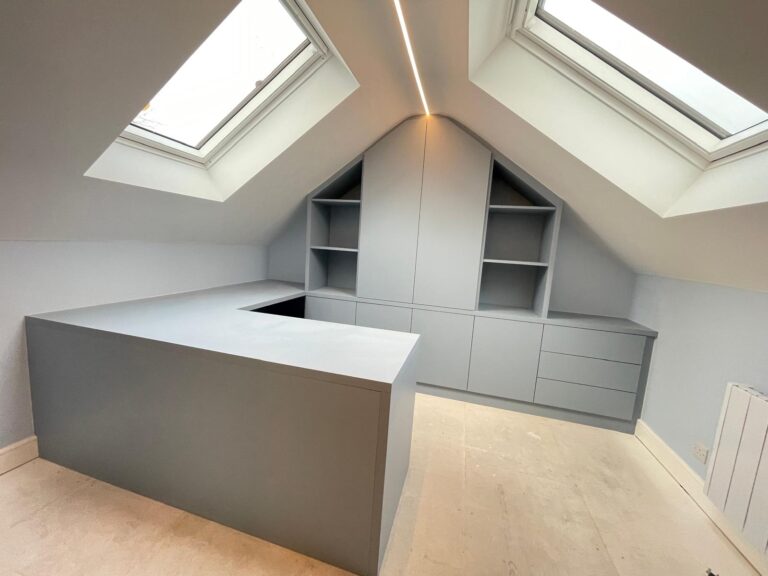
Slab doors are simpler and more minimal. They create a flatter frontage and suit contemporary bedrooms, especially when paired with wood effect finishes, matt neutrals or integrated handles. This style tends to work well where the wardrobe is intended to blend quietly into the architecture.
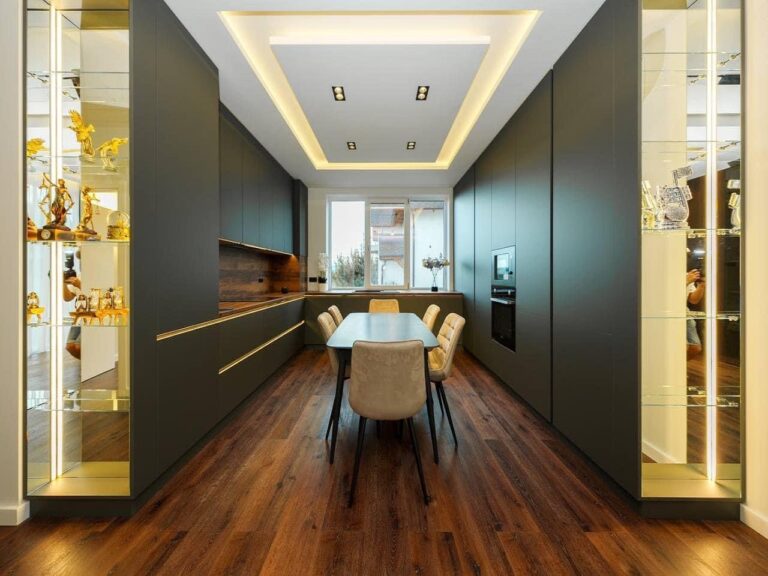
Handleless designs push that minimal approach further. They can look very sleek, particularly in modern extensions and design-led renovations. The important thing is usability. A wardrobe should feel good to open every day, not just look smart in photographs.
Choosing the right style for your lifestyle
The right wardrobe door is not always the one that looks best in isolation. It is the one that fits the room and your routine. If you are furnishing a family bedroom with generous proportions, hinged shaker doors may offer the best mix of access and elegance. If you are planning storage for a compact bedroom in Wimbledon or a streamlined loft room, sliding doors may make the space work far better.
It also helps to think long term. Trends change, but a fitted wardrobe is part of the fabric of the room. Neutral finishes, well-balanced proportions and door styles that suit the property itself usually age best. That does not mean playing safe. It means making sure the design still feels right in five or ten years.
Budget matters too, but value is not only about the starting price. A bespoke wardrobe that is properly designed around the room can make daily life easier, reduce visual clutter and add a sense of permanence that freestanding furniture rarely achieves. The door style plays a major role in that result.
The best wardrobe doors are designed, not picked
Many people begin by asking which wardrobe door style is best. The more useful question is which wardrobe door style is best for this room, this property and this way of living. That is where bespoke design makes the difference.
At Finest Furniture Studio, we see door choices as part of a larger conversation about layout, storage, architecture and finish. A successful wardrobe should feel as though it belongs in the room from the start, not as though it was added later to fill a gap.
If you are weighing up sliding, hinged or more decorative wardrobe fronts, trust the room first. When the proportions, access and detailing are right, the wardrobe stops being just storage and starts becoming part of what makes the bedroom feel beautifully resolved.