





Why Custom Shelving Changes a Room
Custom shelving is usually worth it when a room needs more than a flat-pack compromise. In a bespoke interior, shelves have to work with awkward corners, ceiling height, skirting, sockets, alcoves, or sloped ceilings, not against them. That is where custom shelving earns its place. It gives you a cleaner fit, better use of space, and a result that feels built into the room rather than dropped into it.
What Makes It Different From Off-the-Shelf
Off-the-shelf shelving is built to a standard width and depth, which is efficient for mass production but rarely ideal for domestic layouts. Custom shelving is measured for the room, then designed around the way you actually use the space. The practical difference is not just appearance. It affects clearance, storage volume, access, and how much dead space you leave at the edges.
The Real Advantages in Daily Use
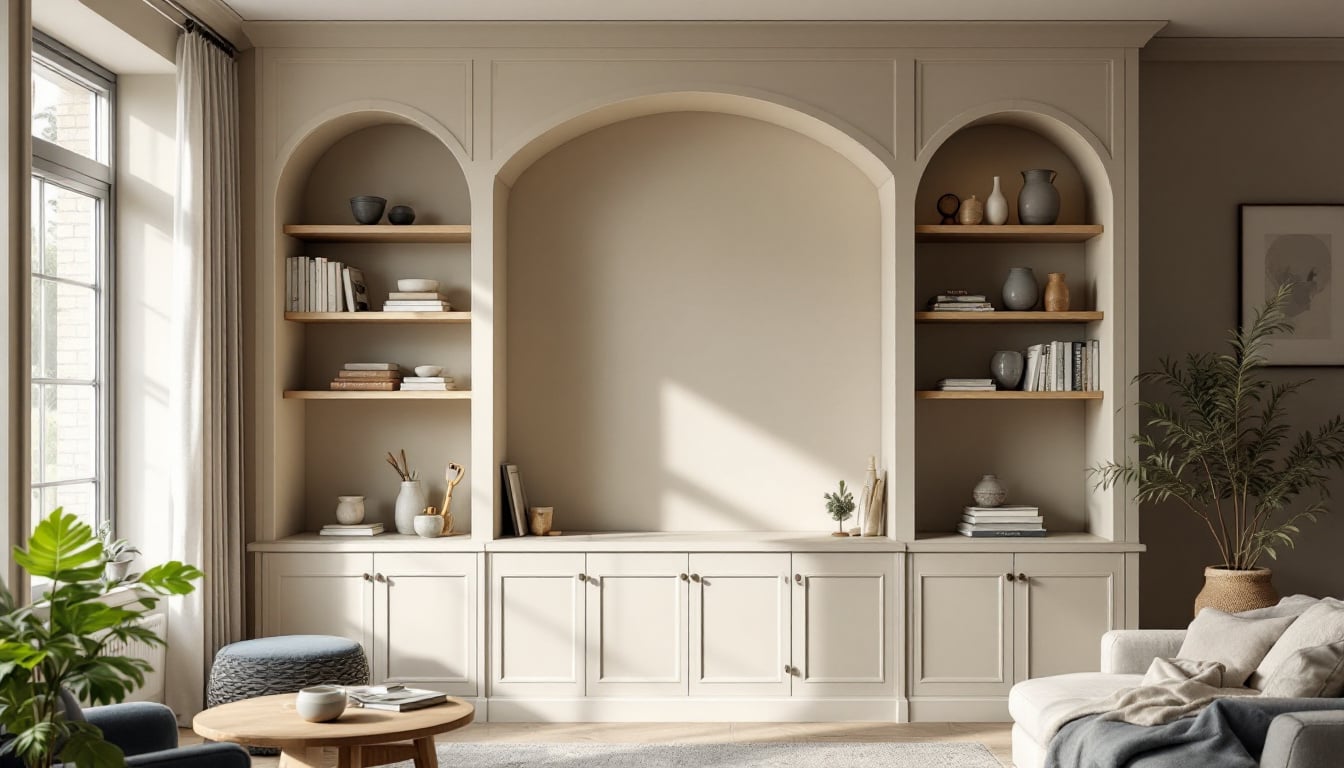
The most obvious win is fit, but the bigger advantage is usability. A shelf system designed for the room can separate display from hidden storage, keep heavy items at a practical height, and avoid wasted gaps that collect dust. In fitted interiors, even 50 mm to 100 mm of recovered width can matter because it lets you store one more stack of books, folders, or folded items without making the room feel crowded.
How to Judge Whether It Is Worth the Cost
A useful decision rule is simple: if the room has a fixed architectural constraint, or if the shelf unit needs to look like part of the architecture, custom shelving is usually justified. If you only need temporary storage in a spare room, standard furniture may be enough. The trade-off is upfront cost versus long-term fit. Custom shelving often makes the most sense when replacement would be awkward, such as in alcoves, lofts, or under stairs.
Measure the Space Before You Decide
Good planning starts with measurements, not inspiration photos. Measure the full wall, then check ceiling height at several points, because older homes are often out of square. Record skirting depth, radiator positions, plug sockets, light switches, and any projection from the wall. For custom shelving in a bespoke interior, the difference between a neat install and a frustrating one is often a single overlooked obstacle.
What to Measure First
Start with width, height, and depth, then note the parts of the room that are visually fixed, such as fireplace surrounds, window reveals, or alcove edges. If the shelving will sit beside furniture or a door swing, check the opening clearance as well. A common mistake is designing to the widest point and discovering that the room narrows by the time you reach the top or bottom.
Why Depth Matters More Than People Think
Depth affects what the shelving can actually store. A display shelf may only need 200 mm to 250 mm, but books, baskets, and media items often need more. Too much depth can make a room feel heavy, while too little creates unusable shelves. The right custom shelving depth is usually a compromise between capacity, room proportion, and how often you need access to the items.
Design Choices That Affect Function
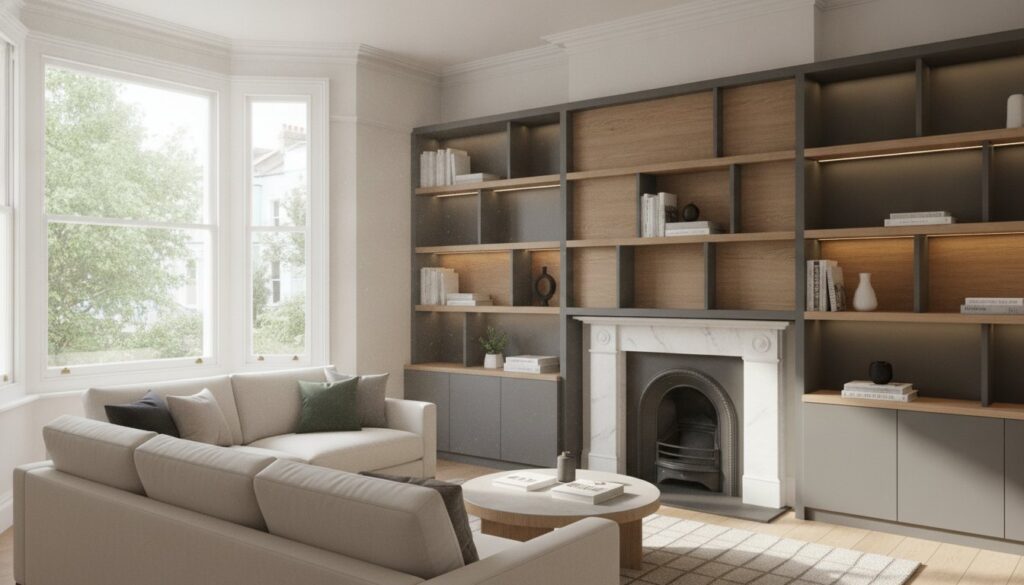
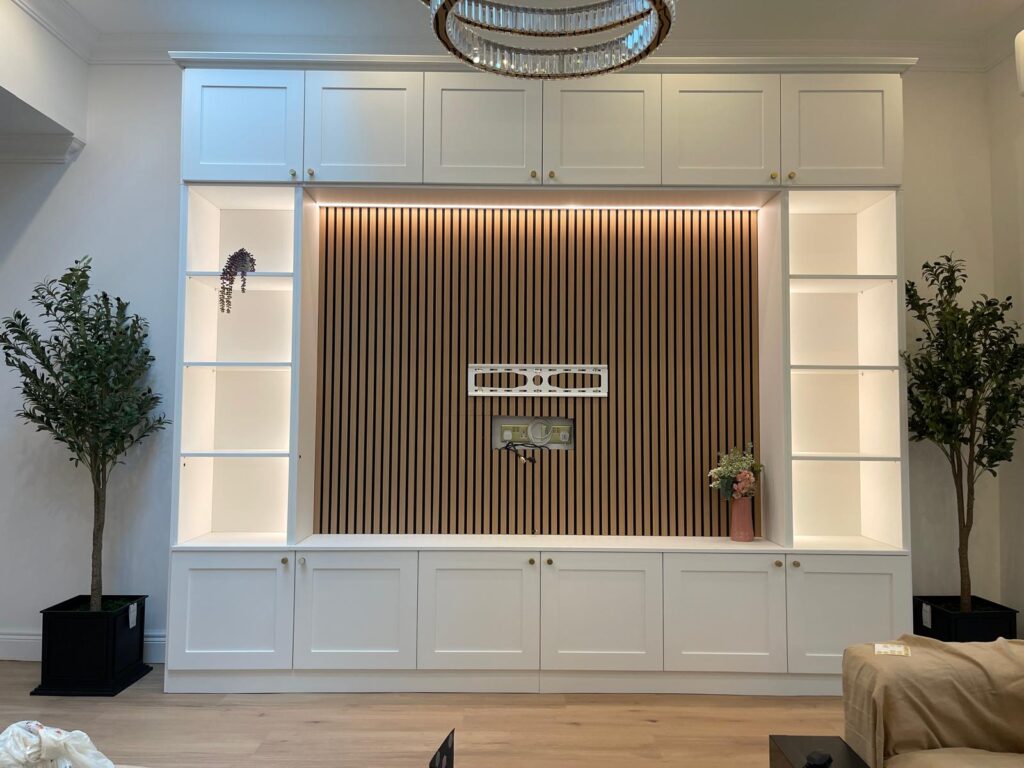
Design is where custom shelving shifts from storage to interior planning. The strongest designs balance open shelves, closed cupboards, and negative space, so the room still breathes. In a bespoke interior, shelves can frame a TV, stretch into an alcove, or support a home office wall without looking like separate pieces forced together. The best result is usually the simplest one that solves the layout cleanly.
Open, Closed, or Mixed Storage
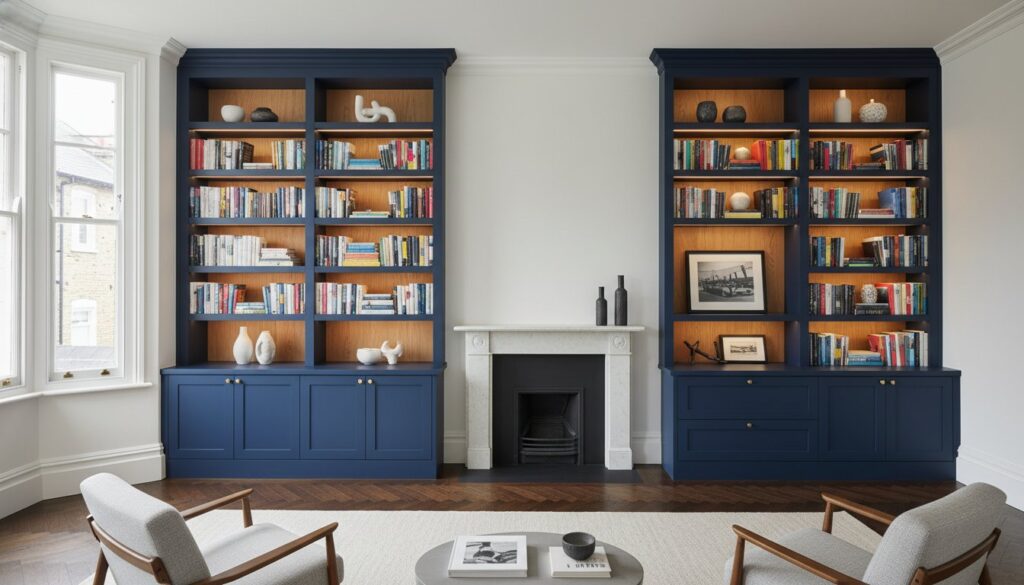
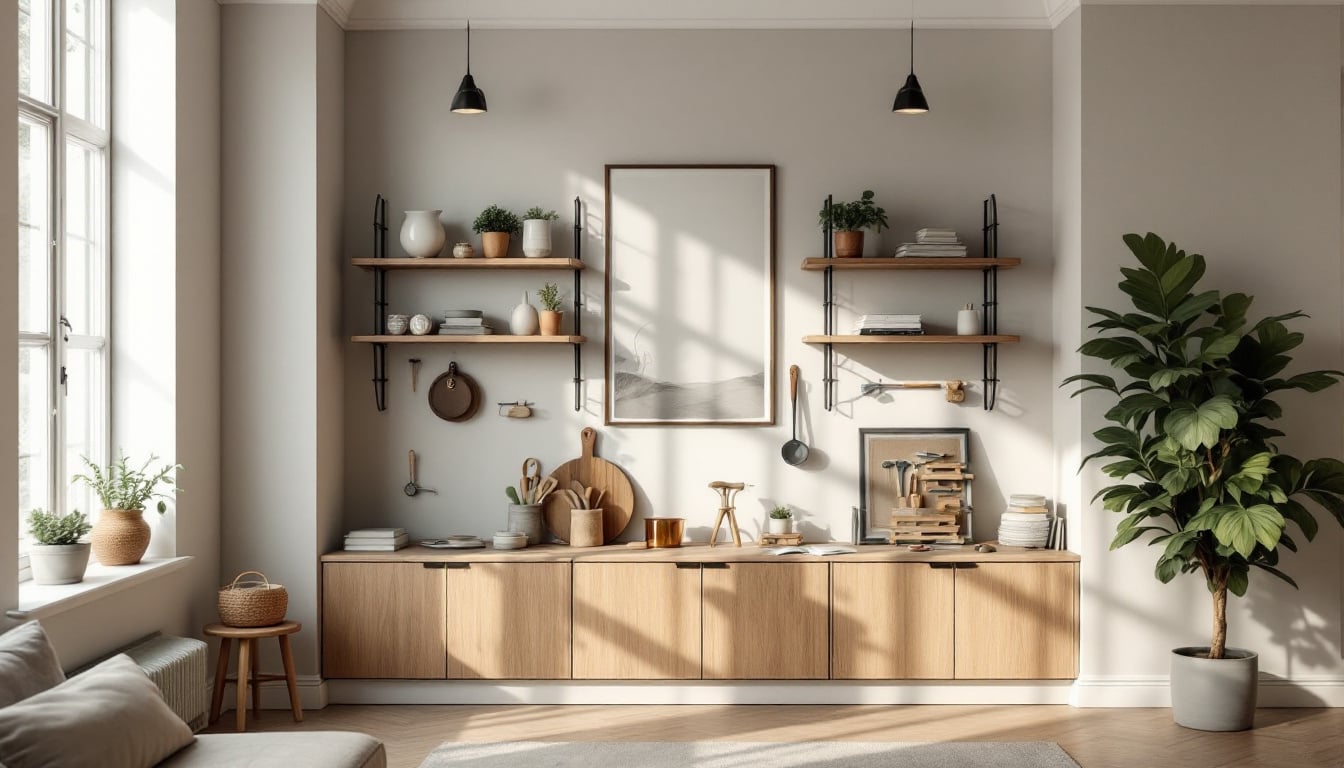
Open shelving works best for items you use often or want to display. Closed sections are better for clutter, paperwork, cables, or items that do not add to the room visually. A mixed design is often the most practical choice because it keeps daily-use items accessible while hiding the less attractive parts of real life. This is especially useful in living rooms and bedrooms where the same unit has to do two jobs.
Matching Shelving to the Room’s Architecture
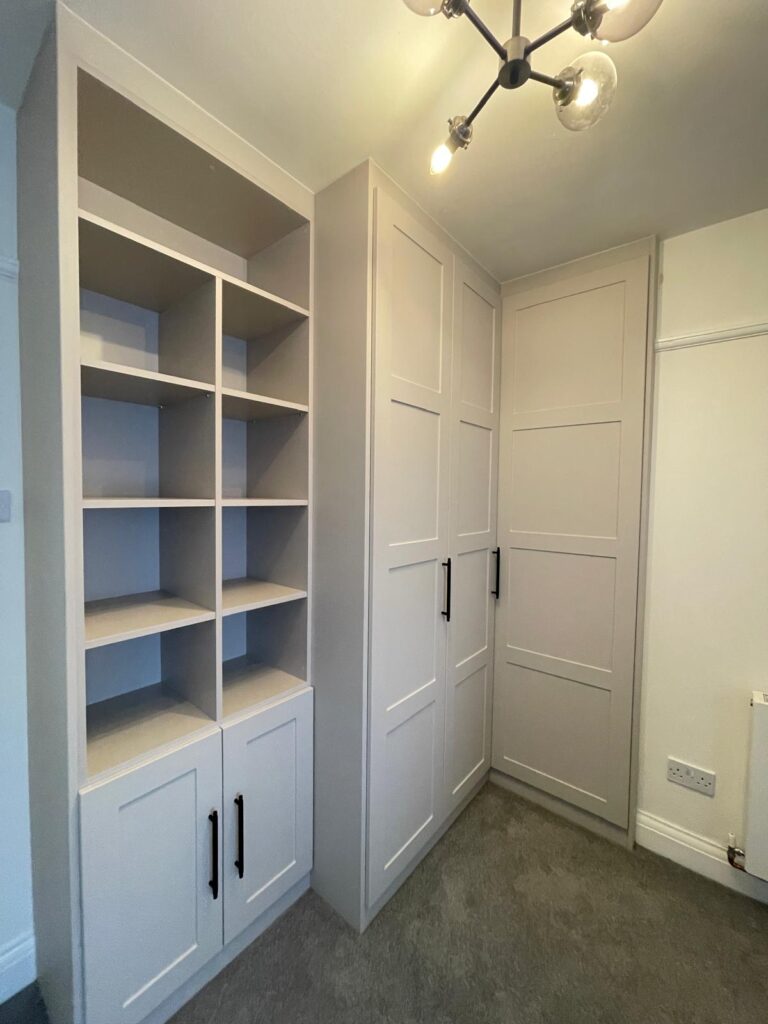
A bespoke room looks more convincing when the shelving follows the architecture instead of ignoring it. That may mean aligning vertical lines with existing joinery, carrying a cornice detail across the top, or matching door and panel proportions. The goal is not decoration for its own sake. It is visual consistency, which is why custom shelving often looks more expensive than it is by comparison with stand-alone furniture.
Materials and Finishes That Hold Up
Material choice affects both durability and how the shelving feels in the room. Painted MDF is common in bespoke interiors because it gives a smooth finish and allows colour matching. Veneered boards can bring warmth and texture, while solid timber is usually chosen for visible detail or a particular natural look. The right choice depends on use, budget, and how much wear the shelves will take.
How to Choose a Finish Without Regretting It
If the shelving will sit in a high-touch area, prioritize finishes that resist scuffs and are easy to clean. If the room is small, a lighter finish can stop the unit from dominating the wall. If the space already has strong colour or grain, keep the shelving quieter so it supports the room rather than competing with it. The common mistake is choosing a dramatic finish that looks good in isolation but overwhelms the room.
Build Quality Is Not Just About Appearance
Look at shelf thickness, bracket support, fixing method, and edge finishing, because those details determine whether the unit stays true over time. If the shelves will carry books or heavier objects, the load path matters more than the surface look. In custom shelving, a clean finish is only useful if the structure underneath is properly specified for the weight it will hold.
Where Custom Shelving Adds the Most Value
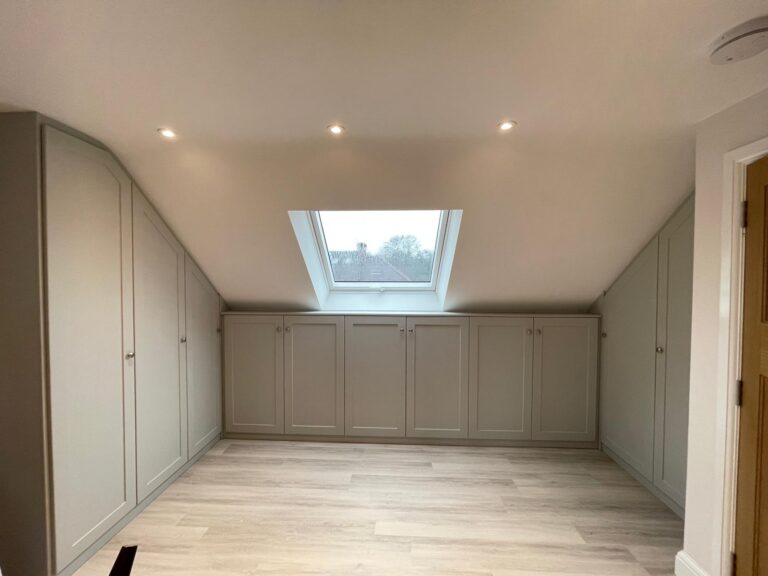
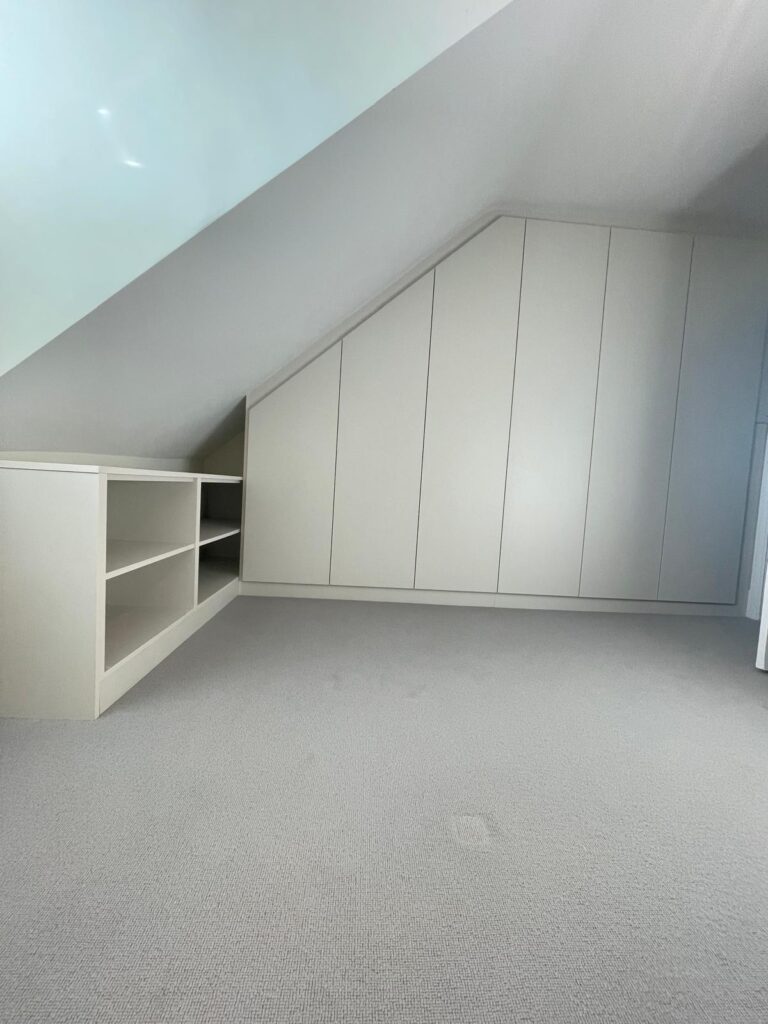
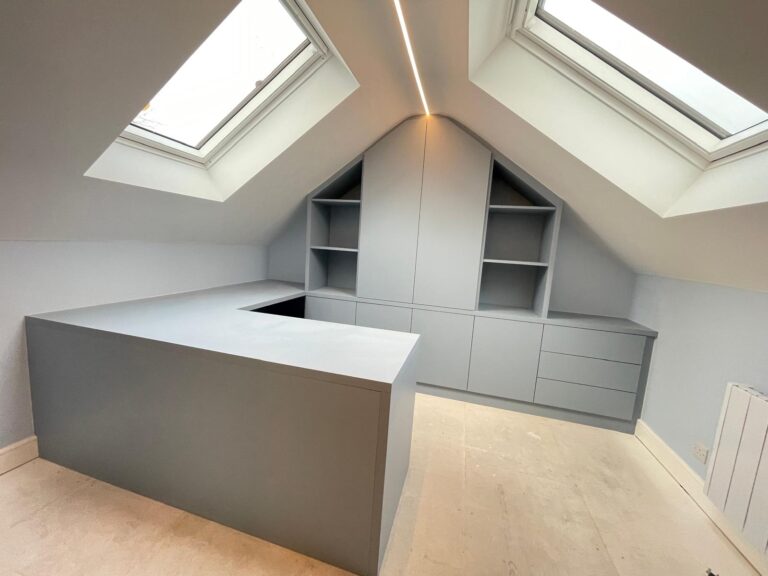
Some rooms benefit more than others. Alcoves, loft conversions, under-stair areas, and awkward living room walls are obvious candidates because standard furniture rarely fits them well. Bedrooms also benefit when shelving has to work around wardrobes, bedside areas, or sloped ceilings. In these spaces, custom shelving is less about luxury and more about making difficult square footage genuinely usable.
Alcoves and Fireplaces
Alcoves are one of the clearest use cases because the dimensions are rarely standard. Custom shelving can bring the two sides into balance, reduce visual clutter, and create a built-in look that improves the whole wall. If a fireplace is the room’s focal point, shelving should support that focal point rather than crowd it. Leave enough visual pause around the opening so the room does not feel overpacked.
Lofts, Slopes, and Tight Corners
Sloped ceilings and awkward corners are where custom shelving often becomes the only sensible option. Standard units waste space at the top or leave unusable gaps along the slope. A tailored design can step with the ceiling line, maintain usable depth, and still look intentional. The practical test is whether the shelving makes the room easier to use without reducing head height where you need it.
How to Brief a Good Design Properly
A strong brief saves time and prevents avoidable revisions. Start with the items you need to store, the objects you want to display, and the look you want the room to keep. Then share exact room measurements, photos from multiple angles, and any constraints such as radiators, uneven walls, or existing furniture. For custom shelving in a bespoke interior, a clear brief usually produces a better solution than asking for “something stylish.”
A Simple Briefing Workflow
First, list what the shelving must hold, because storage needs drive depth and spacing. Second, mark what must stay accessible, such as switches or vents. Third, decide which items can be hidden behind doors and which should remain open. Fourth, confirm the finish you want to live with every day, not just the one that looks good in a sample. That sequence keeps the design practical from the start.
Questions Worth Asking Before You Order
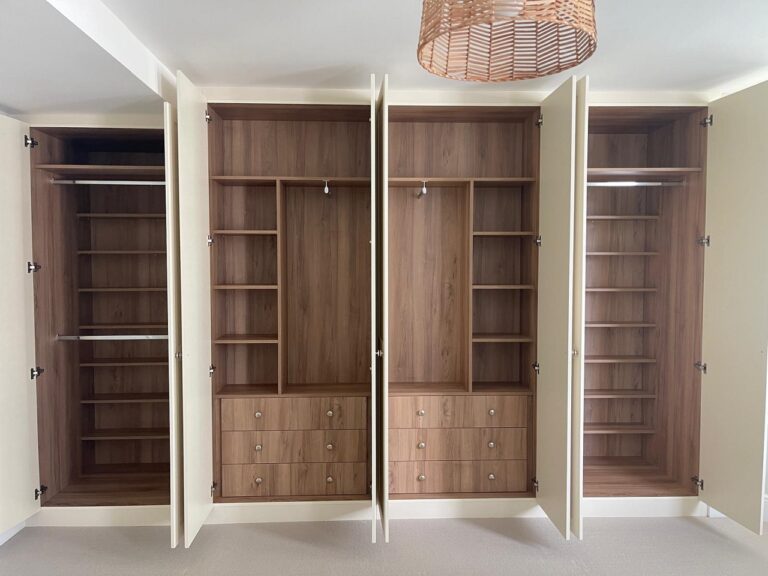
Ask how the unit will be fixed, whether it can be adjusted for uneven walls, what the lead time looks like, and how the finish will be protected during fitting. If the project includes bespoke fitted wardrobes or adjoining furniture, ask how the shelving will align with the rest of the joinery. That kind of detail matters because a good fit between elements is what makes a bespoke interior feel complete.
Cost, Lead Time, and Fitting Trade-Offs
Custom shelving costs more than a ready-made unit because it includes design, measurement, manufacture, and fitting. The upside is reduced waste, better use of space, and a result that matches the room. Lead time also matters. If the shelving is being made for a renovation, check when walls, floors, and electrics will be finished, because fitting too early can create damage or force rework.
What Usually Drives the Price
Price is mainly shaped by size, complexity, materials, finish, and installation conditions. A straightforward wall of shelving is simpler than a multi-zone design with cupboard doors, lighting, or an integrated TV recess. Access also affects cost if the room is difficult to reach or requires careful on-site adjustment. If you want to control budget, simplify the geometry before you compromise on the materials that will be visible every day.
Lead Times and Fitting Windows
If a studio mentions fitting in 7 to 10 days, that usually refers to the installation window once the unit is ready, not the whole project from first measure to final fix. The realistic planning question is whether your room will be ready when the unit is. Work backwards from flooring, decoration, and electrical completion, then choose the fitting date so the shelving can be installed without risk of damage.
How Custom Shelving Compares With Ready-Made Options
Ready-made shelving is faster and cheaper to buy, and that is enough for some rooms. But in a bespoke interior, the comparison should focus on fit, permanence, and how much visual compromise you are willing to accept. If the unit will sit in a visible main room, or if the wall has a non-standard shape, custom shelving usually beats standard furniture because it solves the layout instead of working around it.
When Ready-Made Is Good Enough
Choose ready-made if the room is square, the storage need is temporary, and the unit is unlikely to be a focal point. It can also be the right call if you need immediate storage and do not want design lead time. The limitation is that ready-made pieces often leave unused gaps, which means they may look fine at first but never feel fully integrated.
When Bespoke Is the Better Buy
Choose bespoke when the shelving has to solve a visual or spatial problem that off-the-shelf furniture cannot. That includes uneven walls, ceiling slopes, awkward recesses, or a room where every millimetre matters. In those cases, custom shelving is not a luxury add-on, it is the most efficient way to get usable storage without compromising the room’s layout.
Quick Takeaways
Custom shelving is most valuable when the room has awkward dimensions, visible architecture, or storage that needs to look built-in. Measure carefully, especially width, height, depth, and obstructions such as sockets or skirting. Choose materials and finishes based on daily wear, not just appearance. Mixed open and closed storage usually works better than all-open shelving. Briefing matters, because a clear list of storage needs and room constraints leads to a better design. If you want a fit that supports a bespoke interior rather than fighting it, custom shelving is usually the stronger long-term choice.
Bespoke Interior Details That Make the Difference
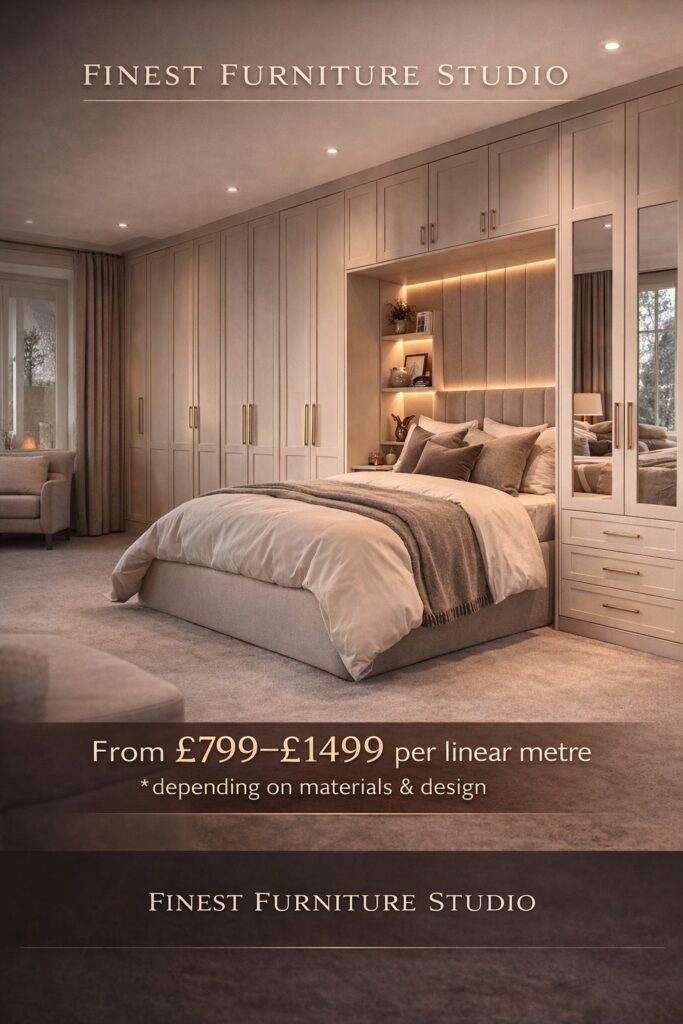
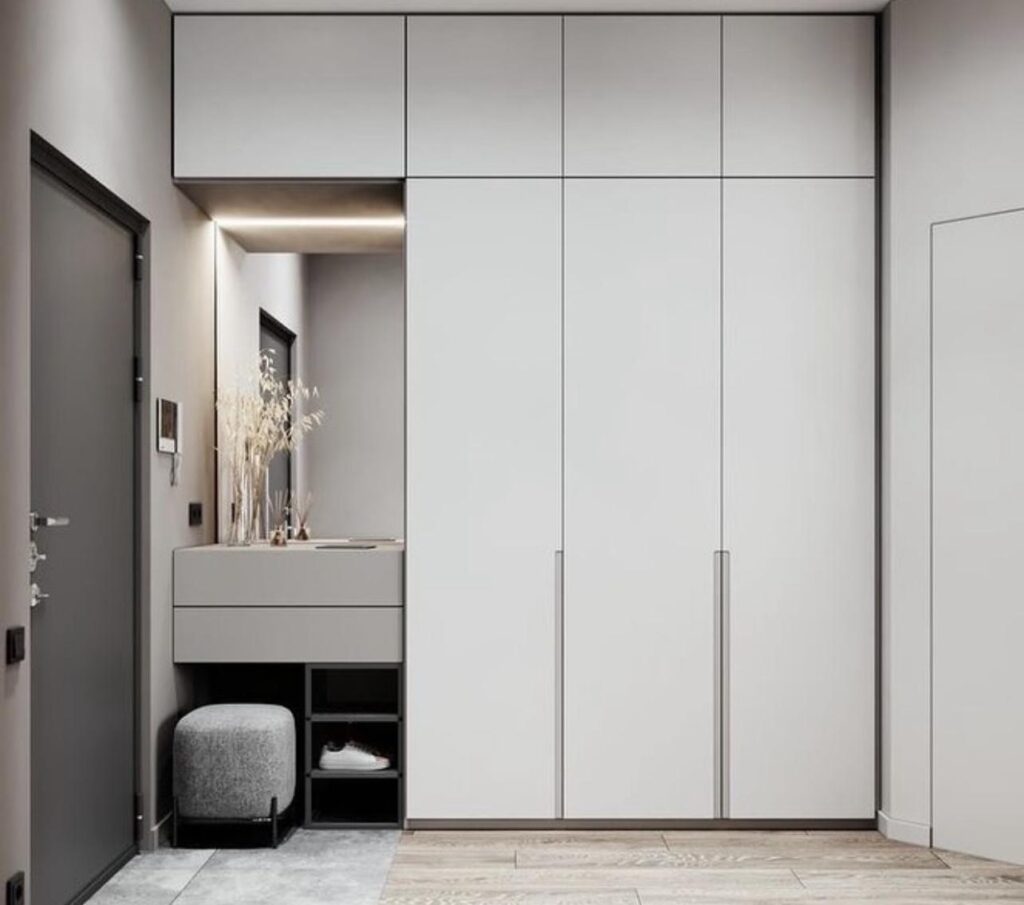
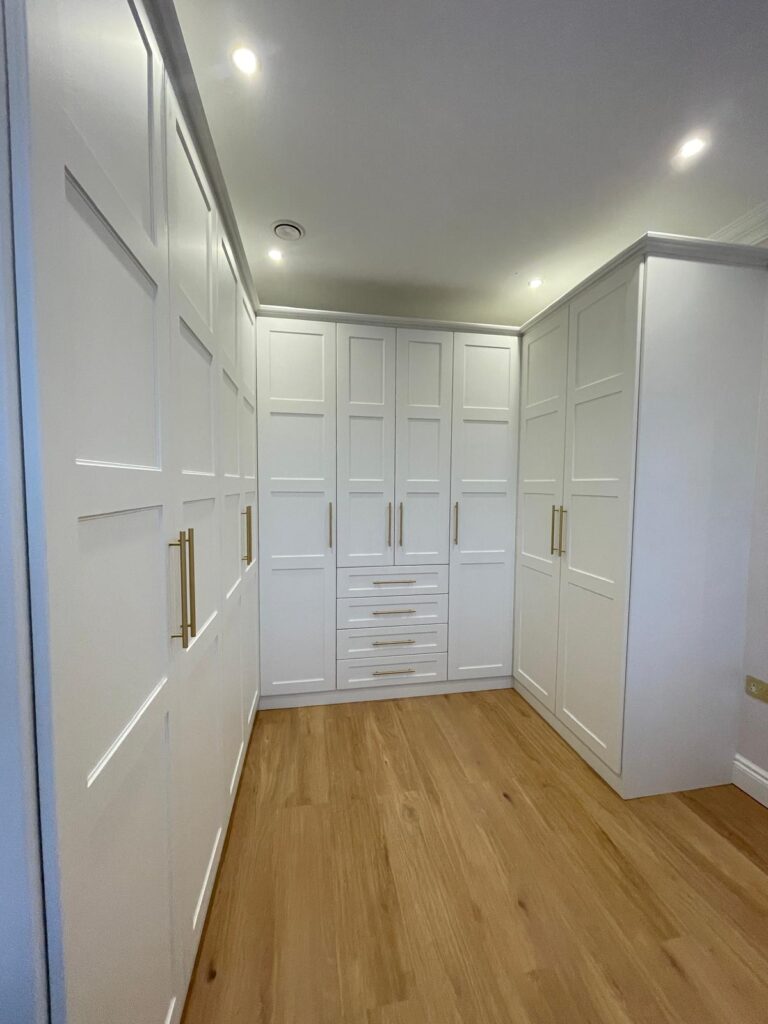
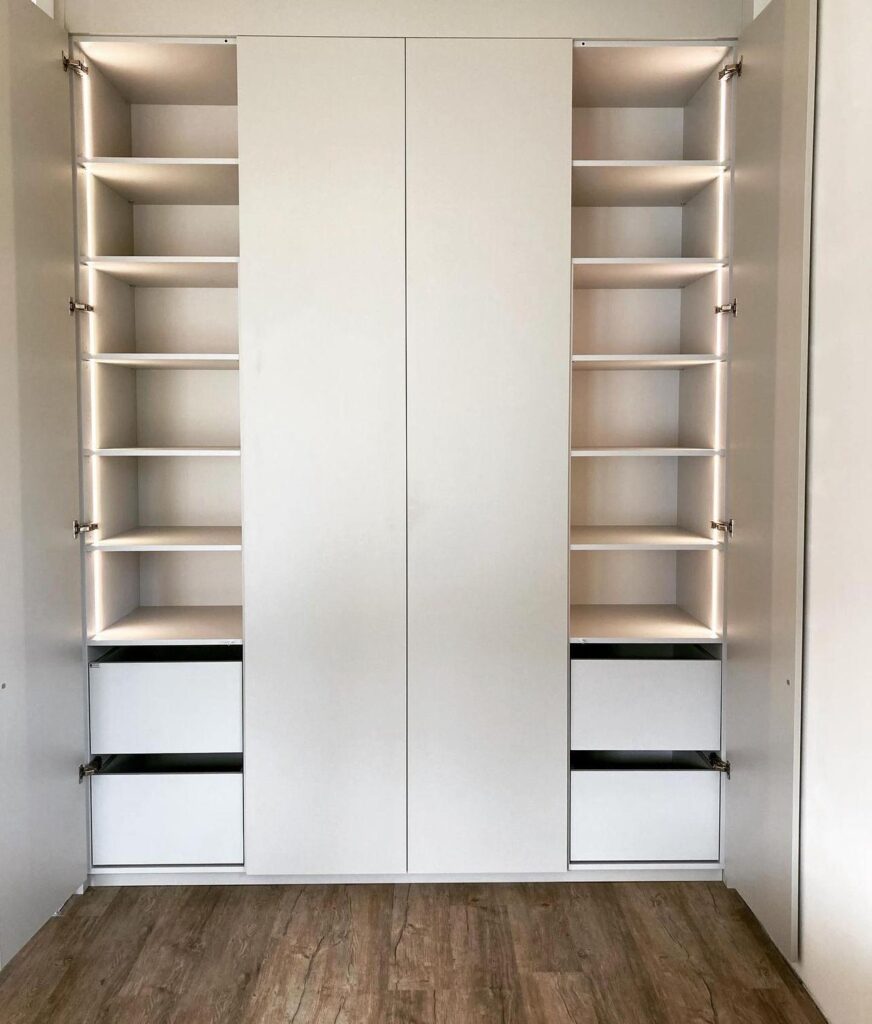
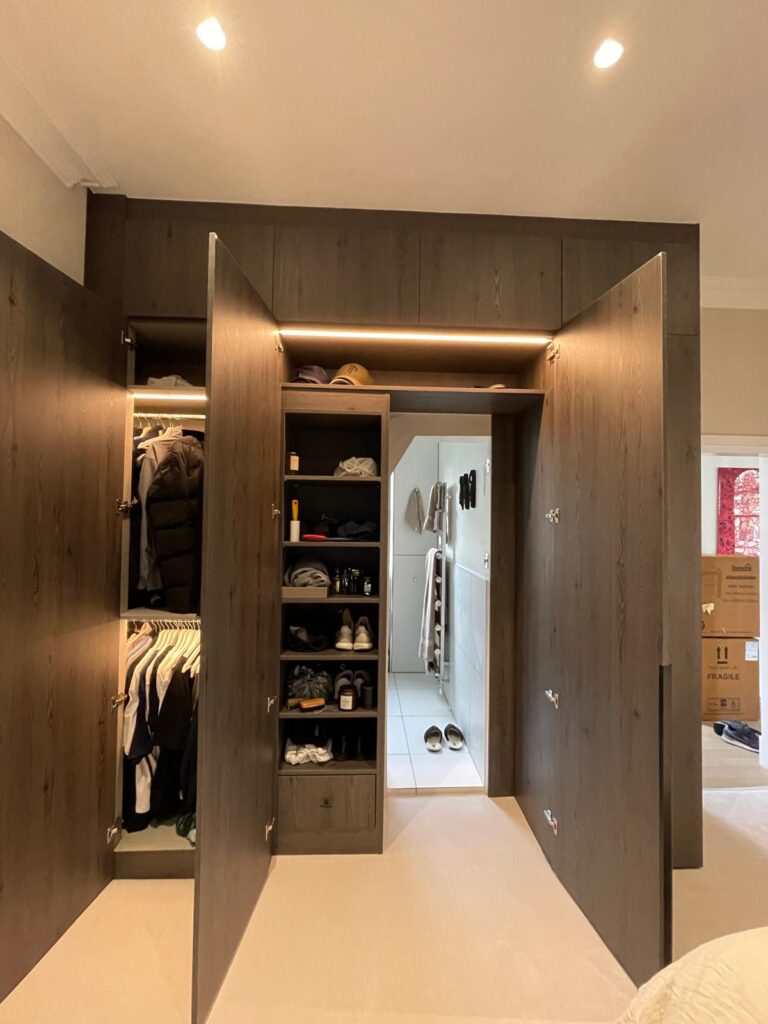
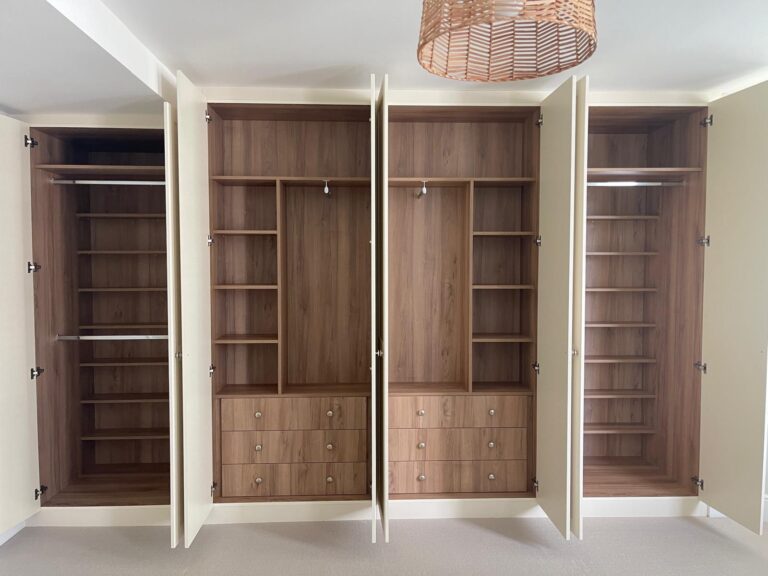
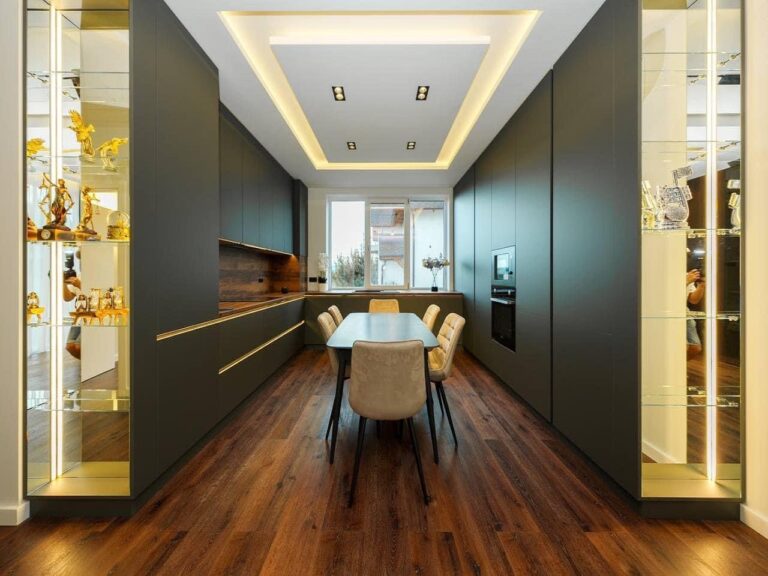
The best custom shelving does more than store items. It helps the whole room feel intentional. Small details such as shadow gaps, aligned panel widths, integrated lighting, or matching timber tones can make the unit feel like part of the architecture. That is why custom shelving often works so well alongside bespoke interior doors, fitted wardrobes, or custom cupboard design. The result is less about isolated furniture and more about a coherent room design.
Where the Finishing Touch Lives
Good finishing is often invisible at first glance, which is exactly the point. Flush lines, tidy scribing, and consistent reveals help the shelving read as permanent, not temporary. If the room has multiple custom elements, keep proportions consistent so the eye moves naturally across them. A small mismatch in alignment can make a whole wall feel off, even when the workmanship itself is sound.
A Practical Next Step
If you are deciding whether custom shelving is worth it, start with one wall and test the space against your actual storage needs. Measure the room properly, list what needs to be stored, and decide whether a standard unit would leave visible waste or awkward gaps. If it would, custom shelving is likely the better option. For a tailored approach, a custom furniture studio can turn those measurements into a fitted plan that suits the room and the way you live in it.
Frequently Asked Questions
What is custom shelving and why is it worth it in bespoke interiors?
Custom shelving is shelving made to fit a specific room rather than a standard size. It is worth it in bespoke interiors because it uses awkward wall space better, improves storage capacity, and looks built into the room instead of added later.
How do I know if custom shelving is better than ready-made shelving?
If the wall is uneven, the ceiling slopes, or the shelving needs to match other fitted elements, custom shelving is usually the better choice. Ready-made shelving works best in square rooms where speed and lower cost matter more than a perfect fit.
What should I measure before ordering custom shelving?
Measure width, height, depth, and any obstacles such as sockets, skirting, radiators, or door swings. For custom shelving for bespoke interiors, also check the ceiling line at several points, because older rooms are often not perfectly level.
What materials are best for custom shelving?
Painted MDF is a common option for a smooth, modern finish, while veneered boards suit warmer, more textured interiors. The best material depends on the load, room style, and how much wear the custom shelving will take.
Does custom shelving take a long time to fit?
The fitting window can be relatively quick once fabrication is complete, but the full project includes design, measurement, manufacture, and installation. If a studio mentions fitting in 7-10 days, that usually refers to installation time rather than the whole lead time.
Can custom shelving work with bespoke fitted wardrobes or other joinery?
Yes, and that is often where it works best. Custom shelving can align with bespoke fitted wardrobes, cupboard fronts, or interior doors so the whole room feels coordinated rather than pieced together.
Is custom shelving a good choice for small rooms?
Yes, especially when every millimetre matters. Custom shelving can turn awkward recesses, alcoves, or loft edges into usable storage, which makes small rooms feel more organised without adding bulky furniture.