





Why wardrobes shape better decisions
For a design-led business, wardrobes are not just storage. They are one of the easiest products to use when you want clearer decisions about space, budget, and customer fit. The right wardrobe conversation helps a homeowner choose between fixed storage, sliding doors wardrobes, loft wardrobes, or built-in cupboard solutions without guesswork. That makes wardrobes a useful decision tool, not just a furniture category. If you want more website traffic and stronger enquiries, this topic also has a practical SEO angle: people search around fitted wardrobes, bespoke wardrobes, and custom storage when they are close to buying. A page that explains how wardrobes support better decisions can capture that intent while showing expertise.
1. Use wardrobes to define the real problem
The first business use of wardrobes is diagnostic. Many buyers think they need “more storage”, but the real issue is usually access, layout, or underused wall space. A quick discovery call should ask where clutter builds up, which items need daily access, and whether the room has slopes, alcoves, or awkward corners. That simple workflow stops over-specifying and reduces costly redesigns later. The decision rule is straightforward: if the storage need changes every day, the wardrobe must be easy to reach; if the room is irregular, the wardrobe must be built around the room rather than forced into it. This is where bespoke wardrobes outperform generic freestanding options.

Measure the space before you sell the idea
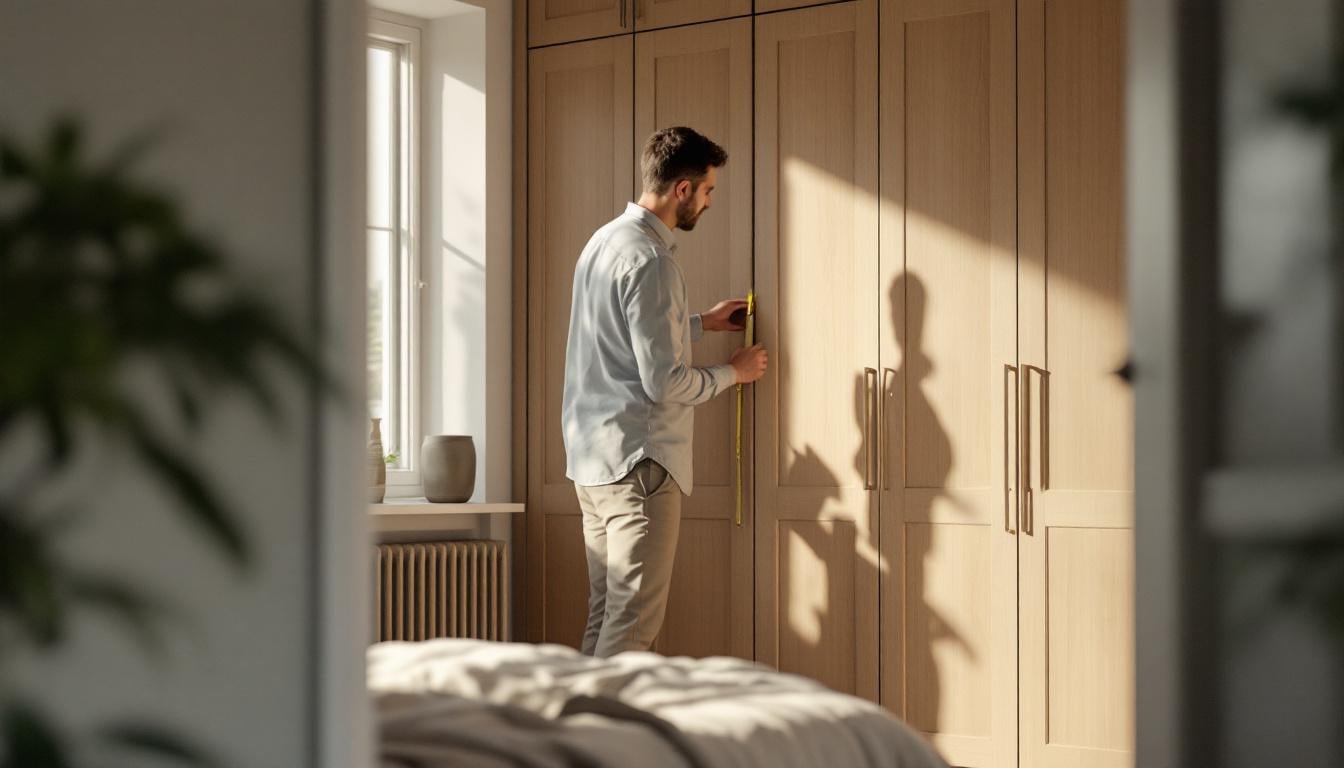
A practical measurement sequence saves time and protects margins. Start with wall-to-wall width, ceiling height, skirting depth, sockets, radiators, and door swing. In many homes, a 10 to 20 mm mismatch is enough to change the design or the fitting sequence. That is why bespoke design matters more than brochure styling. It also gives the customer a clearer picture of what can be achieved, which improves trust and reduces revision loops. For SEO, this section naturally aligns with searches for made-to-measure wardrobes and fitted furniture design, both of which signal high-intent visitors who want a solution that fits their room, not a template.
2. Turn wardrobe layouts into budget decisions
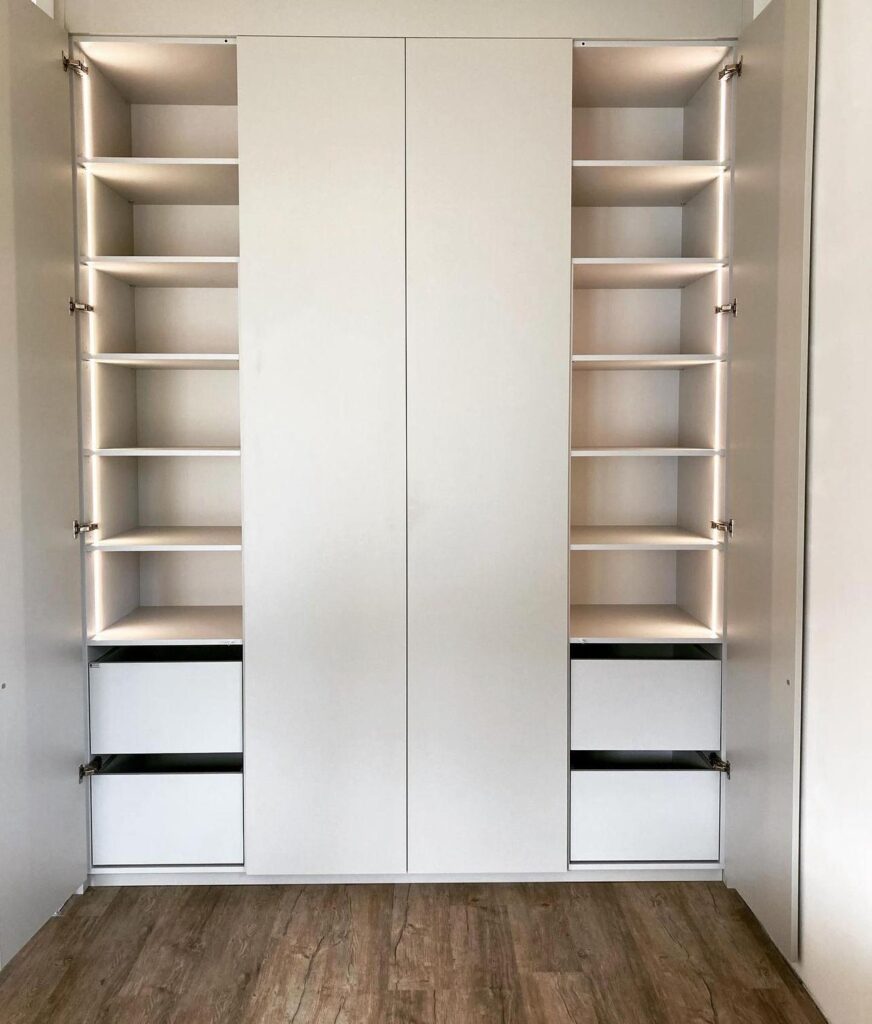
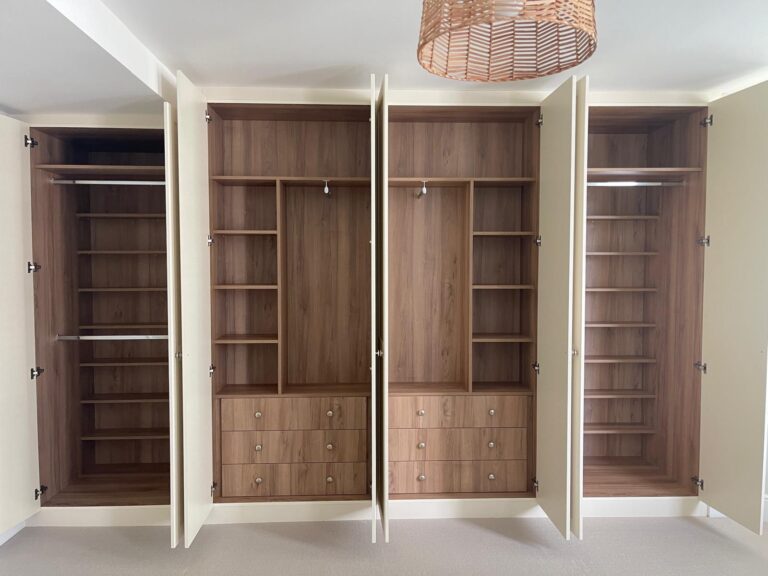
Wardrobes are useful because they force a trade-off between cost, capacity, and finish quality. A customer choosing between hinged doors, sliding doors, and internal drawers is really choosing between access speed, visual simplicity, and spend. Your role is to make that trade-off visible. A good sales conversation compares what is essential now versus what can wait. For example, a family bedroom may need more hanging space today, while a guest room may benefit from deeper shelves and fewer accessories. The best decision framework is to price the room by function, not by square metre alone, because use-case drives satisfaction far more than headline size.
A simple budget filter that works
When budgets are tight, rank the wardrobe by three levels. Core structure comes first, then door style, then internal upgrades. That order keeps the project moving even if the customer trims spend. The practical KPI here is revision count, because too many layout changes usually signal that the scope is still unclear. Aim to resolve the main storage needs before discussing finishes. This approach helps a bespoke wardrobe supplier in the UK market present a stronger, calmer buying process, especially for customers comparing fitted wardrobes against off-the-shelf alternatives. It also supports better website traffic because clear decision content tends to keep visitors on-page longer.
3. Use wardrobes to improve room efficiency
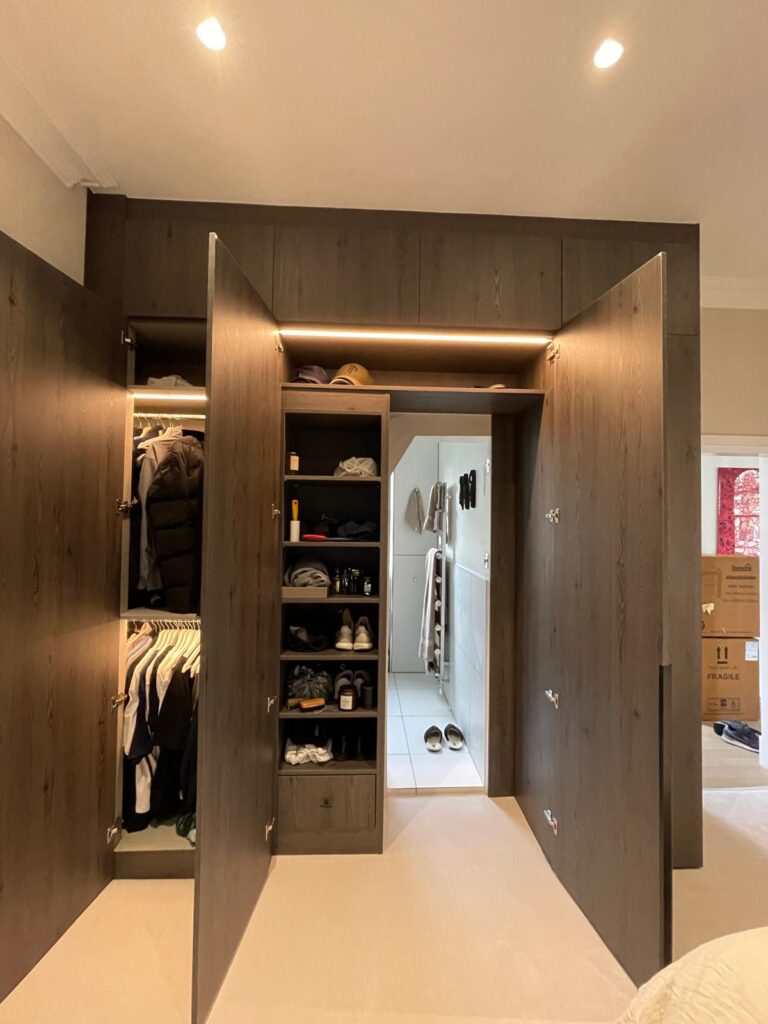
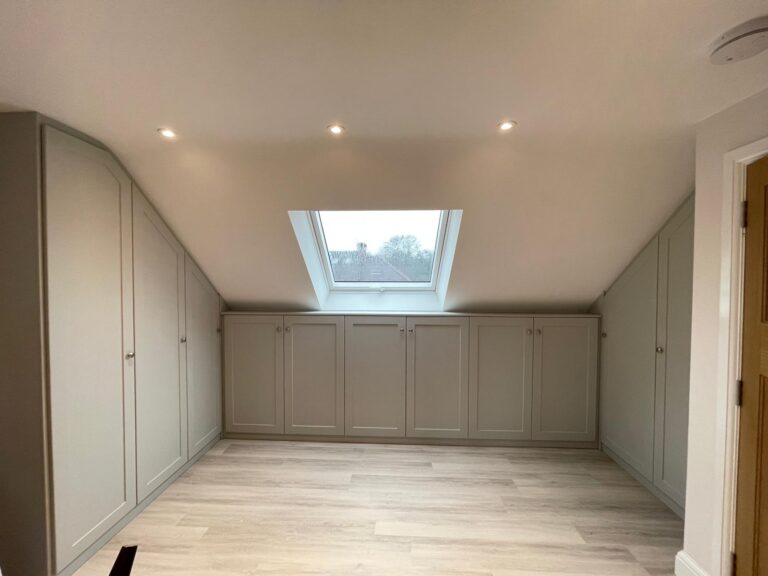
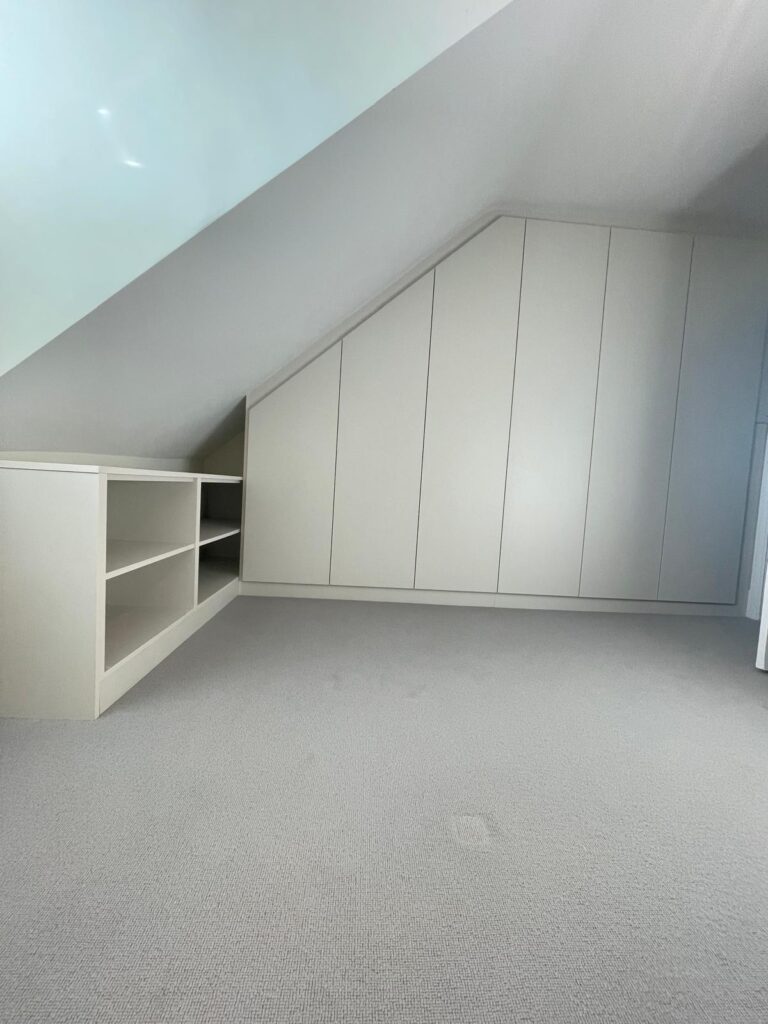
A wardrobe should make a room work harder, not just look neater. In smaller homes, the key question is how many usable centimetres can be recovered from dead space. Alcoves, eaves, chimney breasts, and sloped ceilings are common places where fitted wardrobes outperform standard furniture. The measurable goal is simple: improve storage volume without making circulation awkward. If a door blocks a walkway or a drawer hits a bedframe, the design has failed no matter how good it looks. This is why wardrobe planning should include traffic flow, not just cabinetry dimensions.
Mini-case: a loft room that needed decisions, not more storage
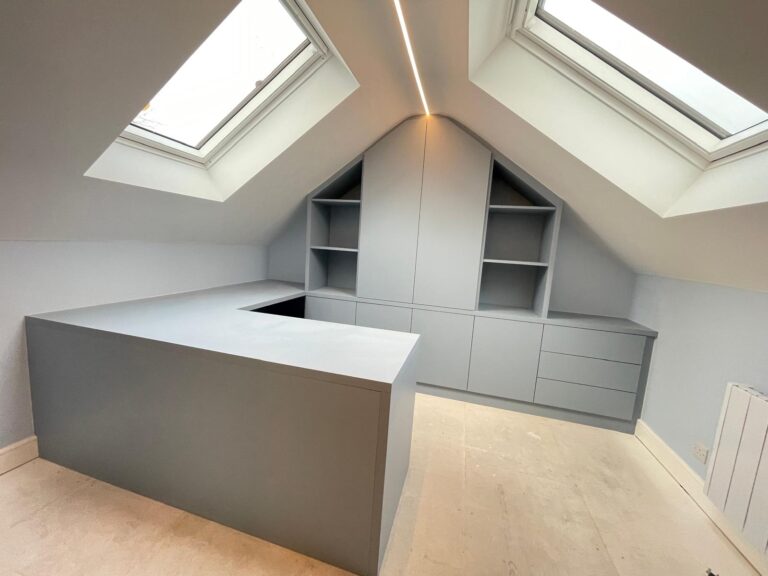
One homeowner with a sloped loft bedroom assumed the answer was “a bigger wardrobe”. After measuring the room properly, the better decision was a pair of loft wardrobes built into the low wall, with hanging space on one side and drawers on the other. The assumed gain was modest, but the practical result was stronger: the floor area stayed open, daily access improved, and the room felt less crowded. The useful lesson is that wardrobes do not always solve a storage shortage by adding volume. Sometimes they solve it by changing where the volume sits.
4. Use wardrobe design to guide product choices
Wardrobes help businesses make better product decisions because they reveal which features customers value in the real world. Some buyers need sliding doors wardrobes for tight clearances, while others want hinged doors for faster access. Some want mirrored fronts to reduce the need for extra wall mirrors, while others prefer a cleaner timber finish. If you sell fitted furniture, this is where you separate cosmetic preferences from functional requirements. The best rule is to treat every finish as a decision with a cost, maintenance, and space consequence. That keeps the conversation grounded and helps customers choose the version they will live with, not just admire on installation day.
Compare options by maintenance and access
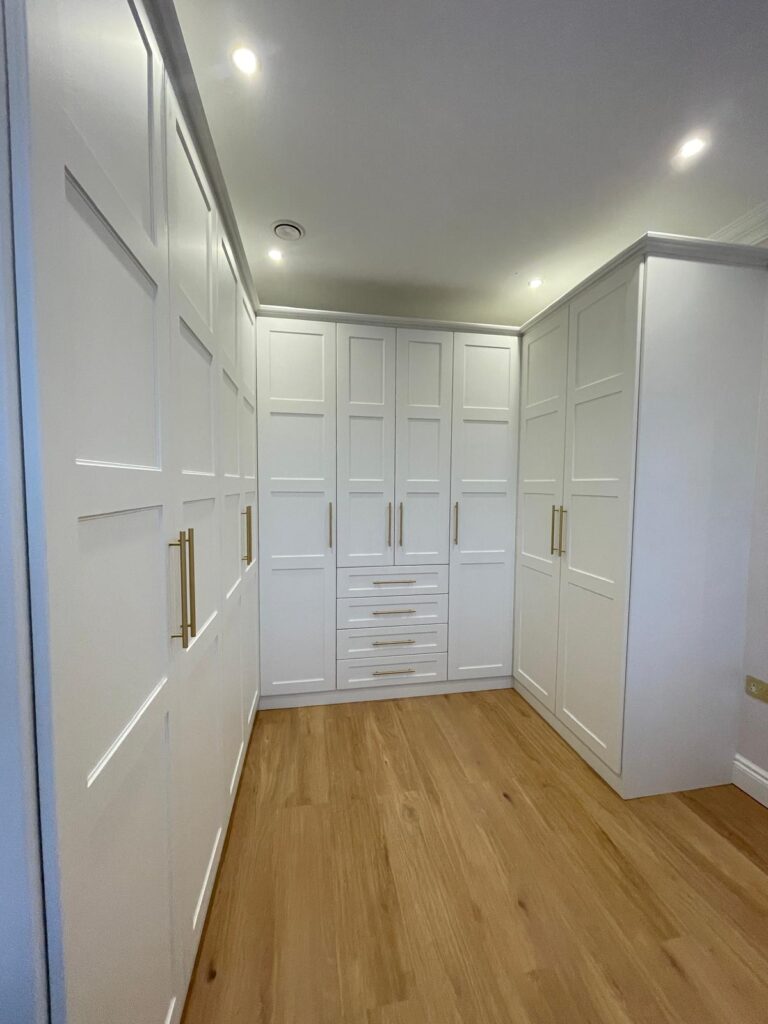
A useful decision grid is maintenance, access, and repairability. Sliding systems save space but can be less forgiving if the room is out of square. Hinged systems offer simpler access, but they need more clearance. Gloss finishes reflect light well, yet they may show fingerprints faster than matt surfaces. These are not abstract design points, they affect daily use. Customers searching for bespoke wardrobes or fitted wardrobes often need this comparison more than they need inspiration photos. When you explain the trade-offs clearly, you reduce uncertainty and make it easier for the buyer to commit.
5. Make wardrobes part of the wider interior plan
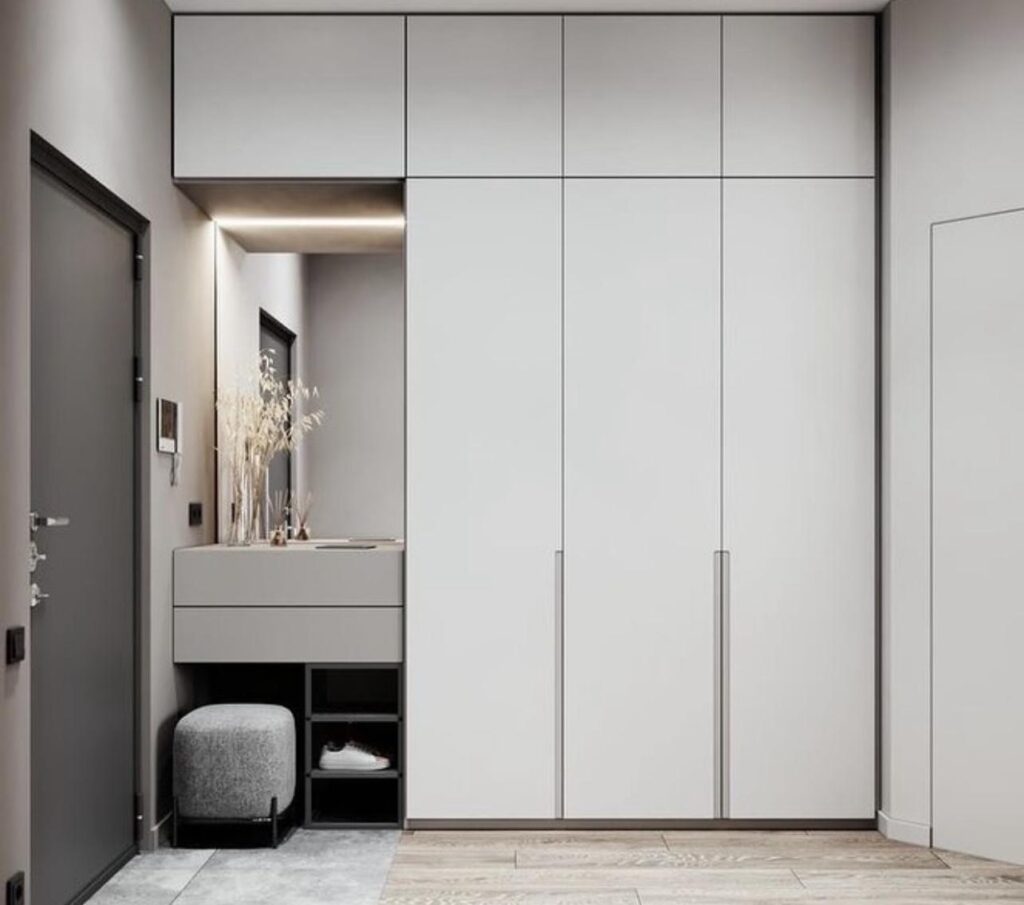
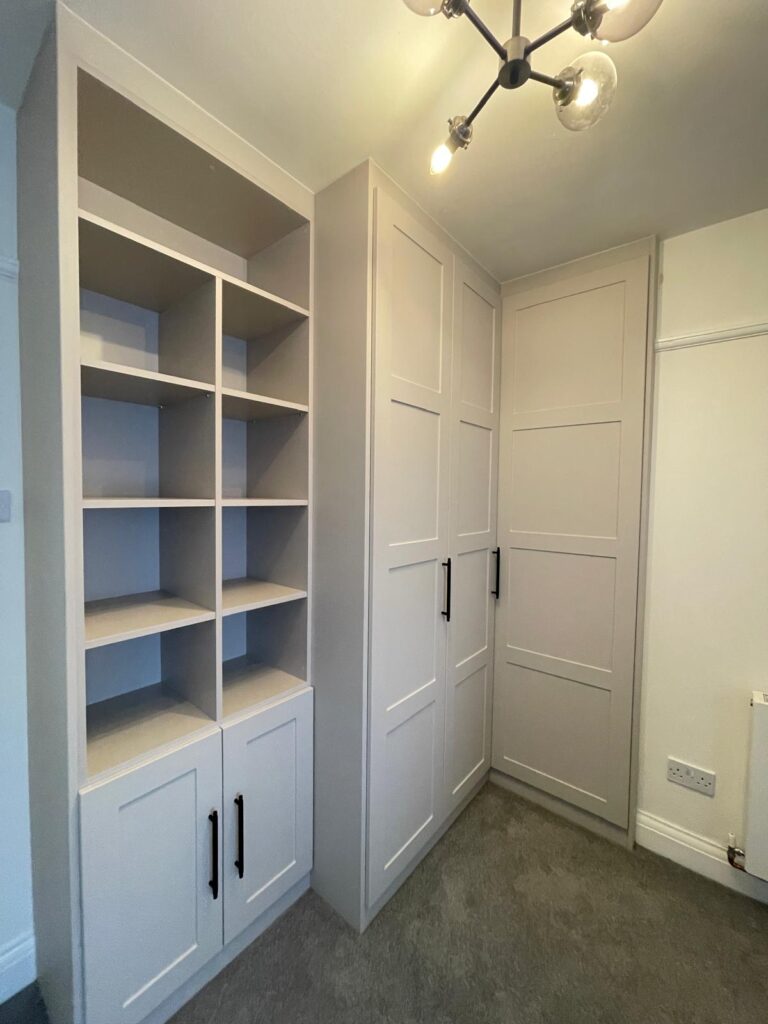
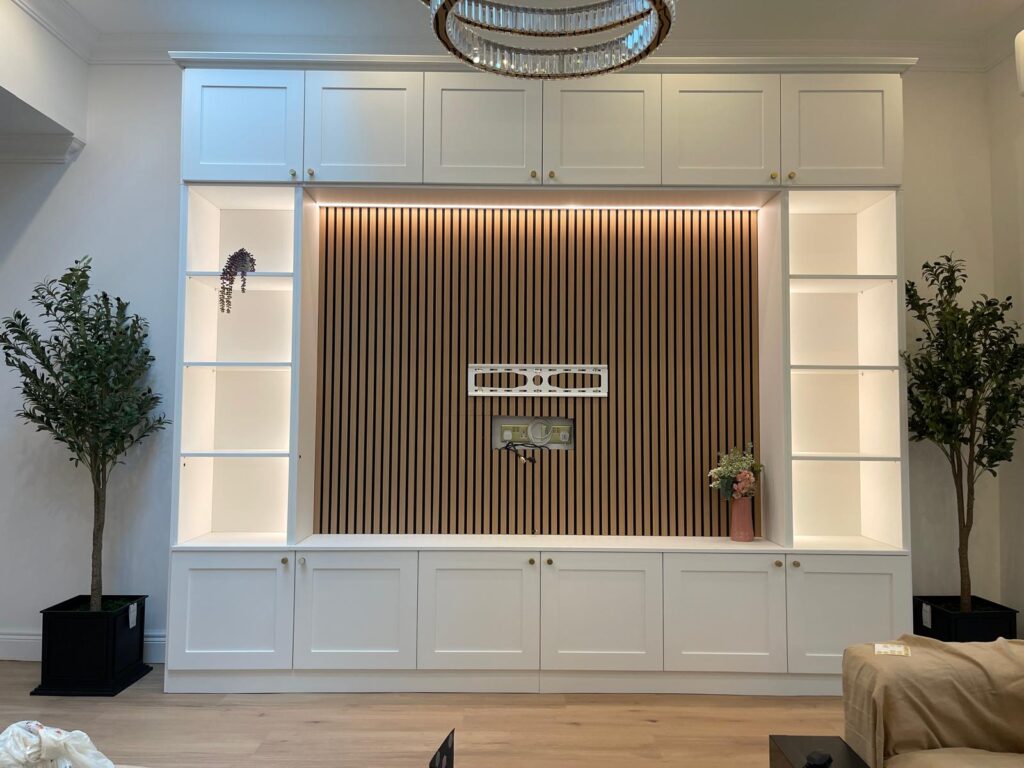
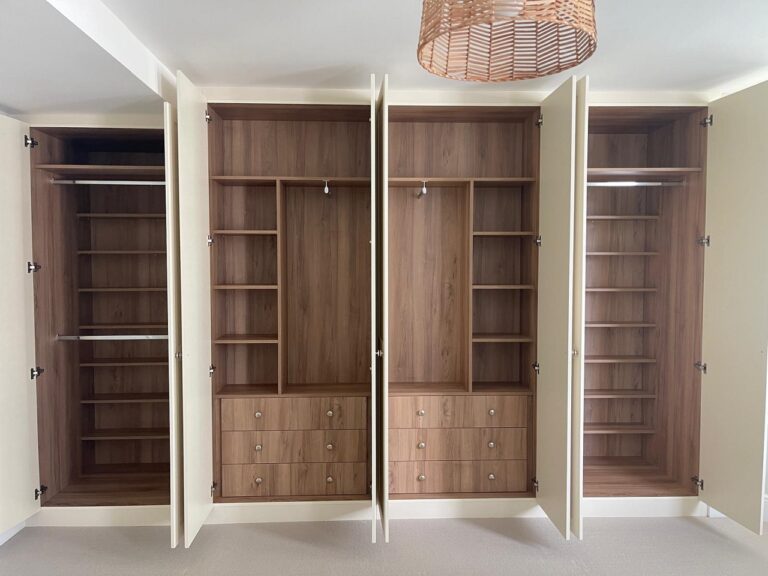
One of the strongest business uses for wardrobes is that they help connect storage with the rest of the room. When a wardrobe is designed alongside a TV media wall, alcove cupboards, or built-in cupboard units, the home starts to feel planned rather than patched together. That gives you a bigger design conversation and a more coherent project value. The workflow is to map the full wall, then decide where storage, display, and circulation should sit. This matters because one well-planned wall often beats three separate furniture purchases. It also supports higher-value enquiries, which is useful if your goal is to improve website traffic and attract serious buyers.
What to match and what to keep separate
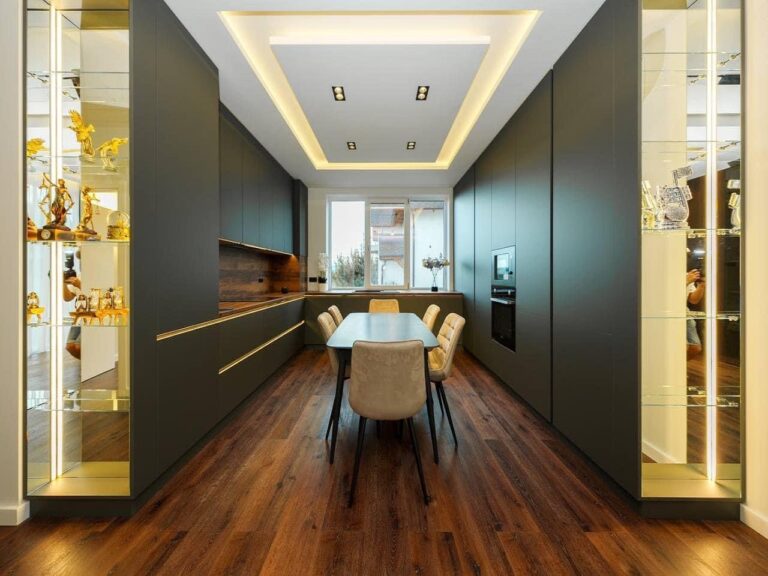
Not every item should be visually identical. The better approach is to match proportions, finishes, and line height, while allowing different functions to stay distinct. A wardrobe can share the same paint tone as nearby cupboards without copying every handle or door type. That balance keeps the room calm and avoids over-design. For a fitted furniture studio, this creates a chance to show broader capability without losing focus. It also helps customers who are comparing wardrobe ideas for bedrooms, media walls, and home storage understand that one supplier can manage the whole room, not only one product.
6. Use fitting speed as a planning advantage
Speed matters, but only if the design is ready for it. A fitting window of 7 to 10 days is useful because it reduces disruption and helps customers plan around family life, travel, or renovation work. Still, the decision is not just about speed. It is about preparation, survey accuracy, and supply sequencing. If measurements are incomplete, a quick install can become a slow correction cycle. The smart move is to use fitting speed as a confidence signal, not a shortcut. Customers should know what is included before installation begins, which rooms are being worked on, and what access is needed on the day.
A short process that reduces fitting delays
The cleanest process is survey, sign-off, manufacture, delivery, and fit, in that order. Each step should have a clear approval point, especially for internal layouts and door finishes. The main pitfall is changing specifications after production has started, because that can affect both lead time and finish consistency. If you promise quick fitting, you need tighter control upstream. That is a practical differentiator versus larger competitors that may offer similar wardrobe categories but less responsive project handling. Faster delivery is valuable, but predictable delivery is better.
7. Use wardrobes to build trust with proof, not claims
Customers do not buy wardrobes because a business says it is premium. They buy when they can see a clear process, a realistic timeline, and a warranty that reduces risk. A 10-year warranty is meaningful because it tells the buyer the product is expected to last through normal household wear. The stronger message is not just durability, but accountability. If you want more website traffic, this is where your content can outperform generic competitor pages by explaining how design, fitting, and aftercare fit together. People searching for bespoke wardrobes in London or across the UK often want reassurance before they make a site visit or request a quote.
Mini-case: a family bedroom redesign with fewer revisions
A B2B-style residential project, based on a standard family bedroom assumption, moved from five design revisions down to two after the team switched from broad inspiration questions to a room-led wardrobe brief. The change was simple: ask what items needed daily access, what had to be hidden, and which part of the room was causing friction. The result was not just faster approval. It was a clearer design, less decision fatigue, and a smoother handoff to fitting. That is the hidden value of wardrobes in business decision-making. They reveal what the customer actually needs, not just what they think they want.
Quick Takeaways
Wardrobes help businesses make better decisions when they are treated as a planning tool, not only a product. Bespoke design is strongest when it starts with room constraints, storage habits, and budget priorities. The best layouts improve access, protect circulation, and use awkward spaces like alcoves or lofts more intelligently. Clear trade-offs between sliding doors, hinged doors, and internal storage reduce confusion. A good process also links wardrobes to wider fitted furniture decisions, which creates more complete room plans. Finally, fitting speed and warranty build trust only when the measurement and sign-off stages are controlled properly. These are the details that turn a wardrobe enquiry into a better buying decision.
How to turn wardrobe content into traffic
If your goal is more website traffic, the article should not just sound useful, it should mirror the way people search. That means using phrases like bespoke wardrobes, fitted wardrobes, custom storage, loft wardrobes, and sliding doors wardrobes in a natural way. The strongest pages answer three search intents at once: idea gathering, problem solving, and purchase readiness. If a visitor can move from “What is possible?” to “What should I choose?” without leaving the page, you are doing the page’s job. For a UK-focused studio such as Finest Furniture Studio, this is the point where editorial content and lead generation support each other.
Practical publishing checks before you go live
Before publishing, check that every section adds a new decision angle, not the same message in new words. Make sure each H2 includes a metric, workflow step, or trade-off so the page feels grounded. Also confirm that the main keyword appears naturally early in the copy and again where intent is strongest, without forcing repetition. A useful final test is to read the page as a customer comparing bespoke wardrobes against a generic alternative. If the page answers room fit, budget, speed, and durability in one place, it is much more likely to earn clicks, time on page, and quote requests.
Frequently Asked Questions
The FAQs below cover the most common wardrobe questions that people ask before requesting fitted furniture advice. They are written to support search intent and help visitors move from general browsing to a clearer decision.
Frequently Asked Questions
What do wardrobes do for better business decisions?
Wardrobes help turn storage conversations into practical decisions about space, budget, and layout. When a customer compares bespoke wardrobes, fitted wardrobes, or loft wardrobes, the real decision is usually about access, room fit, and long-term use.
How do wardrobes support bespoke design choices?
Wardrobes reveal the room constraints that matter most, such as slopes, alcoves, sockets, and circulation space. That makes them a strong starting point for bespoke wardrobes and fitted furniture design because the layout is based on the room, not a standard template.
Are sliding doors wardrobes better for small rooms?
Sliding doors wardrobes can be a smart choice for tight rooms because they do not need front clearance. They are often used in small bedroom storage solutions, but they may be less flexible than hinged doors if the room is uneven or the customer wants full-access opening.
How quickly can fitted wardrobes be installed?
Many bespoke wardrobes projects are planned around a fitting window, and a 7 to 10 day fitting timeline can be realistic when surveying, manufacture, and delivery are controlled properly. The exact schedule depends on room complexity, design approvals, and whether the project includes custom storage extras.
What warranty should I look for with wardrobes?
A 10-year warranty is a strong signal that the wardrobes are built for normal household wear and supported after installation. For fitted wardrobes and custom storage, warranty terms matter because they reduce risk and show that the supplier stands behind both the product and the fitting.
Which wardrobes work best for awkward rooms?
Loft wardrobes, sloped cupboards, and built-in cupboard solutions are often the best options for awkward rooms. These fitted furniture solutions use otherwise wasted space, which is why they are popular in bedroom storage projects with eaves, alcoves, or low ceilings.
How do wardrobes improve website traffic for a furniture studio?
Wardrobes are a strong content topic because they match high-intent searches like bespoke wardrobes, fitted wardrobes, and custom storage. A well-structured article can capture readers who are comparing options, then guide them toward a quote request or a deeper product page.