








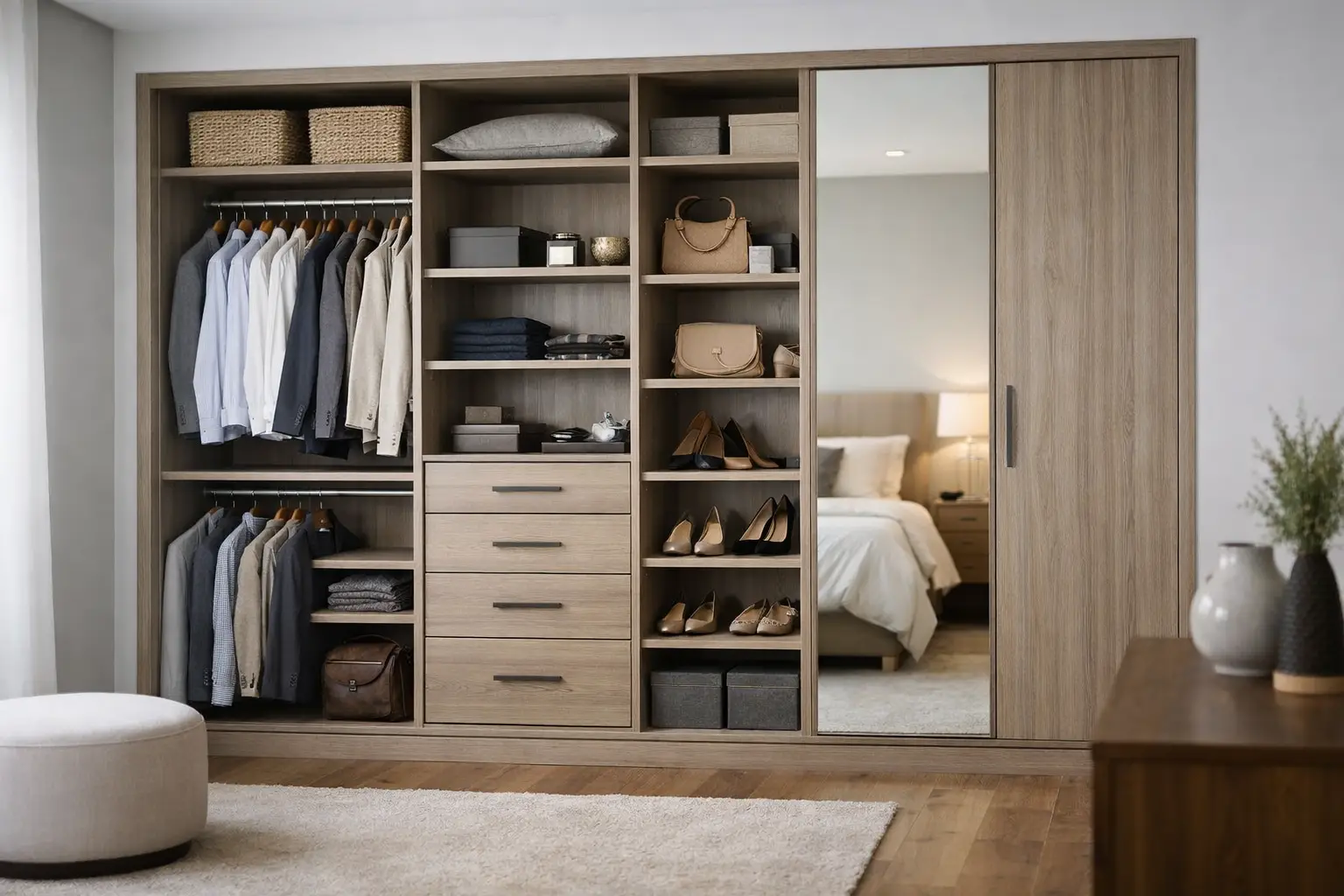
That dead corner beside the chimney breast, the shallow alcove that never quite fits a chest of drawers, the loft bedroom with a sloping ceiling – these are the moments when made to measure wardrobes stop feeling like a luxury and start looking like the sensible answer. For homeowners who want a room to feel calmer, cleaner and properly resolved, tailored storage does more than hold clothes. It changes how the space works every day.
Freestanding furniture has its place, but it is built for averages. Homes are not. Period properties, extensions, converted lofts and modern flats all come with quirks that standard wardrobes rarely handle well. Gaps gather dust, ceiling height goes unused, and the overall look can feel temporary. A wardrobe designed around the room, rather than squeezed into it, makes far better use of what you already have.
What made to measure wardrobes actually change
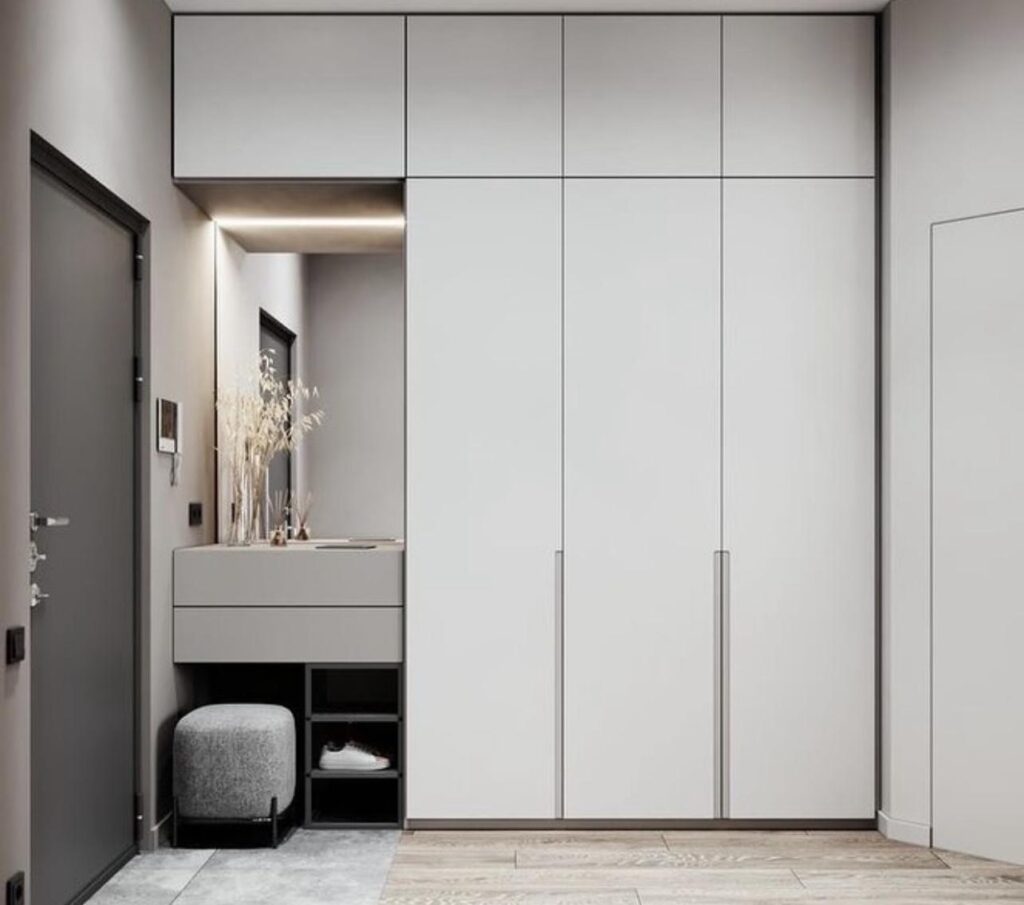
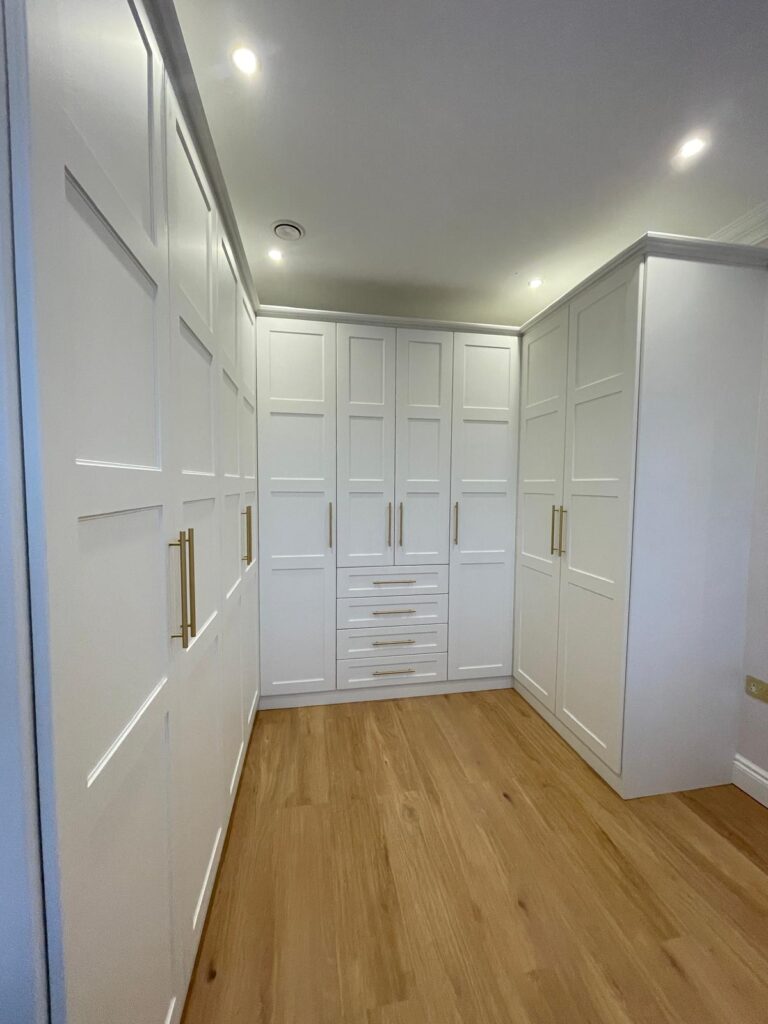
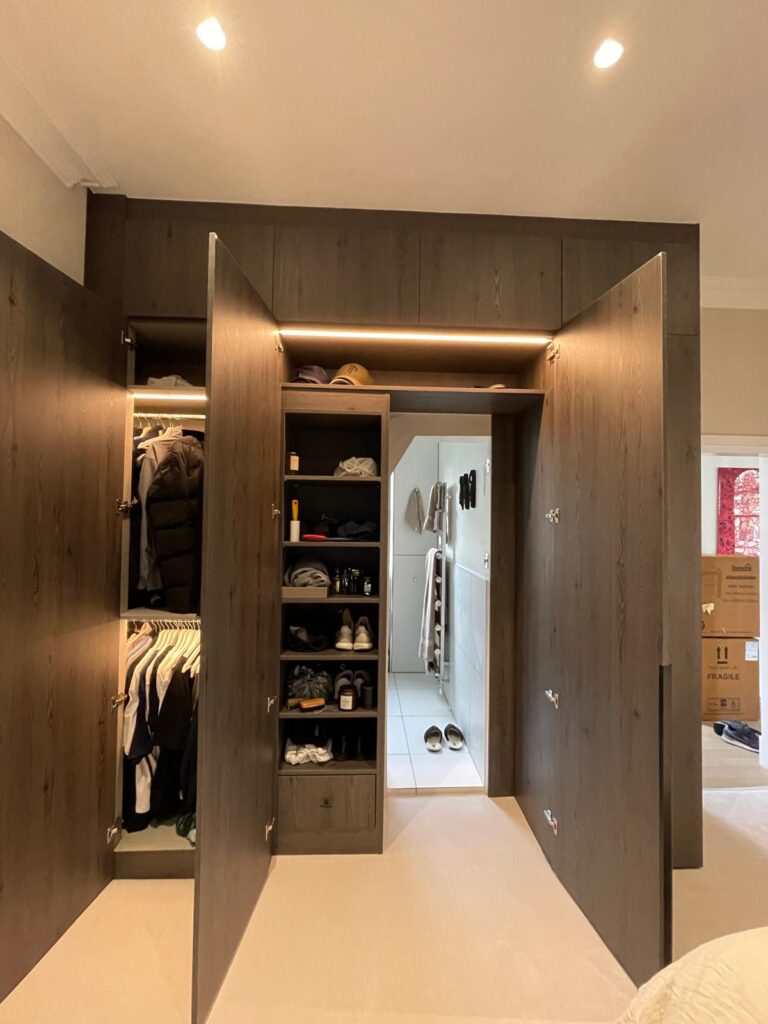
The clearest advantage is space. A made to measure wardrobe is designed to use the full width, height and depth available, whether that means floor-to-ceiling cabinetry in a main bedroom or a carefully planned run of storage within an alcove. Instead of losing valuable inches to awkward voids, every section can be put to work.
That practical improvement has a visual effect too. When storage follows the architecture of a room, the whole space feels more settled. The wardrobe reads as part of the interior rather than an item that was added later. In bedrooms especially, that difference matters. Large pieces of furniture dominate the room, so their proportions, finish and detailing have a strong influence on whether the space feels restful or cluttered.
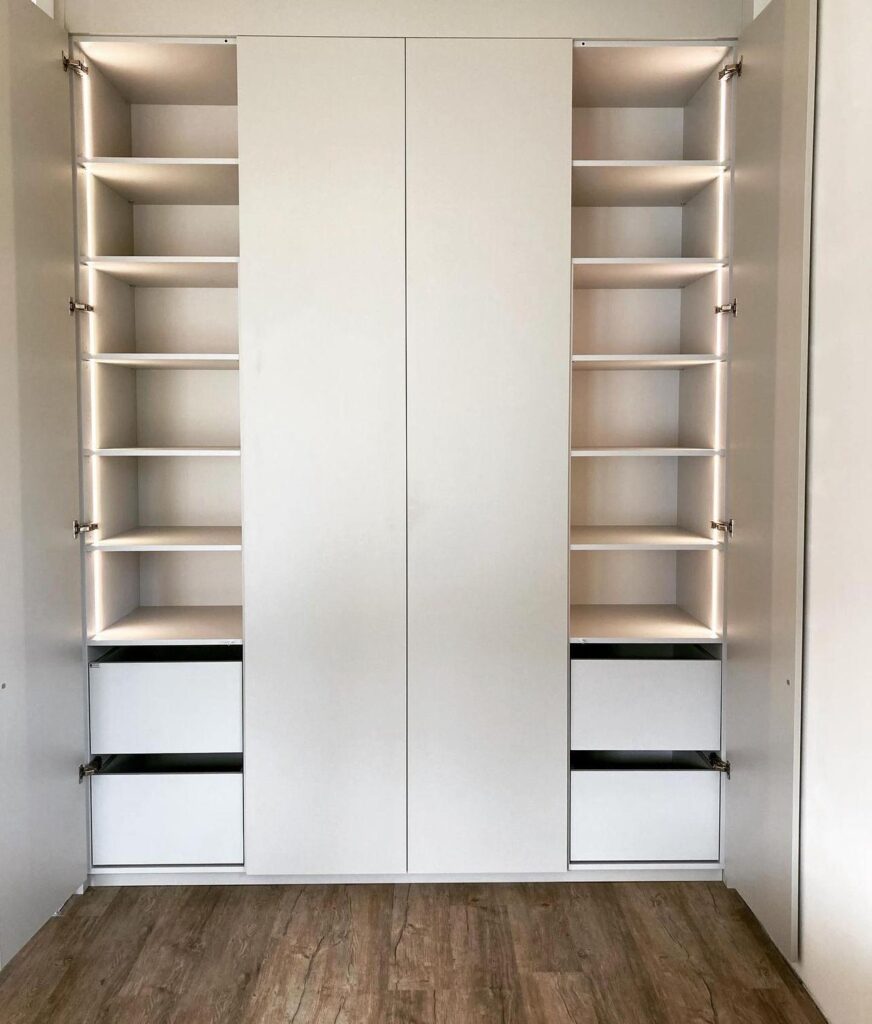
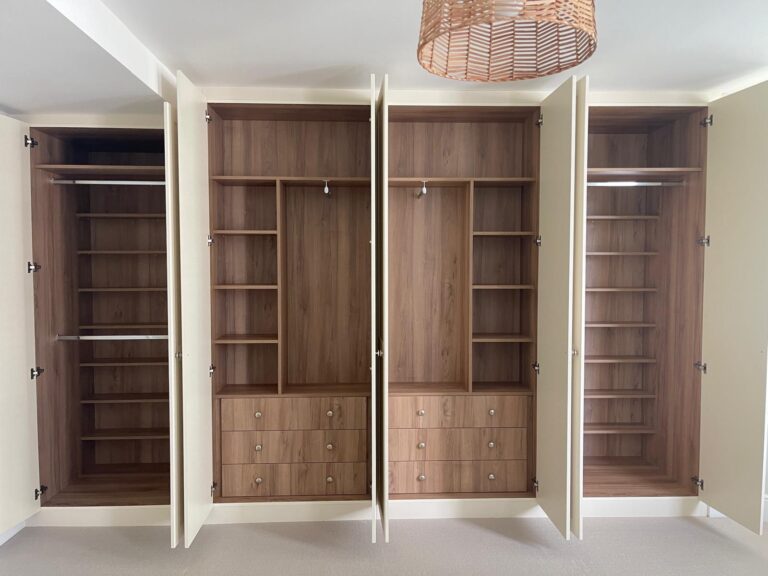
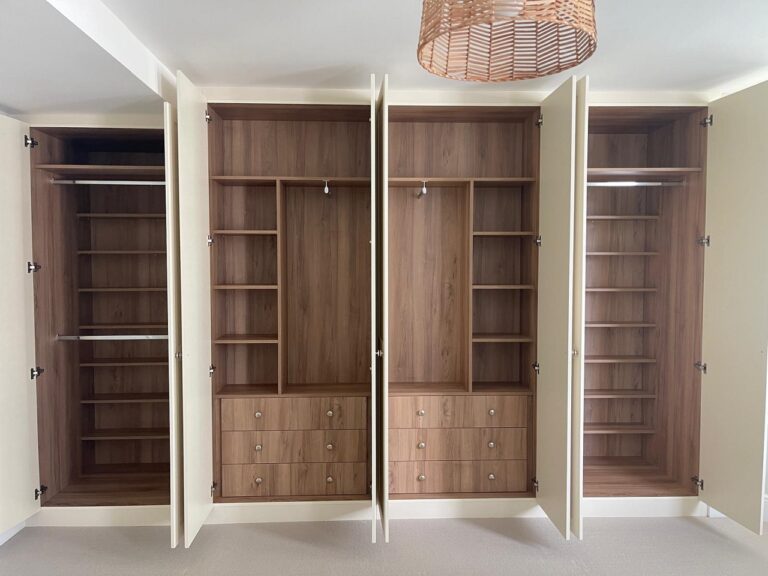
There is also the question of daily routine. Good wardrobe design reduces the small frustrations that build up over time – rails set at the wrong height, shelves that are too deep to be useful, drawers that never hold what you need them to. With bespoke planning, the internal layout can reflect how you actually live, not how a manufacturer assumes everyone stores their things.
Where made to measure wardrobes make the biggest difference
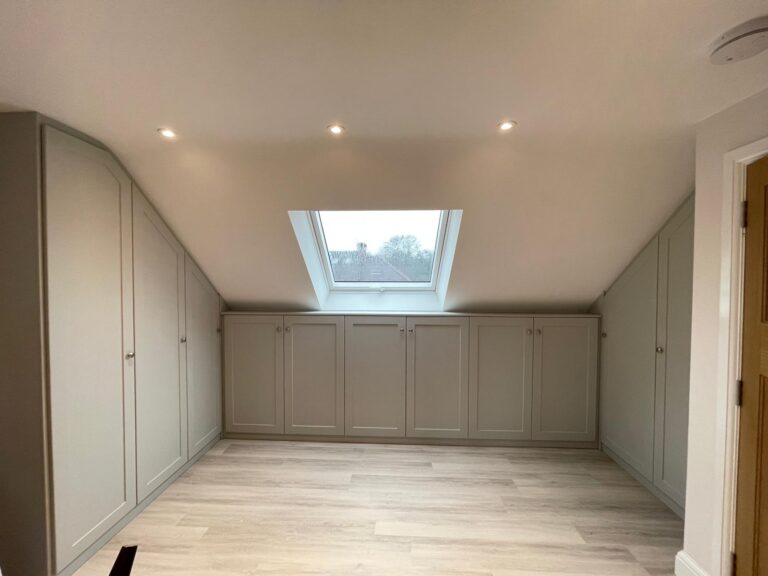
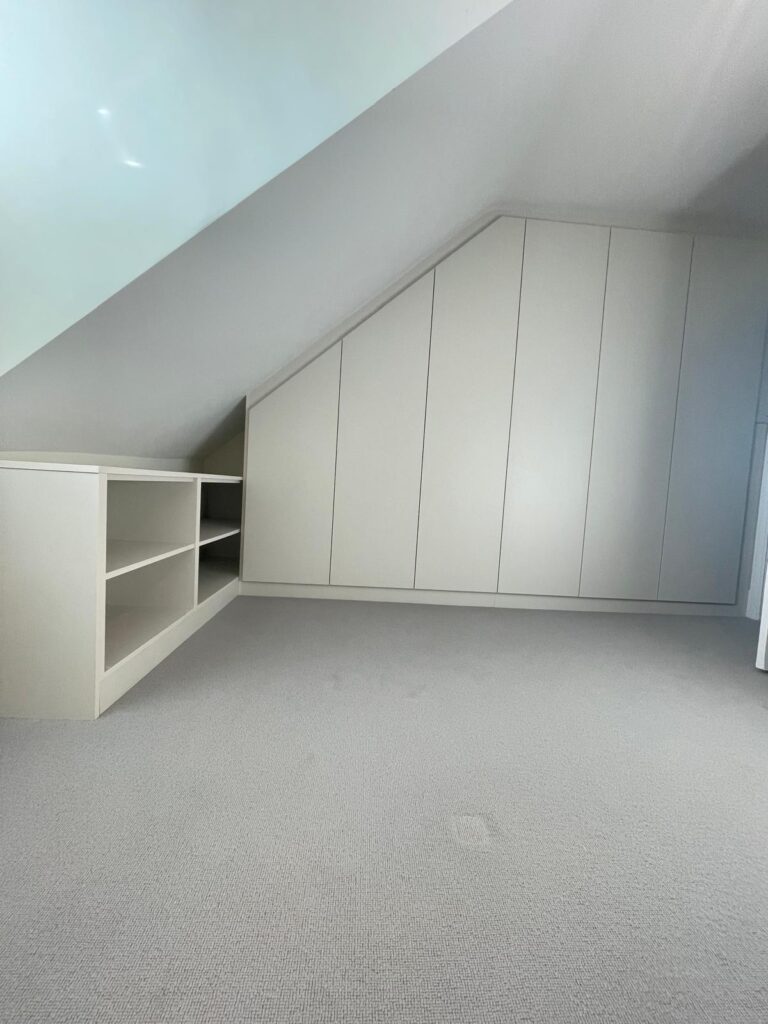
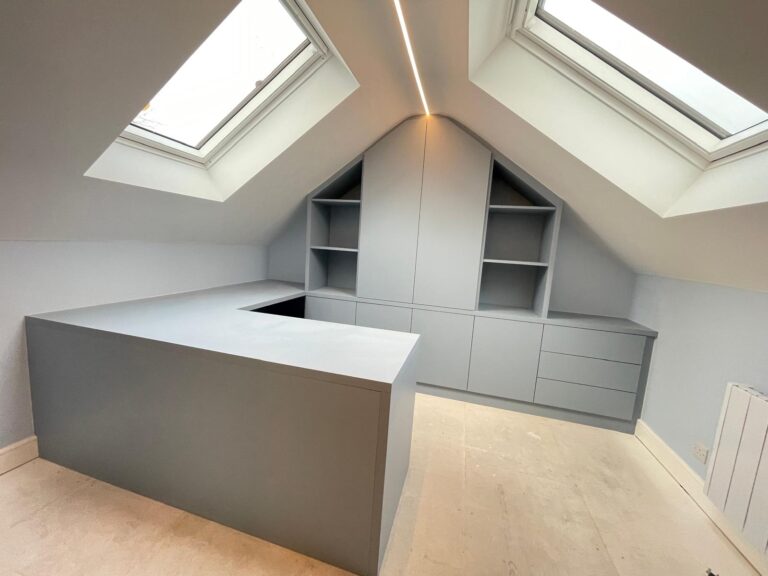
Some rooms benefit more than others. Loft conversions are a good example because off-the-shelf furniture rarely works neatly beneath eaves. Fitted storage can follow the ceiling line, reclaiming space that would otherwise sit empty. In smaller London bedrooms, where every square foot matters, a tailored design can combine hanging space, drawers and overhead storage without making the room feel overfilled.
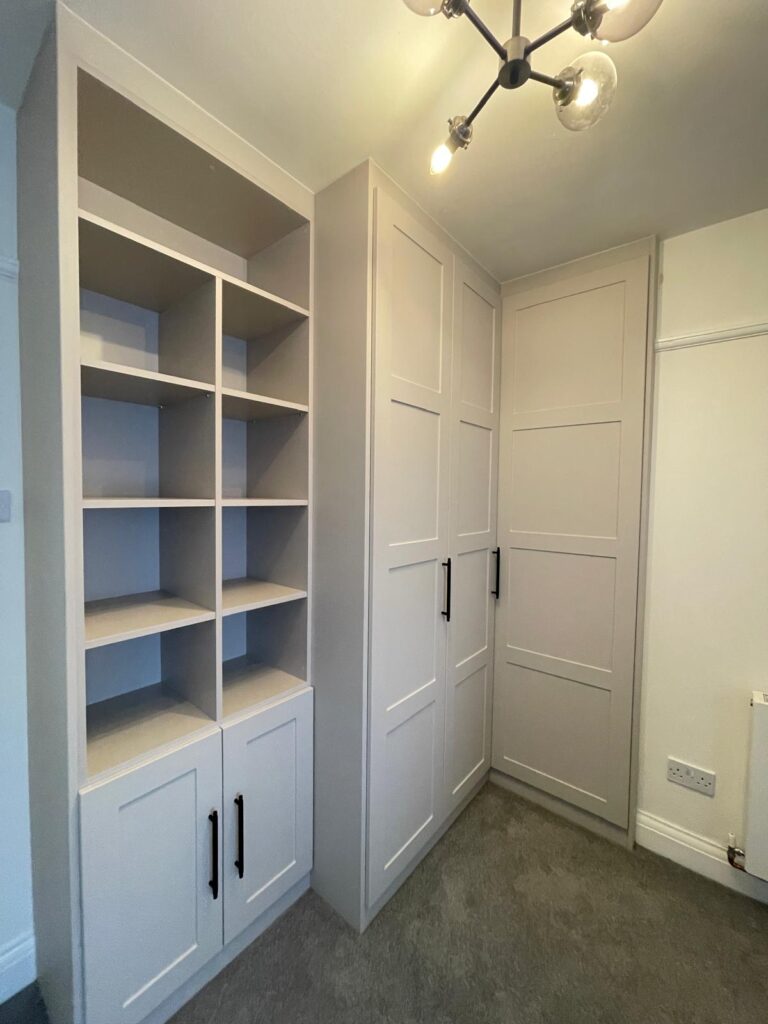
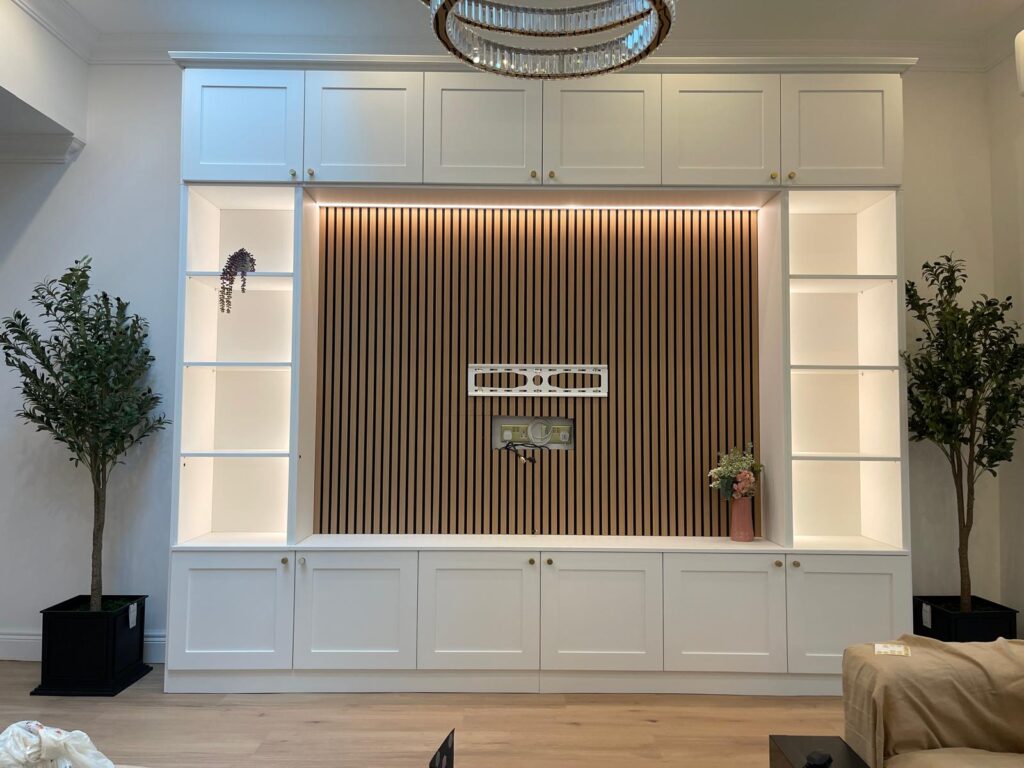
Alcoves are another common success story. They often look like obvious storage zones, yet standard wardrobes usually leave uneven gaps or protrude too far into the room. A bespoke solution can sit flush, frame a chimney breast beautifully and create symmetry where there was none before.
Shared bedrooms, dressing rooms and multifunctional spaces also benefit because storage needs are rarely simple. One person may need long hanging for dresses and coats, another may want more shelving, drawers or shoe storage. A made to measure scheme allows those differences to be built in from the start.
Design matters as much as storage
The best wardrobes are not simply bigger boxes. They are carefully designed pieces of fitted furniture. That means proportions, door style, finish, handles and interior layout all need to work together.
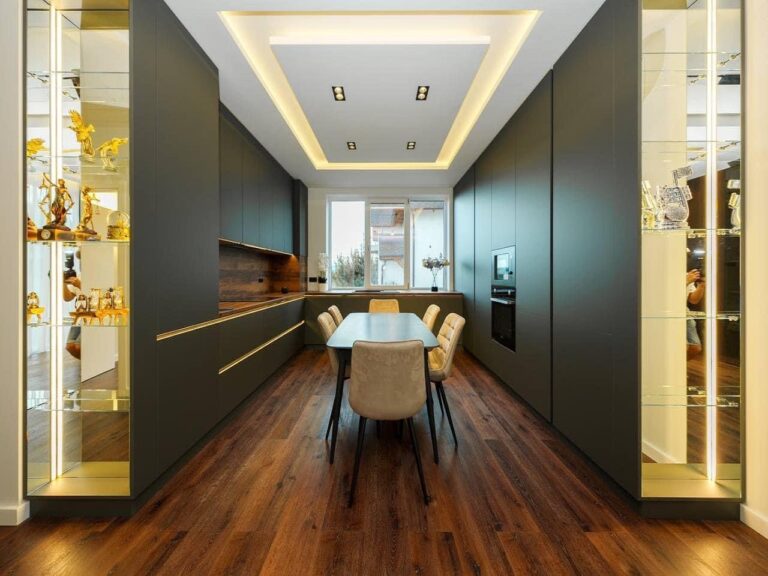
For some homes, a classic panelled door in a painted finish feels right. In others, a cleaner contemporary look with minimalist lines and sliding fronts suits the architecture better. Mirrored doors can help bounce light around a darker room, while warmer wood tones can soften a modern interior. There is no single correct approach. The right choice depends on the room, the surrounding furniture and how prominent you want the wardrobe to feel.
This is where bespoke design has real value. Rather than forcing your taste to fit a limited range, you can shape the wardrobe around the wider look of the home. That often leads to a result that feels more expensive, not because it is flashy, but because it is coherent.
The trade-off homeowners should understand
Made to measure wardrobes are not the cheapest route to storage, and they should not pretend to be. If your priority is the lowest upfront spend, flat-pack furniture will usually win. But price alone can be misleading.
Freestanding wardrobes may cost less initially, yet they often use less space, offer fewer internal options and need replacing sooner if they do not suit changing needs or a future move within the house. Bespoke fitted furniture is an investment in both function and finish. It is built around the room you have and the life you lead in it now.
There is also a practical point about installation. Tailored furniture requires careful measuring, proper planning and skilled fitting. That process takes more thought than buying something ready-made. The benefit is that once installed, it tends to solve the problem fully rather than patch it over.
What to think about before you commit
Start with how you want the room to feel. Most people begin by counting rails and drawers, which matters, but the broader goal is often more revealing. Do you want the bedroom to feel calmer? Brighter? More spacious? More grown-up? Storage decisions should support that aim.
Then think honestly about what needs to be stored. Long garments, folded knitwear, handbags, luggage, shoes, spare bedding and accessories all need different treatment. Good wardrobe interiors are specific. Too much generic shelving can be just as awkward as too little.
Access is another detail worth considering. Hinged doors give a full view of the interior but need clearance space. Sliding doors suit tighter layouts and contemporary schemes, though they change how you reach different sections. Neither is universally better. It depends on the room.
Lighting, handles and finishes deserve attention as well. They may seem secondary, yet these details affect how polished the final result feels. A wardrobe should not only store well but also sit comfortably within the design language of the home.
Why the fitting process matters
A beautiful design on paper is only half the story. Precision during manufacture and installation is what creates that clean, integrated finish homeowners are really paying for. Poorly fitted wardrobes show every compromise – uneven lines, wasted gaps, awkward scribing and doors that never feel quite right.
A specialist process should feel reassuring from the first design conversation onwards. Clear measurements, transparent pricing and realistic timescales matter because fitted furniture is part of the fabric of the room once it is in place. Homeowners want confidence that the job will be managed properly, with attention to detail at every stage.
That is one reason many clients choose a bespoke company rather than trying to piece the process together themselves. With a service-led approach, the design, build and fitting are considered as one joined-up project. For busy households in areas such as Richmond, Wimbledon or Chelsea, where disruption needs to be kept under control, that clarity is often as valuable as the wardrobe itself.
A better long-term choice for the home
The appeal of made to measure wardrobes goes beyond neat shirts and hidden shoes. They improve how a room is used, how it looks and how it feels to live in. They can make compact bedrooms more efficient, turn awkward layouts into strengths and give everyday routines a sense of order that standard furniture rarely achieves.
Most of all, they respect the individuality of the home. Instead of asking your room to accommodate a generic piece, they are designed to belong there. That is why they continue to make sense long after the installation day has passed.
If a space has never quite worked the way it should, the answer is often not more furniture but better furniture – designed with purpose, fitted with care and built around the life already happening in the room.