


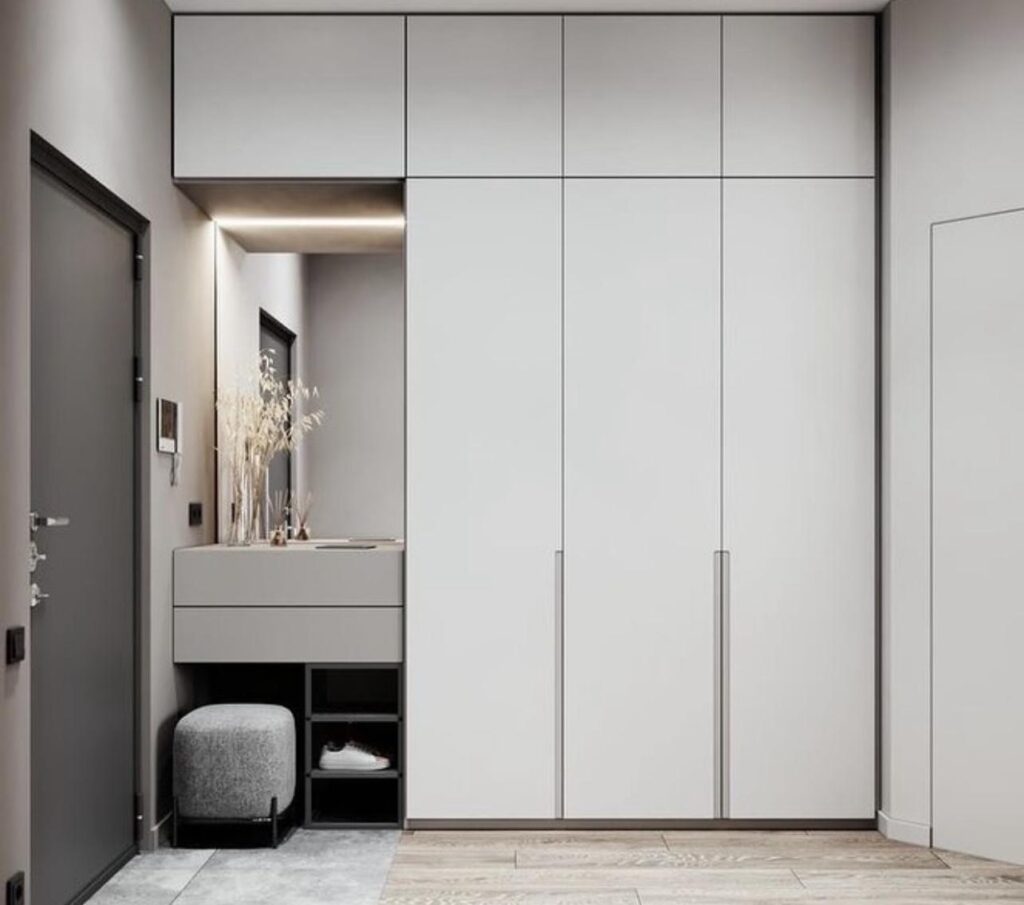
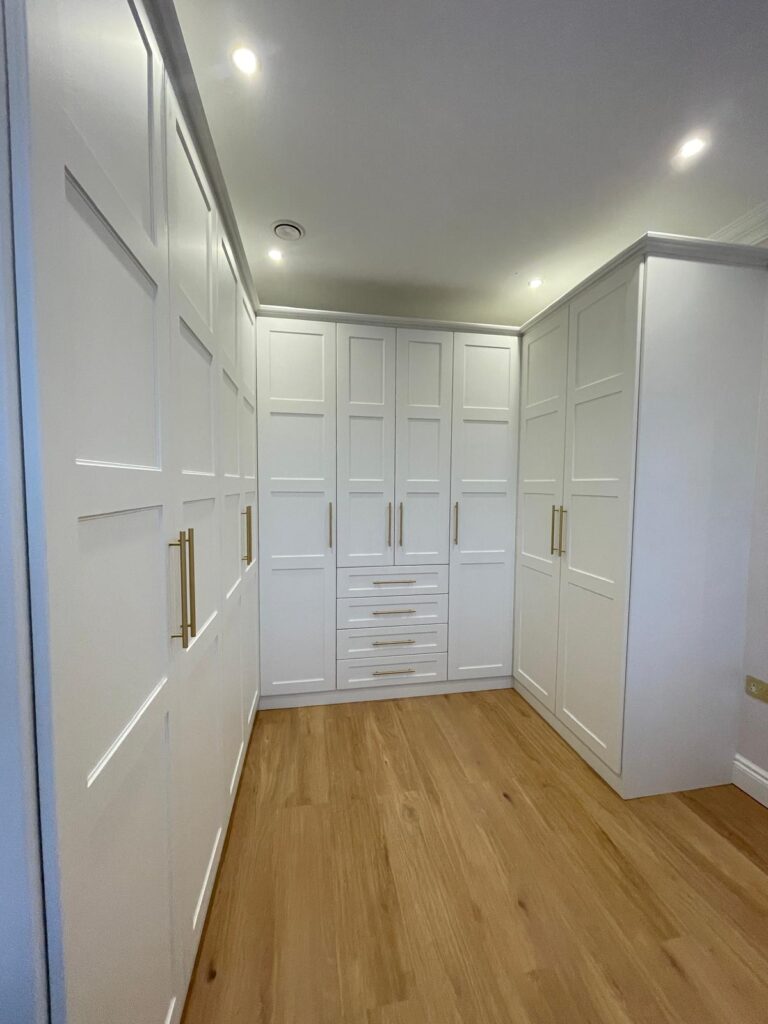
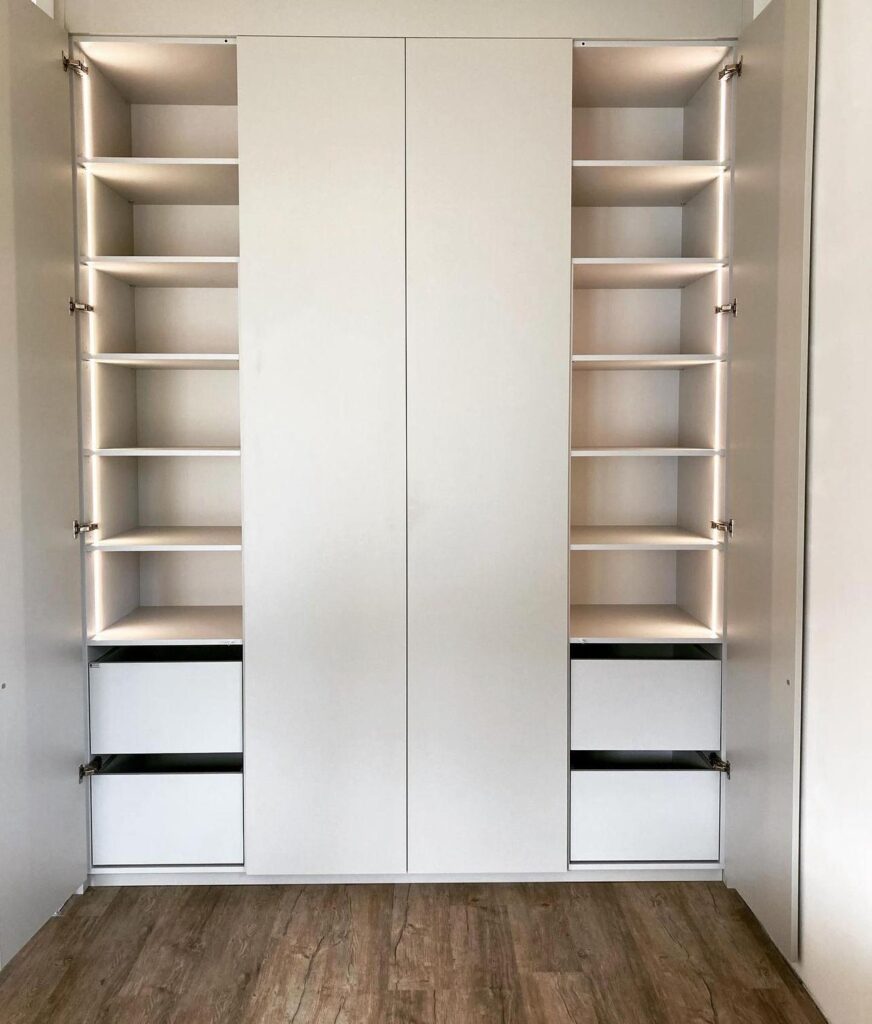

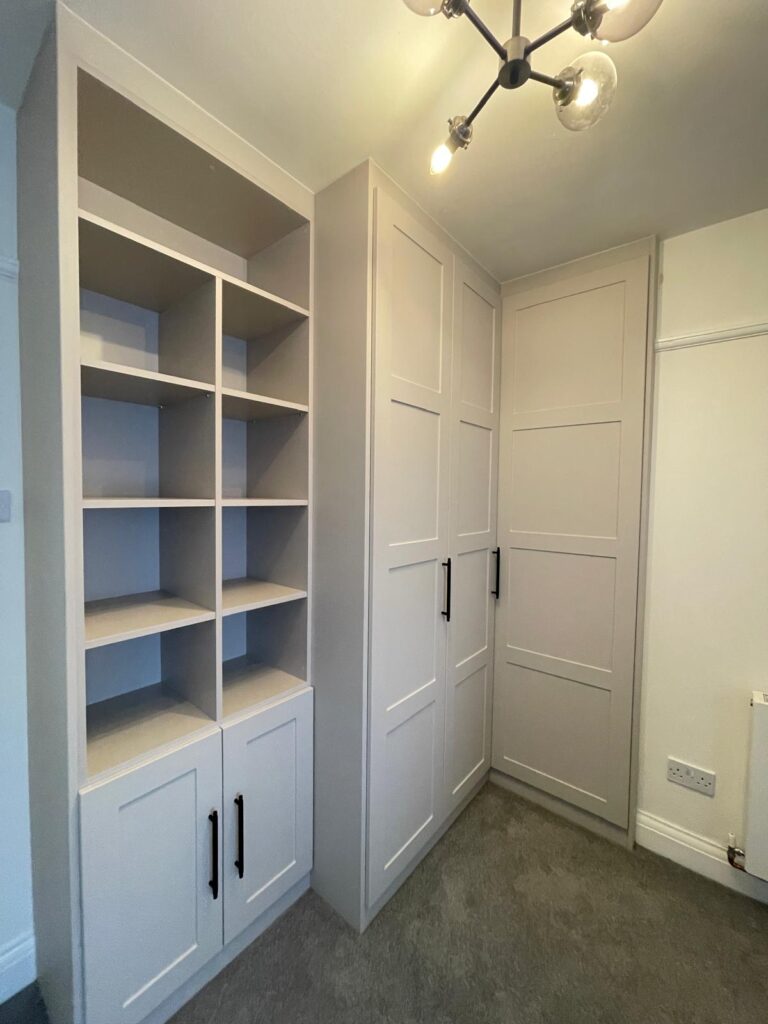





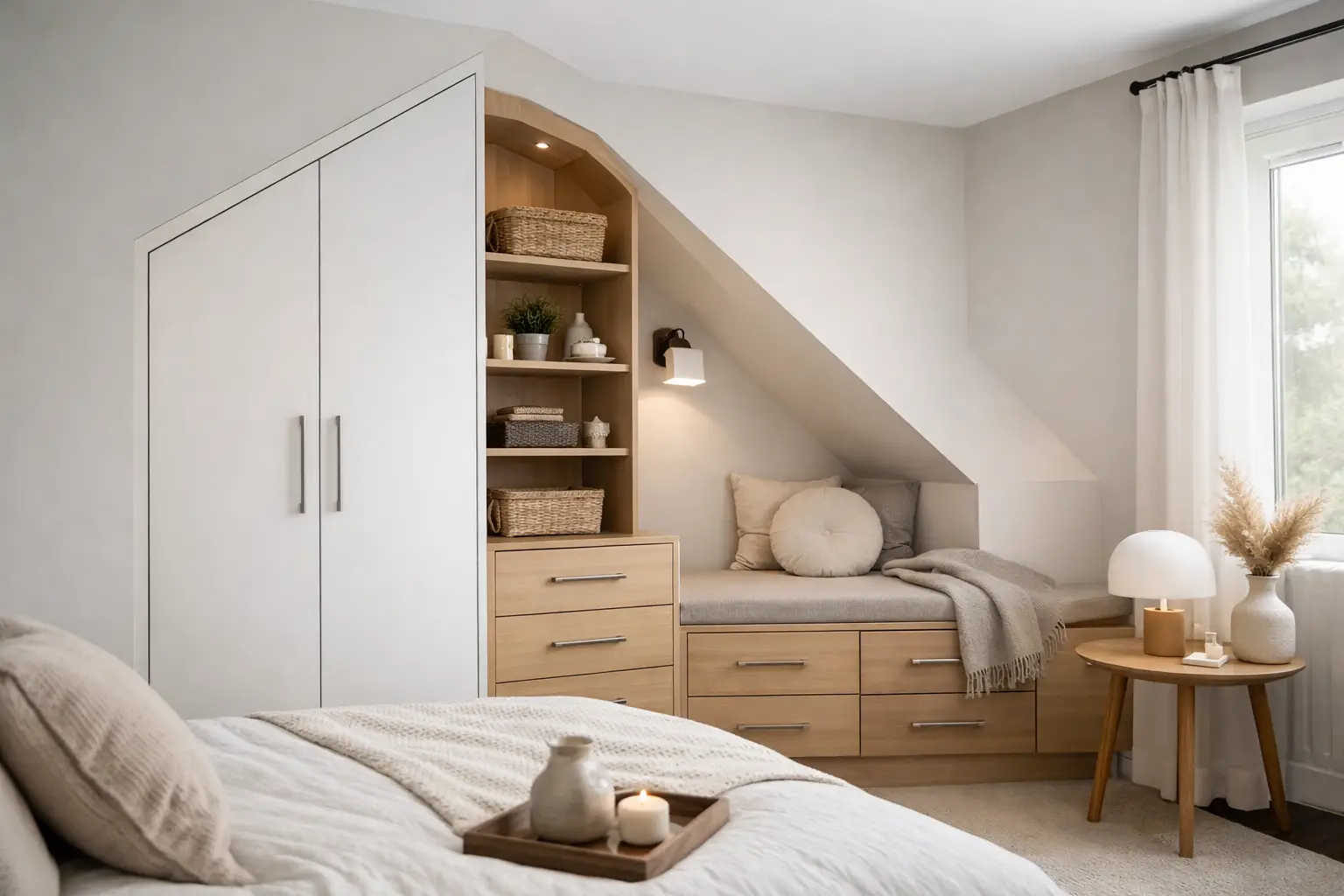
That dead corner in the bedroom tends to collect the same things in every home – a chair full of clothes, a lamp that never quite works there, or a narrow gap that no standard unit can use properly. Bedroom storage for awkward corners works best when it stops treating that space as an afterthought. With the right design, a difficult corner can become one of the most useful parts of the room.
The challenge is rarely just the corner itself. It is usually the combination of ceiling height, door swing, radiator position, window line, skirting boards and the amount of floor space you need to keep clear. That is why off-the-shelf furniture often feels like a compromise in bedrooms. It may fit one measurement, but ignore three others.
Why awkward corners matter more than you think
Corners have a quiet impact on how a bedroom feels. When they are underused, the whole room can look unfinished or crowded, even if the rest of the layout is carefully planned. When they are designed well, they help the bedroom feel calmer, more balanced and easier to live in.
This is especially true in bedrooms where every inch matters. A smaller room, a loft conversion or a period property with unusual angles does not give you much margin for wasted space. In those settings, awkward corners are not just minor annoyances. They are storage opportunities that can reduce clutter across the entire room.
There is also a visual point worth considering. Freestanding units placed near corners often leave hard-to-clean gaps and uneven lines. Fitted storage, by contrast, can follow the room properly and create a more settled, architectural look. That difference is not only practical. It changes how polished the space feels day to day.
The best bedroom storage for awkward corners starts with the room
Before choosing a storage style, it helps to understand what the corner is asking for. Not every awkward corner should be filled in the same way. A shallow corner near the bed needs a different response from a deep corner beside a chimney breast or a sloping corner under the eaves.
The first question is whether the space should store bulky items, daily essentials or display pieces. If the corner is close to where you dress, it may be ideal for folded knitwear, shoes or accessories. If it sits further away from your main wardrobe area, it may be better used for seasonal storage, spare bedding or luggage.
The second question is how visible the storage should be. Open shelving can lighten a room and make use of a narrow corner, but it demands discipline. Closed cabinetry gives a cleaner appearance and tends to suit bedrooms better when you want the room to feel restful rather than busy.
A well-designed corner solution should also respect movement. Bedrooms need clear walking routes, comfortable access around the bed and enough breathing space to open drawers or doors properly. The smartest design is not always the one that holds the most. It is the one that gives you storage without making the room feel tighter.
Corner wardrobes and angled fitted units
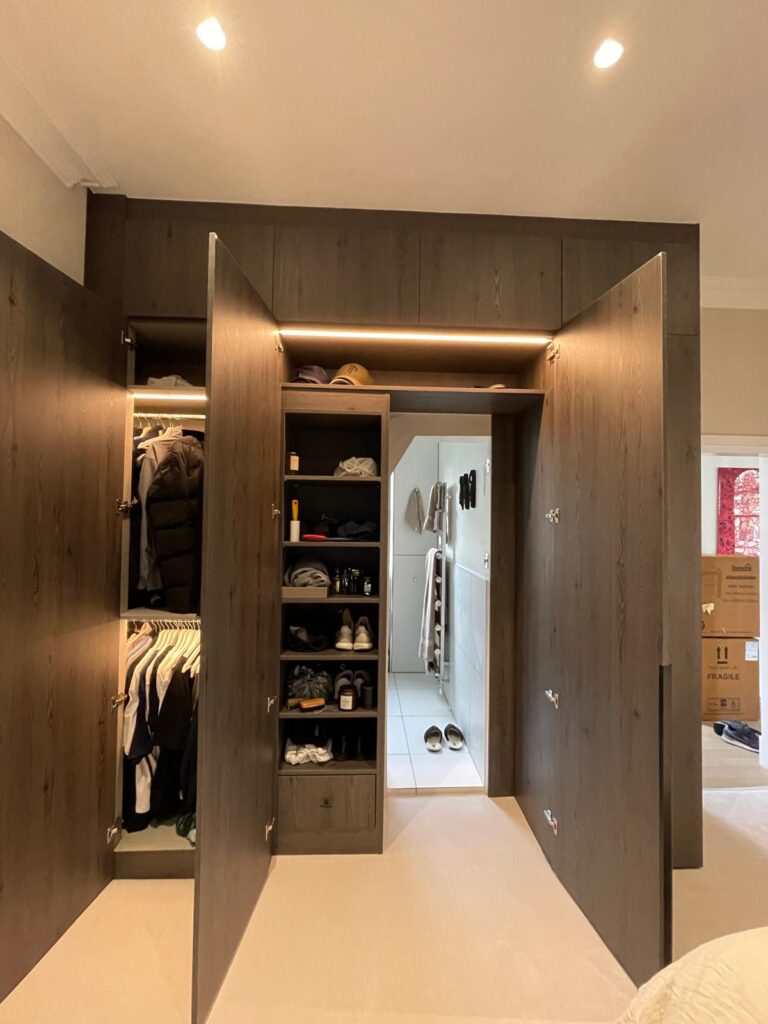
For many bedrooms, the strongest solution is a fitted corner wardrobe. This approach works particularly well when two unused walls meet and there is enough depth to create hanging space or shelving without crowding the bed.
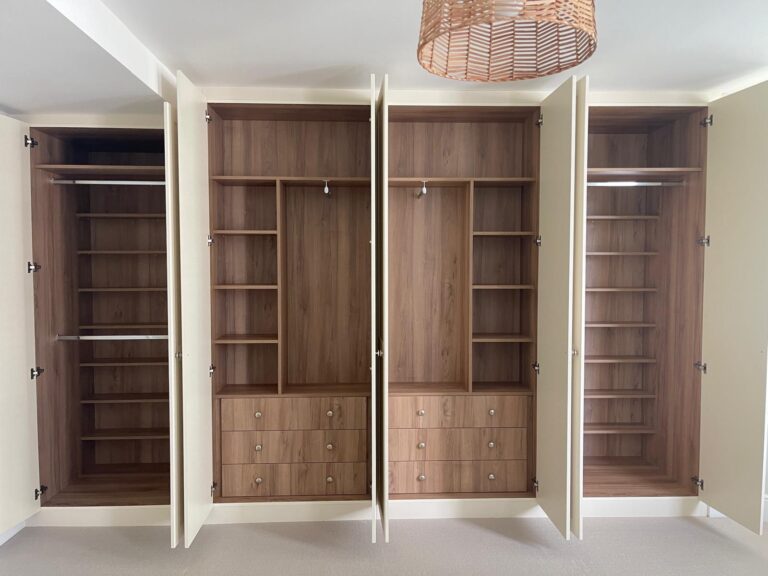
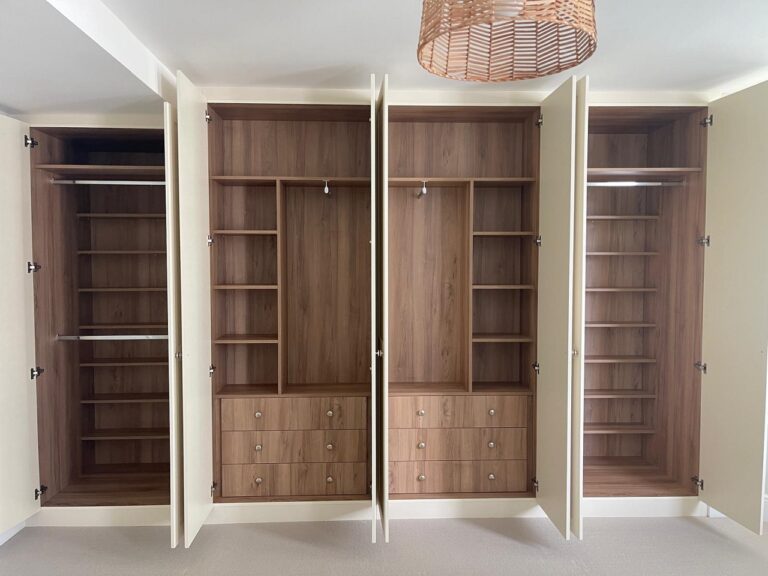
A corner wardrobe can be designed in a few ways. Some use an angled front to soften the join between walls and improve access. Others wrap neatly around the corner, combining full-height hanging on one side with shelves or drawers on the other. The right layout depends on what you need to store and how much room you have in front of it.
The real advantage of fitted units is that they can account for the details standard wardrobes ignore. Uneven walls, alcoves, coving and awkward ceiling lines can all be worked into the design rather than fought against. In period homes around areas such as Chelsea, Wimbledon or Richmond, where room shapes are often less predictable, this can make the difference between storage that merely fits and storage that feels made for the house.
Sliding doors can also be useful in tighter bedrooms, though they are not always the best answer for every corner. They save clearance space, but they do limit full-width access at any one time. Hinged doors may suit a larger room better if you want every section easy to reach.
When open corner shelving works
Not every awkward corner needs a full wardrobe. In some bedrooms, especially where the main fitted wardrobe is already in place, open corner shelving can add function without visual heaviness.
This works best for lighter use – books, decorative boxes, a jewellery tray, folded blankets or a few personal objects. The key is restraint. In a bedroom, overfilled open shelves can quickly feel messy. A fitted design with considered spacing and finishes helps the corner look intentional rather than improvised.
Open shelving also suits corners where full-depth cabinetry would feel too dominant. A narrower profile can preserve light and leave the room feeling more spacious. That said, if you know you prefer everything tucked away, closed storage will usually serve you better in the long term.
Using awkward corners beside beds and windows
One of the most overlooked areas in a bedroom is the corner beside the bed. This space often ends up too narrow for a standard chest and too visible to ignore. Bespoke bedside units, low fitted drawers or a slim corner cabinet can make far better use of it.
These smaller pieces are often the difference between a bedroom that looks tidy for an hour and one that stays organised all week. They give a proper home to chargers, books, glasses, skincare and all the everyday items that otherwise migrate to the nearest surface.
Corners near windows need a little more care. You do not want to block natural light or make the room feel boxed in. Lower fitted storage, window seat detailing or shelving that steps back from the glass can be a better solution than full-height units. If there is a radiator involved, ventilation and access must be planned properly, not squeezed in later.
Sloping ceilings and loft bedroom corners
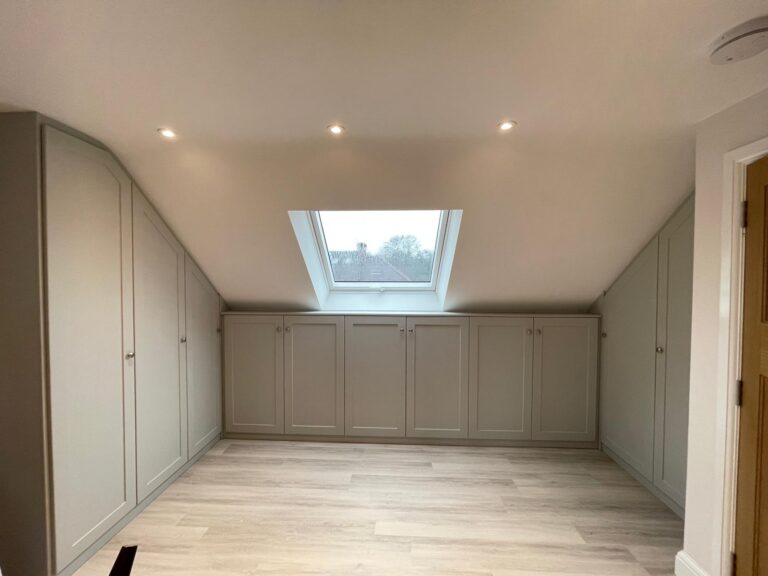
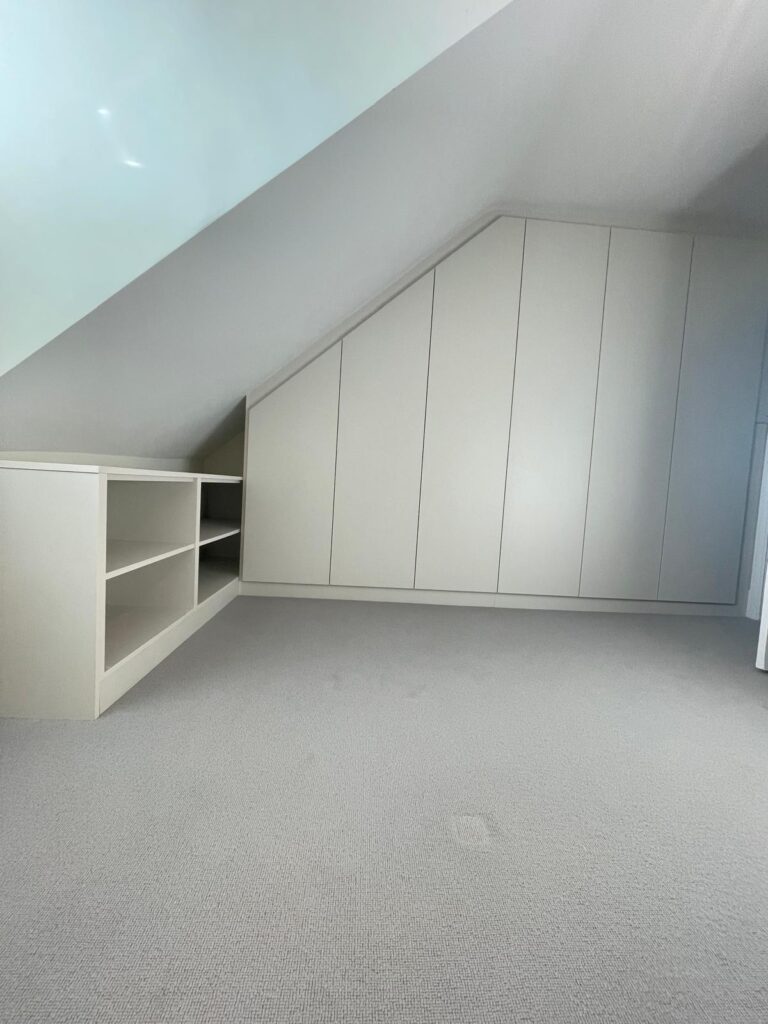
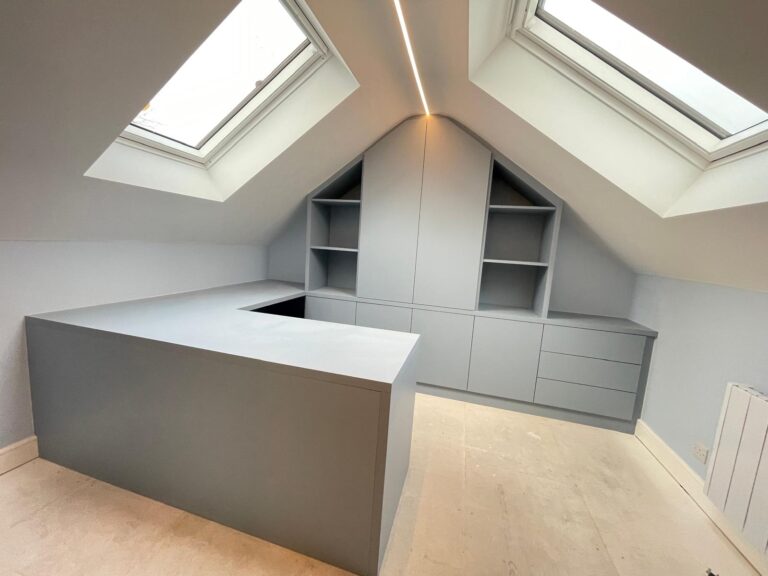
Loft bedrooms create some of the most frustrating corners, but they also offer some of the best opportunities for fitted storage. The space where the ceiling drops is often useless for freestanding furniture, yet ideal for made-to-measure drawers, cupboards or lift-up compartments.
This is where bespoke design proves its value. A low run of fitted storage can follow the slope precisely, keeping the room usable while avoiding wasted voids. In practical terms, these areas are excellent for shoes, folded clothing, spare duvets or items you do not need every day.
There is a trade-off, of course. Very low storage is less convenient for daily access, so it is worth reserving the easiest-to-reach sections for regular use and the deepest corners for occasional items. Good design is not only about fitting furniture into the room. It is about matching the storage to your actual routine.
Finishes, lighting and the look of a calmer room
A corner solution should not feel like an add-on. The best fitted storage looks integrated with the architecture of the bedroom, even if the room started out with difficult proportions.
Colour and finish play a large part here. Lighter tones can help a corner recede and feel more spacious, while richer shades can make fitted cabinetry feel more luxurious and grounded. Matt finishes are often a strong choice for bedrooms because they keep the overall look softer.
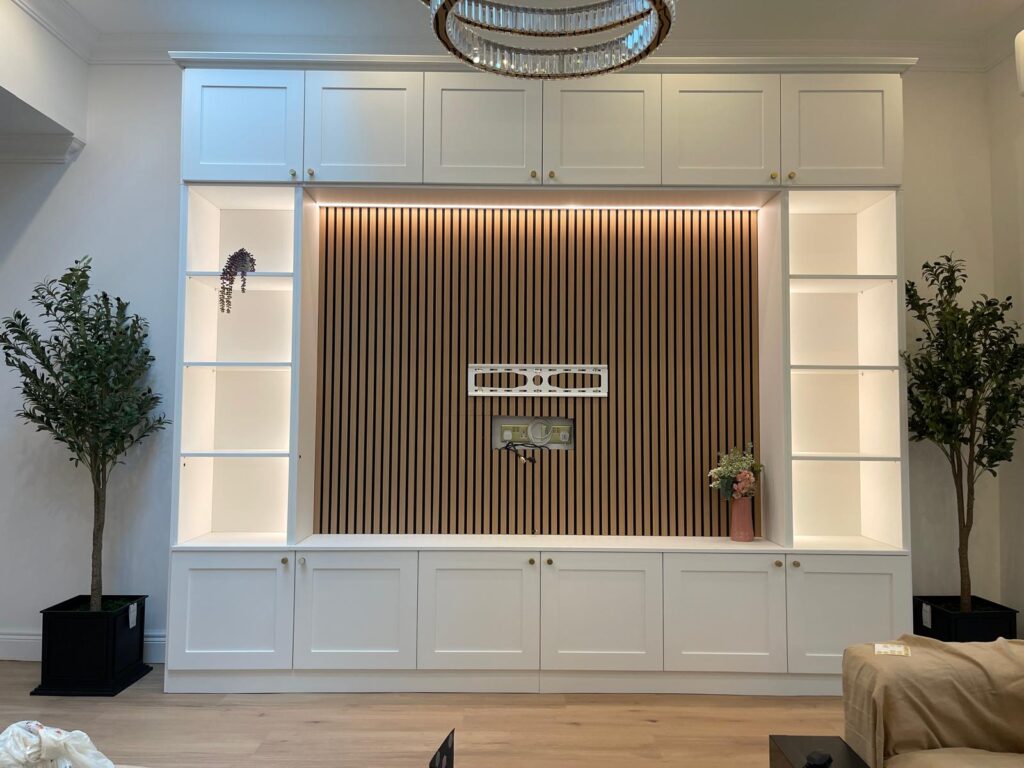
Lighting can also transform a corner that would otherwise feel forgotten. Subtle internal wardrobe lighting, shelf lighting or well-placed bedside illumination can make storage easier to use and improve the atmosphere of the room. It is a practical detail, but also part of the wider design experience.
Handles, door style and interior layout matter just as much. A beautiful exterior with poor internal planning will not stay beautiful for long. Drawers for smaller items, adjustable shelves, pull-out accessories and sensible hanging heights all help the corner perform properly over time.
Why bespoke usually wins in awkward spaces
Bedroom storage for awkward corners is one of those areas where bespoke furniture earns its keep quickly. Standard pieces are built for standard room shapes, and many British bedrooms simply are not standard. Gaps, wasted depth and awkward clearances all chip away at both storage capacity and visual appeal.
Made-to-measure furniture allows the room to be used fully, but it also gives you control over how the storage behaves. You can decide what stays hidden, what stays accessible and how the finish ties in with the rest of the bedroom. That level of personalisation is not about excess. It is about getting the proportions right and making the room easier to live in.
At Finest Furniture Studio, this is exactly where fitted design makes the strongest impact – turning difficult corners into elegant storage that feels considered from every angle. For homeowners investing in a bedroom upgrade, that often means less clutter, a more refined layout and furniture that genuinely fits the home rather than merely occupying it.
If you have an awkward corner in the bedroom, it is worth seeing it as a design prompt rather than a problem. The right solution can give you more storage, a better layout and a room that finally feels complete.