








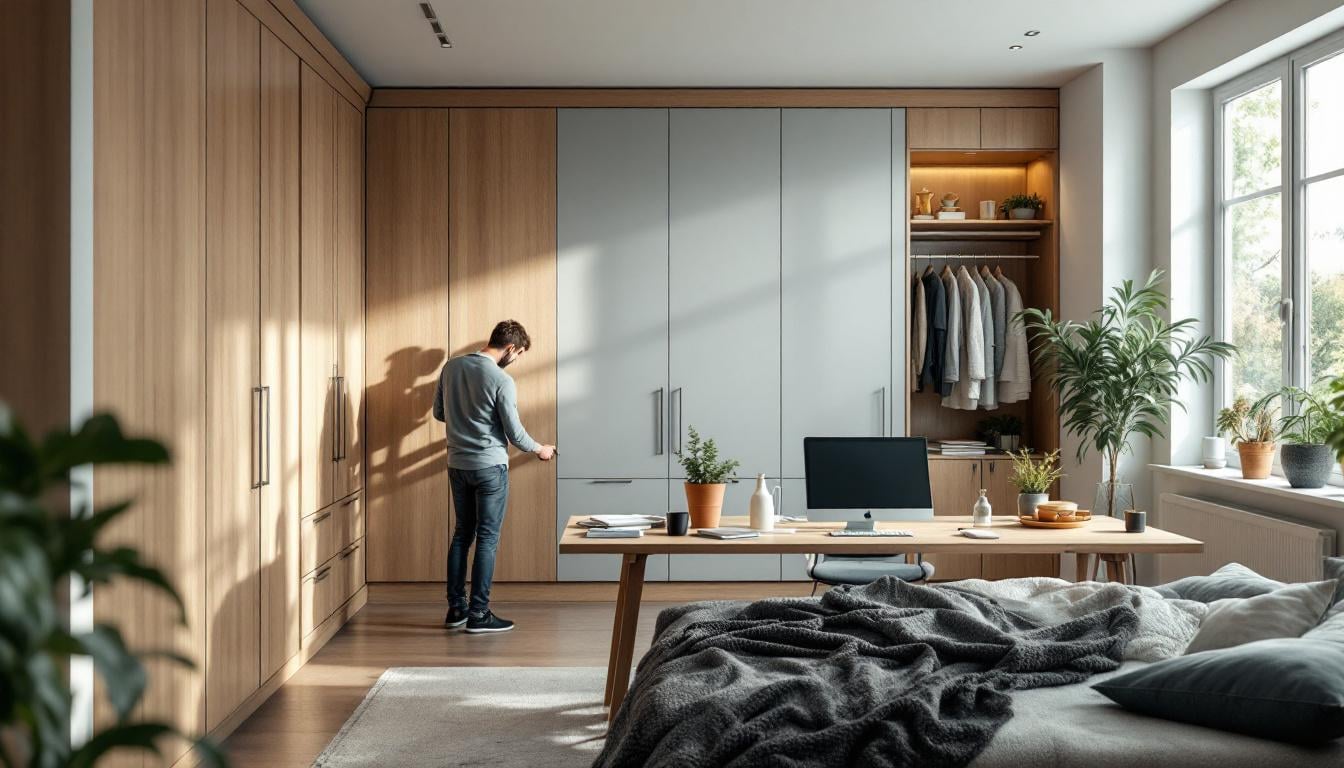
Storage units and the case for built-in planning
Storage units are rarely just boxes with shelves. In a fitted interiors project, they shape how a room works every day, from wardrobe access to how cleanly a hallway absorbs clutter. For homeowners comparing bespoke options, the real question is not whether storage units exist, but whether they solve the room’s exact constraints without wasting floor space or visual balance.
What most ranking pages cover, and what they miss
The top search results for storage units usually cluster around three themes: buying guides, material comparisons, and room-by-room ideas. They explain sizes, styles, and common uses, but often stop short of implementation. What they miss is the practical side, such as how to plan around skirting boards, ceiling slopes, awkward alcoves, or how to decide between open and closed storage when storage units must support both organisation and aesthetics.
Room-by-room use cases that drive real decisions
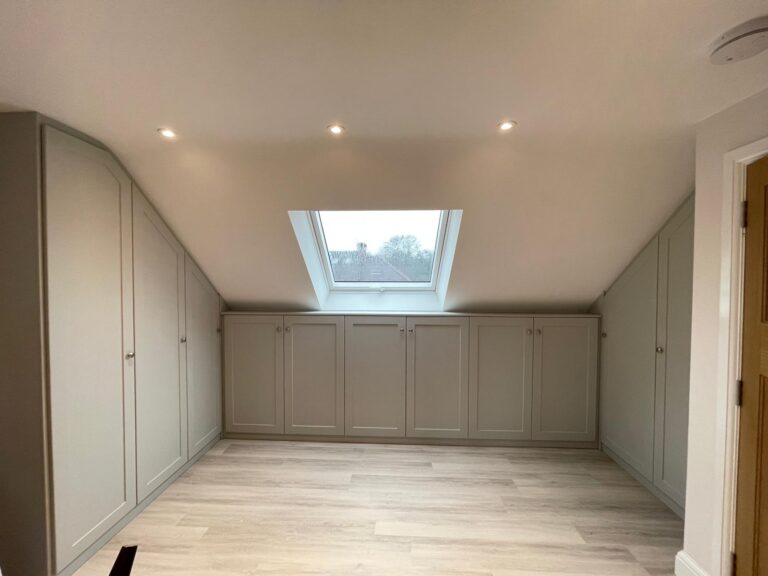
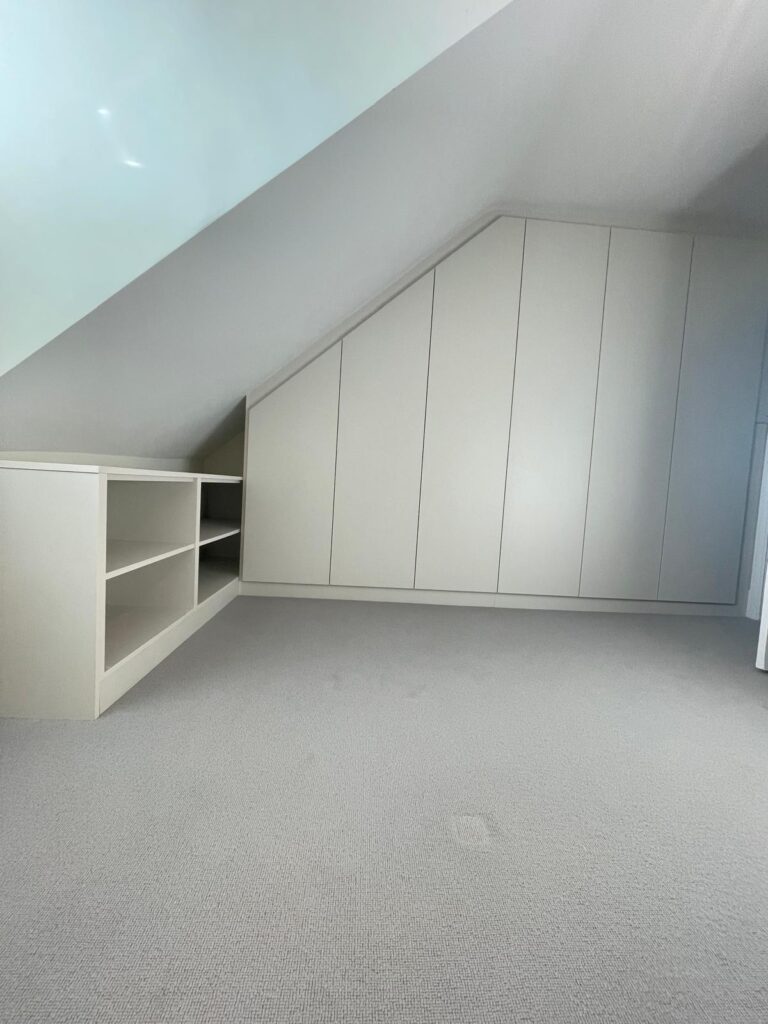
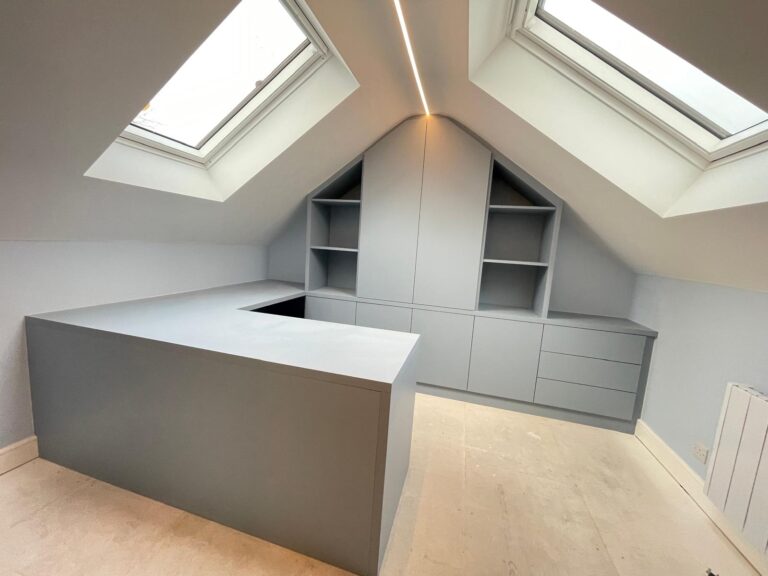
The most useful way to think about storage units is by room, because the best design choice changes with the environment. A bedroom needs quiet capacity and easy access to daily items, while a living room may need storage units that hide cables, toys, and media equipment. In hallways, the priority is often slim depth and durable finishes, while loft spaces demand custom angles and careful measurement.
Bedrooms: wardrobes, alcoves, and lofts
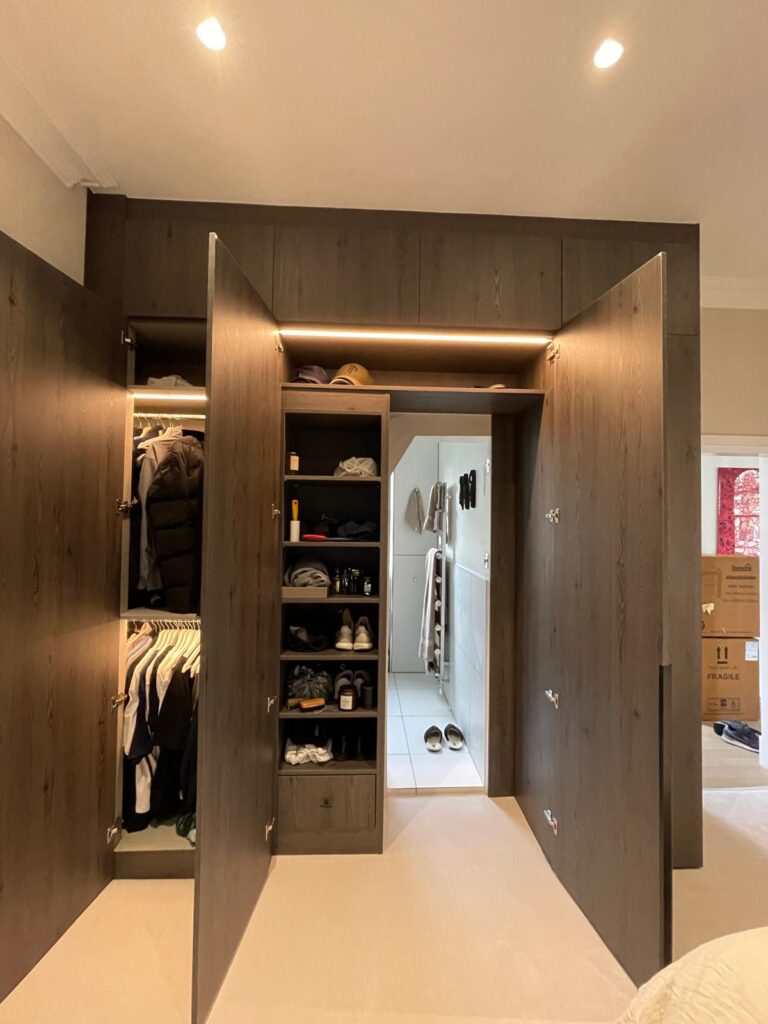
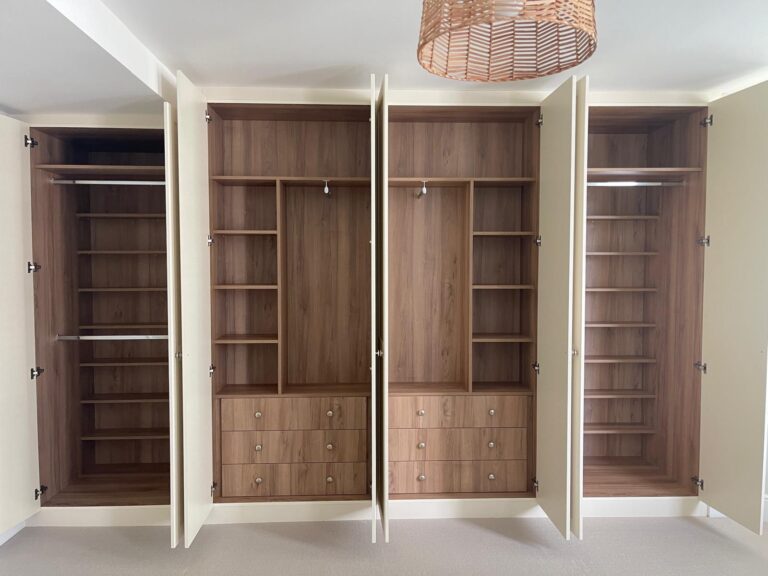
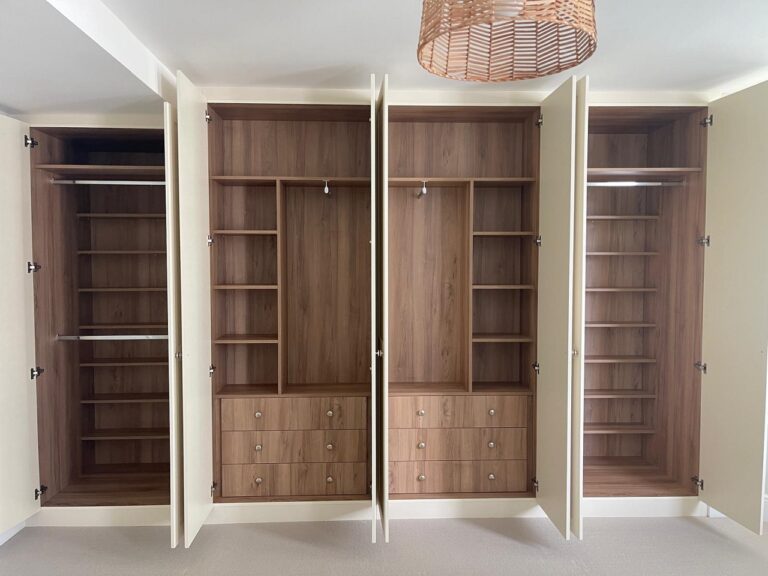
Bedroom storage units usually work best when they are designed around the way people actually dress. Hanging space, drawer depth, shelf spacing, and door type all matter. A simple decision rule helps here: if access is daily, keep it at eye level; if it is seasonal, place it higher or lower. That approach reduces friction and keeps storage units from becoming decorative but inefficient.
Living rooms: media walls and concealed clutter
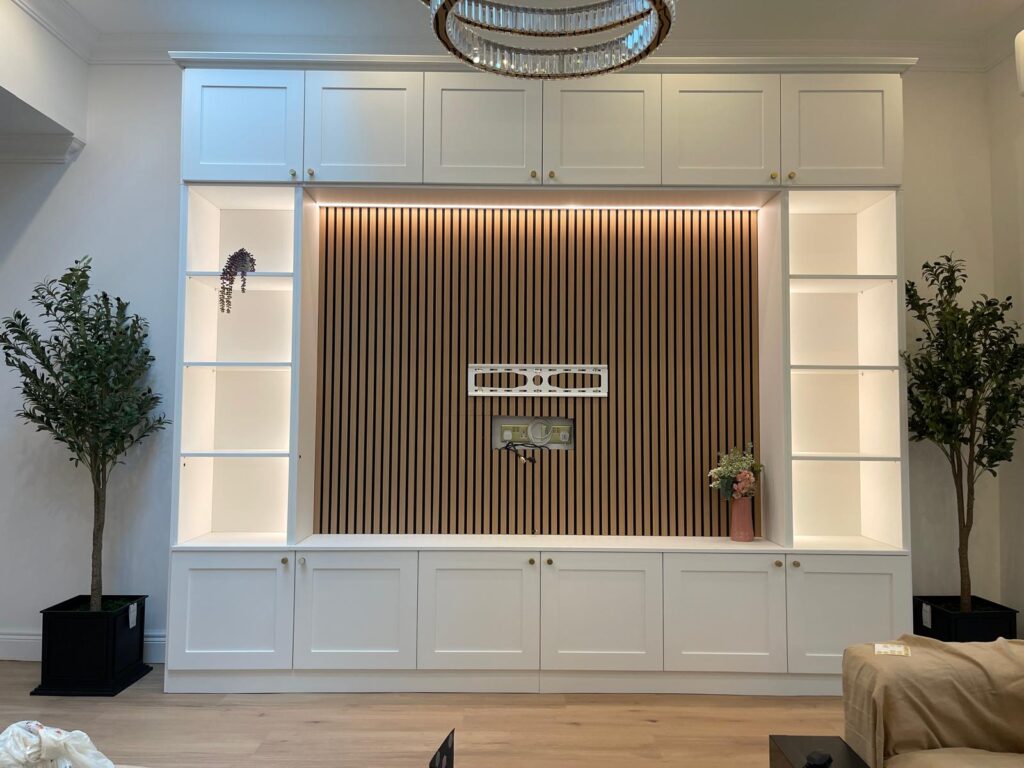
Living room storage units often need to do more than store. They have to frame a television, hide routers and leads, and keep the room from feeling visually busy. The main trade-off is between display and concealment. Open shelving works when the homeowner wants styling space, but closed storage is usually better if the goal is a clean, low-maintenance room with fewer visible objects.
Hallways, under-stairs spaces, and utility zones
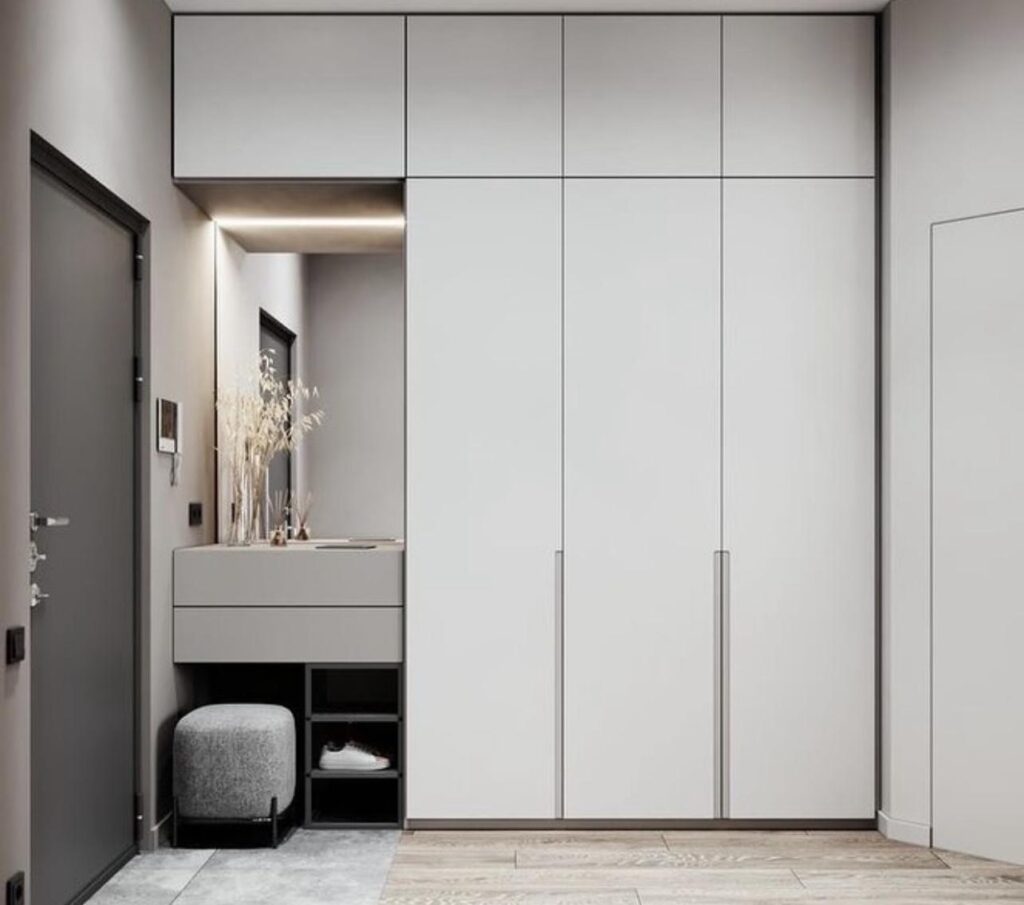
These are the places where storage units earn their keep. Under-stairs cupboards and hallway cabinets can recover square footage that would otherwise be wasted. The trick is to avoid overbuilding depth. A shallow unit with well-planned internal divisions often performs better than a deeper one that swallows coats, shoes, and bags without order. For busy households, this detail can save several minutes a day.
Measure the space before you choose the style
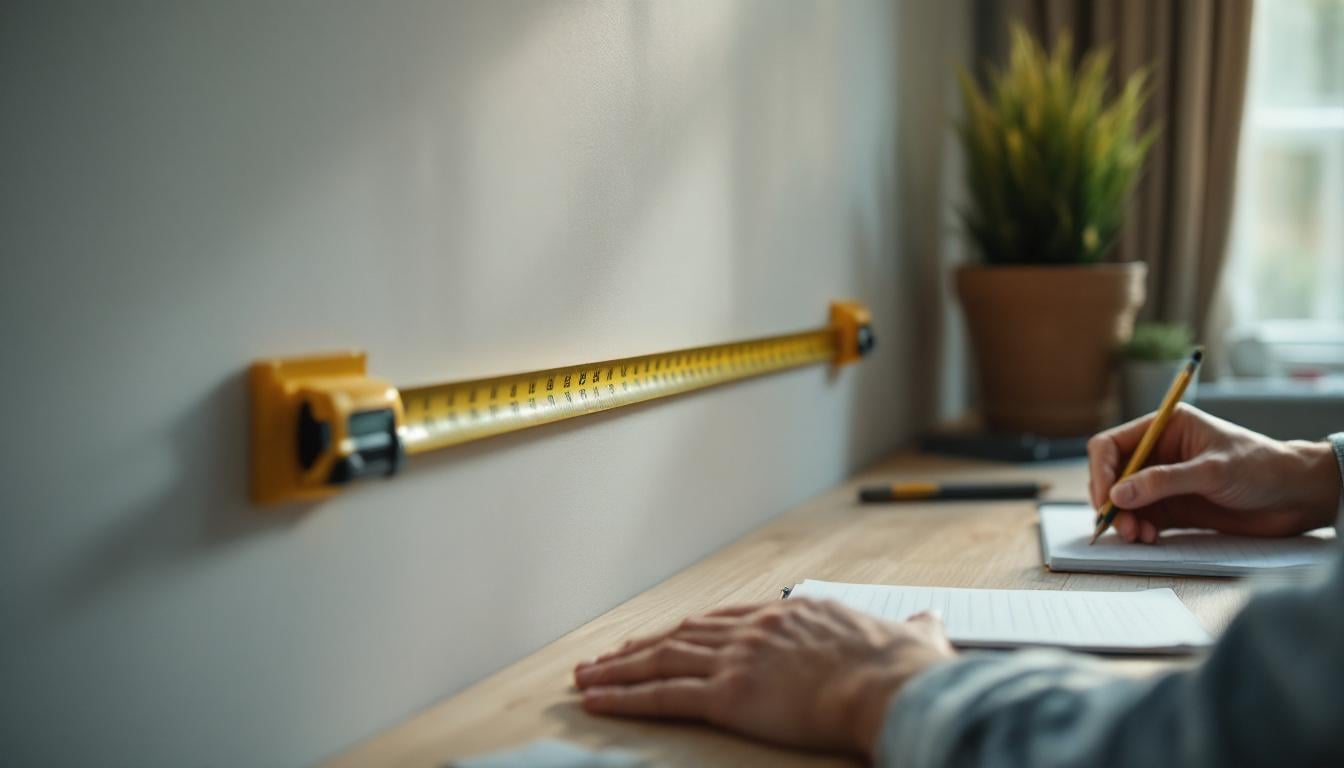
A good storage units project starts with measurement, not style. The critical figures are wall width, ceiling height, depth available, and any obstructions such as sockets, radiators, or bulkheads. As a practical benchmark, even a 10 mm error can affect scribed panels or door alignment, so measurement discipline matters. This is where bespoke planning beats off-the-shelf furniture almost every time.
Use a three-step measurement workflow
First, record the widest, narrowest, and mid-point measurements for each wall section. Second, check the room at floor level and at the top of the wall, because older homes often taper slightly. Third, note any irregular features that affect installation. This workflow reduces the risk of gaps, pinched doors, or wasted filler panels, which are common problems when storage units are ordered from a rough estimate.
Choose the right depth and internal layout
Depth is one of the most overlooked decisions in storage units. Too shallow, and hangers or larger items do not fit comfortably. Too deep, and the space becomes hard to access. For wardrobes, depth should be judged against the use case, not just the wall available. A compact hallway cabinet may only need enough depth for shoes and folded accessories, while a bedroom unit needs a more generous internal profile.
A simple rule for shelf and drawer planning
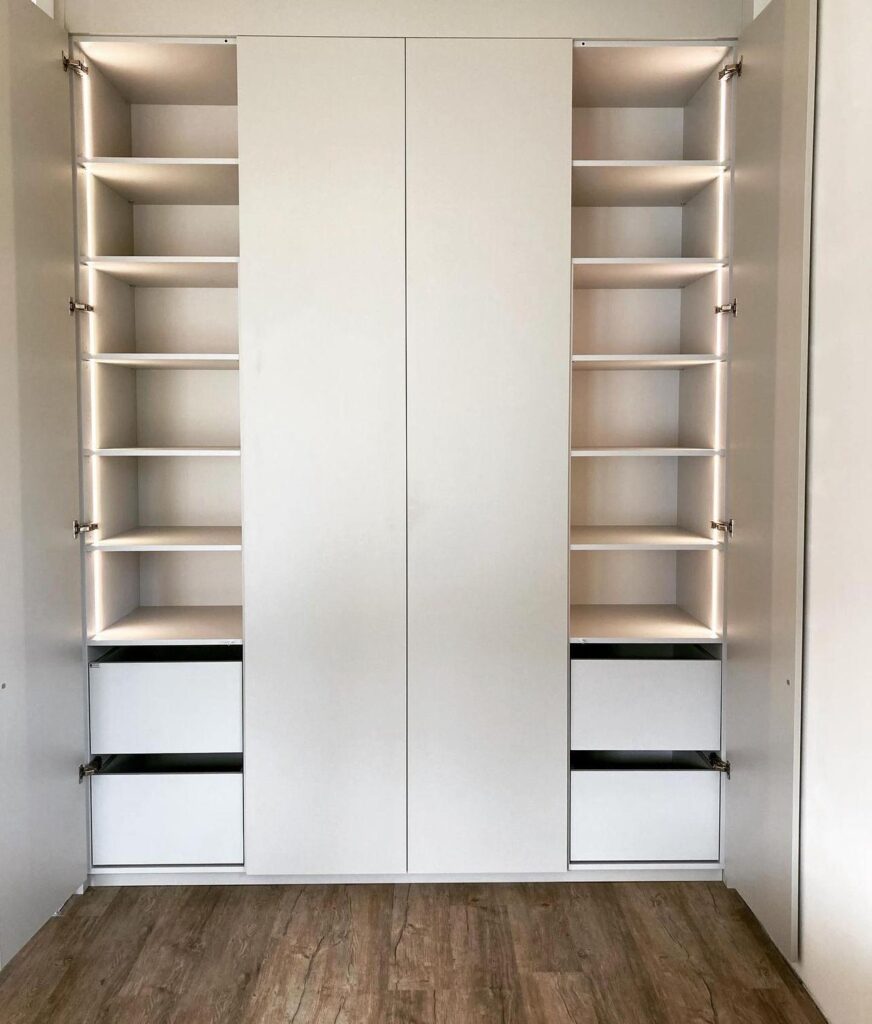
Shelves work best for folded items, baskets, or decor, while drawers handle smaller objects that would otherwise scatter. If a section will be opened daily, drawers or pull-out trays usually beat deep shelves because they keep items visible. The practical test is retrieval speed. If a homeowner cannot find what they need within a few seconds, the storage unit is probably organised for the installer, not the user.
Doors, finishes, and how they affect daily use
Doors and finishes are not just visual choices. They change how storage units feel in the room, how much maintenance is required, and how much space is needed for access. Sliding doors work well in tighter rooms because they avoid swing clearance, while hinged doors offer easier full access. The best choice depends on circulation space, wardrobe layout, and whether the room needs a quieter or more open visual line.
When sliding doors make more sense
Sliding doors are a strong fit when furniture sits close to a bed, a radiator, or a narrow walkway. They are also useful when the room cannot afford a door arc. The trade-off is partial access, since only part of the storage unit can be opened at once. That limitation matters if the user needs full visibility across hanging rails or mixed storage zones.
When hinged or handleless doors are better
Hinged doors give full access, which helps in wardrobes with fixed shelf zones or mixed-height storage. Handleless fronts create a calmer look and are easier to wipe down, but they need precise fitting so the lines stay consistent. In premium interiors, that small alignment detail is often what separates a good storage unit from one that looks improvised after installation.
The hidden value of bespoke storage units
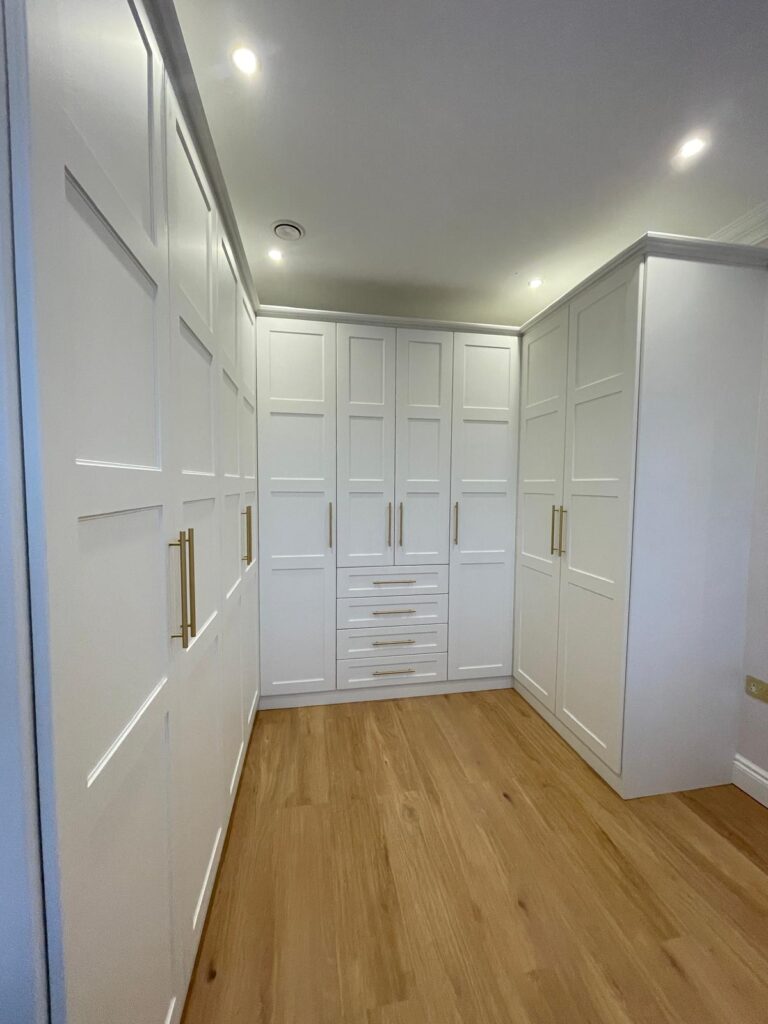
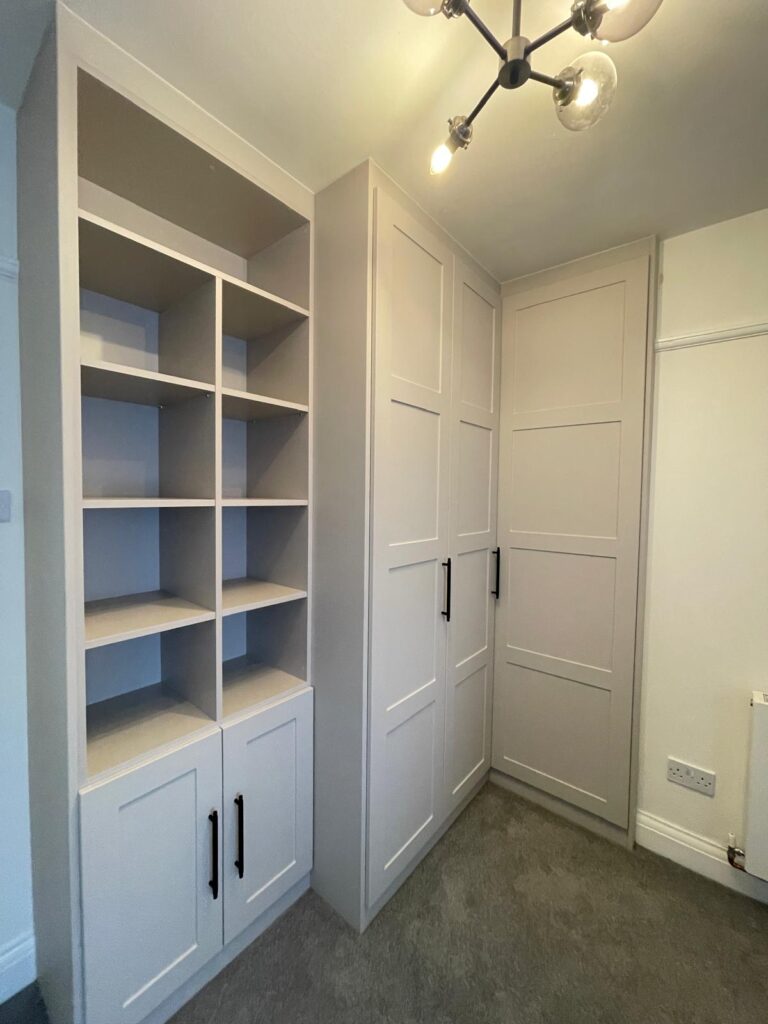
Bespoke storage units outperform generic furniture when the room has constraints or when capacity needs to be maximised without visual clutter. The real value is not luxury, it is fit. A built-in unit can extend to the wall edge, work around slopes, and be planned to the millimetre. That precision usually creates more usable storage than several smaller standalone pieces occupying the same footprint.
Mini-case: a cramped bedroom converted into usable space
One homeowner in a compact bedroom replaced two freestanding wardrobes and a chest of drawers with fitted storage units running wall to wall. The assumption was simple: keep the same room size but remove dead corner gaps. After fitting, usable hanging space increased by roughly 30%, and floor clutter dropped because seasonal items moved into top storage zones. The key lesson was that layout, not just capacity, drove the result.
Mini-case: a hallway that stopped wasting square footage
A narrow hallway often fails because it tries to do too much with too little depth. In one typical redesign, shallow storage units were built around existing wall width and replaced a bulky shoe rack and open hooks. The assumption here is a standard UK family hallway with daily traffic. The outcome was clearer circulation, easier cleaning, and a more predictable landing zone for coats and bags.
Installation speed, warranty, and what buyers should ask
When buyers compare storage units, they often focus on finish and forget the delivery timeline. That is a mistake because installation affects disruption, especially in bedrooms and family homes. If a provider mentions fitting in 7 to 10 days, the useful follow-up question is whether that timeline includes survey, manufacture, and installation. Warranty is equally important, because a 10-year warranty signals confidence in both build quality and fitting standards.
The questions that expose weak planning
A serious buyer should ask how panels are scribed, how doors are aligned, and what happens if a wall is not square. These questions reveal whether the storage units are being treated as custom joinery or as generic modules dressed up as bespoke. If the installer cannot explain tolerance handling, the project is likely to produce visible compromises later.
How storage units compare with competitors in the UK market
UK buyers often compare premium fitted furniture providers on similar promises, so the difference has to come from execution. Some brands focus heavily on broad category coverage, while others emphasise made-to-measure wardrobes or bedroom systems. For a homeowner, the useful comparison is not the brochure language but whether the storage units are tailored for awkward rooms, whether fitting is fast, and whether the warranty backs up the promise.
What to look for beyond the showroom language
A showroom can make almost any storage unit look refined, so the real filter is specification. Look for evidence of bespoke design, clear material choices, and installation support. If a provider can explain how they handle alcove cupboards, loft wardrobes, sloped cupboards, or built-in cupboard layouts, that usually indicates a stronger process than a purely cosmetic sales pitch.
Quick takeaways for homeowners planning storage units
Storage units work best when they are designed around the room, not the catalogue. Measure carefully, choose depth based on use, and decide early whether access or visual calm matters more. Sliding doors suit tight rooms, hinged doors suit full access, and bespoke layouts usually beat freestanding furniture when walls are awkward. The best projects are simple in appearance because the planning was detailed.
How to turn a storage unit idea into a usable brief
Before contacting a supplier, write a short brief that names the room, the problem, and the items that must be stored. For example, a bedroom brief might include hanging clothes, bedding, and seasonal items, while a hallway brief might prioritise shoes, coats, and bags. That short input gives the designer enough context to propose storage units that solve a real space problem instead of just filling a wall.
Why Finest Furniture Studio fits this search intent
For readers researching storage units in the UK, Finest Furniture Studio aligns with the practical side of the search because it focuses on bespoke wardrobe solutions and fitted furniture rather than one-size-fits-all products. The site also mentions fitting in 7 to 10 days and a 10-year warranty, which are useful signals when speed and reassurance matter. Learn more at Bespoke Wardobes Lomdon if you want to compare a tailored route against standard furniture options.
Frequently Asked Questions
The FAQs below address the most common questions homeowners ask when researching storage units for fitted interiors, bespoke wardrobes, and made-to-measure furniture.
Frequently Asked Questions
What are storage units used for in fitted interiors?
Storage units are used to organise clothes, household items, media equipment, and everyday clutter in a way that suits the room. In fitted interiors, they are often designed as bespoke storage units so the layout matches the wall width, ceiling height, and access needs.
Are bespoke storage units better than freestanding furniture?
In many rooms, yes, because bespoke storage units make better use of awkward spaces and reduce wasted gaps. They are especially useful for alcove cupboards, loft wardrobes, and sloped cupboards where standard furniture rarely fits cleanly.
How do I choose the right depth for storage units?
Start with what you need to store, not just the available wall space. A wardrobe needs enough depth for hangers, while hallway storage units can be shallower if they only hold shoes or folded items, which helps keep circulation clear.
What should I ask before ordering bespoke storage units?
Ask about measurement process, installation timeline, warranty, and how the provider handles uneven walls or ceiling slopes. These details matter because custom-designed furniture only performs well when fitting and tolerance handling are planned properly.
How quickly can storage units be fitted?
Fit times vary by project, but some providers mention fitting in 7 to 10 days once manufacture is complete. The key is to confirm whether that includes survey, production, and installation, especially for made-to-measure wardrobes or fitted furniture.
Do storage units come with a warranty?
Many quality storage units do, and a longer warranty often suggests confidence in materials and fitting. For bespoke wardrobe solutions and fitted furniture, a 10-year warranty is a strong benchmark to look for when comparing suppliers.
What kinds of storage units work best in small rooms?
Small rooms usually benefit from fitted storage units with sliding doors, internal drawers, and full-height vertical storage. This approach improves room storage solutions without eating into floor space, which is important in bedrooms, hallways, and loft conversions.