





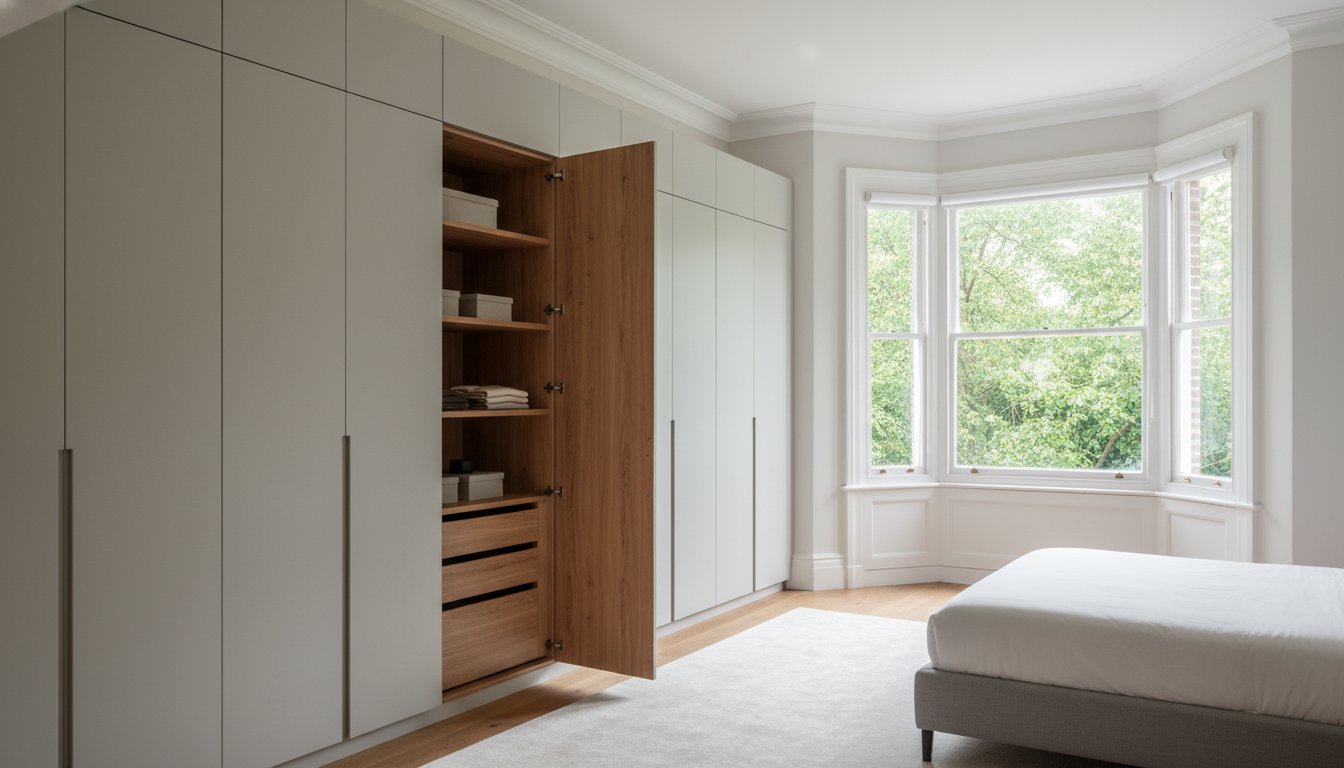
Could the material choice for your new bespoke cabinetry be the difference between a 20-year investment and a five-year mistake? It’s a common fear amongst London homeowners that their beautiful new storage might eventually sag under weight or peel in a damp alcove. You deserve a solution that maintains its premium feel for a decade or more, yet the confusion over price variations often makes finding the best material for fitted wardrobes feel like a daunting task.
At Finest Furniture Studio, we specialise in creating fully fitted storage that integrates into your home with absolute precision. This 2026 guide is designed to help you discover the ultimate materials for your built-in wardrobes and media wall units, ensuring they offer both high-end aesthetic appeal and structural durability. We will preview the performance of modern engineered woods, explain how to match boards to your home’s architectural era, and reveal the bespoke construction secrets that ensure a seamless fit into your existing decor.
Key Takeaways
- Understand why selecting the right material for bespoke furniture is a 20-year investment that dictates how your carcases and shelves perform under weight.
- Discover the best material for fitted wardrobes by comparing the structural stability of high-density MFC against the flawless finishing capabilities of moisture-resistant MDF.
- Learn how to choose materials that resist warping in damp alcoves whilst requiring minimal maintenance to retain their premium aesthetic.
- Identify the ideal material combinations for specific designs, ensuring a seamless fit for everything from traditional Shaker styles to modern wood-effect finishes.
- Explore the Finest Furniture Studio hybrid construction approach that underpins our confidence in providing a 10-year quality guarantee.
Why Choosing the Best Material for Fitted Wardrobes is a 20-Year Decision
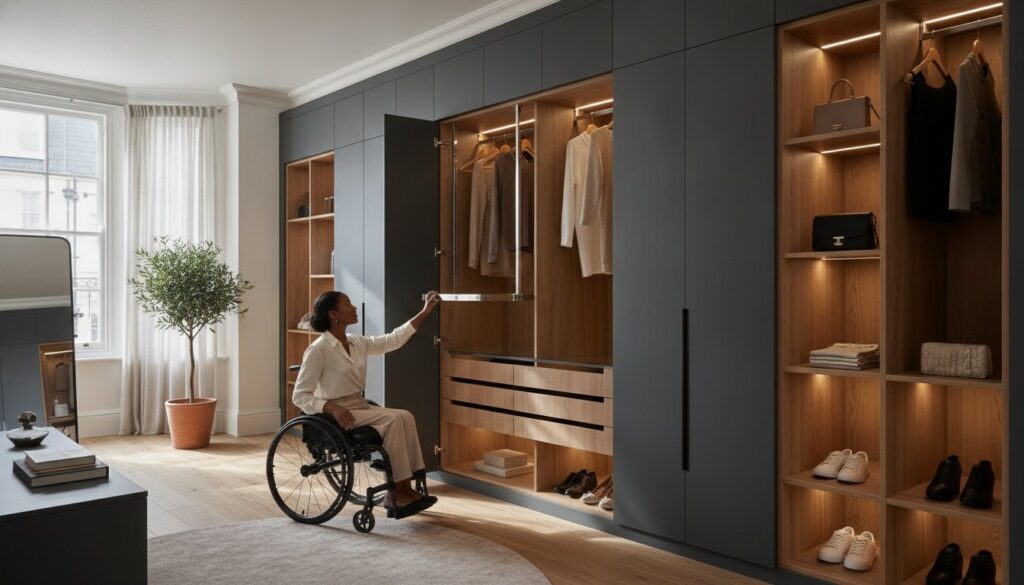
When you commission a bespoke wardrobe, you aren’t just buying furniture; you’re investing in the structural fabric of your home. Freestanding pieces are designed for mobility, often sacrificing density for weight. In contrast, fully fitted wardrobes must endure the unique stresses of floor-to-ceiling installations. Selecting the best material for fitted wardrobes is critical because these units are built to stay in place for decades. They must withstand the shifting foundations of London’s historic townhouses and the seasonal humidity often found in damp Victorian alcoves or converted loft spaces.
The weight-bearing reality of a wardrobe is often overlooked until it’s too late. A standard four-metre run of cabinetry might hold hundreds of kilograms of clothing, heavy coats, and storage boxes. Without high-quality materials, shelves will inevitably bow, and carcases will pull away from the wall. We focus on material synergy. This means the internal strength of the board is matched perfectly to the external beauty of the finish. It creates a wardrobe that doesn’t just look fitted; it looks like a permanent architectural feature of the room.
The Functional Demands of Bespoke Cabinetry
Precision engineering starts with the core. High-density boards ensure that hinges and drawer runners remain secure despite thousands of openings. The screw-holding capacity of a board is a vital metric. If the material is too porous, hinges will eventually loosen, causing doors to drop and scrape. We often use a specific engineered wood product like high-density MDF for its stability and uniform density. This density prevents the sagging shelf syndrome that plagues cheaper alternatives. Structural integrity in a floor-to-ceiling wardrobe refers to the unit’s ability to remain perfectly square and load-bearing without distorting under its own weight or the weight of its contents over time.
Aesthetics vs. Utility: Finding the Balance
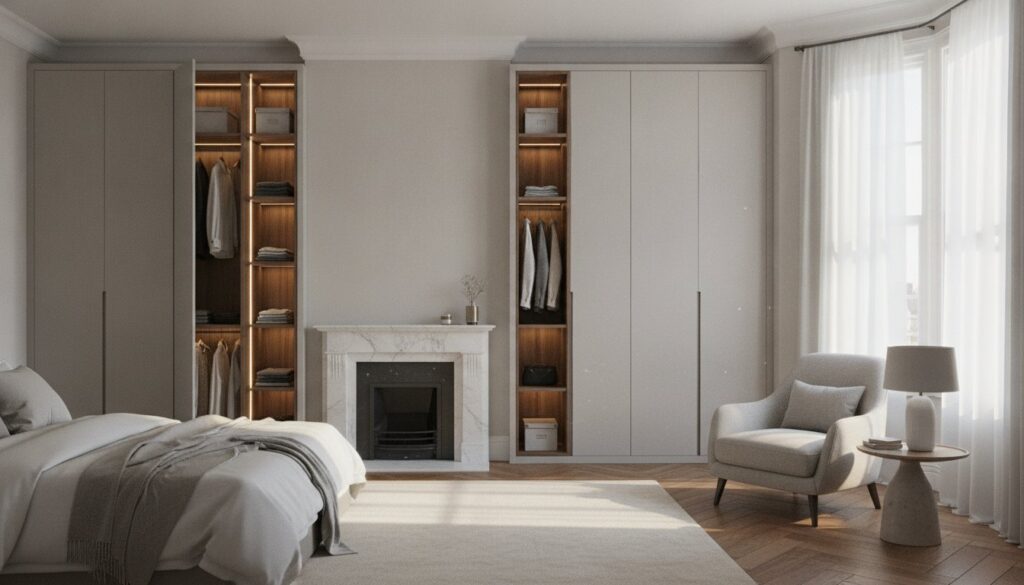
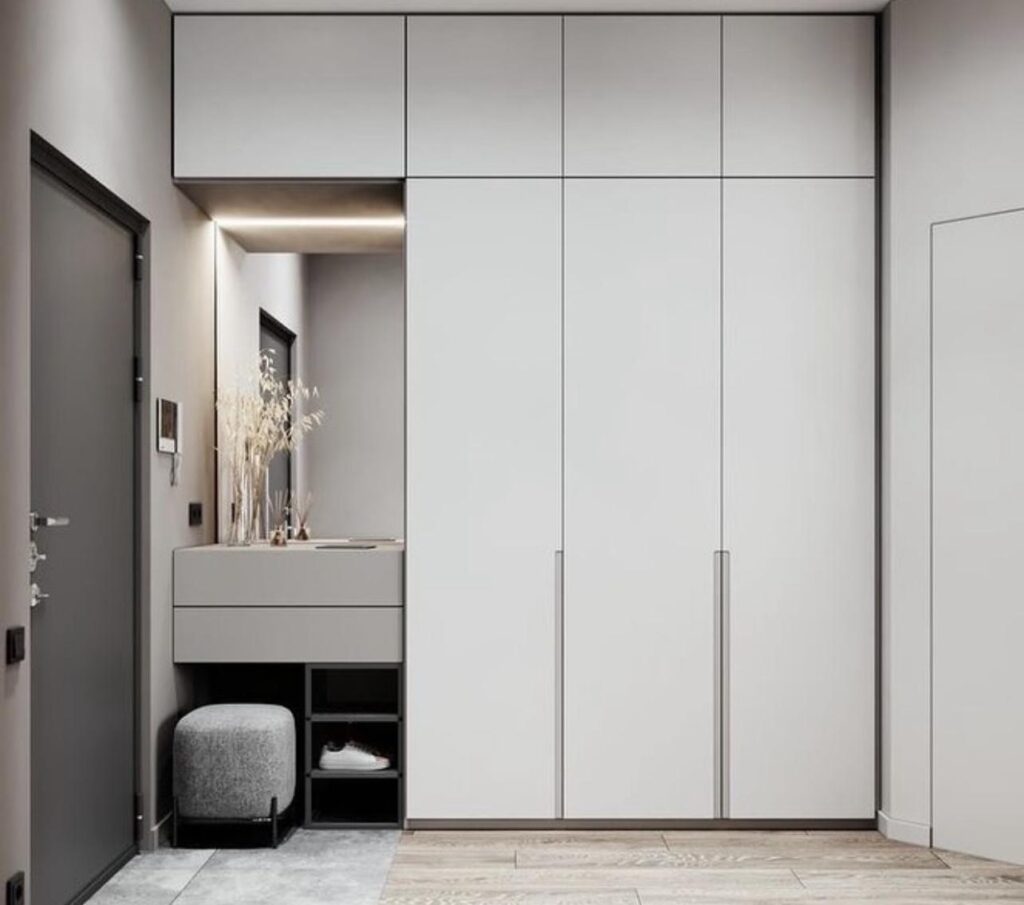
A successful design balances a wipe-clean, durable interior with a customisable, paintable exterior. Whilst the inside needs to resist scuffs from hangers and shoes, the doors must take paint or wood-effect finishes perfectly to match your decor. Whether you desire the timeless lines of a Shaker wardrobe or the sleek profile of a modern high-gloss unit, the substrate determines the final result. At Finest Furniture Studio, we prioritise this balance by selecting materials that offer maximum longevity without compromising on high-end visual appeal. We ensure your storage feels as premium in year ten as it did on day one. By choosing the right foundation now, you avoid the anxiety of future repairs and enjoy the pride of ownership that comes with a truly customized product.
The Core Contenders: MFC, MDF, Plywood, and Solid Wood Explained
Identifying the right board is the first step in your design journey. Whilst many homeowners assume that solid timber is the gold standard, the reality of modern cabinetry is more nuanced. Finding the best material for fitted wardrobes involves understanding the unique properties of each board and how they interact with your home’s environment. We categorise these materials into two roles: the structural skeleton and the aesthetic skin.
MFC: The Structural Workhorse
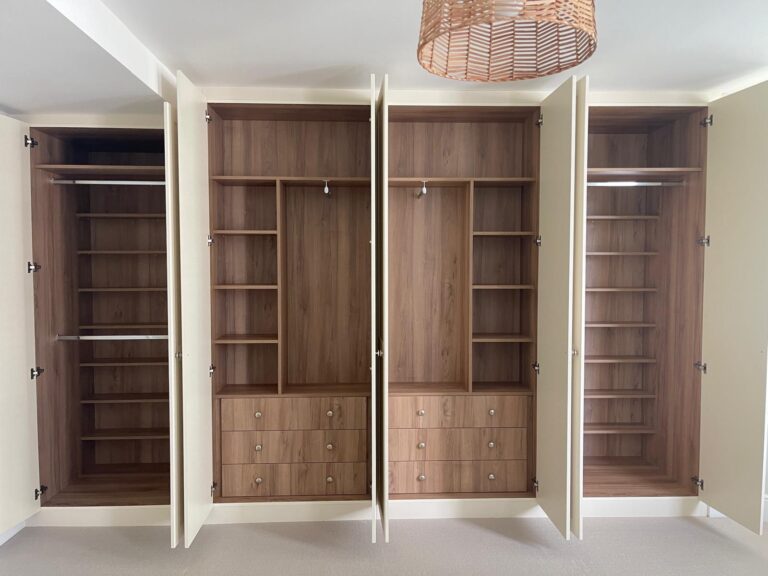
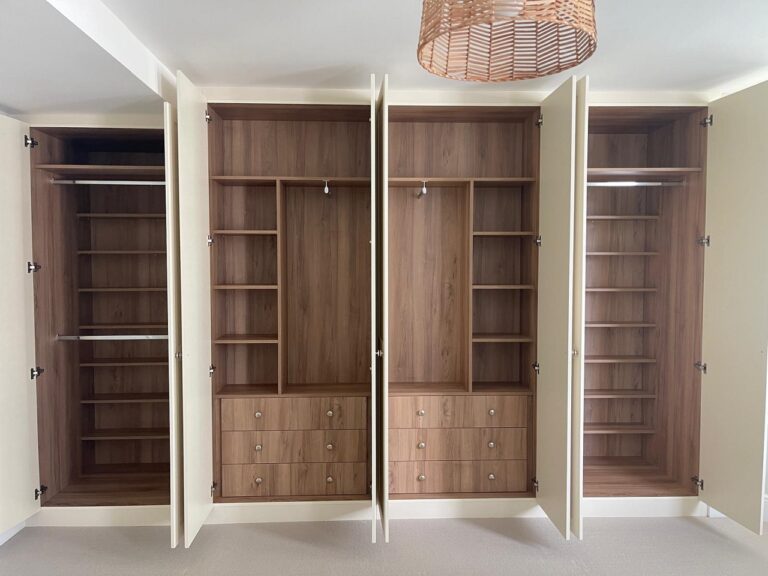
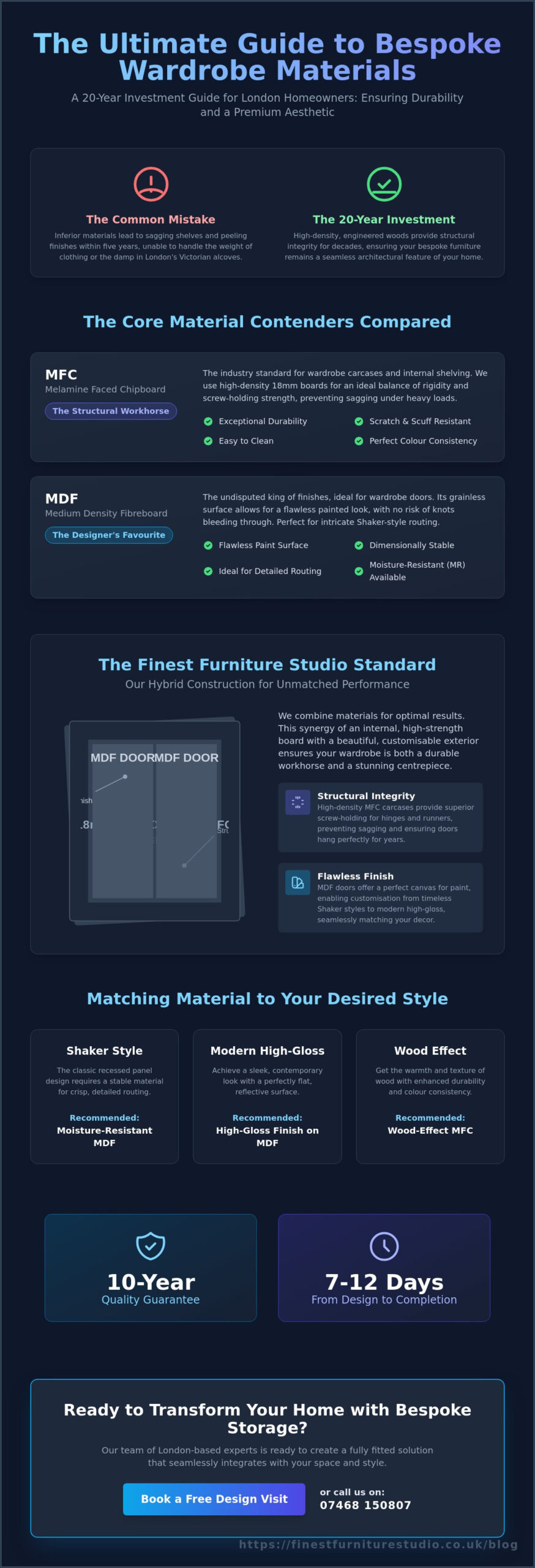
Melamine Faced Chipboard (MFC) is the industry standard for wardrobe carcases and internal shelving. We exclusively use 18mm furniture-grade MFC because it provides the ideal balance of rigidity and screw-holding strength. Unlike the thin, porous boards found in cheap flat-pack furniture, high-density MFC is engineered to resist sagging under the weight of a full winter wardrobe. The melamine surface is incredibly practical; it is scratch-resistant, easy to wipe clean, and provides perfect colour consistency across the entire interior of your unit.
MDF: The Designer’s Favourite for Doors
Medium Density Fibreboard (MDF) is the undisputed king of finishes. It is the best material for fitted wardrobes when you desire a flawless, painted look. Because MDF has no natural grain, there is no risk of “ghosting” or knots bleeding through the paint over time. It is also exceptionally stable, allowing for intricate Shaker-style routing or perfectly smooth modern edges. For wardrobes situated in cold alcoves or near en-suite bathrooms, we utilise moisture-resistant (MR) MDF. This specialised board contains a green resin that prevents the fibres from swelling in humid conditions, ensuring your doors remain perfectly aligned for years.
Solid Wood and Veneers: The Luxury Touch
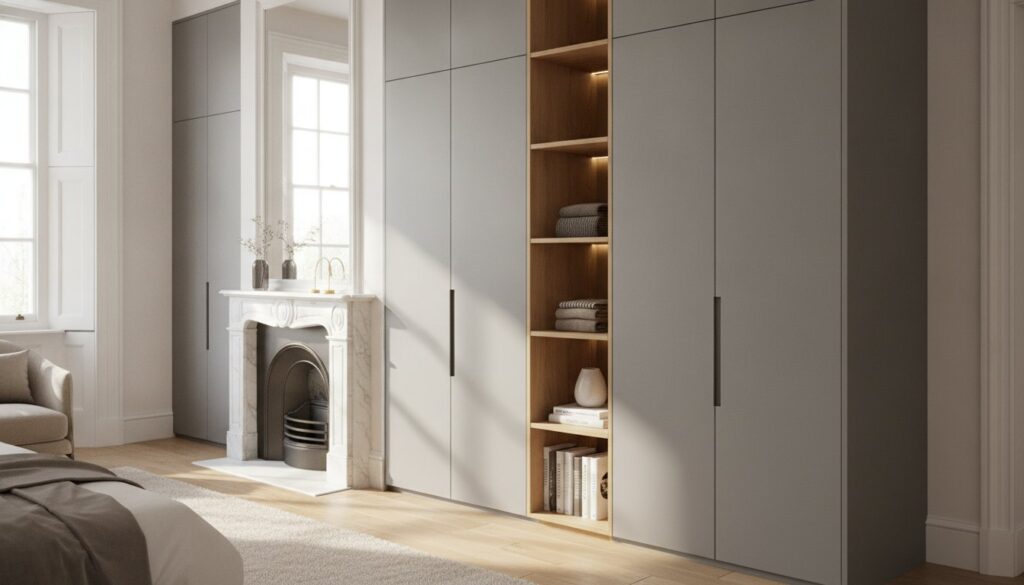
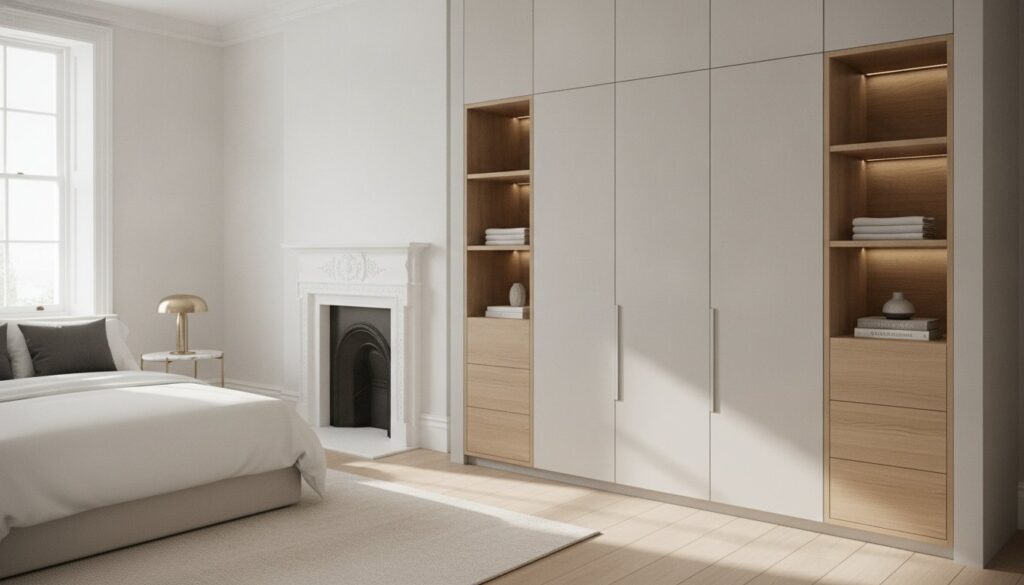
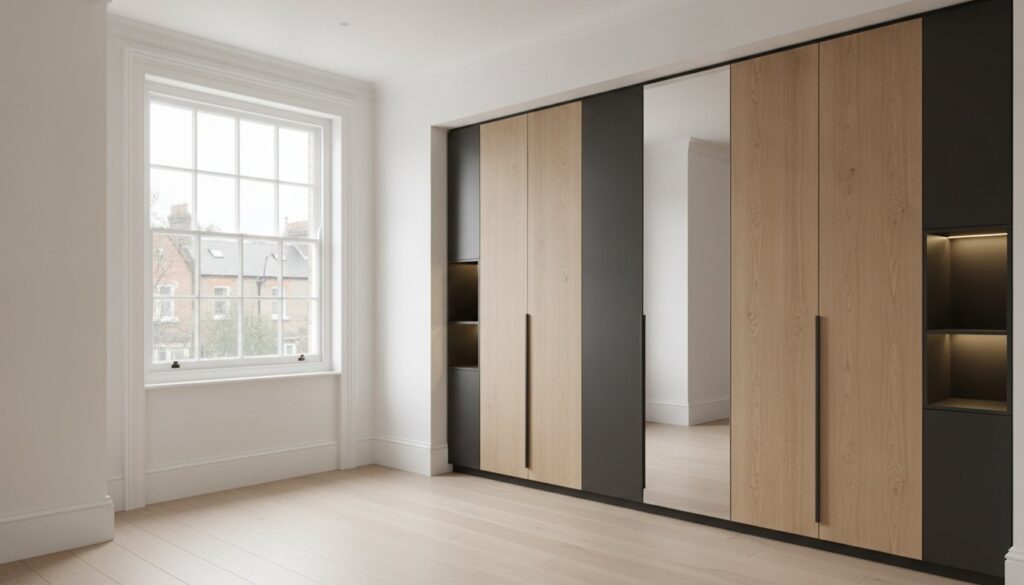
It’s a common myth that solid wood is the “ultimate” material for built-in furniture. In reality, solid timber is prone to warping, shrinking, and expanding as London homes fluctuate in temperature due to modern central heating. This movement can cause doors to bind or gaps to appear. Instead, we recommend wood veneers or the latest 2026 textured wood-effect finishes. These innovations provide the authentic warmth and grain of real oak or walnut whilst maintaining the structural stability of an engineered core. These materials allow you to enjoy a luxury aesthetic without the maintenance headaches of natural timber. If you are curious about how these finishes look in a real home, you can explore our latest bespoke wardrobe design trends for inspiration.
- MFC (18mm): Best for durable, easy-to-clean internals and shelving.
- MR-MDF: Essential for painted doors and units in potentially damp areas.
- Plywood: A high-strength alternative often used for a specific “exposed edge” aesthetic.
- Veneers: The most stable way to achieve a high-end, real-wood appearance.
By selecting a hybrid of these materials, we ensure your wardrobe is both structurally invincible and visually stunning. This considered approach to material selection is what allows us to confidently offer a 10-year guarantee on every installation.
Durability vs. Aesthetics: Comparing Performance and Maintenance
Choosing the best material for fitted wardrobes isn’t just about the initial reveal; it’s about how that furniture behaves five, ten, or even twenty years into the future. Whilst aesthetics draw you in, durability ensures you don’t regret the investment. Modern engineered woods have evolved significantly, offering performance levels that often surpass traditional timber in the controlled environment of a bedroom. The key lies in matching the material’s technical properties to the specific conditions of your room.
Maintenance requirements vary between finishes. MFC internals are favoured for their effortless upkeep; a simple wipe with a damp cloth is all that’s needed to keep them looking pristine. Painted MDF doors, whilst offering a high-end bespoke look, may require a minor touch-up every few years to maintain their lustre. However, the structural integrity remains unmatched. We utilise advanced PUR (Polyurethane) edge-banding technology on all our MFC boards. This creates a “zero-joint” finish that is virtually invisible and, more importantly, waterproof. It prevents the peeling edges often seen in lower-quality furniture, ensuring the core remains protected from moisture ingress.
Sustainability is also a growing priority for London homeowners. Since 2023, there has been an 18% growth in demand for sustainably sourced materials in the UK furniture market. Engineered woods like MDF and MFC are inherently efficient. They often use wood fibres and chips that might otherwise go to waste, making them a responsible choice for the eco-conscious designer who values both provenance and performance.
Resistance to the Elements: Heat and Humidity
London’s architectural diversity presents unique challenges. Victorian properties often suffer from damp external walls, whilst modern apartments feature intense central heating. Solid wood is particularly vulnerable here; it breathes, meaning it expands and contracts, which leads to cracked joints and sticking doors. This is why moisture-resistant (MR) MDF is essential for wardrobes built into alcoves. It provides a stable, inert surface that doesn’t react to the micro-climates of an old building, keeping your bespoke installation perfectly aligned regardless of the weather outside.
The Cost-to-Quality Ratio
When evaluating your project, consider the “investment per year” rather than just the upfront fee. Solid wood carries a premium price tag but often requires more maintenance and is prone to structural movement. High-quality MFC and MDF allow for more intricate internal organisation features, like pull-out shoe racks and soft-close jewellery drawers, without the risk of the carcase warping over time. For a detailed breakdown of how material choice influences your total investment, explore our Fitted Wardrobes Cost London guide. By prioritising engineered stability, you gain a wardrobe that delivers high-end aesthetic appeal and efficient utility for at least a decade.
Matching Material to Style: From Shaker Panelling to Modern High-Gloss
London homes are as varied as the people who inhabit them. From the high ceilings and uneven alcoves of a Victorian terrace in West London to the crisp, right-angled corners of a Greenwich new-build, your choice of board must respect the architectural era. The best material for fitted wardrobes in a period property is often one that can be tailored to disguise structural quirks whilst maintaining a timeless elegance. Conversely, modern apartments demand materials that reflect light and create a sense of space through minimalist profiles.
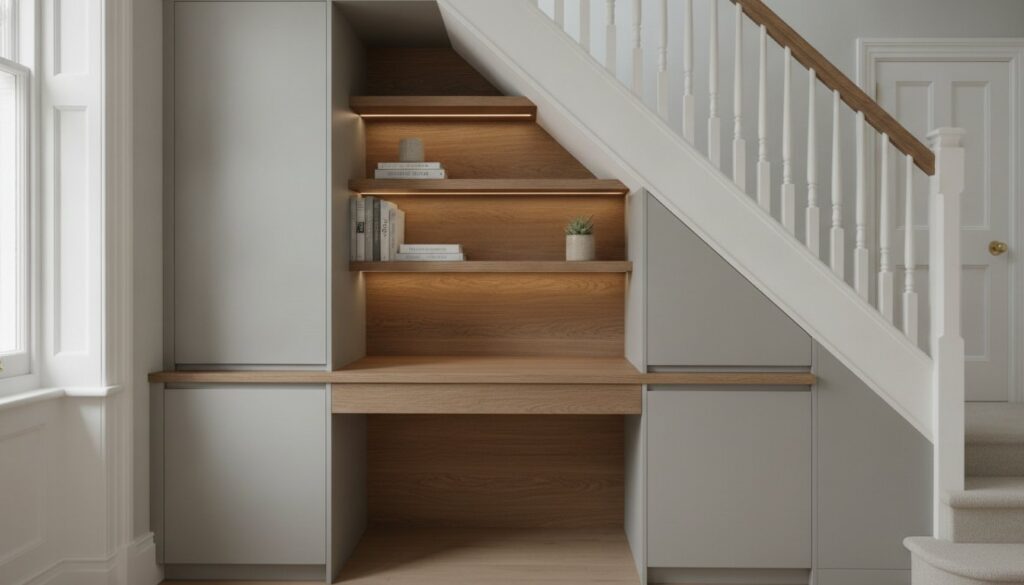
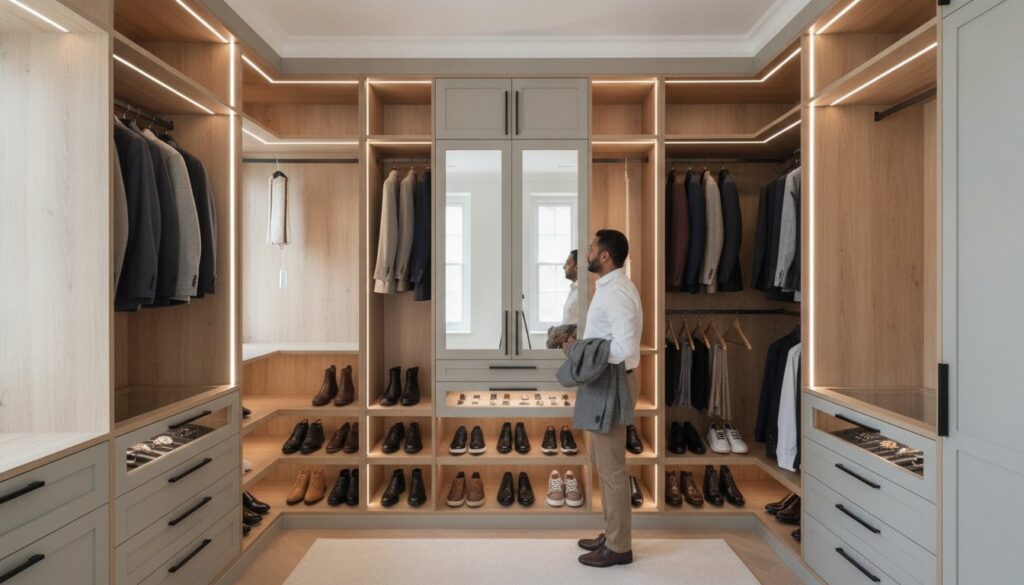
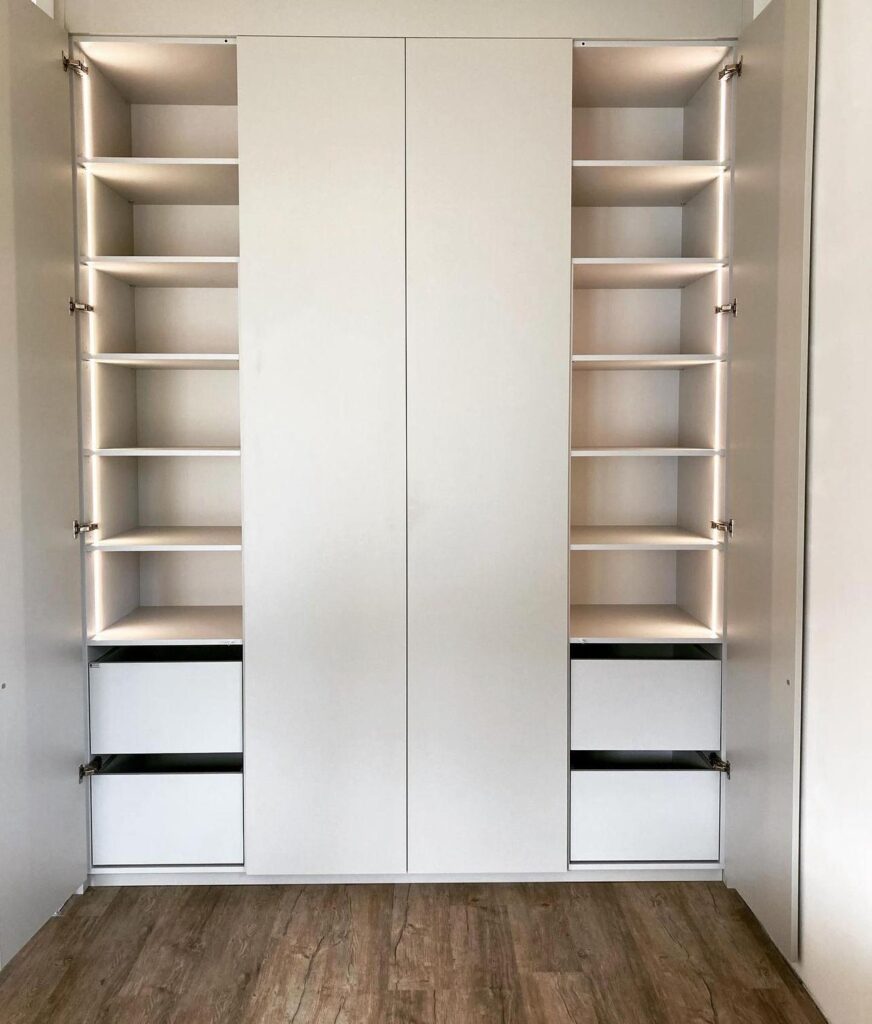
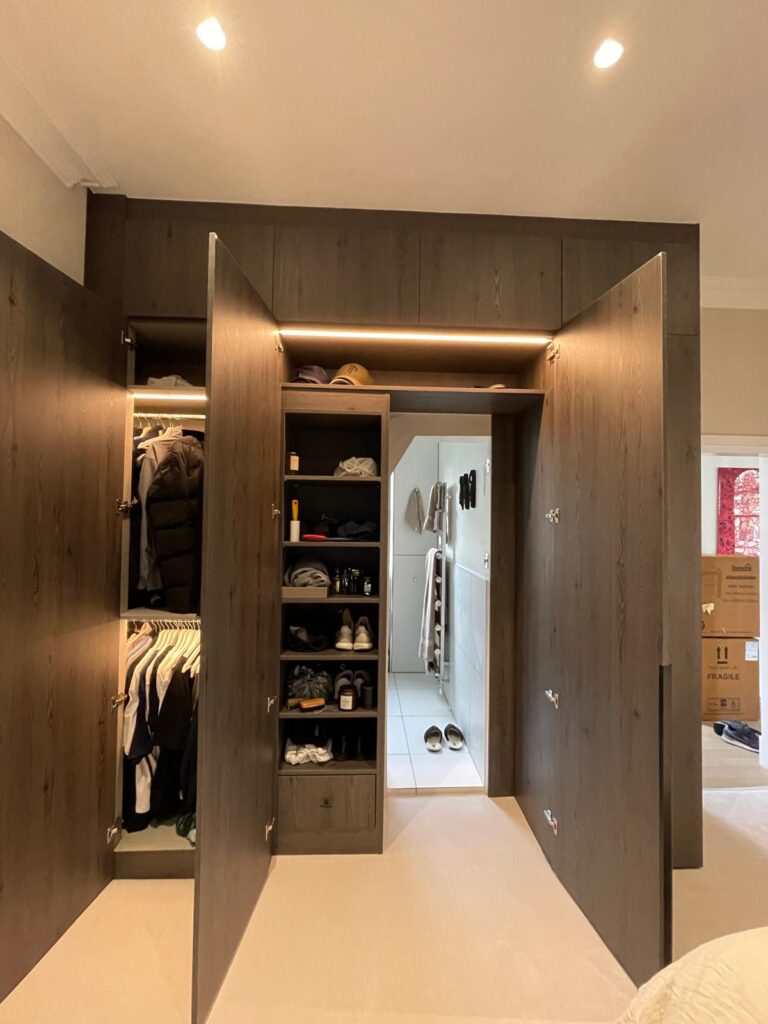
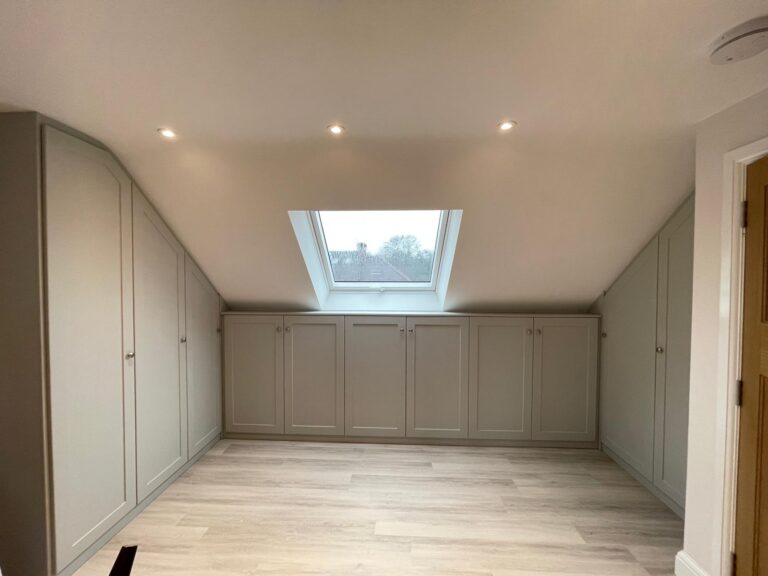
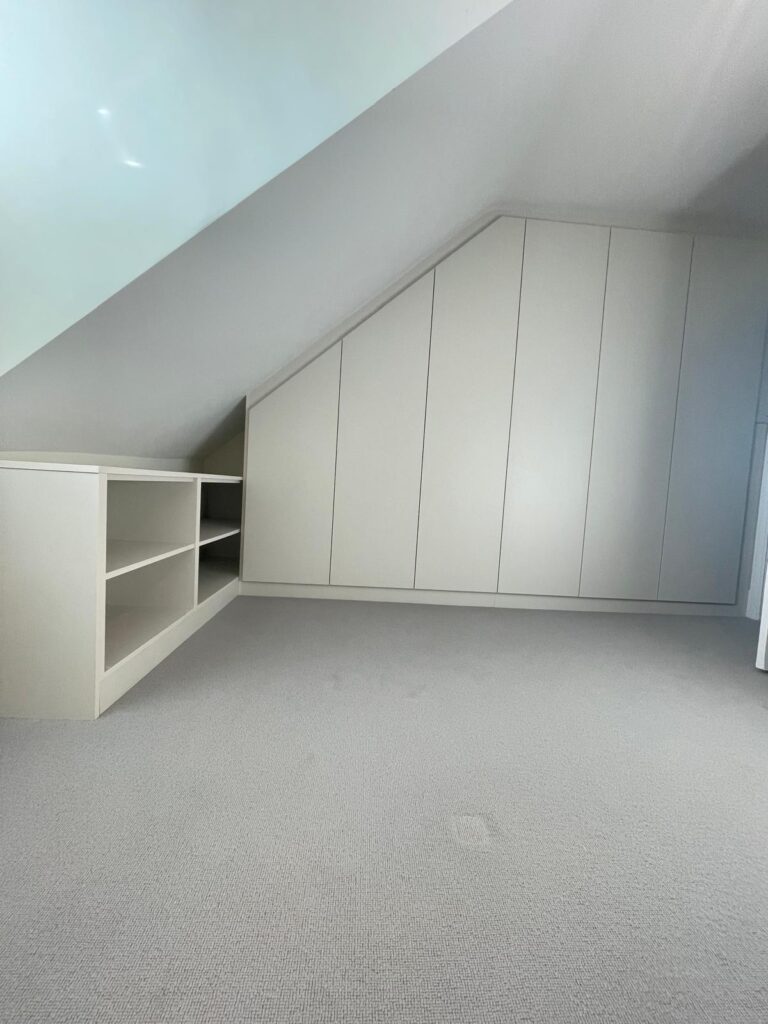
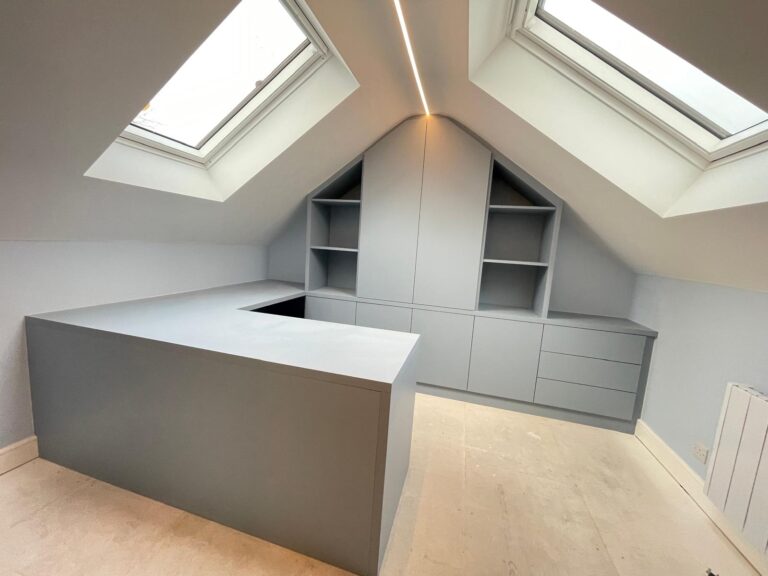
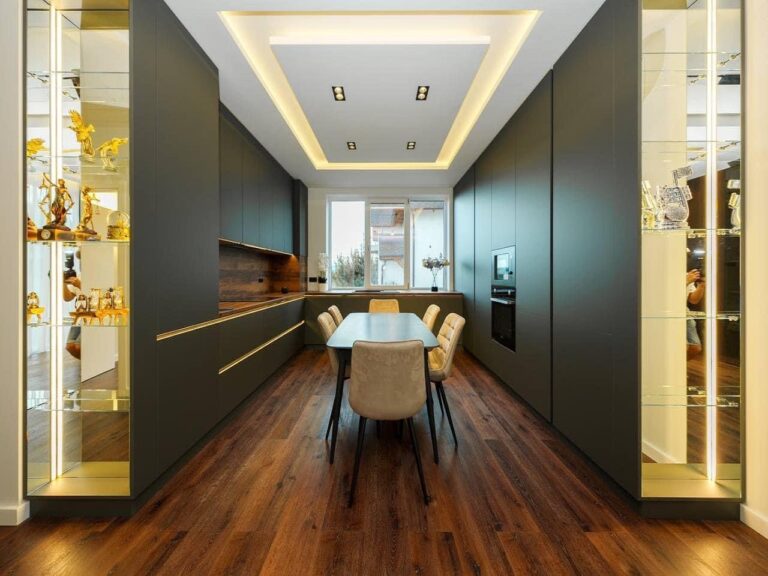
For awkward spaces like loft slopes or understairs storage, stability is paramount. We often use a combination of lightweight engineered cores to ensure that bespoke doors don’t strain the specialised hinges required for angled cuts. If you’re aiming for a “Luxury Hotel” aesthetic, we recommend dark, textured MFC for the interiors. When paired with integrated LED lighting, these wood-effect boards create a sophisticated, boutique atmosphere that feels significantly more expensive than its price point suggests. This approach allows you to achieve a high-end look that is both practical for daily use and visually stunning.
Traditional Shaker and Period Finishes
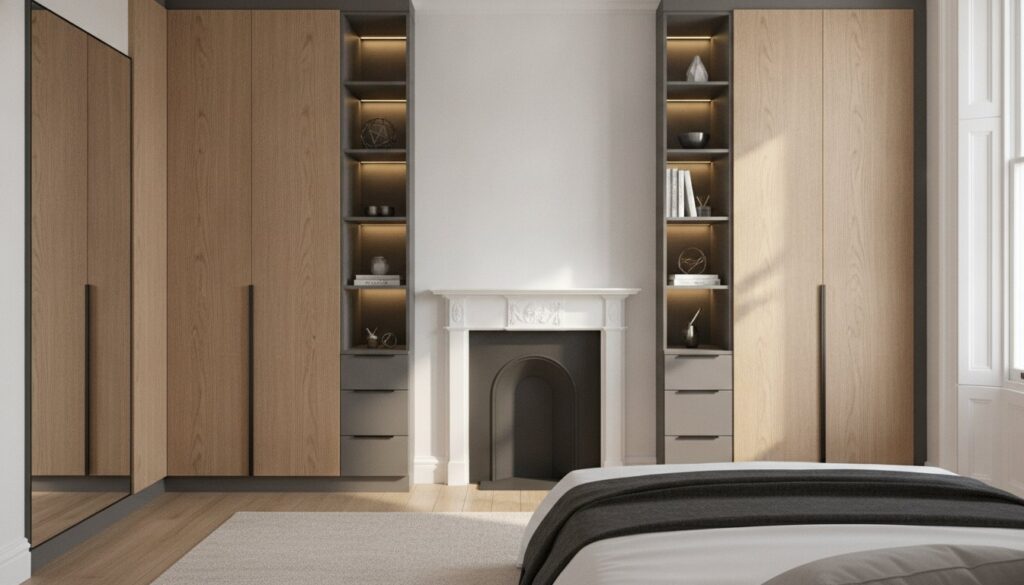
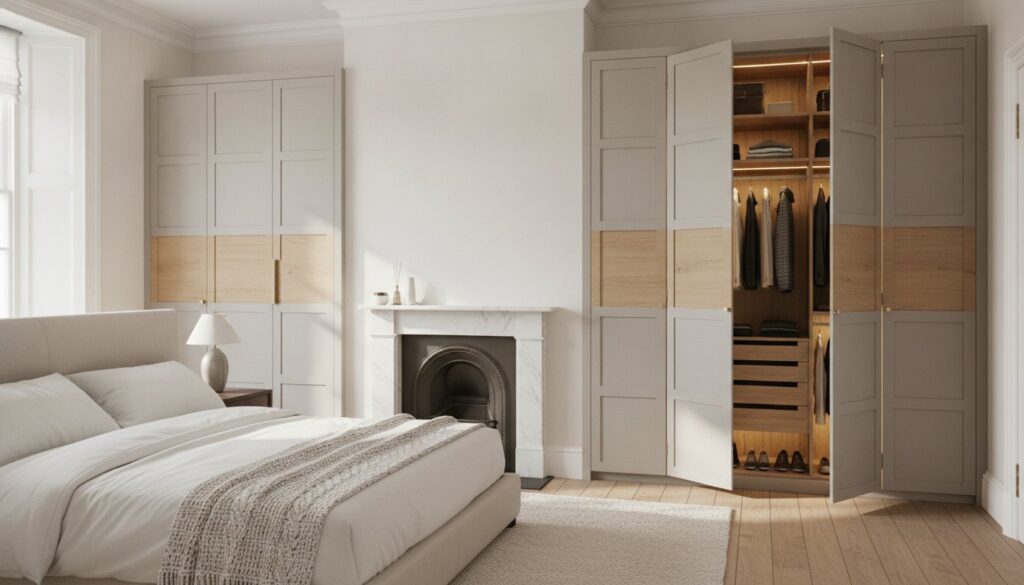
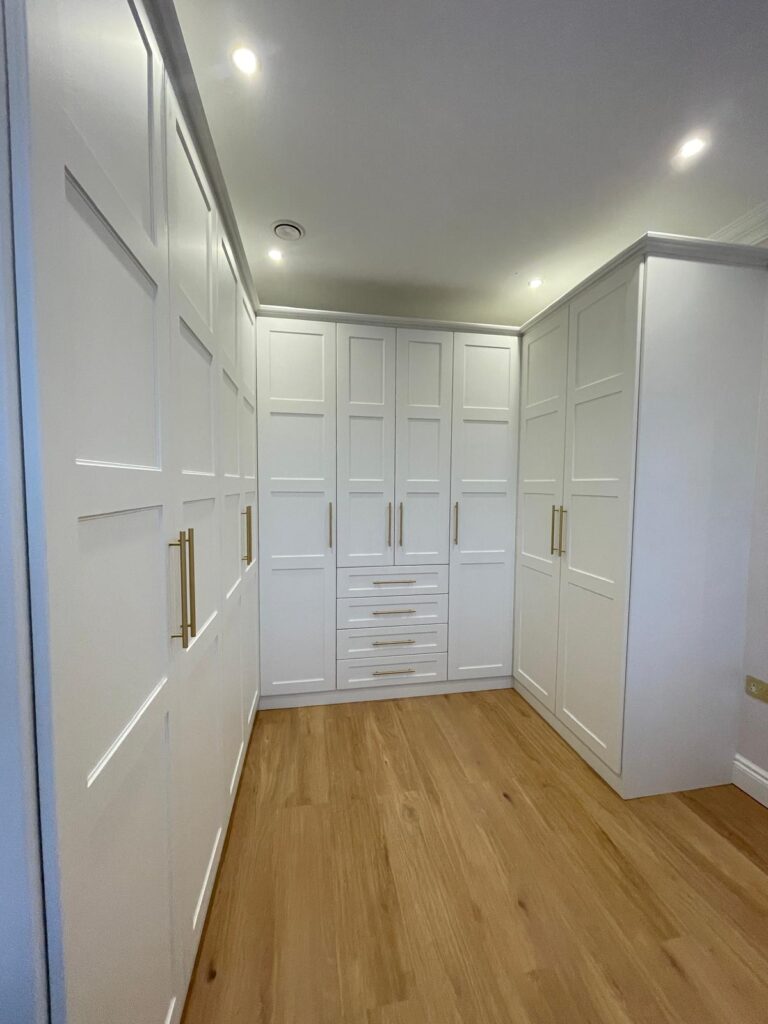
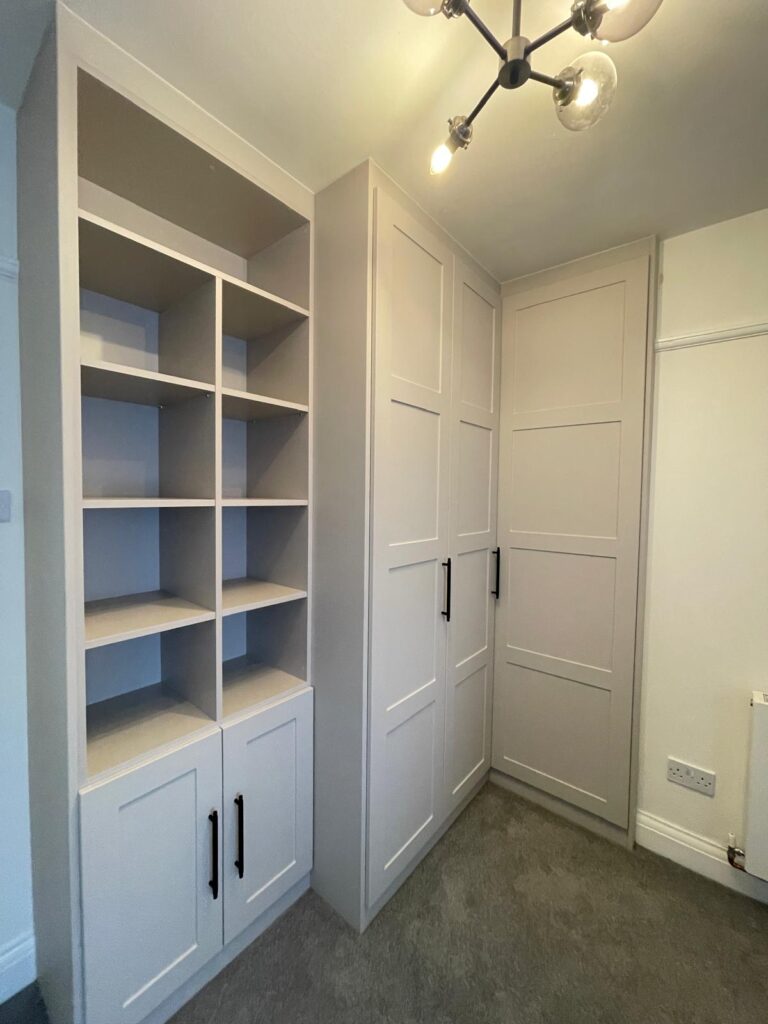
If you live in a period home, you likely want storage that looks like it has always been there. High-density, routed MDF is the only logical choice for authentic-looking Shaker doors. Unlike solid wood, which can split at the joints, a single sheet of MDF can be precision-routed to create the iconic recessed panel. This provides a seamless surface that is perfect for a professional spray-painted finish. Whilst some prefer a hand-painted look for added character, a factory spray finish offers a level of durability and smoothness that is hard to replicate on-site. You can find more Bespoke Fitted Wardrobes London inspiration to see how these finishes complement traditional architecture.
Contemporary Minimalism and Sliding Systems
Modern interiors often favour sliding wardrobes to maximise floor space in smaller bedrooms. In these designs, the best material for fitted wardrobes often includes a mix of glass, mirrors, and high-gloss acrylics. Because sliding doors can be much larger than hinged versions, we use rigid but lightweight materials to ensure the tracking system operates smoothly for years. For homeowners dealing with sloped ceilings or attic conversions, we provide specialised Fitted Wardrobes Loft London solutions that utilise these contemporary materials to turn difficult angles into beautiful, functional features.
Ready to transform your bedroom with a design that fits your home’s unique character? You can explore our latest design portfolio for more tailored inspiration or to see our craftsmanship in action.
The Finest Furniture Studio Standard: Why Our Bespoke Selection Wins
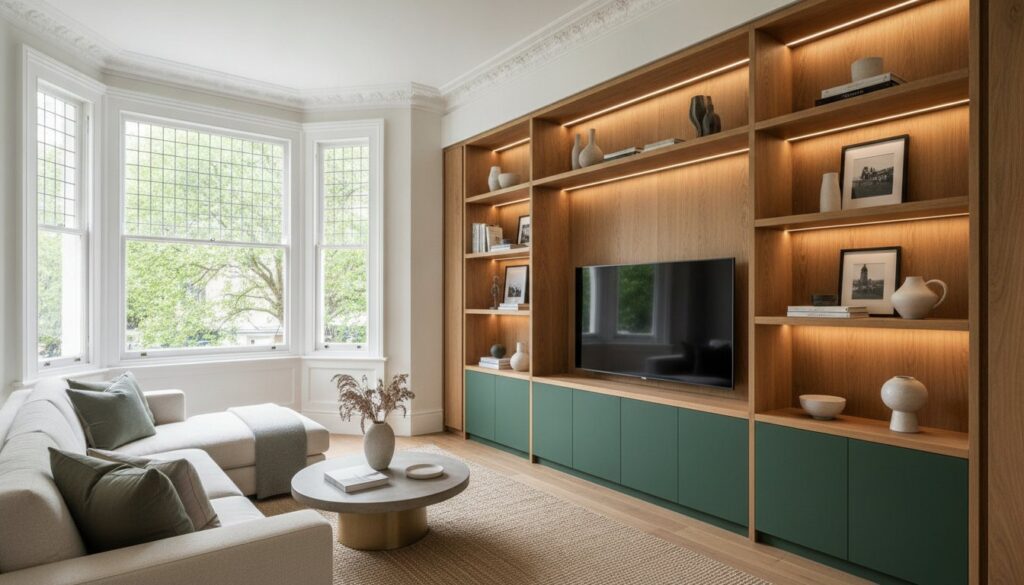
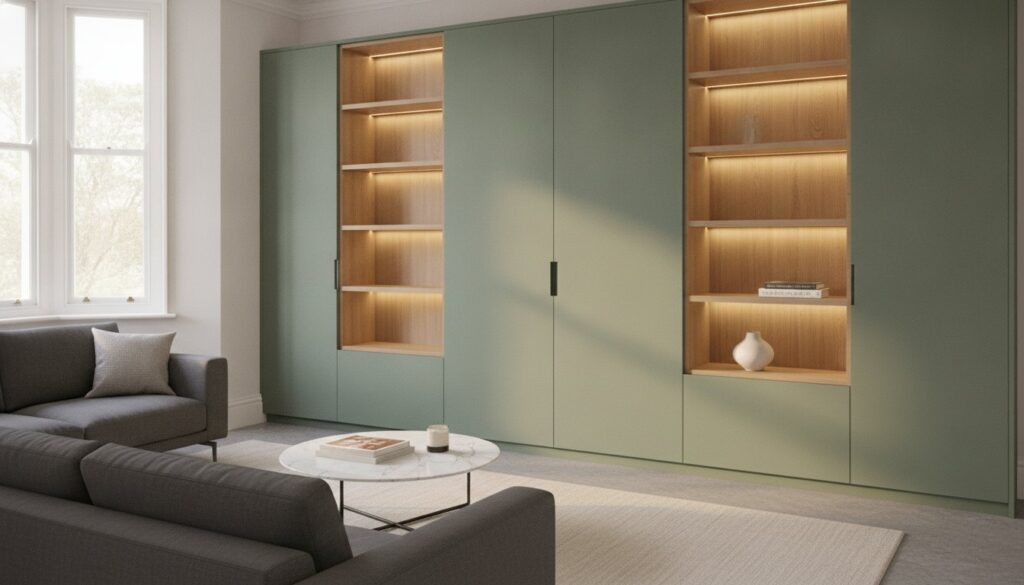
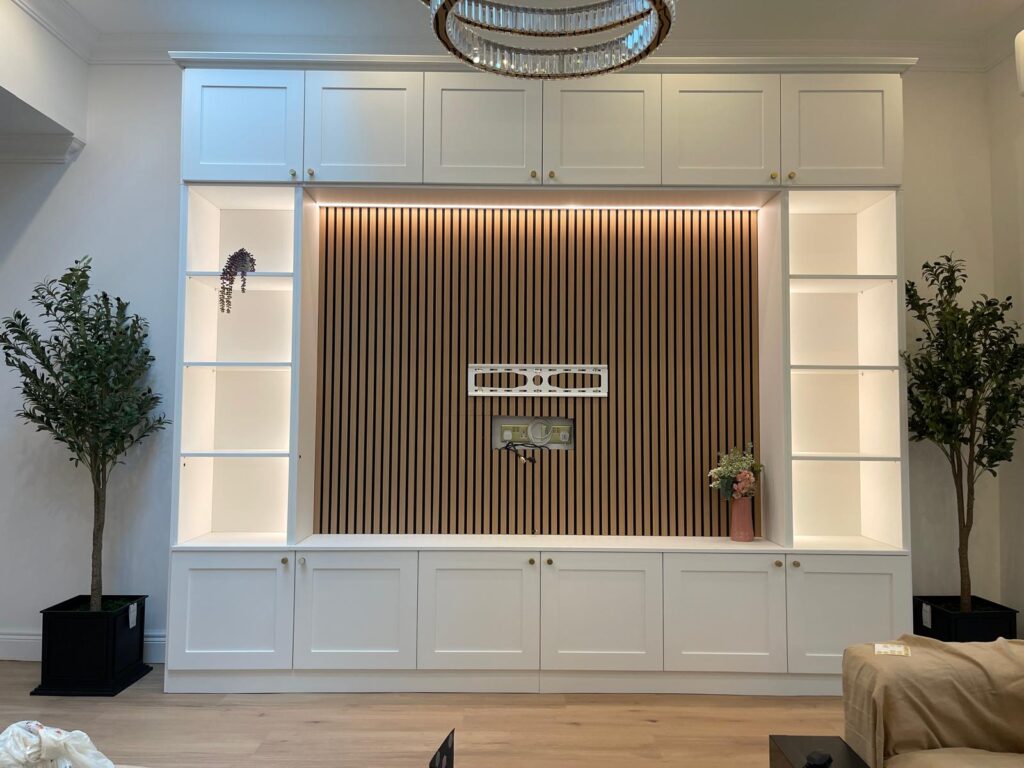
At Finest Furniture Studio, we reject the notion that you must choose between strength and beauty. Our hybrid construction philosophy represents the best material for fitted wardrobes by strategically combining boards to excel in their specific roles. Whether we are crafting bespoke media wall units or a Fitted wardrobe London residents will cherish for years, we use high-density 18mm MFC for the internal carcase whilst reserving moisture-resistant MDF for the doors. This dual-material approach ensures that your cabinetry remains perfectly square and stunningly beautiful for decades. Transparency is a core brand pillar for us, and we provide clear pricing to help you plan your home transformation:
- Hinged door wardrobes: starting from £1,800
- Walk-in wardrobes: starting from £1,600
- Media wall units: starting from £2,000
The Artisan Process in Our Slough Workshop
Every project begins in our specialised Slough workshop, where our expert artisans select premium wood effects and high-grade MDF. We don’t believe in standardized designs; instead, we focus on your personal preferences and layout. Our 3D rendering process is vital, allowing you to choose textures and colours with absolute clarity before any material is cut. This precise methodology ensures our exceptionally fast 7-12 day window from design to completion is met without compromising the quality of our built-in wardrobes. It’s a partnership that prioritises your peace of mind and the pride of ownership in a truly customized product.
Seamless Installation Across London
A great material is only as good as its installation. Our expert fitters are seasoned professionals who understand how to handle material nuances on-site, particularly when dealing with the uneven floors and walls common in London homes. Whether you are in Richmond, Wimbledon, Chelsea, or Ealing, we ensure a millimetre-perfect fit that looks like an original part of your architecture. We pride ourselves on being a reliable Wardrobe installer London homeowners trust for punctuality and precision. We handle the finer details so you can enjoy the emotional relief of a perfectly organised home, all backed by our 10-year guarantee on quality.
Ready to elevate your bedroom with a storage solution that balances high-end aesthetics with efficient utility? Book a Free Design Visit today to explore our range. You can also visit our London office or contact us directly to discuss your project.
Contact Finest Furniture Studio:
London Office: [Insert London Office Address]
Phone: 07468 150807
Invest in a Lifetime of Flawless Storage
Selecting the best material for fitted wardrobes is about more than just immediate visual appeal; it’s a commitment to the long-term structural integrity of your home. By prioritising the engineered stability of high-density boards over the unpredictable movement of solid timber, you ensure your storage remains perfectly aligned for years. Our hybrid construction approach balances the wipe-clean practicality of MFC with the designer finish of MR-MDF, providing a wardrobe that is as resilient as it is beautiful.
At Finest Furniture Studio, we bring this vision to life through our dedicated Slough workshop. We blend artisan craftsmanship with a disciplined 7-12 day design-to-completion window, all backed by a comprehensive 10-year quality guarantee. This ensures you receive a bespoke solution that fits seamlessly into your life and decor without unnecessary delay. We’re here to act as your steady hand, turning complex architectural spaces into organised sanctuaries.
Ready to see how our materials can transform your bedroom? Book a Free Design Visit to explore our premium material range and take the first step toward a home you can truly take pride in. We look forward to helping you create something extraordinary.
Frequently Asked Questions
Is MDF or chipboard better for fitted wardrobes?
MDF is the superior choice for external doors and painted finishes, whilst furniture-grade chipboard (MFC) is the industry standard for internal carcases. High-density MFC provides the scratch resistance and colour consistency needed for shelving and drawers. At Finest Furniture Studio, we utilise a hybrid approach to ensure your storage is both durable and aesthetically flawless.
Why is solid wood rarely used for the carcase of fitted wardrobes?
Solid wood lacks the dimensional stability required for large, floor-to-ceiling built-in structures. In a centrally heated London home, natural timber expands and contracts, which can cause the carcase to pull away from the walls or doors to bind. Engineered boards are specifically designed to remain perfectly square and stable for decades regardless of temperature fluctuations.
Can I paint my fitted wardrobes if they are made of MFC?
You can paint MFC, but it requires specialist primers and significant preparation due to its non-porous melamine surface. If you desire a custom-coloured look, we recommend moisture-resistant MDF as the best material for fitted wardrobes when a painted finish is required. It absorbs paint evenly and provides a much more refined, professional result that won’t peel over time.
What is the best material for wardrobe doors to prevent warping?
Moisture-resistant (MR) MDF is the most effective material for preventing wardrobe door warping. Its dense, uniform structure makes it far less reactive to humidity changes than solid timber. This stability is vital for large-format doors, ensuring they remain perfectly aligned and operate smoothly without catching on the frame or floor for the duration of our 10-year guarantee.
How do I choose between a wood-effect finish and real wood veneer?
Base your choice on the balance between tactile luxury and daily durability. Real wood veneers offer the authentic grain and warmth of timber, whilst modern wood-effect finishes provide exceptional scratch resistance and easier maintenance. If your wardrobe will face heavy daily use in a family home, a high-quality wood-effect board often provides better long-term value.
Are bespoke wardrobe materials more sustainable than flat-pack options?
Bespoke materials are significantly more sustainable because they are engineered for a 20-year lifespan rather than the short lifecycle of disposable furniture. By using high-grade engineered boards and precision hardware, we reduce the environmental impact associated with frequent replacements. Our Slough workshop prioritises materials that offer both structural longevity and responsible production methods.
What material is best for wardrobes in a damp bedroom alcove?
Moisture-resistant MDF is the essential choice for wardrobes situated in damp bedroom alcoves or against cold external walls. The specialised resin core prevents the wood fibres from swelling in humid conditions, protecting the structural integrity of your unit. This material ensures your bespoke installation remains unaffected by the micro-climates often found in older Victorian properties.
Does the thickness of the material really matter?
Thickness is critical for structural integrity, which is why we exclusively use 18mm boards for our carcases and shelving. 15mm boards are prone to sagging under the weight of heavy clothing and don’t offer the same screw-holding capacity for hinges. Our 18mm standard ensures that your wardrobe remains robust and secure, allowing us to deliver transformative results that last.