








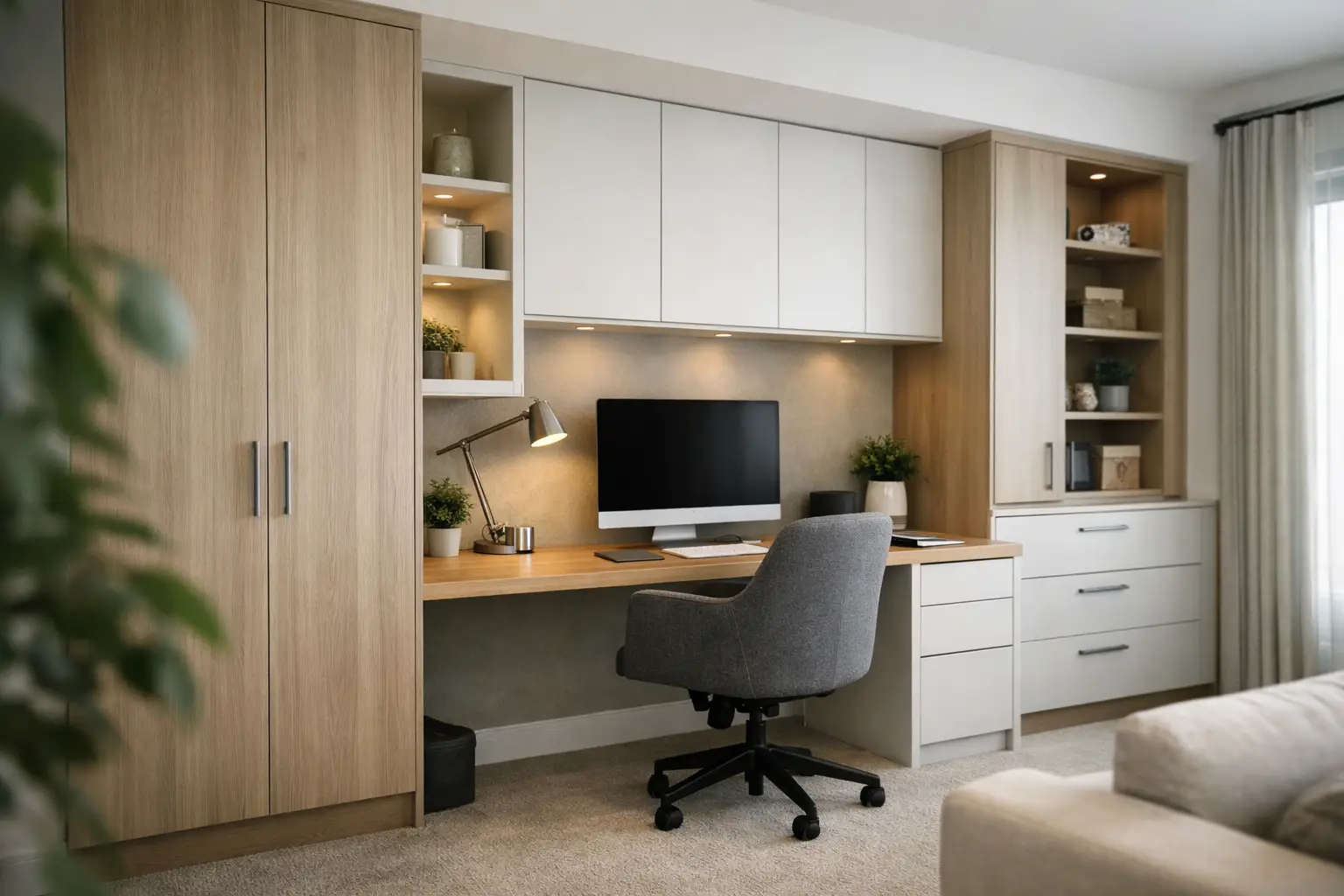
A spare room becomes a home office almost by accident. A desk is squeezed into a corner, cables multiply, paperwork stacks up, and suddenly the space meant to support your working day starts working against it. That is exactly why a home office fitted furniture guide matters. The right fitted design does more than tidy a room – it creates a workspace that feels calm, capable and properly considered.
For many homeowners, the biggest frustration is not a lack of space but badly used space. Freestanding furniture often leaves awkward gaps, wastes height, and rarely looks cohesive. In a home office, that can mean shallow storage where you need depth, bulky cabinets where you need legroom, or shelves that visually clutter the room. Fitted furniture solves those problems by shaping the room around the way you actually work.
Why fitted furniture works so well in a home office
A home office has to do several jobs at once. It needs to support concentration, keep everyday essentials close to hand, and still feel in keeping with the rest of the house. That balance is where bespoke fitted furniture stands out.
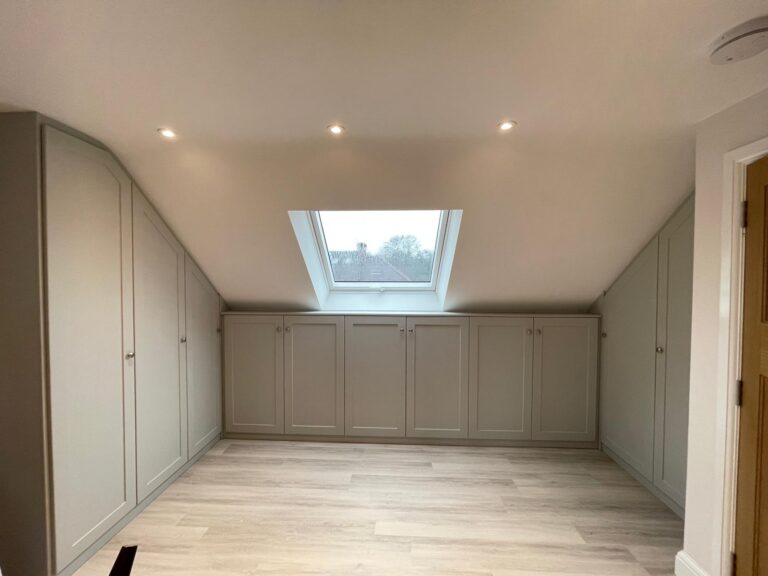
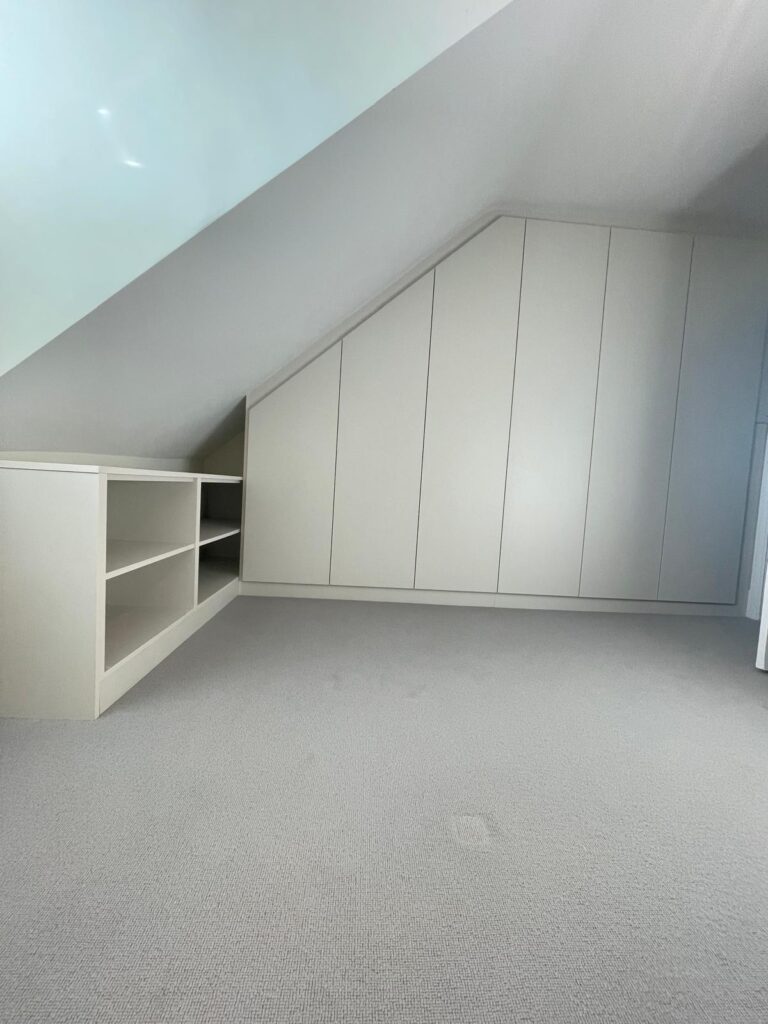
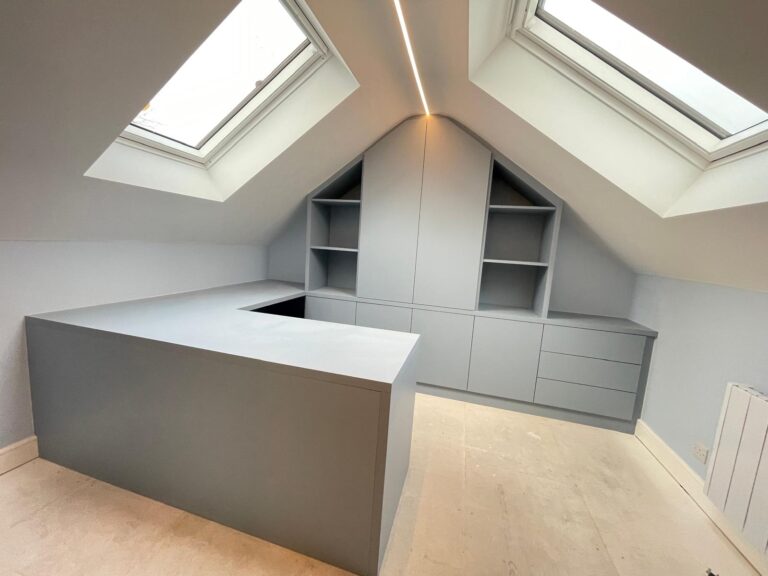
Because every element is made to measure, you can use the full width, height and character of the room. Alcoves can become elegant storage towers, awkward corners can hold a compact desk, and sloping ceilings can be turned into useful cabinetry rather than dead space. The result is not simply more storage. It is a room that feels quieter, neater and more intentional.
There is also a visual benefit that should not be overlooked. A fitted office tends to look more architectural and less temporary. That matters if your office doubles as a guest room, sits off a hallway, or is visible during video calls. Instead of looking like furniture placed into a room, it looks like part of the home itself.
Home office fitted furniture guide: start with how you work
Before choosing finishes or layouts, think about the rhythm of your working week. The most successful fitted home offices are not designed around generic ideas of productivity. They are designed around real habits.
If you work mainly on a laptop and keep paperwork to a minimum, your priority may be a clean desk surface, concealed charging points and a few well-positioned cupboards. If your work involves files, samples, printers or dual screens, you will need more generous dimensions and smarter storage zoning. A family home office may need to switch between focused work, household admin and homework, which calls for flexibility rather than one rigid arrangement.
This is where a design-led approach earns its value. Instead of asking how to fit standard furniture into a room, you ask what the room needs to do and build around that. It sounds simple, but it changes every decision that follows.
The key measurements that shape the design
Desk depth is one of the first details to get right. Too shallow, and the workspace feels compromised. Too deep, and the room can quickly feel cramped. Storage depth matters just as much. Shelving for books is very different from cabinetry designed to conceal office equipment.
Height is often the most underused dimension in home offices. Full-height fitted units can hold archive files, household paperwork and less frequently used items while keeping the daily working zone clear. In smaller London homes especially, vertical storage can make the difference between a room that feels efficient and one that feels crowded.
Lighting should also influence layout from the start. A desk placed to make the most of natural light usually feels better to work at, but glare on screens can be an issue. It depends on the room, the window position and the hours you keep. That is another reason a made-to-measure design tends to outperform off-the-shelf options.
Choosing the right fitted furniture for your room
There is no single best layout for every home office. What works beautifully in a box room may not suit a larger multifunctional space.
A wall-to-wall desk with overhead cabinetry is often the most efficient option for compact rooms. It creates a strong sense of order and makes excellent use of one elevation, leaving the rest of the room more open. In wider rooms, a desk framed by tall storage on either side can feel balanced and architectural, especially if the design echoes other fitted furniture in the home.
If the office also needs to accommodate occasional guests, a more discreet arrangement may be preferable. Fitted cupboards can conceal printers, paperwork and even a pull-out work surface, allowing the room to shift back towards a bedroom or calm secondary living space when needed.
For awkward layouts, bespoke furniture comes into its own. Bay windows, alcoves and sloping ceilings are rarely served well by standard office furniture. A fitted solution can turn these features into assets, adding shelving, drawer units or built-in bench storage without fighting the shape of the room.
Open shelving or closed storage?
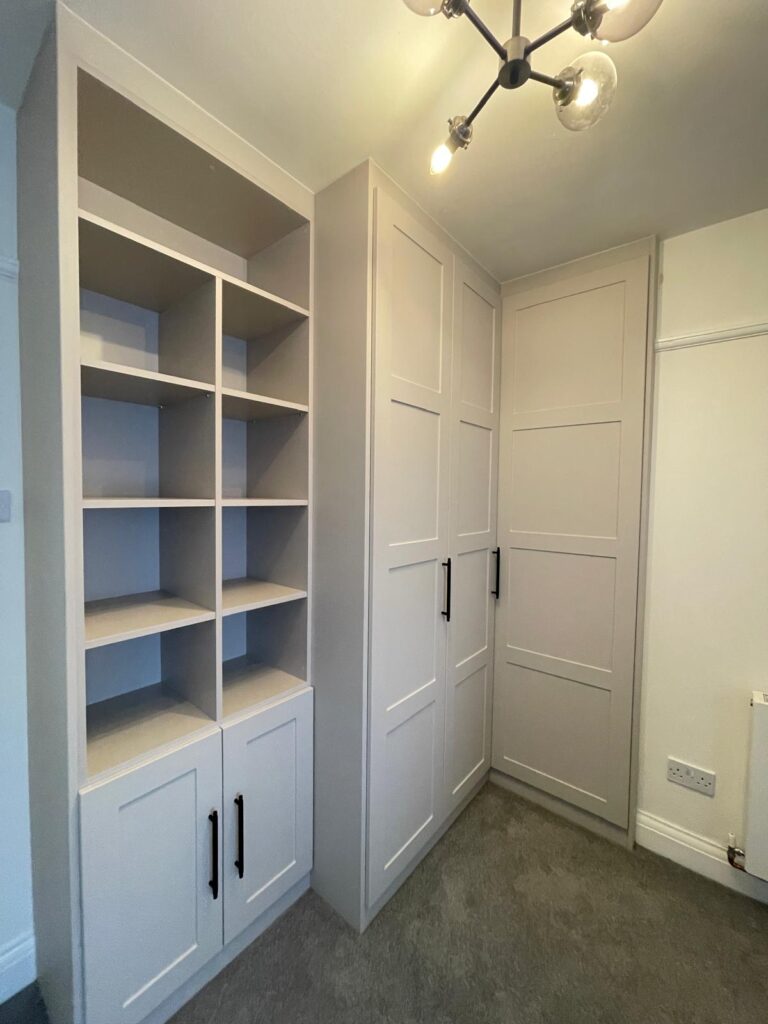
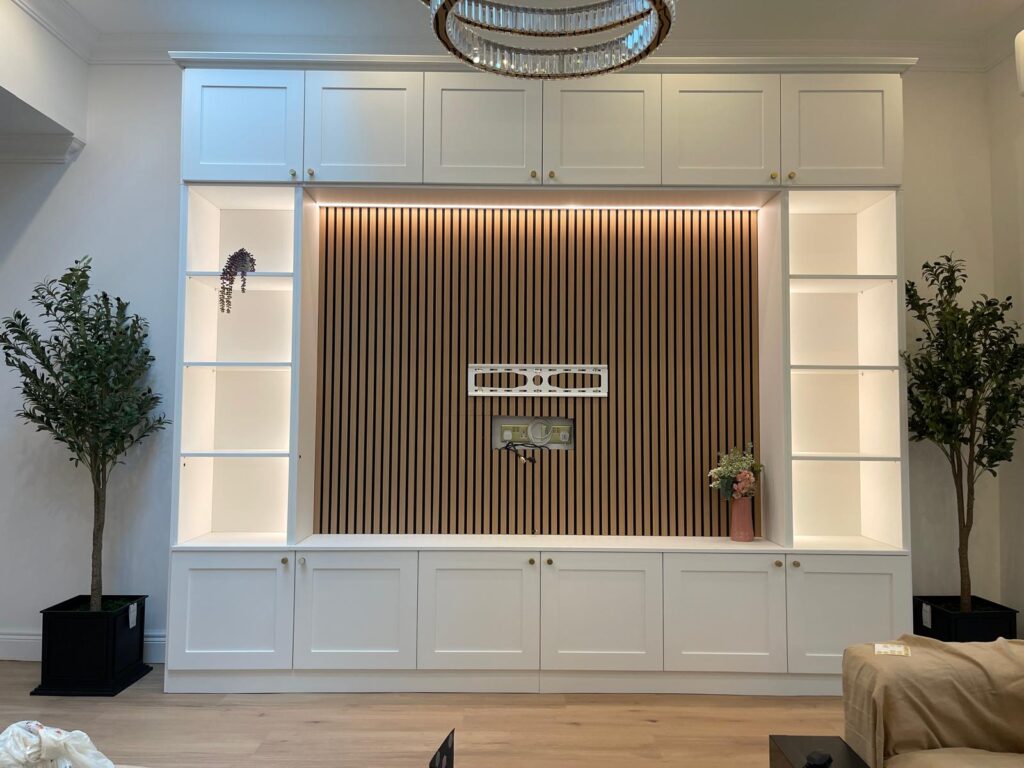
This is often less about style and more about your tolerance for visual noise. Open shelving can make a home office feel lighter and more personal, particularly when styled with books, framed pieces and a small number of decorative objects. It works well for those who naturally keep things tidy.
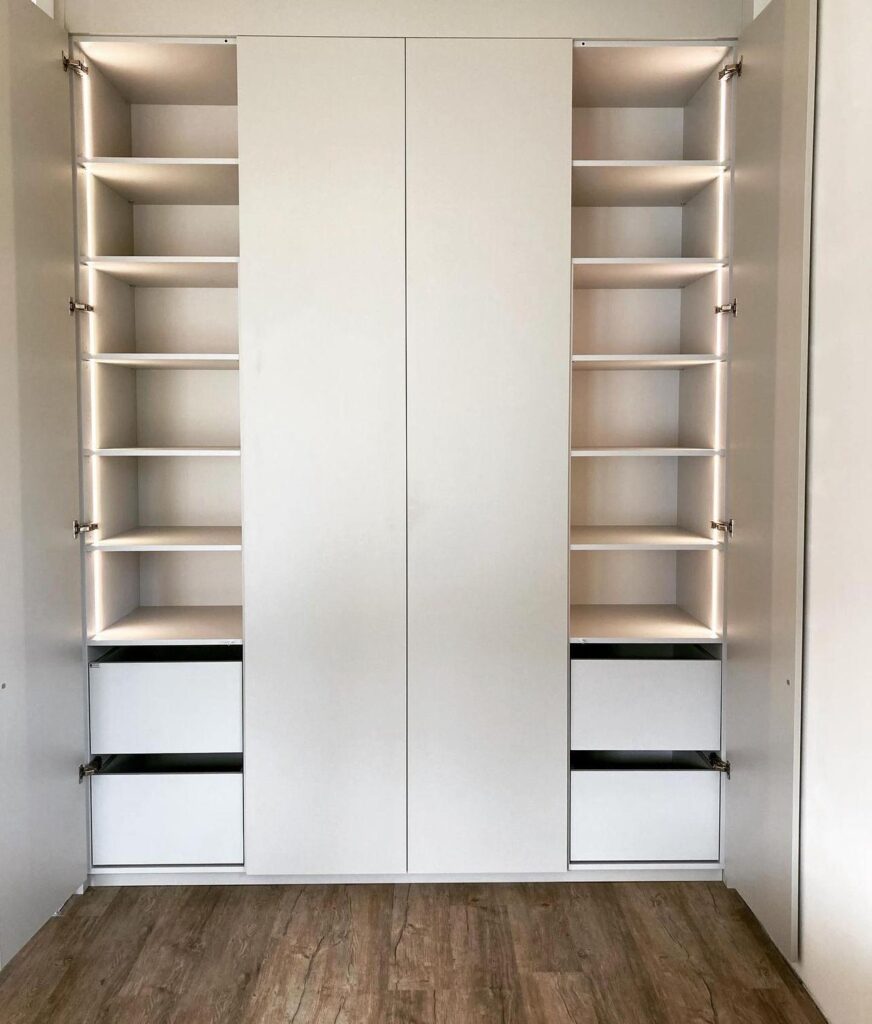
Closed storage is usually the better choice if you want the room to feel calm at the end of the day. Cupboards and drawers hide paperwork, cables and office equipment, which is especially helpful when the workspace sits within a bedroom or shared area. In most cases, the strongest designs combine both – open shelving where display adds character, and concealed storage where clutter tends to gather.
Finishes, colours and details that lift the room
A fitted home office should feel productive, but it should also feel at home in the house. That is why finishes matter so much. They shape not just the look of the room but its atmosphere.
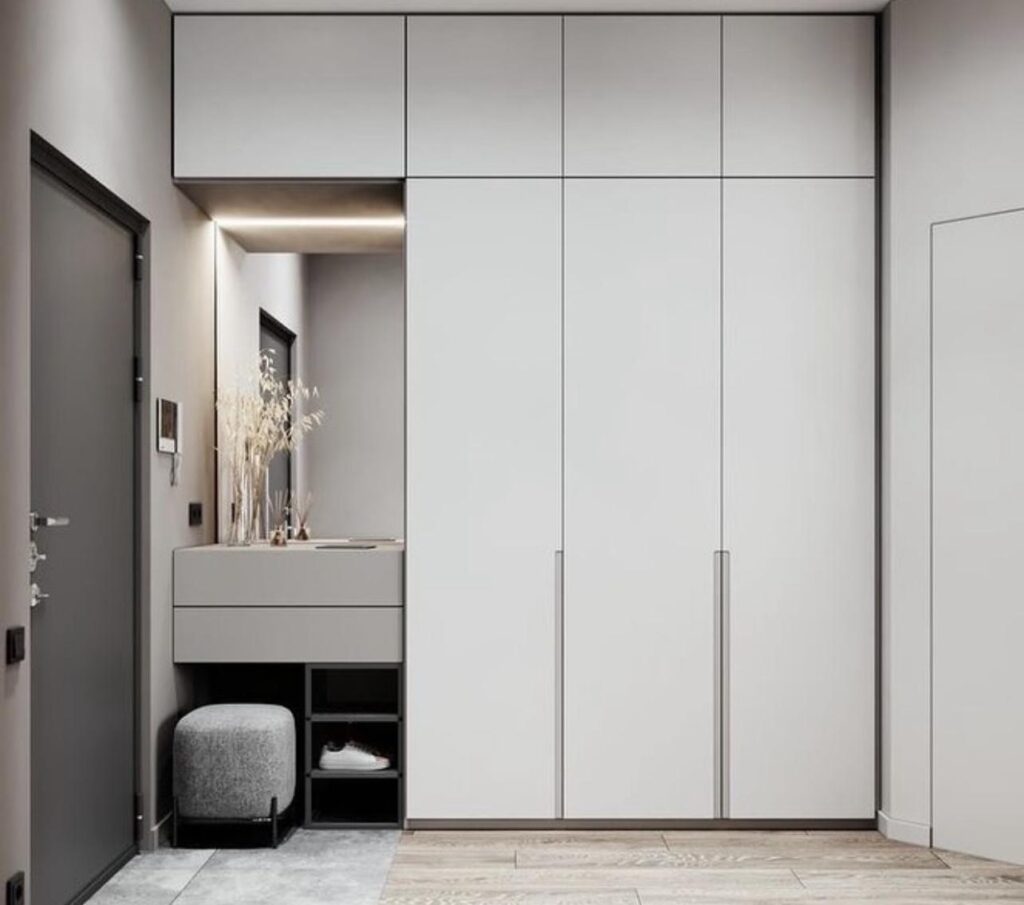
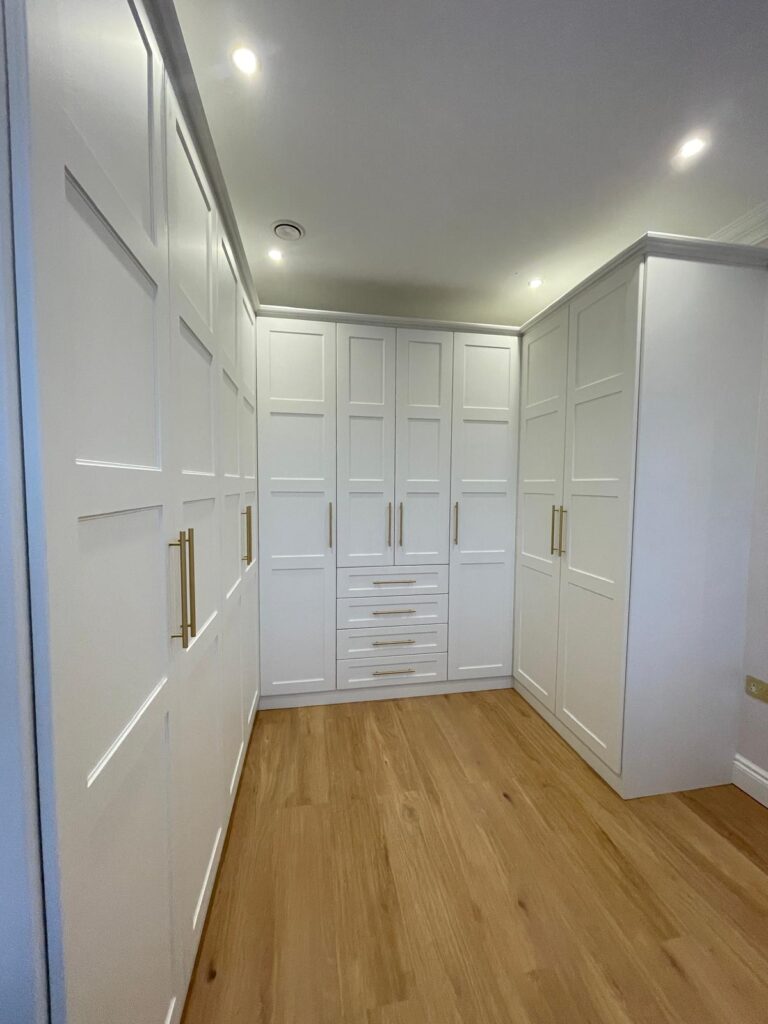
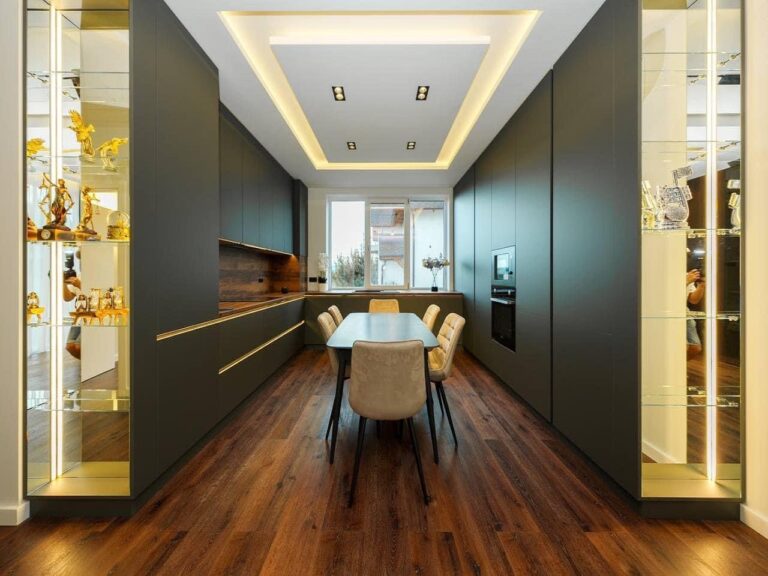
For a softer, timeless feel, painted shaker-style cabinetry works beautifully, especially in period homes or rooms that need to connect visually with existing joinery. For a more contemporary look, smooth matte finishes and wood-effect textures can create a clean, tailored finish without feeling stark. Darker colours add depth and a sense of quiet focus, while lighter shades can help compact rooms feel more open.
Hardware deserves a little attention too. Handles, push-to-open doors and integrated finger pulls all shift the character of the design. The best choice depends on whether you want the office to feel classic, understated or more modern. None is universally right. It is about the overall language of the room.
What to budget for fitted home office furniture
Cost is one of the first questions homeowners ask, and understandably so. Fitted furniture is an investment, but the price depends on size, complexity, materials and internal features.
A simple fitted desk with shelving will sit in a different bracket from a full wall of cabinetry with integrated filing, concealed printer housing and bespoke lighting details. Awkward architecture can also affect cost, although it often delivers the greatest value because it turns difficult areas into practical storage.
The more useful question is not only what it costs, but what it replaces. In many homes, a well-designed fitted office removes the need for multiple separate pieces and makes the room work harder long term. It can also improve how the wider house feels, particularly when paperwork and work equipment no longer spill into bedrooms, dining tables or living areas.
When comparing quotes, look beyond headline numbers. Ask what is included, how tailored the design is, how long fitting is likely to take, and what guarantee comes with the installation. Transparent pricing and a clear process are part of the value.
A practical home office fitted furniture guide for busy households
The best home office designs are realistic about home life. Not every workspace can be a silent, self-contained study. Some need to sit within a guest room, some need to look presentable in the background of meetings, and some need to absorb household admin alongside professional work.
That is why fitted furniture should be planned with daily routines in mind. Drawers for stationery, charging points in the right places, cupboards sized for files rather than guesswork, and surfaces that are easy to keep clear all make a tangible difference. Good design feels effortless afterwards because the hard thinking has already been done.
For homeowners in places such as Richmond, Wimbledon or Putney, where every square foot can carry real value, fitted solutions are often the smarter way to create a polished home office without giving over more room than necessary. A carefully planned scheme can make a modest room feel generous and a multifunctional room feel composed.
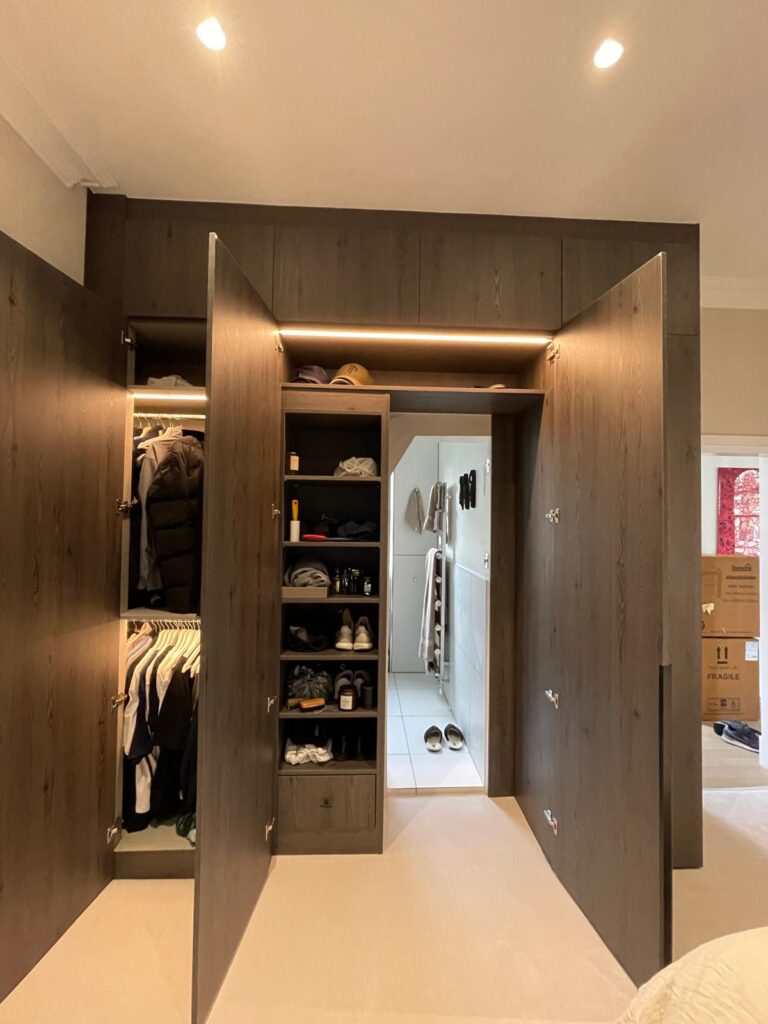
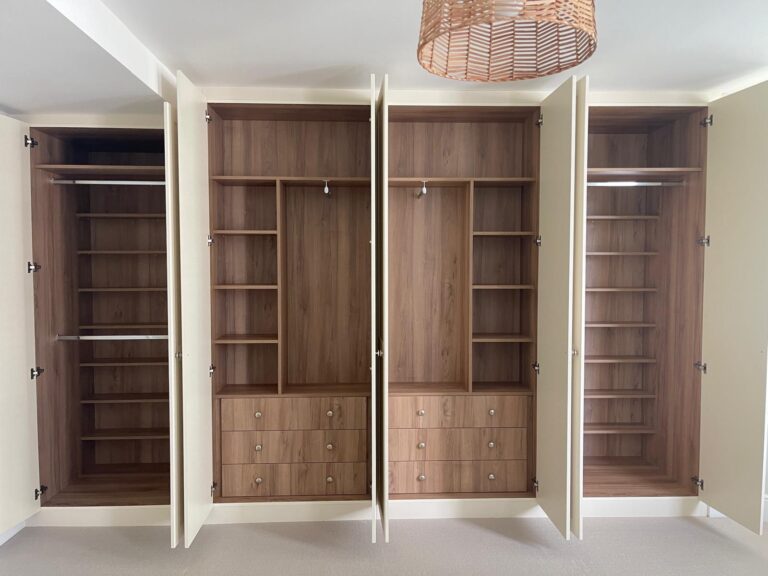
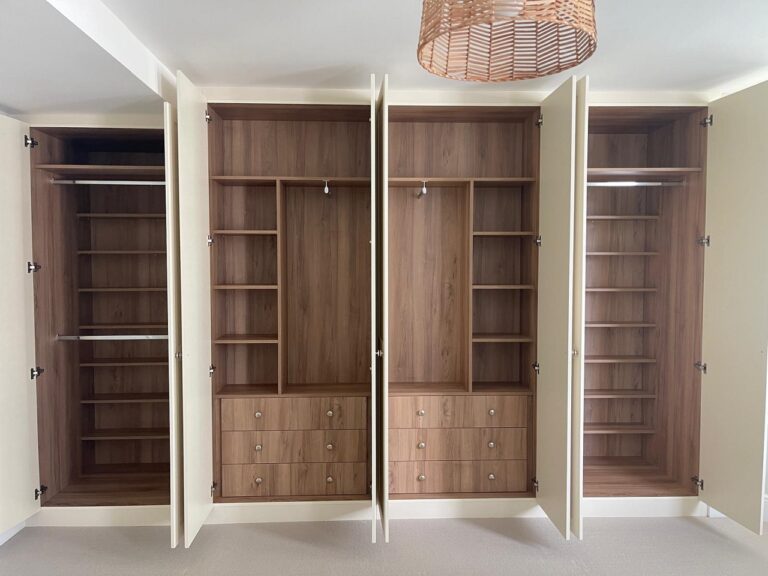
A bespoke approach also gives you more control over the final look. The office can be designed to match fitted wardrobes in a bedroom, alcove cabinetry in a living room, or storage elsewhere in the home, creating a sense of continuity rather than a one-off workspace dropped into place.
At Finest Furniture Studio, that joined-up thinking is a large part of what makes fitted furniture so rewarding. It is not simply about adding cabinets. It is about creating a room that supports the way you live and work, while looking refined enough to belong there for years.
If you are planning a home office, think beyond the desk. The most successful spaces are the ones that solve the room, not just furnish it.