
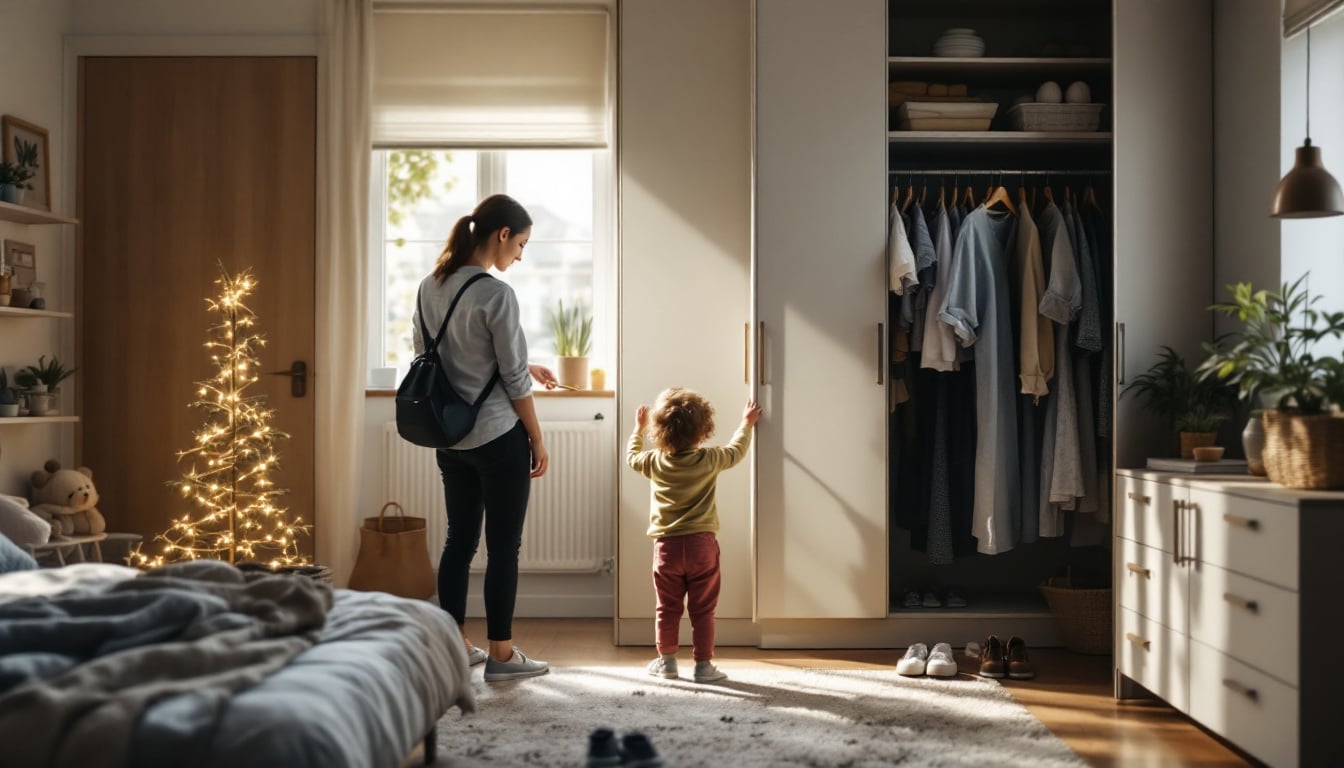
Why Children Wardrobes Need a Different Approach
Children wardrobes are not just smaller versions of adult storage. They need to handle fast-changing clothing sizes, easier reach height, safer finishes, and a layout that can survive daily use without constant reorganising. If you are planning children wardrobes, the real question is not only how they look, but how long they stay useful as the child grows and the room changes around them. A good design balances access, durability, and flexibility, so the furniture still works after a growth spurt or a room refresh.
What Usually Fails First
The most common mistake is overfilling a wardrobe with fixed hanging space and very little adaptable storage. That works for a while, then becomes awkward when clothes get shorter, shoes multiply, and toys start sharing the same space. A better benchmark is to reserve at least one flexible zone for shelves, drawers, or adjustable rails, because children wardrobes need to evolve in small steps rather than be replaced too early.
Start With the Room, Not the Furniture
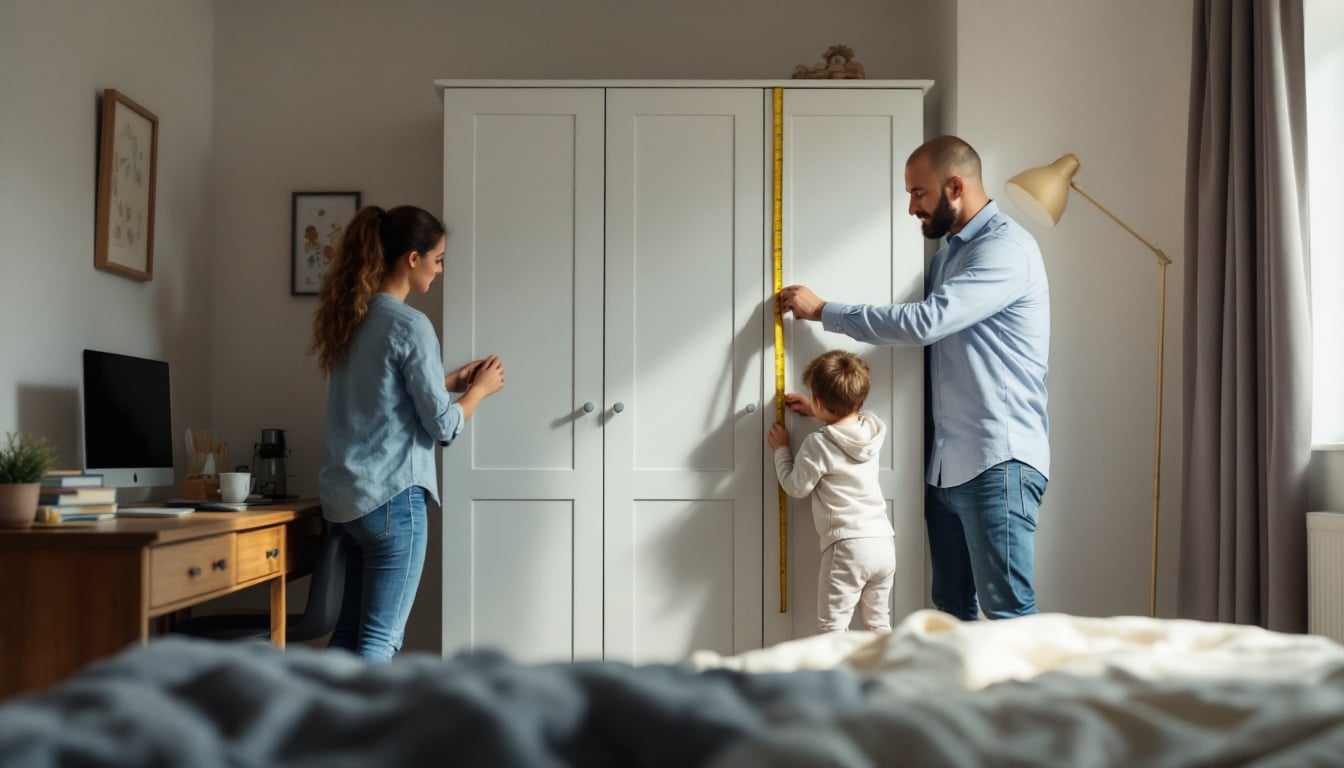
Before you compare styles, measure the room properly. In children wardrobes, wall height, skirting depth, radiator position, door swing, and sloped ceilings can matter more than the door finish. A wardrobe that looks perfect in a showroom may fail in a real bedroom if the opening clashes with a bed, window, or play area. Use a measuring guide and record the usable width, height, and depth, then subtract clearance for handles, doors, and skirting.
The Three Measurements That Matter Most
Focus first on width, then internal depth, then the clear front space needed to open the doors safely. For sliding doors, the room needs less swing clearance, but you still need enough internal depth for hangers and bulky coats. For hinged doors, the practical trade-off is access versus space, which is why smaller bedrooms often benefit from fitted or sliding solutions. A 1 cm measuring error can matter once the wardrobe is installed against uneven walls.
Choose Storage Around Real Life, Not a Catalogue Image
The best children wardrobes are planned around how the room is actually used. If the child dresses independently, lower rails and open shelves matter more than decorative extras. If the room must also store bedding, seasonal clothes, and school kit, then drawers and higher shelves become essential. The layout should reduce friction in the morning, which means the most-used items need to be the easiest to reach.
A Simple Layout Rule That Works
Use a three-zone approach. Put daily clothing at arm height, seasonal or occasional items above that, and bulky storage in the least accessible section. This is a practical decision framework because it prevents the wardrobe from becoming a catch-all. In many children wardrobes, one short hanging rail plus two or three adjustable shelves gives more usable storage than a full-height rail that wastes space underneath.
Safety and Materials Come Before Decoration
Children wardrobes should be judged on safety, finish quality, and hardware before colour or style. Rounded edges, smooth door movement, secure wall fixing, and low-emission finishes all matter because the furniture will be touched, opened, and leaned on constantly. If you are comparing bespoke wardrobe solutions, ask what materials are used, how the wardrobe is fixed, and whether the finish is easy to clean without damaging the surface.
What to Check on a Specification Sheet
Look for sturdy carcass construction, reliable hinges or runners, and a finish that can handle everyday marks. A wardrobe in a child’s room is likely to be hit by toys, brushed by bags, and wiped down often, so a fragile surface is the wrong choice. The trade-off is usually between premium finishes and simpler durable laminates, and for many families the better choice is the one that balances easy maintenance with a long service life.
Built-In, Fitted, or Freestanding
The right format depends on the room and the long-term plan. Freestanding wardrobes are easier to move, but they rarely use awkward spaces well. Built wardrobes and fitted wardrobes use more of the room, especially in alcoves or under sloped ceilings, and they tend to look more integrated. If you are working with a difficult layout, fitted wardrobes usually deliver better storage per square metre, while freestanding units win when flexibility and portability matter more.
When a Built-In Wardrobe Makes Sense
Built wardrobes make sense when you want to maximise storage in a fixed room without leaving dead space at the top or sides. They are especially useful in lofts, converted spaces, and bedrooms with unusual angles. The drawback is less future mobility, so choose this route only if the room is likely to stay as a child’s room for several years. If you need ideas, a built wardrobes layout can be adapted for drawers, hanging space, and toy storage in one footprint.
Design for Growth, Not Just the Current Age
Children wardrobes should work through several stages, from toddler clothes to school uniforms and eventually larger items like jackets and sports kit. That means the internal layout should be adjustable, not locked in. The smartest approach is to plan for at least one height change in hanging rails and one section that can switch from toy storage to clothing storage without a rebuild. This reduces waste and extends the useful life of the wardrobe.
A Growth-Ready Layout in Practice
Start with a lower rail for younger children, then keep enough vertical room to raise it later. Use removable shelves where possible, and avoid overcommitting to narrow compartments that only suit one age group. If the room is small, sliding doors can help preserve play space while still giving access to the full interior. The key trade-off is that flexibility may slightly reduce decorative symmetry, but it usually improves day-to-day use.
Wardrobe Doors Change the Whole Experience
Door choice is not just a style decision. It affects access, clearance, noise, and how easy the wardrobe feels to use every day. Hinged doors are straightforward and give full access to the opening, while sliding doors save floor space and can be better for compact rooms. In children wardrobes, the best door design is the one that fits the room without creating a daily obstacle near a bed or desk.
How to Decide Between Door Types
Use hinged doors when the room has enough front clearance and you want the simplest internal access. Use sliding doors when the room is tight or when the wardrobe sits opposite a bed or walkway. For a premium fitted look, many people explore wardrobe doors design options that can be matched to the room style. The practical rule is to choose the door that causes the fewest collisions with furniture, toys, and feet on the floor.
Storage Details That Make the Biggest Difference
Small interior decisions have an outsized effect on how useful children wardrobes feel. Pull-out drawers are ideal for socks, underwear, and smaller accessories. Open cubbies help children find items quickly, but they also require tidiness. Deep shelves are useful for bedding or seasonal storage, though they can become clutter traps if they are too high or too wide. A good wardrobe usually combines all three, rather than relying on one storage type only.
Add the Right Accessories, Not Too Many
Hooks inside the door, a low rail, soft-close drawers, and a shoe shelf can improve daily use without overcomplicating the design. The mistake is to add too many accessories that look clever but add little real value. In practice, the most useful children wardrobes are the ones that reduce decisions in the morning. If a child can reach the right clothes without help, the layout is doing its job.
What Bespoke Design Solves Better Than Off-the-Shelf Units
Bespoke design is worth considering when the room has awkward dimensions, a sloped ceiling, or storage needs that standard furniture cannot solve cleanly. It also helps if you want the wardrobe to match other fitted furniture in the room. One benefit of bespoke fitted wardrobes is that the internal layout can be tuned to the exact height of the child and the exact constraints of the room, which avoids wasted space and awkward gaps.
When Bespoke Is Worth the Extra Planning
Choose bespoke when you need precise fitting, integrated finishes, or storage that changes with age. The trade-off is more upfront planning, so the measurements must be right and the brief needs to be clear. If you are comparing providers, ask how they handle measurement, design changes, and fitting timelines. A clearer brief at the start usually prevents expensive revisions later, especially in children wardrobes where small errors are easy to notice.
Installation and Aftercare Matter More Than Most Buyers Expect
A well-designed wardrobe can still fail if fitting is poor. Look for accurate wall fixing, neat edging, aligned doors, and smooth drawer movement. Aftercare matters too, because children’s rooms are more likely to need quick adjustments over time. If a supplier mentions a 10-year warranty or a fast fitting window, use that as a conversation starter, not the only decision factor. Ask what the warranty covers and how service issues are handled after installation.
A Practical Fitting Checklist
Before sign-off, check that doors open fully, drawers do not snag, handles are safe to use, and shelves are fixed at the agreed heights. It also helps to confirm that the wardrobe does not block skirting, sockets, or heating points. A realistic fitting timeline for fitted furniture is often measured in days rather than weeks, but the exact lead time depends on design complexity and room conditions. The key is to verify the final fit against the plan on site.
How to Compare Suppliers Without Guesswork
When you compare providers, ask the same questions every time so the answers are useful. Compare materials, measurement process, fitting method, warranty length, and whether the design is truly custom or only customised from standard parts. For families looking at custom wardrobes London or wider UK options, consistency matters more than a glossy presentation. A clear comparison table in your notes can save time and expose weak specifications quickly.
Decision Criteria That Cut Through the Noise
Use five decision points: room fit, safety, flexibility, maintenance, and installation confidence. If a wardrobe fails two or more of those, keep looking. That rule is simple, but it stops you overvaluing finishes that look good in a photo and underweighting practical use. In most children wardrobes, the best option is not the most elaborate one, it is the one that still makes sense after the room changes and the child grows.
Quick Takeaways
Children wardrobes work best when they are planned around real room constraints, not just appearance. Flexible storage is more valuable than fixed hanging space alone. Safety, hardware quality, and easy-clean finishes should be checked before style. Built-in and fitted wardrobes usually make the most of difficult spaces, while freestanding units suit changing layouts. Door type, internal zoning, and adjustable rails have a bigger daily impact than decorative features. A clear measurement process and a simple comparison framework will save time and reduce costly mistakes.
How Finest Furniture Studio Fits Into the Search
If you are looking for a more tailored solution, a specialist such as Finest Furniture Studio can be relevant when the room needs precise fitting or a fully custom layout. Their focus on bespoke wardrobe solutions and fitted furniture is useful when off-the-shelf sizes leave gaps or waste space. For a practical next step, use the website’s measuring guide, compare door styles, and ask how the design will adapt as the room changes. That gives you a clearer basis for deciding whether a bespoke route is worth it.
Make the Final Choice With the Room in Front of You
The best children wardrobes are the ones that solve today’s storage problem without creating tomorrow’s. If you keep the decision tied to the room, the child’s routine, and the wardrobe’s long-term flexibility, you avoid the usual trap of choosing by appearance alone. Start with measurements, decide on the storage zones, then compare materials, door style, and fitting confidence. If you want a cleaner, more future-proof result, shortlist two or three options and test them against the same five criteria before you commit.
Frequently Asked Questions
What are children wardrobes designed to do?
Children wardrobes are designed to store clothes, shoes, and accessories in a way that children can actually use. The best children wardrobes balance safe access, flexible storage, and room fit so they still work as the child grows.
How do I choose the right size for children wardrobes?
Start by measuring the usable wall width, height, and depth, then allow space for doors, skirting, and clearance. A measuring guide is helpful because even a small error can affect fitted wardrobes and built wardrobes in tight rooms.
Are bespoke children wardrobes worth it?
Bespoke children wardrobes are worth considering if the room has sloped ceilings, awkward corners, or storage needs that standard units cannot solve. They are especially useful when you want custom wardrobe design with adjustable rails and fitted furniture that uses every centimetre well.
What is better for small rooms, sliding or hinged children wardrobes?
Sliding doors are often better in small rooms because they do not need front clearance to open. Hinged doors can be simpler for full access, so the better choice depends on bed placement, walkways, and how much floor space you can spare.
How do I make children wardrobes last longer?
Choose adjustable shelves, movable hanging rails, and a layout that can change as clothing sizes change. Durable finishes and quality hardware also help, especially if the wardrobe will be used daily and cleaned often.
What should I ask before ordering fitted children wardrobes?
Ask about materials, measurement accuracy, fitting process, warranty, and lead time. If you are comparing fitted wardrobes manufacturer options, it also helps to ask whether the design can be adapted later without replacing the whole unit.
Can children wardrobes include other storage types too?
Yes, they can include drawers, toy storage, alcove cupboards, or even a small media section if the room needs it. The most practical children wardrobes are usually part wardrobe, part flexible storage, rather than a single-purpose unit.