


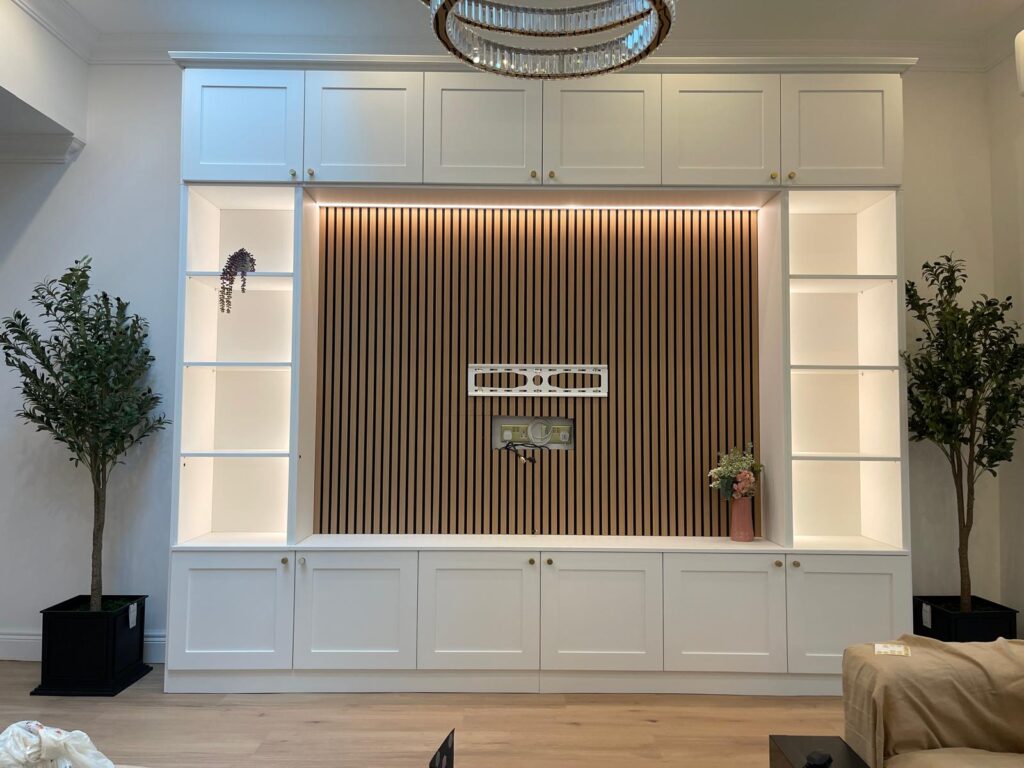

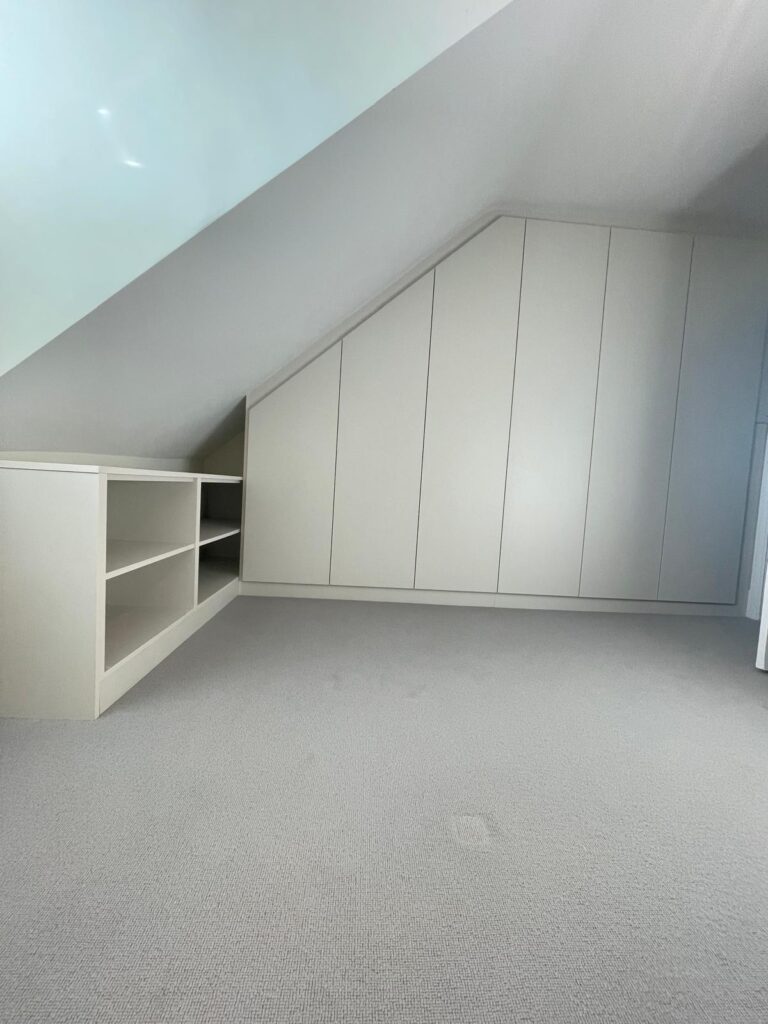

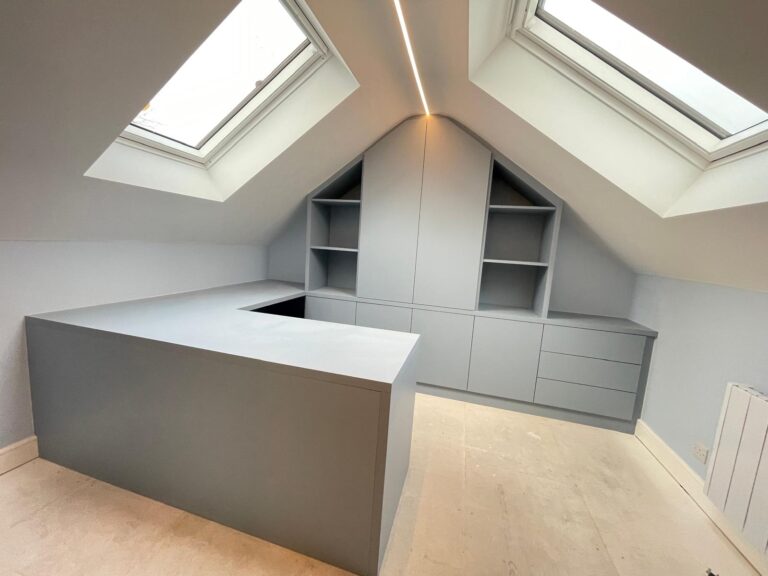
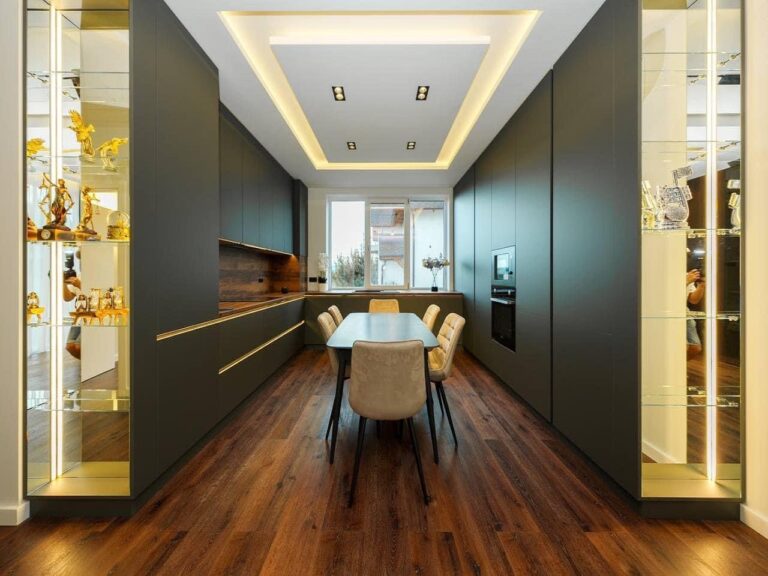

What if the mirror-like finish of your high gloss fitted wardrobes didn’t have to be a constant magnet for fingerprints and frustration? You likely chose this sleek, contemporary aesthetic to brighten your home, yet it’s easy to feel overwhelmed by how quickly urban dust and smudges can dull that reflective surface. We know the pride you take in your bespoke storage, and we understand the fear of using the wrong product on such a premium, lacquered investment.
This guide provides the expert-approved methods you need to clean and protect your wardrobes and media units without the risk of scratches or unsightly streaks. We will walk you through the precise fibre technologies and pH-neutral solutions that our London artisans use to maintain a showroom-quality shine. You’ll gain the knowledge to care for your furniture with confidence, ensuring your high-end cabinetry remains a flawless centrepiece of your home for its entire ten-year guarantee and beyond.
Key Takeaways
- Learn why high-GSM microfibre cloths are essential for maintaining your wardrobes and why you should avoid paper towels to prevent microscopic surface damage.
- Master the professional two-step cleaning technique that begins with dry dusting to protect your furniture’s delicate joints and alcove edges.
- Discover expert secrets for keeping high gloss fitted wardrobes free from fingerprints and urban dust using the simple “breath test” for isolated smudges.
- Understand how professional installation and precise door alignment play a critical role in reducing edge wear and preserving the premium lacquered finish.
- Gain the confidence to maintain your bespoke investment using safe, pH-neutral methods that uphold your 10-year quality guarantee.
Understanding High Gloss Finishes: Why Your Bespoke Wardrobes Require Special Care
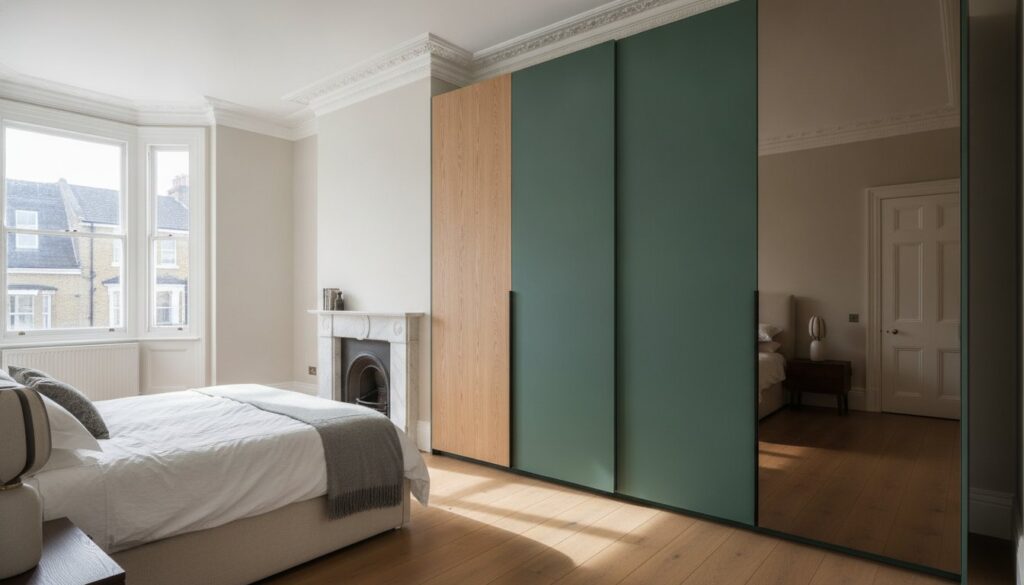
High gloss fitted wardrobes are more than simple storage solutions; they are precision-engineered design features that transform the atmosphere of a room. This finish is achieved through meticulous Wood finishing techniques, typically involving multiple layers of premium lacquer or high-grade acrylic. Unlike the thin melamine veneers found in mass-market flat-pack furniture, a bespoke artisan finish has a depth and clarity that mimics polished glass. This mirror effect is particularly effective in compact London bedrooms, as it bounces natural light into darker corners to create an illusion of increased space and architectural height.
The very properties that make high gloss so attractive also make it vulnerable. The surface is incredibly smooth, which means even microscopic abrasive particles can leave “swirl marks” or micro-scratches if handled incorrectly. These tiny imperfections dull the lustre over time, robbing the furniture of its showroom-quality glow. Protecting your investment requires a shift in mindset; you aren’t just “wiping down” a cupboard, you’re preserving a high-performance top coat that has been designed to last for decades.
Lacquer vs. Acrylic: Knowing Your Surface
Spray-painted lacquer is the hallmark of bespoke craftsmanship. It allows for a completely seamless edge, which is essential for hinged wardrobes where the door profile must look uniform from every angle. Acrylic, whilst often used in sliding door systems, offers exceptional colour consistency and a slightly higher resistance to chemical staining. You can usually identify which finish you have by inspecting the edges. If the colour continues seamlessly around the corner of the door, it’s likely a spray-finished lacquer. Acrylic panels typically feature a subtle edge-band where the face of the door meets the side. Both require gentle handling, but lacquer is generally more sensitive to harsh chemical solvents.
The Science of Urban Dust in London Homes
Living in a metropolitan environment like London introduces specific challenges for maintaining high gloss fitted wardrobes. City dust isn’t just organic fluff; it often contains abrasive particulates from traffic and construction that act like fine-grit sandpaper if wiped across a dry surface. This problem is exacerbated by static electricity, which is common in modern homes with central heating. Electrostatic attraction is the physical phenomenon where a surface accumulates a net electric charge, effectively acting as a magnet for airborne dust particles. This explains why your media unit or wardrobe can appear dusty just hours after a cleaning session. Mastering the maintenance of these surfaces involves neutralising this charge whilst safely lifting the abrasive grit away.
The Essential Cleaning Toolkit for High Gloss Fitted Wardrobes
Maintaining the mirror-like shine of your high gloss fitted wardrobes requires more than just a quick wipe with whatever is under the kitchen sink. Because these surfaces are designed to reflect light with absolute clarity, even the slightest residue or scratch becomes immediately visible. Building a professional cleaning kit is the first step in ensuring your bespoke investment remains a centrepiece of your home. The right tools don’t just clean; they preserve the chemical integrity of the surface for years to come.
The golden rule of high-gloss maintenance is to never use paper towels. Whilst they feel soft to the touch, paper towels are made of pressed wood fibres that act like tiny abrasive claws on premium lacquered finishes. Over time, these fibres create a network of microscopic scratches that dull the reflection. Instead, you must use high-quality microfibre cloths with a high GSM (grams per square metre). A cloth with a GSM of 300 or higher has a denser loop of fibres, which safely lifts dust away from the surface rather than dragging it across the lacquer.
Water quality is another overlooked factor, especially for our clients in Richmond, Chelsea, and other parts of London with notoriously hard water. Tap water contains minerals like calcium and magnesium that leave white, chalky streaks as they dry. To achieve a truly showroom-quality finish, use distilled or deionised water. When paired with a tiny drop of mild, pH-neutral soap, this solution breaks down oils without attacking the bond of the finish. If you’re looking for more design inspiration or maintenance tips, you can browse our latest projects on our bespoke furniture blog.
What to Avoid: The Definitely Don’ts List
Bleach and ammonia are the primary enemies of high gloss. These harsh chemicals can cause the finish to “cloud” or yellow over time, a process that is often irreversible. Similarly, you should steer clear of abrasive sponges and “magic erasers”. These products work through friction and will instantly strip the lustre from your wardrobes. Finally, avoid furniture waxes or oil-based polishes. These are designed for natural timber and will only leave a smeary, greasy film on a non-porous gloss surface.
Choosing the Right Microfibre Cloth
Not all microfibre is created equal. For high gloss fitted wardrobes, always opt for edgeless cloths. Standard cloths often have polyester stitching around the perimeter that can catch on bespoke handles or scratch the lacquer if you apply too much pressure. Always use a fresh, clean cloth for every session. If a cloth has been used elsewhere in the house, it may have trapped grit that will damage your gloss. When washing your cloths, avoid fabric softeners; these coat the microfibres in oil, which leads to streaks the next time you clean.
Step-by-Step: How to Clean High Gloss Wardrobes Without Streaks
Achieving a flawless finish on your high gloss fitted wardrobes requires a disciplined approach. It isn’t just about removing dirt; it’s about preserving the pristine, reflective quality of the lacquer that makes your room feel so expansive. The process is a sequence of gentle actions designed to lift contaminants without ever compromising the top coat. By following this professional methodology, you’ll ensure your bespoke investment looks as striking as the day it was installed. We believe that luxury furniture deserves a maintenance routine that matches its craftsmanship.
Stage 1: The Gentle Dust Removal
Before any moisture touches the surface, you must clear away loose particulates. In a metropolitan environment, airborne dust often contains hard minerals that act as tiny abrasives. If you skip this step and go straight to a wet wipe, you risk creating permanent swirl marks as you drag grit across the panels. Use a high-quality feather duster or an air spray for the intricate grooves often found in bespoke media walls. This initial pass is a vital part of maintaining bespoke fitted wardrobes london homeowners should prioritise to protect their cabinetry’s lustre. A few seconds of careful dusting prevents hours of regret over micro-scratches.
Stage 2: The Damp Wipe and Buff
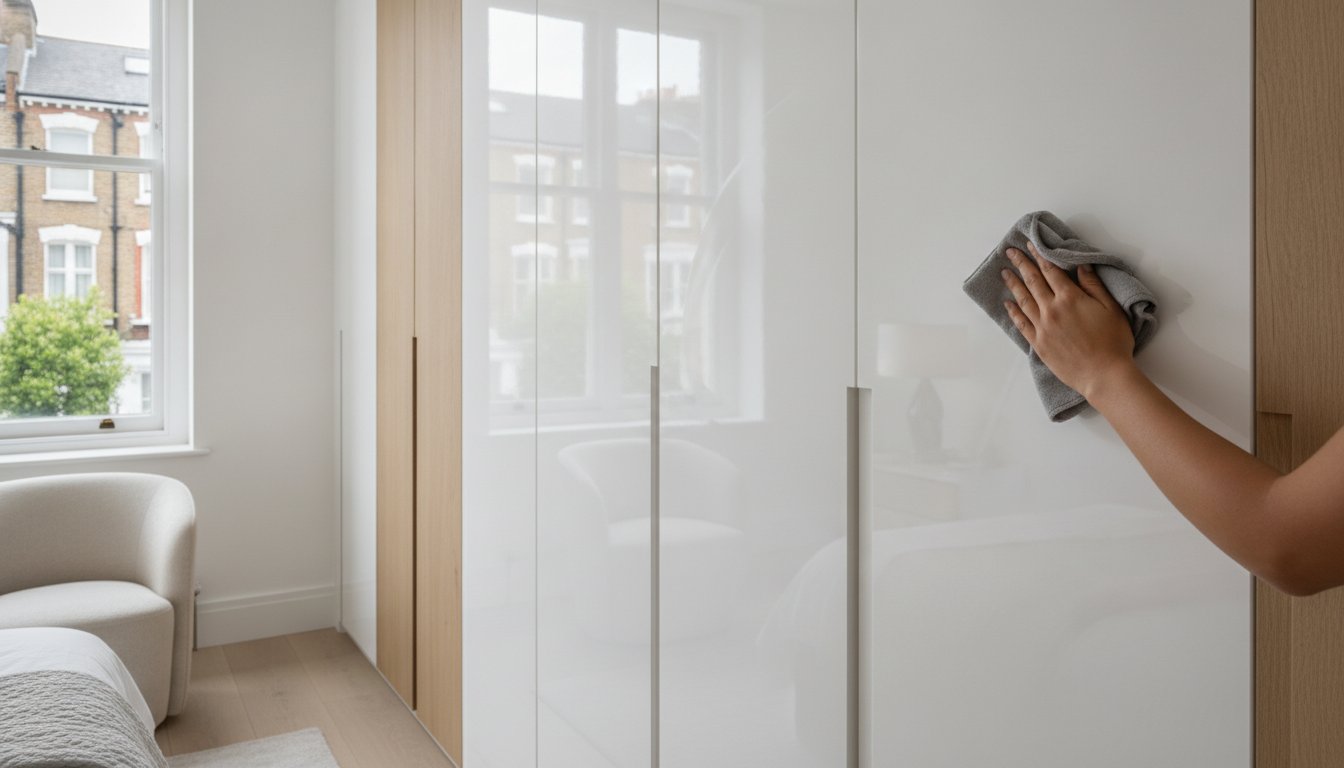
Once the surface is grit-free, prepare your cleaning solution using a single drop of mild detergent in a litre of distilled water. The most common mistake is spraying liquid directly onto the furniture. Instead, mist your microfibre cloth lightly to ensure it’s damp but not saturated. This prevents excess moisture from seeping into the joints of hinged doors or the alcove edges where panels meet the wall. Use long, light vertical strokes rather than circular scrubbing to maintain the perfectly smooth, grain-free aesthetic. For expansive surfaces like sliding wardrobe panels, work in manageable sections to avoid overlap lines or drying streaks. The two-cloth method relies on using one damp microfibre to lift surface oils and a second, bone-dry cloth to immediately buff the surface to a mirror shine.
The buffing stage is where the mirror effect truly comes to life. Once you’ve completed a section with your damp cloth, don’t wait for it to air dry. Residual moisture, even from distilled water, can leave faint ghosting marks if left to evaporate naturally. Take your second, bone-dry microfibre and apply light pressure in the same vertical direction. This immediate buffing restores the depth of the lacquer and ensures that light reflects perfectly without any distortion. This level of care ensures your high gloss fitted wardrobes remain a stunning focal point, reflecting the sophisticated sanctuary you’ve created.

Banishing Fingerprints and Managing Urban Dust in London Homes
Fingerprints are the most common challenge for owners of high gloss fitted wardrobes, especially in busy London households. While a white gloss finish is remarkably forgiving, darker tones like navy, charcoal, or black act like a canvas for natural skin oils. These oils disrupt the way light reflects off the surface, creating visible smudges that can dull the room’s aesthetic. You don’t always need a full cleaning session to address these; for isolated marks, we recommend the “breath test”. Simply use a small amount of warm breath to create a light mist on the smudge and gently wipe it away with a clean microfibre cloth. This provides just enough moisture to lift the oil without leaving a residue.
Environmental factors in the city also play a significant role in the longevity of your furniture. Heat is a particular concern in compact urban apartments where space is at a premium. You should avoid placing high-gloss units directly against radiators or high-output heaters. Constant exposure to intense heat can stress the chemical bond of the lacquer or cause the internal substrate to expand, potentially leading to warping or edge peeling. Our bespoke finishes are engineered for durability, but maintaining a consistent ambient temperature helps preserve the structural integrity of the cabinetry for its entire lifespan.
Removing Stubborn Grease and Smudges
Sometimes, daily dust removal isn’t enough to tackle heavier grease or sticky residue. If you find a stubborn mark around handles or integrated finger pulls, a 50/50 solution of distilled water and white vinegar can be used sparingly. This natural acidity cuts through grease without the harshness of ammonia based cleaners. When dealing with sticky residue from labels or tape, avoid the temptation to scrape the surface with a fingernail or blade. Instead, hold a damp, warm cloth over the spot for sixty seconds to soften the adhesive before gently lifting it away. For more expert advice on maintaining your home’s bespoke features, explore our latest furniture care guides.
Protecting Gloss from Fading and Heat
South-facing London rooms receive intense sunlight that can, over decades, cause inferior materials to yellow or fade. At Finest Furniture Studio, we use premium, UV-stable materials in our bespoke media walls and wardrobes to resist this photochemical reaction. Even with high-end finishes, we suggest using window treatments like sheer curtains or UV-filtering blinds during peak daylight hours. This simple step protects the depth of the colour and ensures the finish remains vibrant. By combining superior material choice with sensible home management, your wardrobes will maintain their showroom-quality brilliance through every season.
Maintaining Your Investment: Long-Term Care for Premium Lacquered Finishes
Investing in high gloss fitted wardrobes is a sophisticated choice that enhances both your daily lifestyle and your property’s market appeal. In sought-after London areas like Wimbledon, Kingston, and Chiswick, bespoke storage is a valued asset that contributes to a home’s overall valuation. To protect this investment, Finest Furniture Studio provides a 10-year quality guarantee on all our installations. This formal assurance reflects our confidence in the durability of our premium finishes, ensuring your cabinetry remains a luminous focal point for years to come without the risk of premature fading or surface degradation.
Transparency is a cornerstone of our service, and we believe homeowners deserve a clear understanding of the investment required for bespoke craftsmanship. While our solutions are tailored to your specific architectural needs, we maintain structured pricing tiers to help you plan your home transformation. Our current starting points for premium storage solutions include:
- Hinged Door Wardrobes: From £1,800
- Walk-in and Loft Wardrobes: From £1,850
- Sliding Door Wardrobes or Bespoke Media Walls: From £2,000
Beyond the daily maintenance routines discussed earlier, we recommend a more comprehensive deep clean every six months. This bi-annual check allows you to inspect the panels under different lighting conditions and ensures that urban pollutants haven’t created a film that might dull the mirror-like shine. Consistent care, paired with our high-end materials, guarantees that your wardrobes will retain their showroom-quality lustre long after the initial installation.
Professional Alignment and Maintenance
The longevity of a high-gloss surface is intrinsically linked to the structural precision of the cabinetry. If doors become misaligned due to inferior hardware, they can rub against frames and cause permanent edge wear. We mitigate this risk by using only heavy-duty, adjustable hardware that maintains its tension over time. Our expert artisans complete every fitting within an exceptionally fast 7-day installation window, ensuring that every panel is perfectly level and square. This technical accuracy prevents the friction that leads to surface damage, preserving the integrity of the lacquered finish through thousands of opening and closing cycles.
When to Call the Professionals
Whilst most smudges are easily managed at home, certain scenarios require specialist intervention. If you encounter deep scratches that have breached the top coat of the lacquer, DIY polishing can often lead to an uneven, patchy reflection. Distinguishing between a surface mark and structural damage in the substrate is vital; if the material feels physically compromised, professional restoration is the only way to safeguard your investment. For those considering a new project or an upgrade to their existing storage, our fitted wardrobes cost guide offers a detailed look at the investment required for high-end, custom-made furniture in the current London market.
Preserving the Radiance of Your Bespoke Home
Maintaining the showroom quality of your high gloss fitted wardrobes is a simple process when you prioritise the right tools and techniques. By opting for pH-neutral solutions and high-GSM microfibre cloths, you protect the delicate lacquered finish from the abrasive nature of London’s urban dust. Remember that the longevity of your furniture’s reflection is as much about professional artisan fitting as it is about daily care. Our expert team ensures perfect alignment to prevent edge wear, allowing our premium finishes to thrive in the city’s unique environment.
We stand behind our craftsmanship with a 10-year quality guarantee and offer an exceptionally fast 7-day installation window to transform your space without delay. Whether you’re looking for a bespoke media wall or a tailored bedroom storage solution, we’re here to help you achieve a seamless blend of aesthetics and functionality. Take the first step toward a more organised and luminous living space today.
Book a Free Design Visit to start your bespoke journey and discover how our tailored designs can elevate your home. We look forward to turning your vision into a stunning, reflective sanctuary.
Frequently Asked Questions
Can I use glass cleaner on high gloss fitted wardrobes?
You should generally avoid using standard glass cleaners on high gloss fitted wardrobes. Many of these products contain ammonia or alcohol, which can cause the premium lacquered surface to cloud or become brittle over time. A safer alternative is a simple solution of distilled water with a tiny drop of pH-neutral dish soap, applied with a damp microfibre cloth to preserve the clarity of the finish.
How do I remove scratches from my high gloss wardrobe doors?
Light surface scratches can often be minimised using a specialised high-gloss polishing compound designed for lacquered furniture. You must apply the polish gently with a clean microfibre cloth, working in straight lines rather than circles to avoid creating swirl marks. However, if the scratch has penetrated through the top coat into the substrate, we recommend contacting a professional to discuss repair options rather than attempting a DIY fix.
Is white high gloss easier to keep clean than black high gloss?
White high gloss is significantly easier to maintain than darker shades like black or navy. Darker surfaces act like a mirror for dust and oils, making fingerprints and urban particulates much more visible under standard room lighting. While both finishes offer a stunning aesthetic, white gloss is a more practical choice for high-traffic bedrooms where you want to minimise the visibility of daily wear and tear.
What is the best cloth for cleaning high gloss surfaces without scratching?
The best tool for cleaning high gloss fitted wardrobes is an edgeless, high-GSM microfibre cloth. Look for a cloth with a density of at least 300 GSM to ensure that dust is lifted away from the surface rather than dragged across it. Edgeless designs are preferable because the rough polyester stitching on standard cloths can catch on handles or leave microscopic swirl marks on the delicate lacquer.
How often should I clean my bespoke high gloss wardrobes?
We recommend a light dry dusting once a week to prevent urban particulates from settling on the surface. A more thorough damp wipe and buff should be performed monthly to remove accumulated oils and fingerprints. Scheduling a professional-level deep clean every six months ensures that your bespoke cabinetry retains its showroom-quality shine and structural integrity for the long term, protecting your investment.
Will sunlight make my high gloss furniture turn yellow over time?
Premium high gloss furniture from specialist studios is treated with UV inhibitors to prevent yellowing. Whilst cheaper mass-market veneers may discolour after prolonged exposure to direct sunlight, our high-quality lacquers are designed to remain colour-fast. We still suggest using window treatments in south-facing rooms to provide an extra layer of protection and maintain the vibrant depth of the finish through every season.
Can I use vinegar to clean high gloss bedroom cabinets?
You can use white vinegar to clean high gloss surfaces, but it must be diluted with water in a 50/50 ratio. This solution is particularly effective for removing stubborn grease or sticky residue that mild soap cannot tackle. Always apply the mixture to a cloth rather than the cabinet itself, and follow up immediately with a dry microfibre to prevent any acidic residue from sitting on the lacquer.
How do I get a streak-free finish on my gloss media unit?
Achieving a streak-free finish on your media unit requires the use of distilled water and an immediate buffing stage. London’s hard tap water often leaves mineral deposits that appear as white streaks when dry. By wiping the unit with a lightly dampened cloth and following up instantly with a second, bone-dry microfibre, you ensure that no moisture evaporates on the surface to leave ghosting marks or mineral residue.