
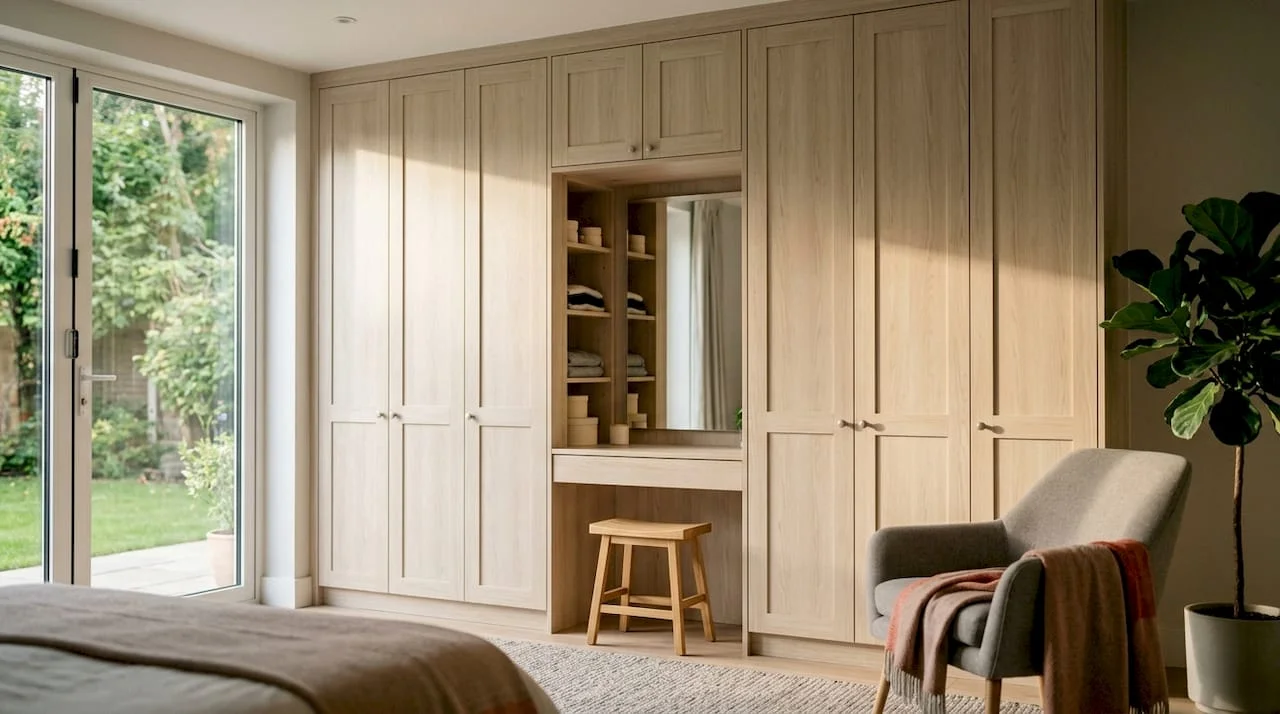
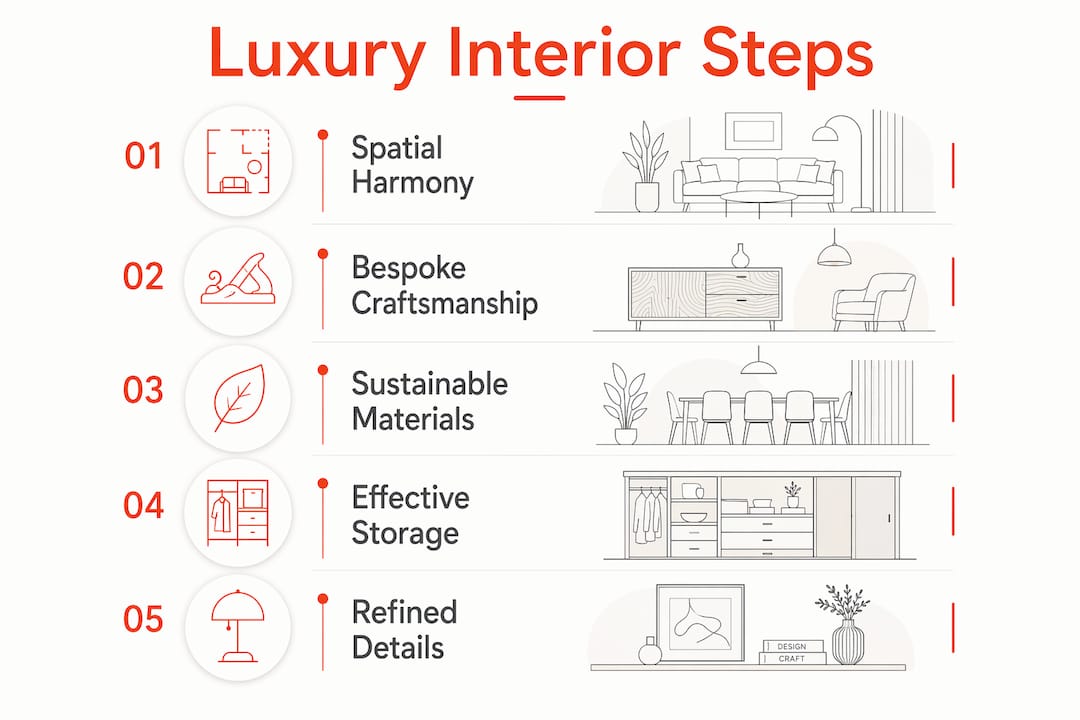
Luxury interior design is defined by spatial harmony, bespoke craftsmanship, and the deliberate use of premium materials to create spaces that feel as refined as they look. The role of luxury in home interiors goes far beyond expensive finishes. It shapes how a home functions, how it feels to live in daily, and how well it reflects the personality of the people who occupy it. Luxury budgets for single rooms in London showhouses increased by 15% in 2026, driven by demand for artisan craftsmanship and sustainable materials. That figure signals a clear shift: homeowners are investing more deliberately, and expecting more in return.
What is the role of luxury in home interiors?
Luxury interiors prioritise restraint, proportion, and spatial harmony over ostentation. This is the foundational principle that separates genuinely high-end design from simply expensive decoration. A room filled with costly objects but no coherent spatial logic does not read as luxurious. It reads as cluttered. True luxury allows quality materials and considered design to have presence without excess.
The industry term for this approach is refined interior design, though homeowners and design enthusiasts increasingly use “luxury interior design” to describe the same principles. Both phrases refer to the same goal: creating spaces where every element earns its place, where proportion guides every decision, and where the occupant’s daily experience takes priority over visual spectacle.
Luxury home decor, when executed well, combines three things: a clear spatial concept, materials chosen for longevity and tactile quality, and storage solutions that remove visual noise from living areas. Get all three right, and the result is a home that feels calm, considered, and genuinely personal.
How do spatial harmony and proportion define luxury?
Spatial harmony is the single most misunderstood element of high-end interior design. Most homeowners focus on what goes into a room. Luxury designers focus on what stays out. Negative space, the deliberate absence of furniture or decoration in certain areas, gives the eye somewhere to rest and allows statement pieces to register properly.
Proportion and scale are the technical tools that deliver this effect. A sofa that is too large for a room does not feel grand. It feels oppressive. A pendant light hung too high loses its visual weight entirely. Getting these relationships right requires either trained instinct or a willingness to measure carefully before purchasing anything.
Open-plan living, common in homes across Richmond, Wimbledon, and Chiswick, demands an additional layer of thinking: intelligent zoning. Without walls to define spaces, luxury interiors use rugs, lighting levels, and furniture groupings to create distinct areas that flow into one another naturally. The result is a home that feels spacious without feeling empty.
- Negative space gives statement pieces room to breathe and prevents visual fatigue.
- Proportion governs the relationship between furniture scale and ceiling height.
- Zoning in open-plan spaces uses lighting and rugs rather than walls to define areas.
- Flow between rooms is created through consistent flooring, colour palette, and sightlines.
Pro Tip: Before buying any large piece of furniture, tape out its footprint on the floor with masking tape and live with it for 48 hours. You will immediately see whether the scale works or crowds the space.
How does bespoke craftsmanship shape a luxury interior?
Bespoke joinery and custom furniture define exclusivity in a way that off-the-shelf products simply cannot replicate. A fitted wardrobe built to the exact dimensions of a bedroom alcove in Putney or Twickenham does not just look better than a freestanding unit. It uses every centimetre of available space, eliminates the visual gap between furniture and ceiling, and signals that the room was designed rather than assembled.
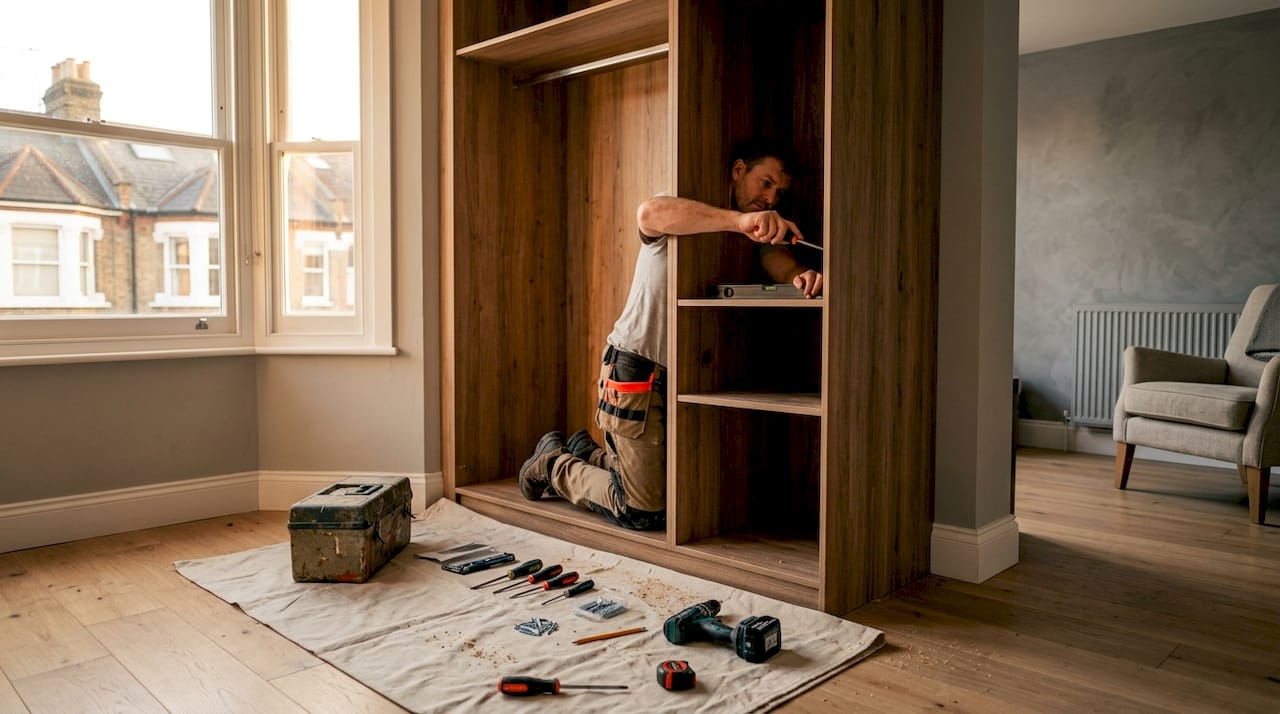
Luxury design integration begins pre-construction, aligning carpentry, lighting, and technology at the earliest stage to avoid costly retrofits. This is the single most important practical lesson in luxury interior design. Appointing a designer or specialist joinery company before first fix means that cable runs, lighting positions, and cabinetry dimensions are all coordinated from the outset. Retrofitting any of these elements later costs significantly more and rarely achieves the same finish.
The bespoke craftsmanship process at Finest Furniture Studio illustrates this principle well. Custom wardrobes, walk-in closets, and fitted storage are designed around the specific dimensions and lifestyle needs of each client, rather than adapted from a standard range. The result is joinery that integrates with the architecture rather than sitting in front of it.
Key elements that define bespoke luxury interiors include:
- Integrated ambient lighting within cabinetry, recessed into ceilings, and layered across multiple circuits.
- Custom shelving and drawer configurations designed around actual storage habits rather than generic assumptions.
- Concealed technology including charging points, speaker systems, and climate controls built into joinery rather than surface-mounted.
- Material consistency across joinery, flooring, and soft furnishings to create a unified palette.
Pro Tip: Ask your joinery specialist to provide a sample door in your chosen finish before committing to a full installation. Colours and textures read very differently at full scale compared to a small swatch.
Does sustainable material choice affect luxury interiors?
Sustainable materials are both a status symbol and a functional necessity in 2026 luxury design. Sustainable luxury projects command a 15–20% price premium stemming from ethical sourcing and specialist labour. That premium reflects genuine value: materials chosen for durability, low environmental impact, and tactile quality outlast trend-driven alternatives and age more gracefully.
The shift towards eco-conscious luxury is not simply about environmental credentials. It reflects a broader understanding that quality and longevity are inseparable. A solid oak floor installed in a home in Kingston upon Thames will look better in twenty years than a laminate alternative installed at a fraction of the cost. The same logic applies to stone worktops, hand-finished cabinetry, and natural fibre textiles.
| Material category | Luxury application | Key benefit |
|---|---|---|
| Solid hardwood | Flooring, joinery, cabinetry | Durability, repairability, natural warmth |
| Natural stone | Worktops, feature walls, flooring | Unique grain, longevity, tactile quality |
| Linen and wool | Upholstery, curtains, cushions | Breathability, texture, ages beautifully |
| Recycled metals | Hardware, lighting, fixtures | Ethical sourcing, distinctive patina |
| Low-VOC paints | All wall and ceiling finishes | Air quality, health, rich pigment depth |
Wellbeing-inspired luxury integrates eco-conscious design, invisible technology, and climate control to provide psychological ease in homes. This means that sustainable material choices are not separate from the luxury experience. They are central to it. A home that uses natural materials, maintains good air quality, and regulates temperature efficiently feels better to live in, not just better to look at.
What are the emerging trends redefining luxury home design?
The most significant shift in luxury interior design right now is the move from visual display to occupant experience. Luxury renovations now focus on how homes feel to residents in daily life, rather than how they appear to visitors. This is a fundamental change in priorities, and it has practical consequences for every design decision.
The “found luxury” trend captures this shift clearly. 36% of interior designers incorporated vintage or antique pieces into luxury interiors in 2026. That figure reflects a deliberate rejection of mass-produced uniformity. A curated antique mirror, a mid-century sideboard, or a hand-thrown ceramic lamp creates depth and character that no new product can replicate. These pieces tell a story, and that narrative quality is precisely what luxury clients are seeking.
“Luxury interiors must prioritise how spaces feel moment-to-moment for occupants, not just how they look to visitors. The most successful high-end homes are those where the design supports daily life so naturally that it becomes invisible.”
Biophilic design sits alongside found luxury as a defining trend. Bringing natural materials, plants, natural light, and views of greenery into interior spaces reduces stress and improves cognitive function. Homes in areas like Hampstead, Dulwich, and Blackheath, where garden space and mature trees are common, have a natural advantage here. The interior design should extend and amplify that connection rather than compete with it.
Effective luxury storage reduces cognitive load and visual clutter, creating a calm environment that goes beyond minimalism. This is the psychological case for bespoke fitted storage as a luxury element. When everything has a designated place and surfaces remain clear, the brain processes the environment as calm and ordered. That feeling of ease is the true measure of a successful luxury interior.
The inclusive home upgrades approach also feeds into this trend, recognising that luxury design must support the practical needs of all occupants across different life stages, not just look impressive on a single occasion.
How to incorporate luxury elements in London and Greater London homes
Practical luxury is achievable in almost any London home, regardless of size or period architecture. The key is prioritising the elements that deliver the greatest impact on daily experience. These six steps apply whether you are working on a Victorian terrace in Wandsworth, a new-build apartment in Ealing, or a detached house in Sutton or Bromley.
-
Start with storage. Fitted wardrobes, alcove shelving, and under-stair storage units remove clutter from living areas and create the visual calm that defines luxury interiors. Finest Furniture Studio designs and installs bespoke built-in wardrobes across West London, typically completing installations within seven days.
-
Choose materials for longevity. Select solid wood, natural stone, and quality metals over composite alternatives. The upfront cost is higher, but the material ages well and rarely needs replacing within a decade.
-
Layer your lighting. Replace single ceiling pendants with a combination of recessed downlights, task lighting, and ambient accent lighting. Each circuit should be independently dimmable. This single change transforms how a room feels at different times of day.
-
Invest in one statement piece per room. A bespoke media wall in a Chiswick living room, a walk-in wardrobe in a Richmond master bedroom, or a custom kitchen island in a Twickenham family home creates a focal point that anchors the entire space.
-
Integrate technology before finishing. Cable management, smart lighting controls, and audio systems should be planned before plastering and painting. Retrofitting these elements later is expensive and rarely achieves a clean finish.
-
Edit ruthlessly. Remove anything that does not serve a clear aesthetic or functional purpose. Luxury interiors in Muswell Hill, Harrow, and Finchley share one characteristic: they contain fewer objects than you might expect, and every object is chosen deliberately.
The 2026 furniture design trends shaping London interiors confirm that homeowners are moving towards fewer, better pieces rather than filling rooms with decorative volume.
Key takeaways
Luxury interior design delivers its greatest value when spatial harmony, bespoke craftsmanship, sustainable materials, and considered storage work together to create spaces that feel as good to live in as they look.
| Point | Details |
|---|---|
| Spatial harmony comes first | Negative space and correct proportion matter more than the cost of individual pieces. |
| Bespoke integration beats retrofitting | Appointing a joinery specialist pre-construction avoids costly changes and delivers cleaner finishes. |
| Sustainable materials carry a premium | Ethical sourcing and specialist labour add 15–20% to project costs but deliver lasting quality. |
| Found luxury adds depth | Vintage and antique pieces create character that mass-produced items cannot replicate. |
| Storage is cognitive infrastructure | Fitted storage reduces visual clutter and creates the psychological calm that defines true luxury. |
Why luxury design is really about how you live, not how it looks
I have visited a lot of homes that cost a great deal of money to furnish and still feel uncomfortable to be in. The problem is almost always the same: the design was made for photographs, not for people. Expensive materials were chosen, but the spatial logic was ignored. Storage was an afterthought. Lighting was a single pendant per room.
The homes that genuinely impress me are the ones where the design disappears into the background of daily life. The wardrobe opens smoothly and holds everything without effort. The lighting shifts naturally from bright and energising in the morning to warm and calm in the evening. The surfaces stay clear because there is a designated place for everything.
That kind of design requires planning before a single piece of furniture is ordered. It requires thinking about how you actually move through your home, what you need to access quickly, and what you want to see when you walk into a room. The investment in luxury furniture pays back most clearly in this daily ease, not in the admiration of visitors.
My honest view is that most homeowners underestimate the impact of fitted storage on the overall feel of their home. A bespoke wardrobe that reaches the ceiling, uses every centimetre of an alcove, and closes flush with the wall does more for the luxury feel of a bedroom than any amount of expensive bedding or decorative accessories. Get the storage right first. Everything else becomes easier.
— Aureliu
Bespoke storage solutions for London homeowners from Finest Furniture Studio
Finest Furniture Studio works with homeowners across Wimbledon, Richmond, Kingston upon Thames, Putney, Twickenham, Teddington, Chiswick, Ealing, Wandsworth, Dulwich, Blackheath, Beckenham, Bromley, Barnet, Finchley, Hampstead, Muswell Hill, Harrow, Orpington, and Sutton to design and install bespoke fitted storage that supports genuinely luxurious interiors.
Every project begins with a free design visit and consultation. We design wardrobes, walk-in closets, alcove storage, and under-stair solutions to the exact dimensions of your home, using premium materials and finishes chosen to complement your existing interior. Installations are completed within seven days, and every piece carries a 10-year guarantee. Our team also removes and disposes of your old wardrobe as part of the service. Explore our custom wardrobes for West London or call us on 07468 150807 to arrange your free design visit.
FAQ
What defines luxury in home interiors?
Luxury interior design is defined by spatial harmony, bespoke craftsmanship, and premium materials chosen for longevity and tactile quality. It prioritises how a space feels to live in daily, not just how it appears to visitors.
How do I incorporate luxury at home without a large budget?
Start with fitted storage to remove visual clutter, then layer lighting across multiple circuits. These two changes deliver the greatest impact on how a room feels and cost less than replacing furniture or finishes.
Why does bespoke storage matter in luxury interiors?
Bespoke storage reduces cognitive load by eliminating visual clutter and giving every item a designated place. This creates the psychological calm that distinguishes a genuinely luxurious home from a merely expensive one.
What is the “found luxury” trend in interior design?
Found luxury refers to the use of vintage and antique pieces as curated, character-defining elements within a contemporary interior. It creates depth and individuality that mass-produced high-end furniture cannot replicate.
Does sustainable design add cost to a luxury interior project?
Sustainable luxury interiors carry a 15–20% price premium due to ethical sourcing and specialist labour. That cost reflects genuine durability and quality, meaning the materials perform and age better over the long term.

