








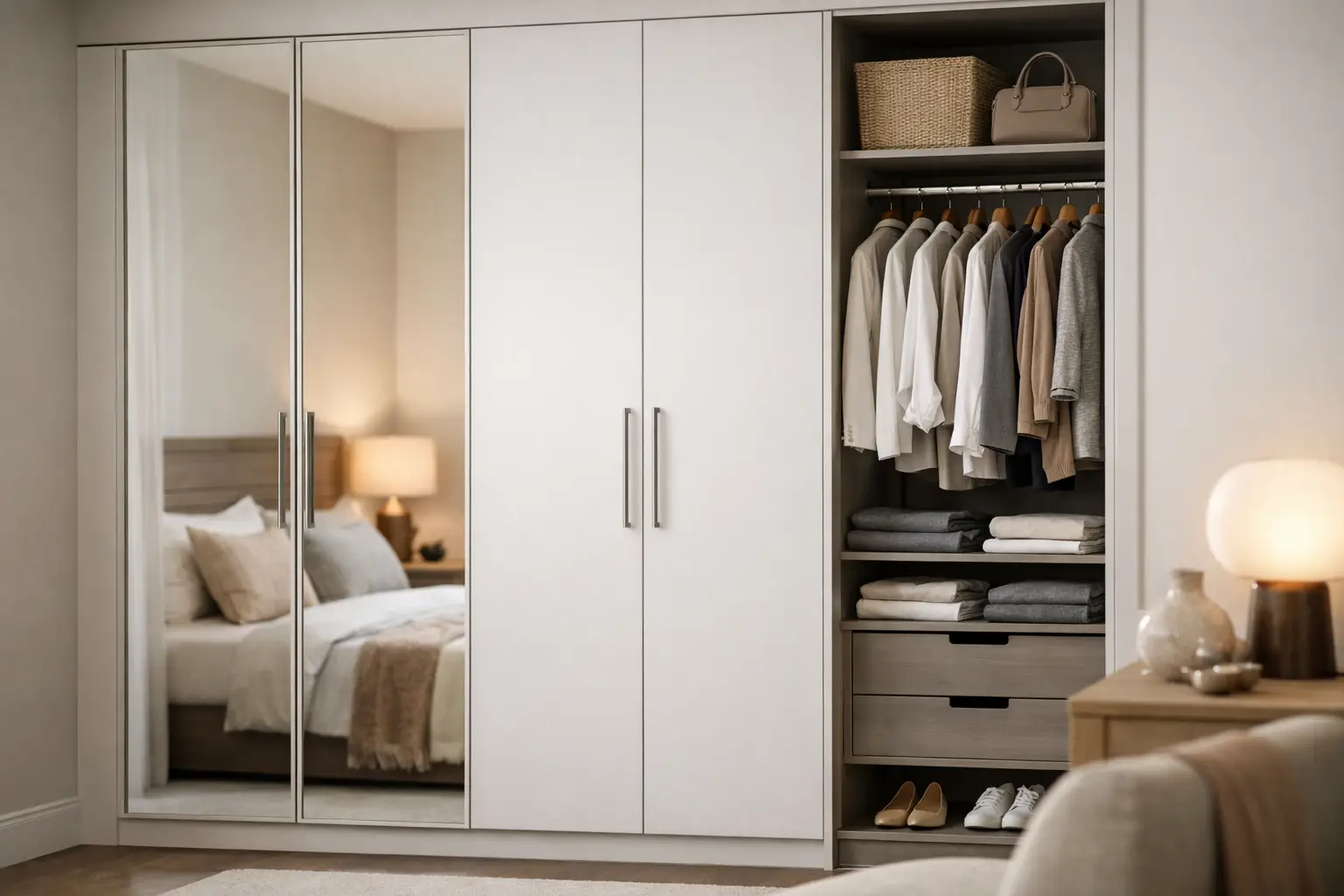
A wardrobe door does more than close off storage. It sets the tone for the whole room, affects how easy the space is to use every day, and often decides whether fitted furniture looks truly bespoke or merely added on. That is why a fitted wardrobe doors review should never begin with colour charts alone. The right door style needs to suit your layout, your routine and the standard of finish you want to live with for years.
For homeowners investing in fitted storage, doors are often the most visible part of the design. Interiors matter, of course, but the doors carry the visual weight. They frame the bed, soften awkward walls, reflect light, or create a calm backdrop that makes the bedroom feel more considered. When chosen well, they help fitted wardrobes look architectural rather than bulky.
What matters most in a fitted wardrobe doors review
The best review is not really about whether one door is universally better than another. It is about suitability. A beautiful shaker door may look perfect in a period property, yet feel too busy in a compact modern bedroom. A sleek sliding system can save space, but it will not suit every room shape or access pattern.
Most homeowners weigh four things first: appearance, practicality, durability and how well the doors work with the room itself. Appearance is usually the starting point, but practicality tends to determine long-term satisfaction. If opening the wardrobe feels awkward around bedside tables, or fingerprints are constantly visible on a high-gloss finish, the design can quickly lose its appeal.
Durability also deserves a more careful look than it usually gets. A fitted wardrobe is not a short-term purchase. Doors are handled daily, so hinges, track systems, edge finishes and surface quality all matter. A door can look excellent on day one and still disappoint if alignment shifts, finishes chip easily or the mechanism never feels smooth.
Hinged or sliding doors?
This is where any honest fitted wardrobe doors review should pause and say: it depends.
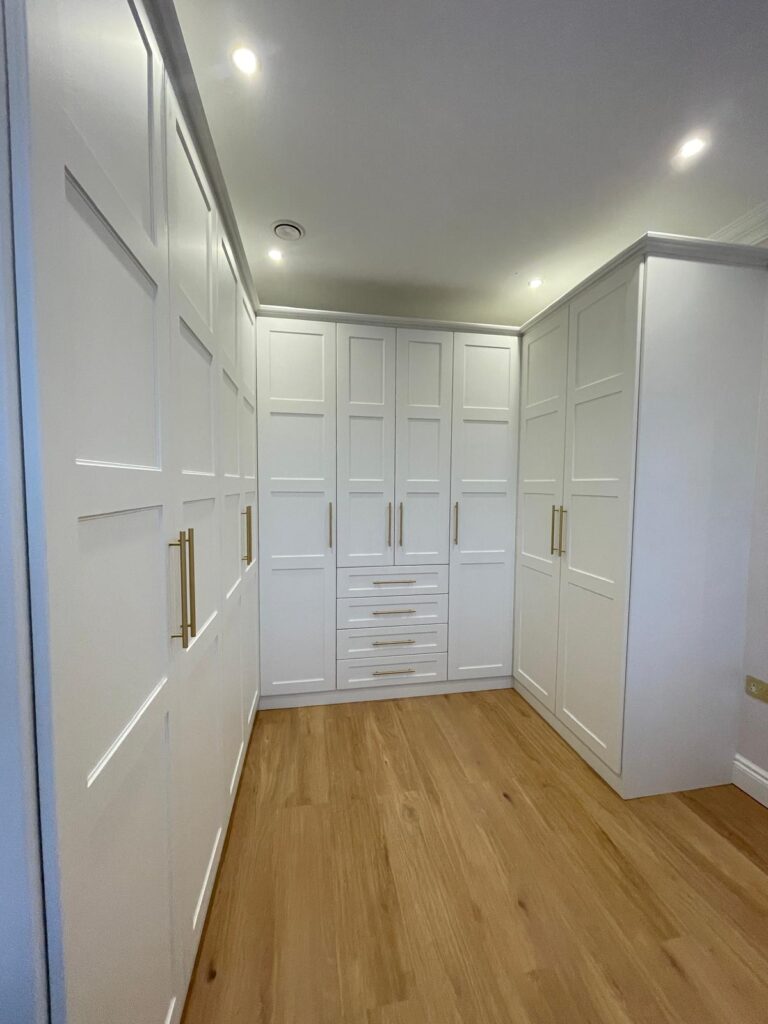
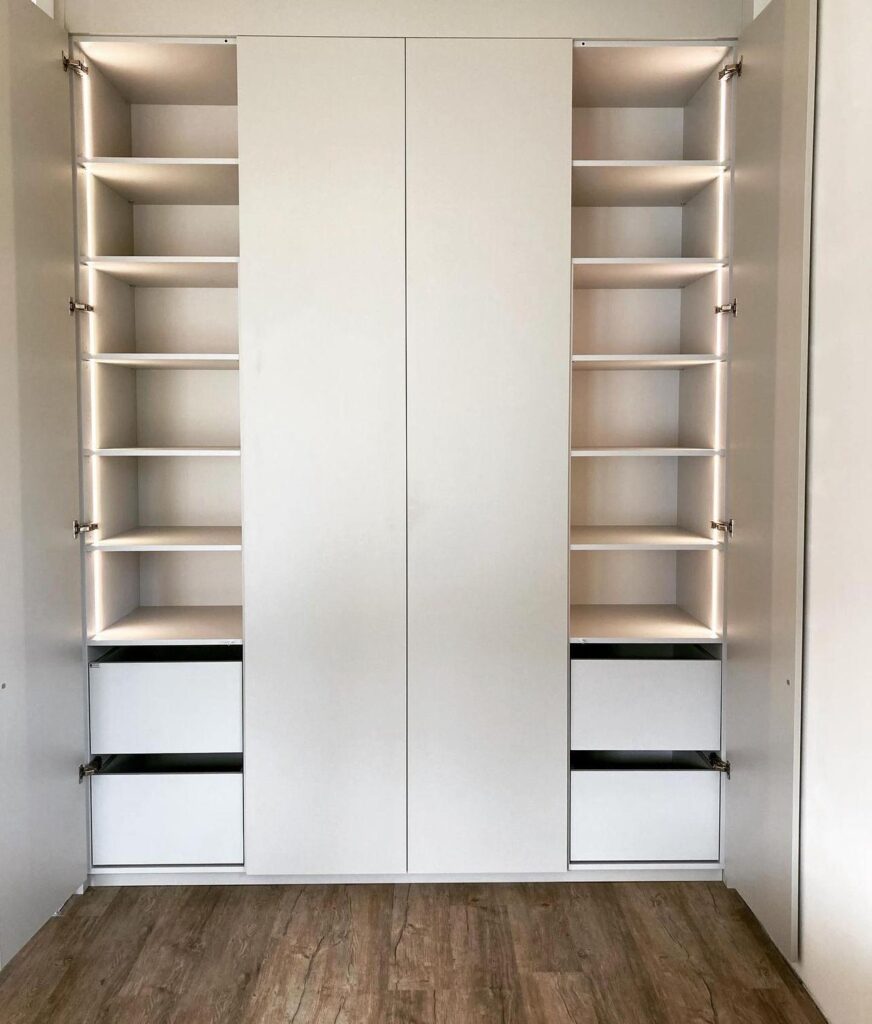
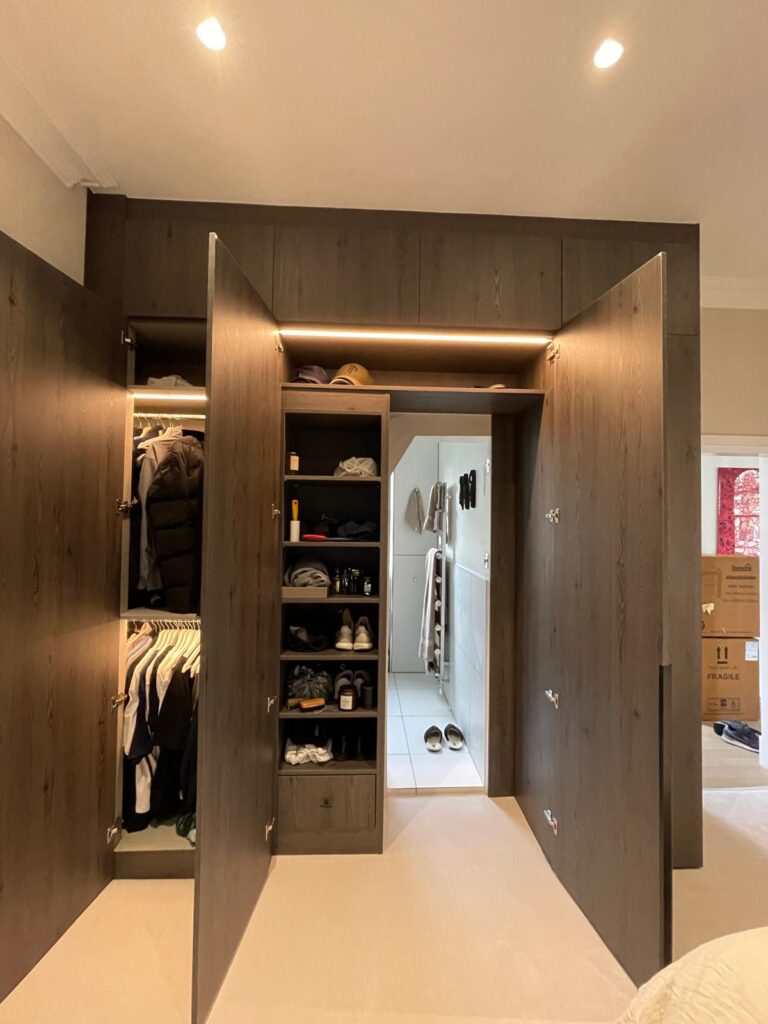
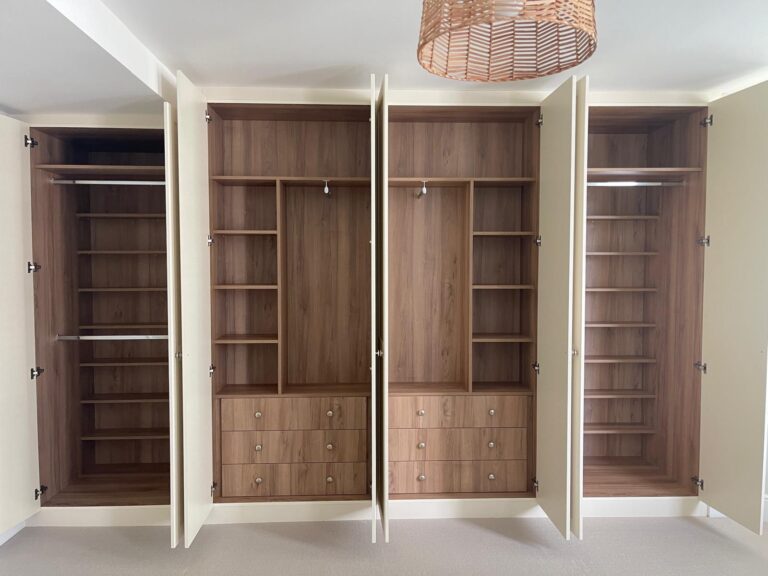
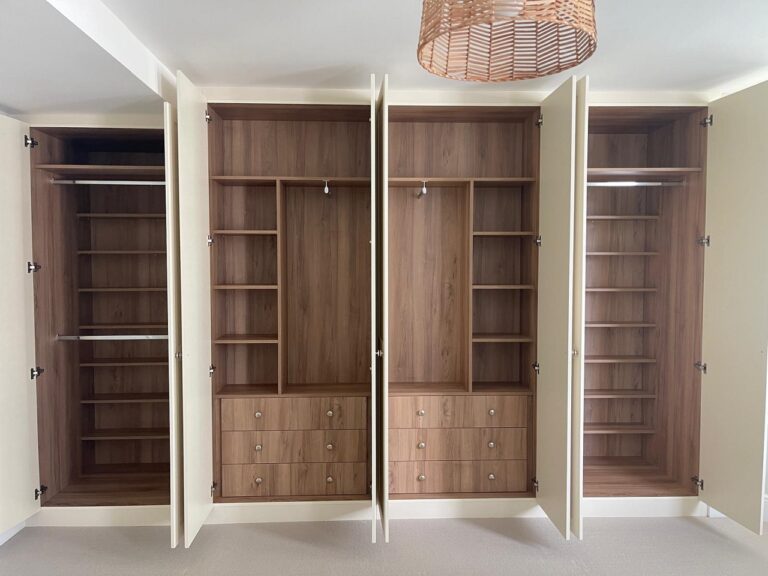
Hinged doors remain the classic choice for good reason. They offer full access to the wardrobe interior, which is especially useful when storage is carefully planned with drawers, shelving and hanging zones. They also tend to give a more furniture-like feel, which suits bedrooms where warmth and craftsmanship are part of the brief. If you want detailing such as shaker frames, panelled finishes or integrated handles, hinged doors usually offer the widest design freedom.
The trade-off is clearance. You need enough room for the doors to open comfortably, and that can be limiting in tighter bedrooms. If the wardrobe runs close to a bed or chest of drawers, daily use may feel less effortless than expected.
Sliding doors are often chosen for compact rooms, loft conversions and contemporary spaces where clean lines matter. They save floor space because nothing swings outward, and they can create a sleek, built-in look across an entire wall. Mirror panels are also common on sliding systems, which can help a room feel larger and brighter.
The compromise is access. Because one panel usually sits behind another, you never open the full width at once. For some households that is no issue. For others, especially where two people use the wardrobe at the same time, it can become mildly frustrating. Sliding systems also rely heavily on the quality of tracks and installation. If these are not excellent, the experience can feel less refined.
Door styles and the look they create
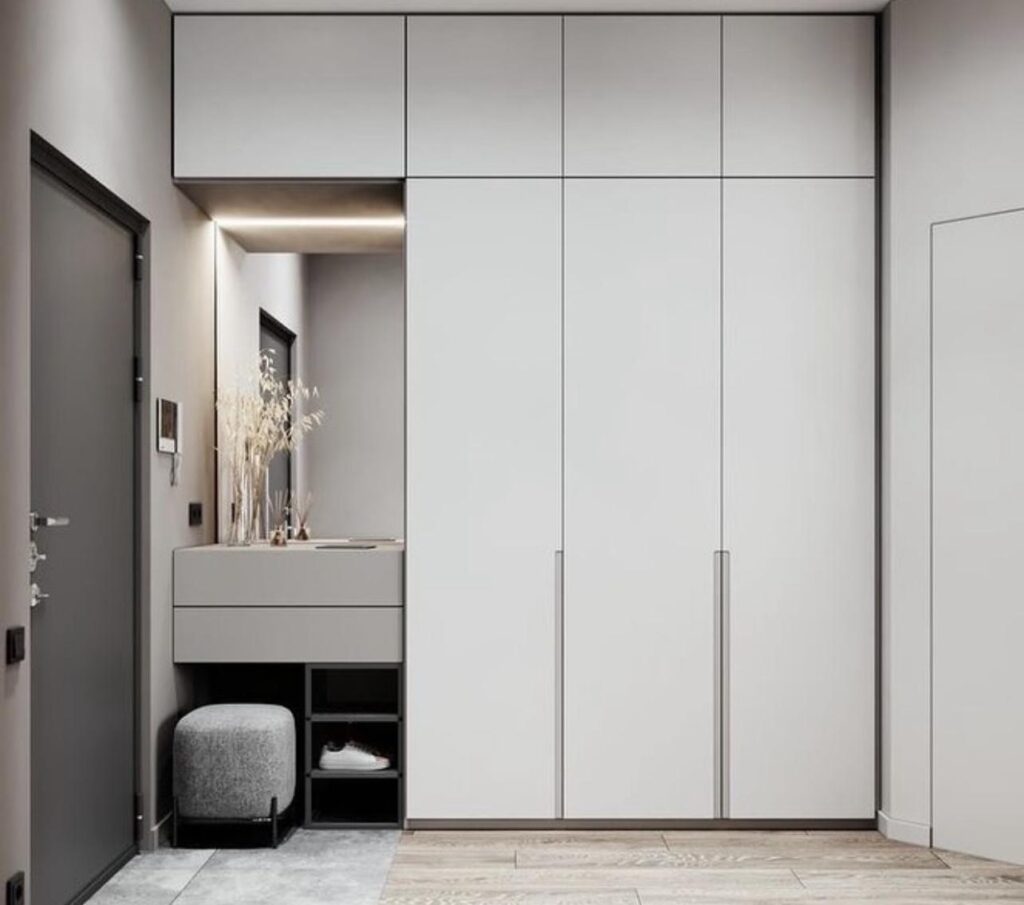
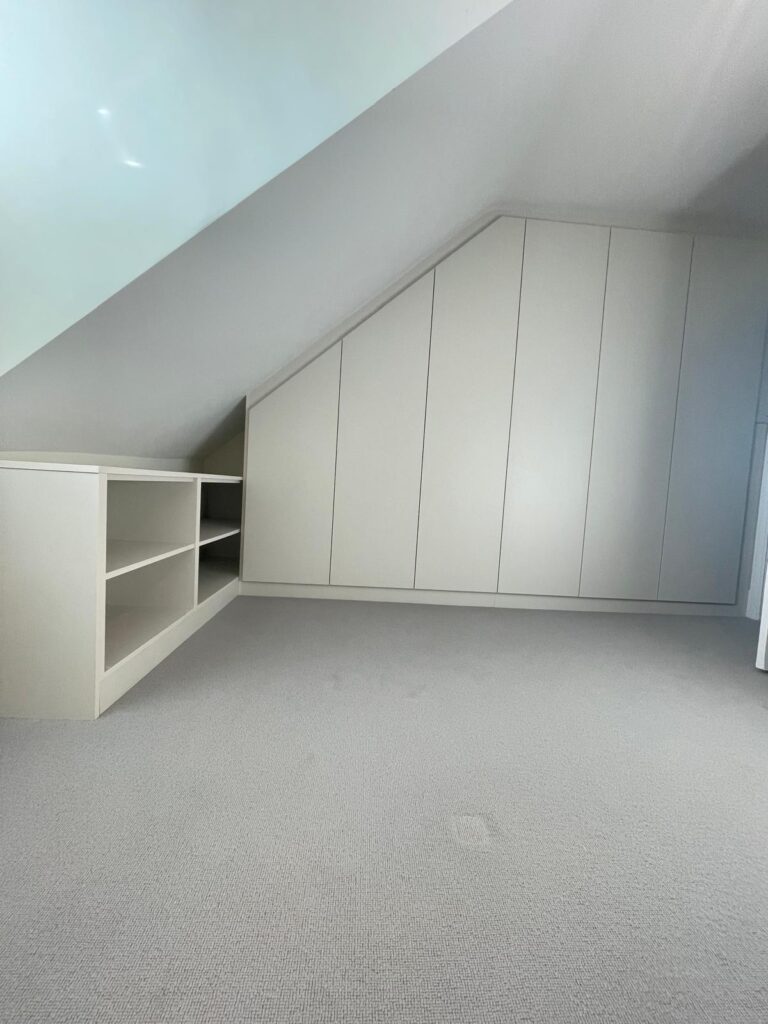
Door style is where practicality meets personality. Flat slab doors are popular because they feel clean, understated and adaptable. In a modern bedroom, they can make the room appear calmer and more spacious. They work particularly well when the goal is to let the wardrobe blend into the architecture rather than announce itself.
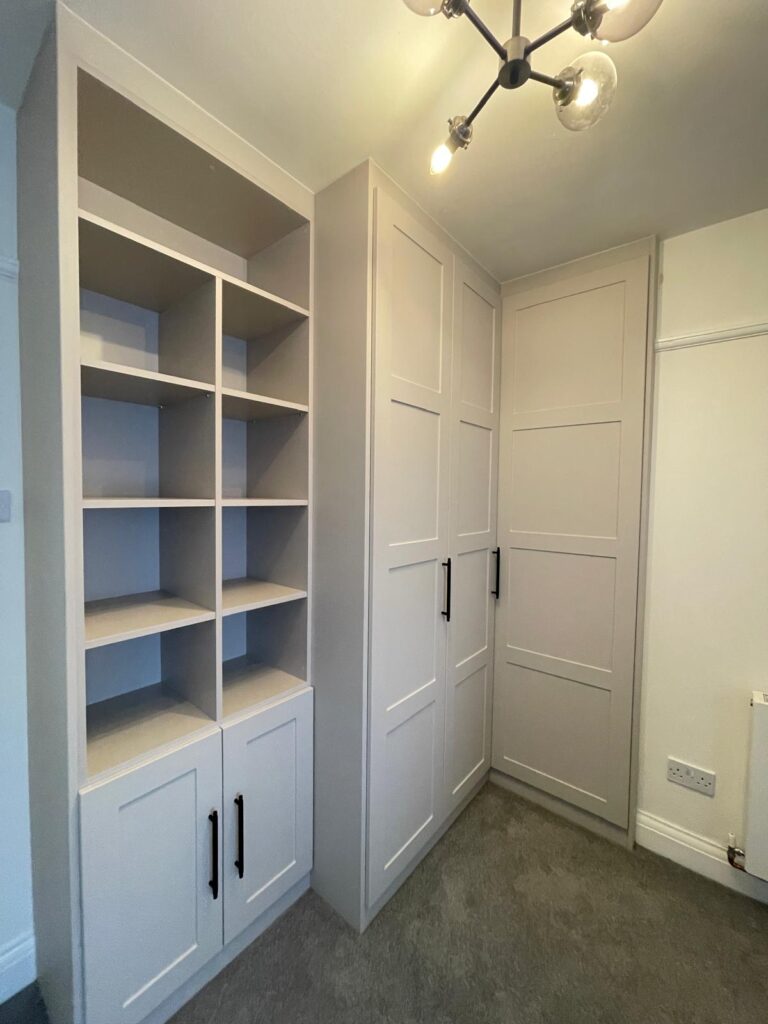
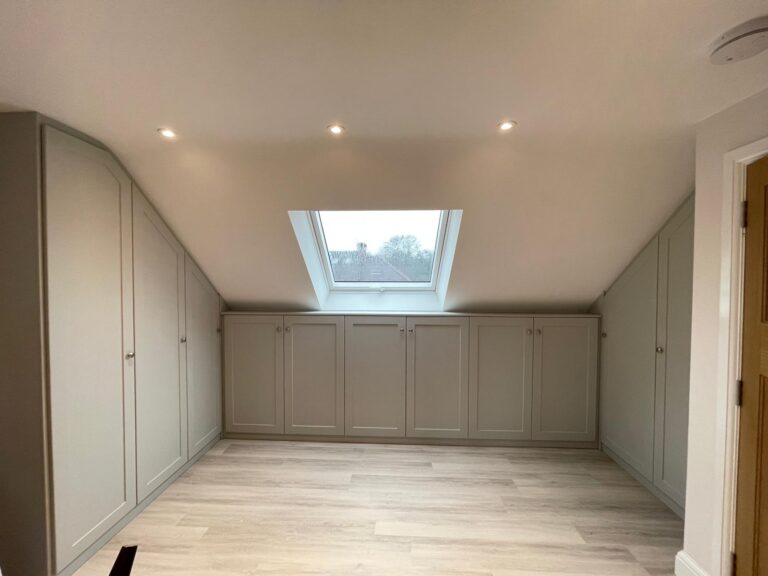
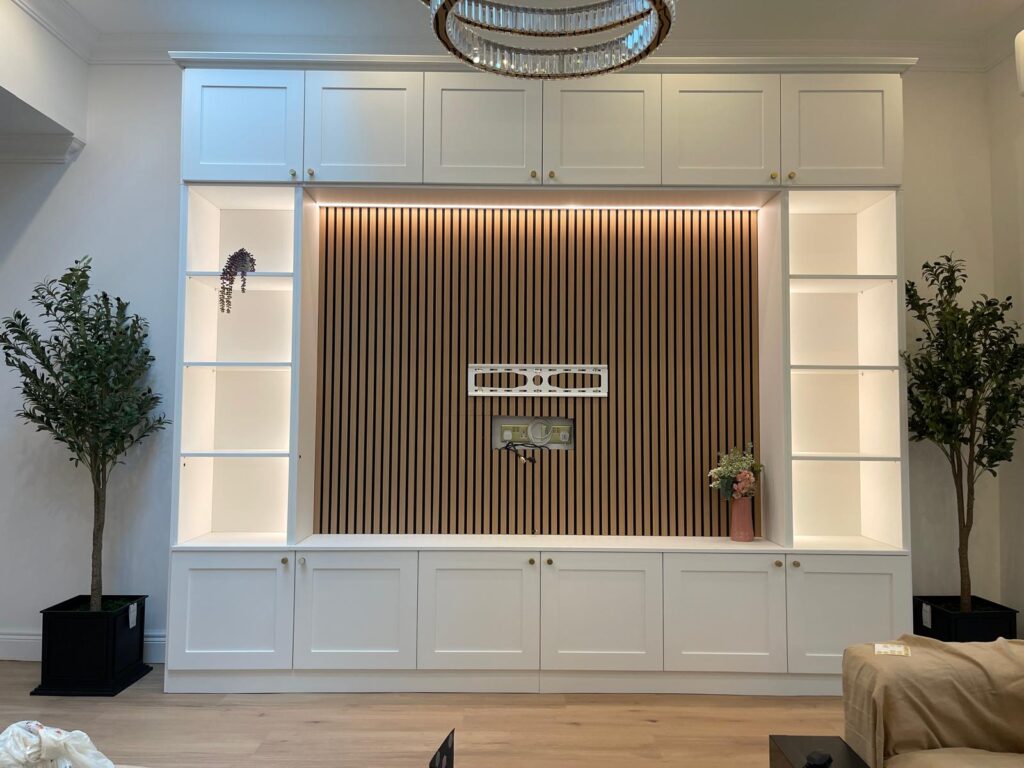
Shaker doors bring more detail and a stronger decorative presence. They suit homes where character matters, including Victorian and Edwardian properties, but they can also work in newer interiors when kept simple. The main consideration is proportion. In smaller bedrooms, heavily detailed doors can make a fitted run feel visually busier.
Handleless designs appeal to those who want a sharper contemporary finish. They create a streamlined look and can feel very polished when executed properly. That said, they need careful specification. Some handleless systems are more comfortable to use than others, and ease of grip matters more than it may seem during a showroom visit.
Mirrored doors deserve a balanced review too. They can be transformative in the right room, especially where natural light is limited or where a full-length mirror would otherwise take up wall space. Yet they are not right for everyone. Some homeowners prefer a softer, less reflective bedroom scheme, and mirrored surfaces naturally show marks more readily.
Finishes, colours and how they wear
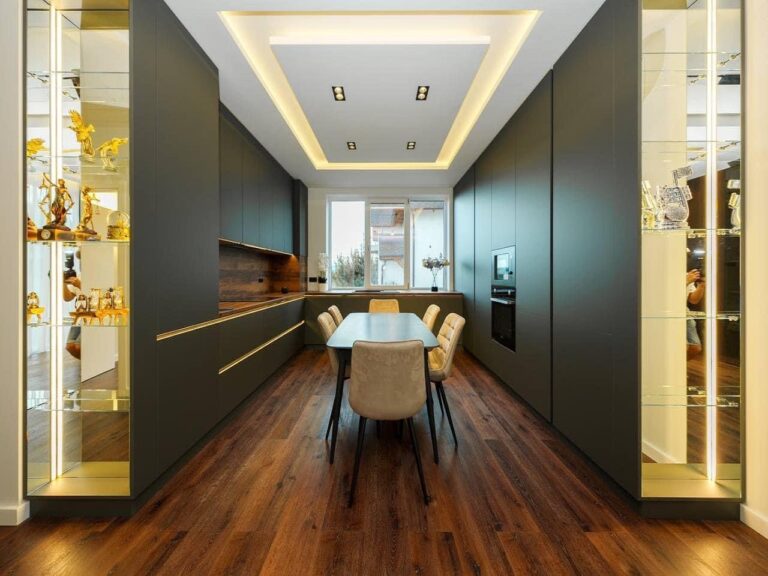
A finish should look good both in the design stage and in ordinary life. Matt finishes are often favoured for their soft, elegant appearance and their ability to make bespoke furniture feel more expensive. They tend to sit beautifully in calm bedroom schemes, especially in muted shades such as warm white, cashmere, taupe and soft grey.
Gloss finishes reflect more light and can help brighten smaller spaces, but they create a very different effect. In some homes, that crisp reflectivity feels fresh and modern. In others, it can read as colder or less timeless. Gloss also tends to reveal smudges more easily, so maintenance should be part of the decision.
Wood-effect finishes and real wood veneers bring warmth and texture, which can be especially useful when a large run of wardrobes might otherwise feel flat. They pair well with integrated bedroom designs and often help bespoke furniture feel richer and more grounded. The key is tone. Very dark finishes can be dramatic, but in smaller rooms they may absorb too much light.
A fitted wardrobe doors review should include build quality
Good design can only do so much if the build quality is ordinary. Doors should feel solid rather than hollow, and movement should be controlled rather than loose. On hinged wardrobes, soft-close hinges make a noticeable difference to daily use. They protect the furniture, reduce noise and contribute to that sense of considered quality homeowners expect from fitted joinery.
On sliding wardrobes, the track system is central. The doors should glide smoothly, sit neatly aligned and feel stable across the full run. Any wobble, drag or rattling is a warning sign. So is visible inconsistency in gaps or finishing details.
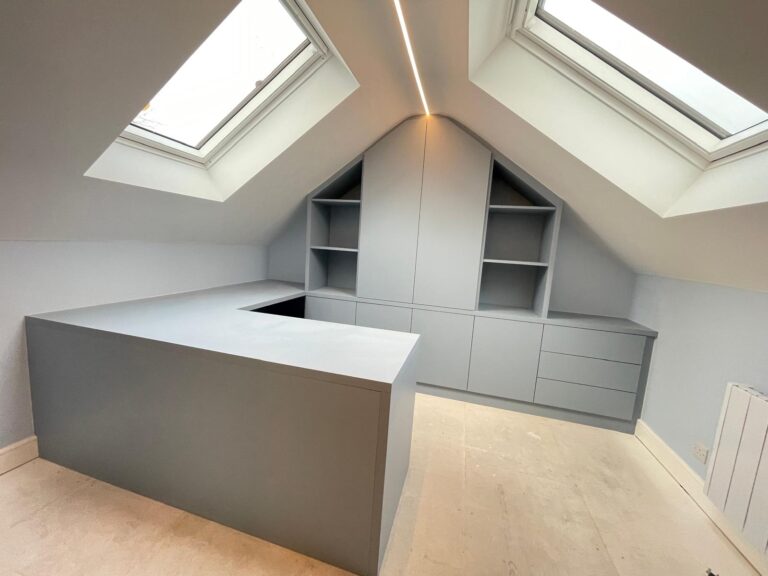
This is one of the strongest arguments for choosing a made-to-measure fitted solution over off-the-shelf alternatives. When wardrobe doors are designed for the exact dimensions of the room, they tend to look cleaner and perform better. That matters even more in awkward spaces such as alcoves, sloping ceilings or older properties where walls are rarely perfectly straight.
Matching doors to the room, not just the trend
Trends can be useful for inspiration, but fitted furniture should answer the room in front of you. A calm painted finish may suit a principal bedroom where the aim is rest and visual simplicity. A mirrored sliding design may be smarter in a guest room that needs to feel larger. In a child or teenager’s room, wipeable finishes and straightforward operation often matter more than delicate detailing.
There is also the wider home to consider. The most successful fitted wardrobes usually feel connected to the property rather than isolated from it. That does not mean every bedroom must look identical, but the door design should sit naturally within the style of the home.
For many homeowners, this is where bespoke advice becomes valuable. Companies such as Finest Furniture Studio approach wardrobe doors as part of a complete fitted design, not an afterthought. That tends to produce a better result because layout, storage interior, finish and installation are considered together.
So, which fitted wardrobe doors are best?
The best choice is the one that improves both the appearance and daily function of your bedroom. If you want full access, traditional styling and flexibility in design, hinged doors are often the stronger option. If floor space is tight and you prefer a sleeker look, sliding doors may be the better fit.
In style terms, flat doors suit contemporary spaces, shaker doors bring more character, and mirrored doors can help solve practical issues in smaller rooms. In finish terms, matt is usually the safest route for a timeless, refined look, while gloss and wood effects work best when they support the wider scheme of the room.
What matters most is not choosing the most fashionable door. It is choosing one that feels right at seven in the morning, at the end of a long day, and five years from now when the room still needs to look composed and work hard. The best fitted wardrobe doors do not ask for attention every day. They simply make the whole room feel better.