








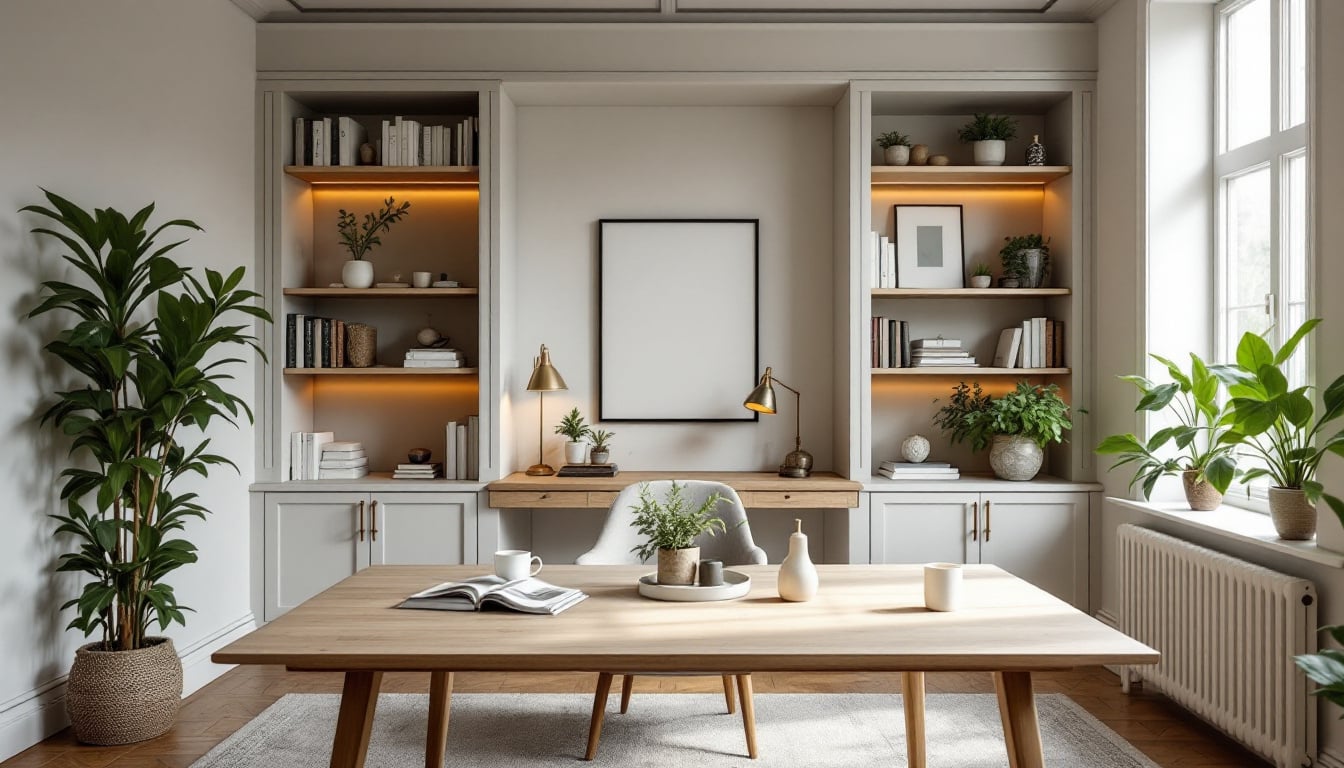
Why shelving units deserve a closer look
Shelving units do more than hold objects. In fitted interiors, they shape how a room feels, how much usable storage you gain, and whether the space reads as tidy or cluttered. If you are comparing shelving units for a home office, living room, alcove, or bedroom, the right choice depends on load, layout, finish, and how often you need access. For design-led buyers, shelving units are often the fastest way to add visible function without committing to a full remodel.
How top-ranking pages handle shelving units
A review of the strongest pages on shelving units shows a clear pattern. Most cover material choices, room-by-room use, wall-mounted versus freestanding formats, and basic styling ideas. The better pages also answer the practical questions people search before buying, such as shelf depth, weight capacity, and whether the unit can be made to fit awkward spaces. The gap is usually in decision-making, so this guide focuses on how to choose shelving units for real rooms rather than listing product types.
What users actually want from shelving units
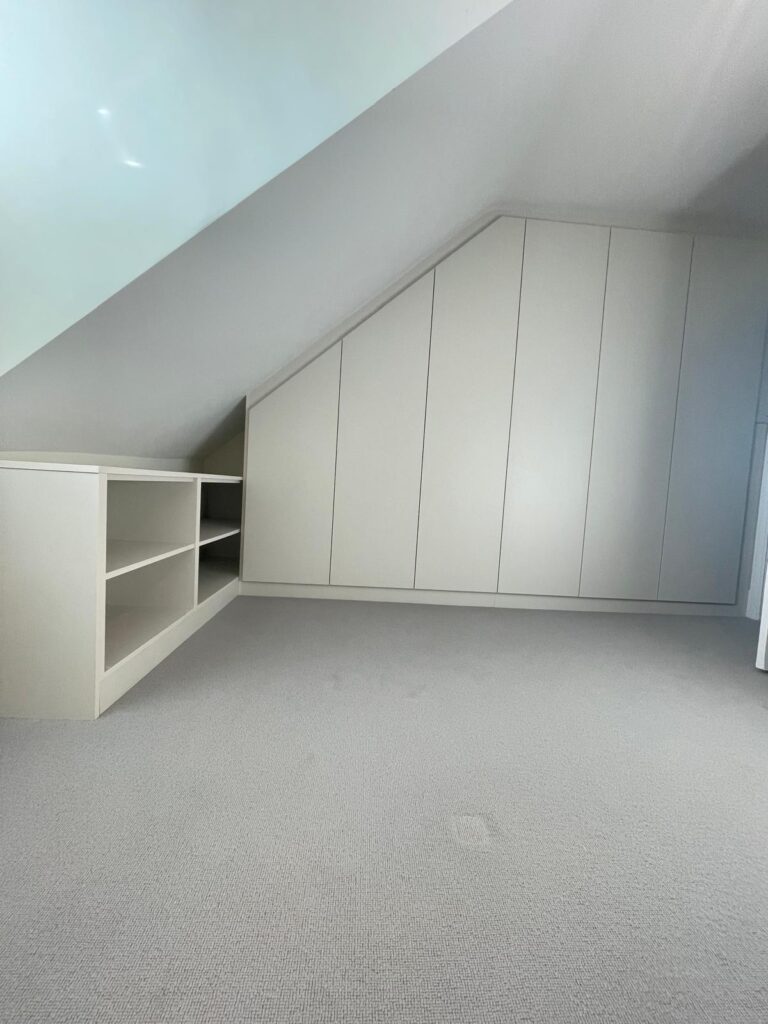
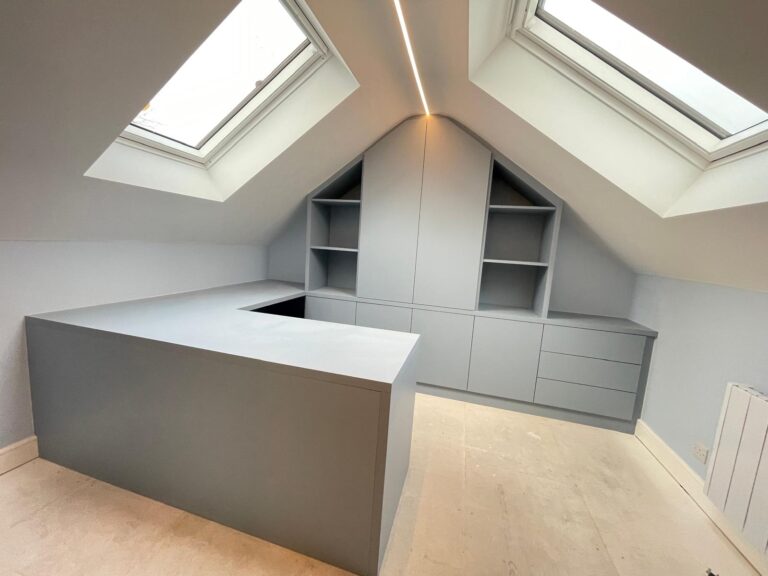
Search intent around shelving units is usually mixed. Some readers want storage, others want display space, and many want both at once. That means the page has to help with trade-offs, not just definitions. A useful shelf plan balances access, appearance, and structure. If your room has alcoves, sloped ceilings, or limited floor space, shelving units should be treated as part of the architecture, not as an afterthought. That is why bespoke fitted shelving often outperforms off-the-shelf options in both capacity and finish.
Core keyword and related search terms
The main keyword for this article is shelving units. Related long-tail terms include fitted shelving units, bespoke shelving for alcoves, wall mounted shelving units, custom shelving design, floating shelves for living room, storage shelving for home office, built-in shelving ideas, shelving units for awkward spaces, shelving units with doors, modern shelving solutions, measuring guide for shelves, and shelving depth for books and décor. These phrases fit naturally into a buying guide because they map to the decisions homeowners and designers actually make.
Choose the right shelving format first
Before you compare finishes, decide how the unit will function. Freestanding shelving units are easiest to move and usually cost less, but they waste more space and can look temporary. Wall mounted shelving units free up floor area and work well in smaller rooms, but they depend on wall strength and careful fixing. Built-in shelving is the most efficient use of space, especially in alcoves, but it demands accurate measurements and a cleaner installation process. That first decision should be driven by room layout, not style preference.
Freestanding, wall mounted, or built-in
Use freestanding shelving units when flexibility matters, for example in a rental or a room that may change purpose later. Choose wall mounted shelves when visual lightness matters and you need the floor clear for circulation or cleaning. Built-in shelving suits homeowners who want a permanent result and are trying to maximise every centimetre. A useful rule is simple: if the room is awkward, built-in usually wins; if the room is temporary or likely to change, go modular.
The hidden trade-off is access
A deeper unit is not always better. In practice, shelving units that are too deep become catch-all storage, which makes rooms look messy even when they are organised. For books, 250 to 300 mm depth is often enough. For display items or mixed storage, 300 to 350 mm gives more flexibility. Anything beyond that should have a specific purpose, such as storing baskets, files, or electronics. This is one of the most common decision errors in shelving units planning.
Measure for the space you actually have
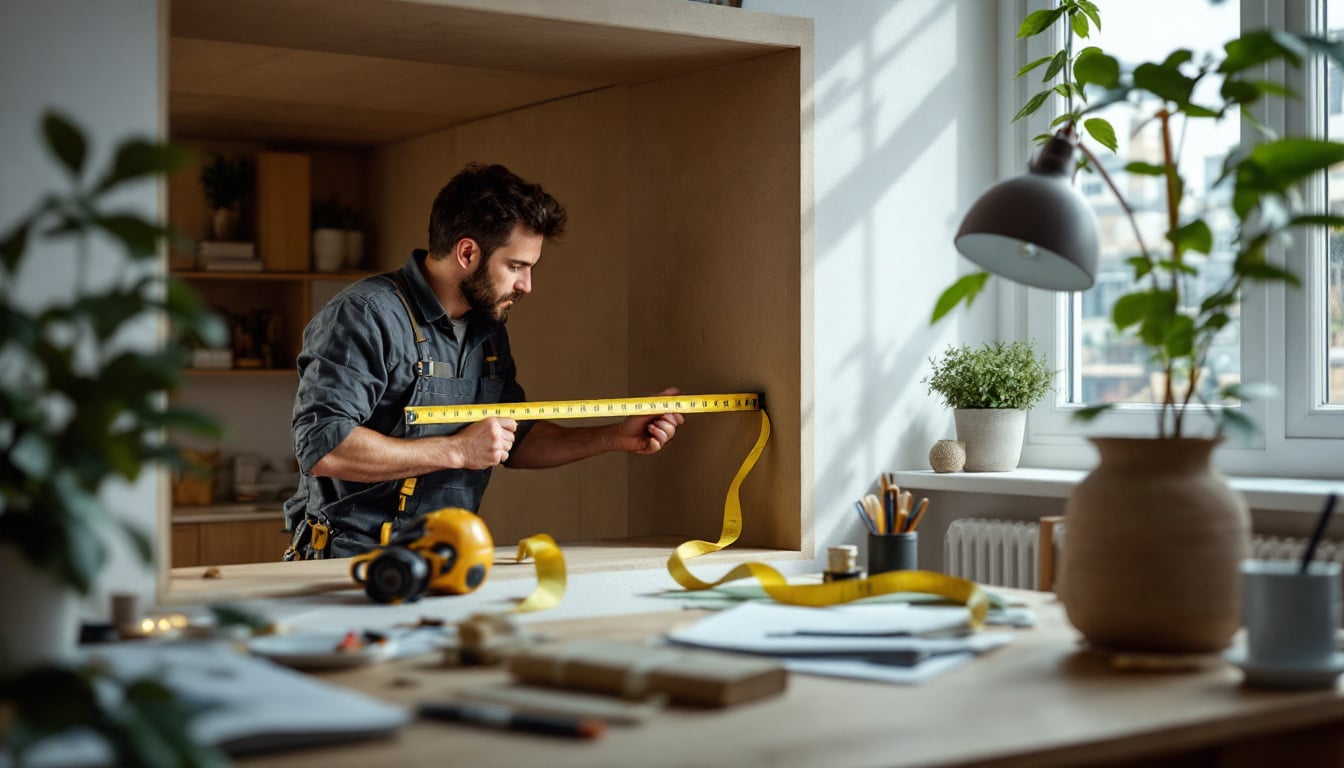
The best shelving units start with a proper measuring sequence. Measure width, height, and depth at three points, because older UK homes often have walls that are not perfectly square. Note skirting boards, sockets, radiators, switches, and opening clearances before committing to a design. If you are comparing bespoke fitted wardrobes or fitted furniture options, the same logic applies to shelving units: the goal is not to fit the brochure, it is to fit the room.
A simple measuring workflow
Start by marking the maximum usable width, then reduce that measurement for trims, end panels, and any movement tolerance. Next, check how far shelves can project without blocking a door swing or walkway. Finally, confirm the load-bearing wall type before fixing wall mounted shelving units. If you are unsure, use a measuring guide and photograph the space from each corner. That combination of notes and images reduces installation errors more effectively than memory alone.
Mini-case: turning an awkward alcove into usable storage
One local homeowner, looking for a cleaner living room layout, replaced a pair of narrow freestanding shelving units with a fitted alcove solution. The original setup left roughly 180 mm of dead space on each side and created a visual gap at the ceiling line. After switching to bespoke shelving, the room gained three full-height storage bays and a more balanced finish. The assumption here is a typical alcove width of around 1.6 to 2.0 metres, which is common in period properties.
Materials and finishes change the result
Material choice affects durability, weight capacity, and how the shelving units sit within the rest of the room. MDF is common for painted fitted shelving because it gives a smooth finish and a consistent profile. Veneered boards work well when you want a warmer, furniture-like look. Solid timber can be beautiful, but it is more expensive and can move with humidity. If the shelves will hold heavy books or archives, material thickness matters as much as the visible finish.
What to specify for a better outcome
Ask for shelf thickness, edge treatment, and finish type before you approve a design. A thicker shelf may reduce deflection on longer spans, especially for books or boxed storage. Painted shelving units hide more detail and suit contemporary interiors, while timber tones are better when the shelving is meant to read as furniture. The practical trade-off is clear: a highly decorative finish may look richer, but a simpler finish is easier to maintain and more forgiving of future changes.
Shelving units for each room need different logic
A bedroom shelf is not the same as a home office shelf. In a bedroom, shelving units should support calm and keep visual clutter down, often by combining open shelves with closed storage. In a home office, the main priority is document access and cable control, so you need a tougher shelf layout and enough depth for files. In living rooms, the best shelving units usually blend display and storage so the room still feels intentional rather than utilitarian.
Living rooms and media walls
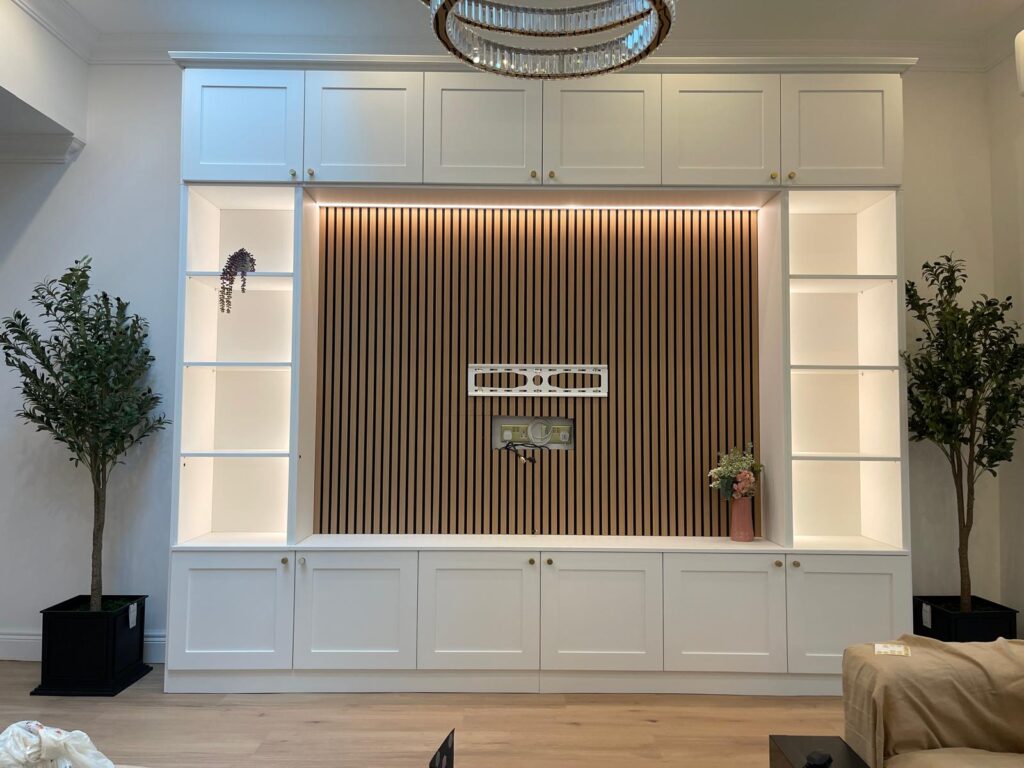
In living rooms, shelving units work best when they frame a focal point instead of competing with it. If they sit beside a television, keep the shelves slightly shallower and use a mix of open and closed sections to avoid visual noise. Many clients searching for shelving units also look at TV media walls, because the shelf layout has to support both display and cable concealment. A clean cable route is usually worth more than an extra shelf level.
Home offices and utility spaces
For storage shelving for home office use, set a capacity target before designing the layout. If the shelves will hold lever-arch files, printer paper, or archive boxes, the bay width and shelf span should be planned around regular items, not decorative props. In practical terms, a shelf that sags by even a few millimetres over time can make a room feel poorly built. That is why strong fixing, correct board thickness, and measured spacing matter more than decorative detail in work zones.
Make shelving units look built-in, not bolted on
A shelving unit looks more expensive when it connects cleanly to the architecture. Align the top line with nearby door frames, cornices, or window heads where possible. Use end panels that match surrounding joinery, and avoid awkward gaps at the ceiling unless there is a deliberate reason to leave them. This is where bespoke shelving for alcoves often outperforms standard furniture, because the final effect reads as part of the room rather than as separate storage.
Styling rule: leave breathing room
Too many shelves become visual clutter. As a rule, leave at least 30 percent of the shelf surface open, especially on display shelves. Mix books, baskets, and a few vertical objects so the eye has a rhythm to follow. If a shelf is doing double duty as storage and display, keep the lower levels more functional and the upper levels more visual. That balance makes shelving units easier to live with and easier to keep tidy over time.
Mini-case: a small team home office with limited wall space
A B2B SaaS team member working from home needed more storage without crowding a narrow room. The original setup used a single freestanding unit that took up floor area and blocked part of the radiator. After changing to wall mounted shelving units and a low closed cabinet, the usable floor width improved by an estimated 20 to 25 percent, based on the room proportions. The key lesson was that storage capacity and circulation should be measured together, not separately.
Common mistakes and the fixes that save time
The most common mistake with shelving units is choosing a layout before measuring the use case. The second is underestimating fixing requirements, especially on plasterboard or older masonry. Another frequent issue is forgetting that shelf height should match the objects being stored. The fix is to plan from the largest item first, then work backwards. If books, baskets, or boxes do not fit cleanly, the shelves will still work on paper but fail in daily use.
Compare bespoke and off-the-shelf carefully
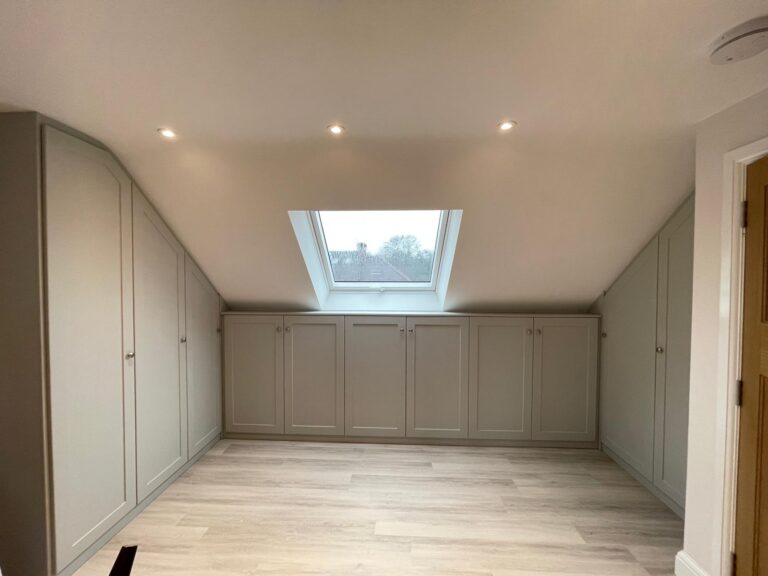
If your priority is speed and lower upfront cost, off-the-shelf shelving units can be the right move. If your priority is fit, finish, and value per square metre, bespoke shelving usually wins. The comparison is not just price versus price. A standard unit may be cheaper on day one but leave unusable gaps, especially in an alcove or under a sloped ceiling. For homeowners who want long-term storage, bespoke fitted furniture often delivers better space efficiency and a cleaner visual result.
When to choose bespoke fitted shelving
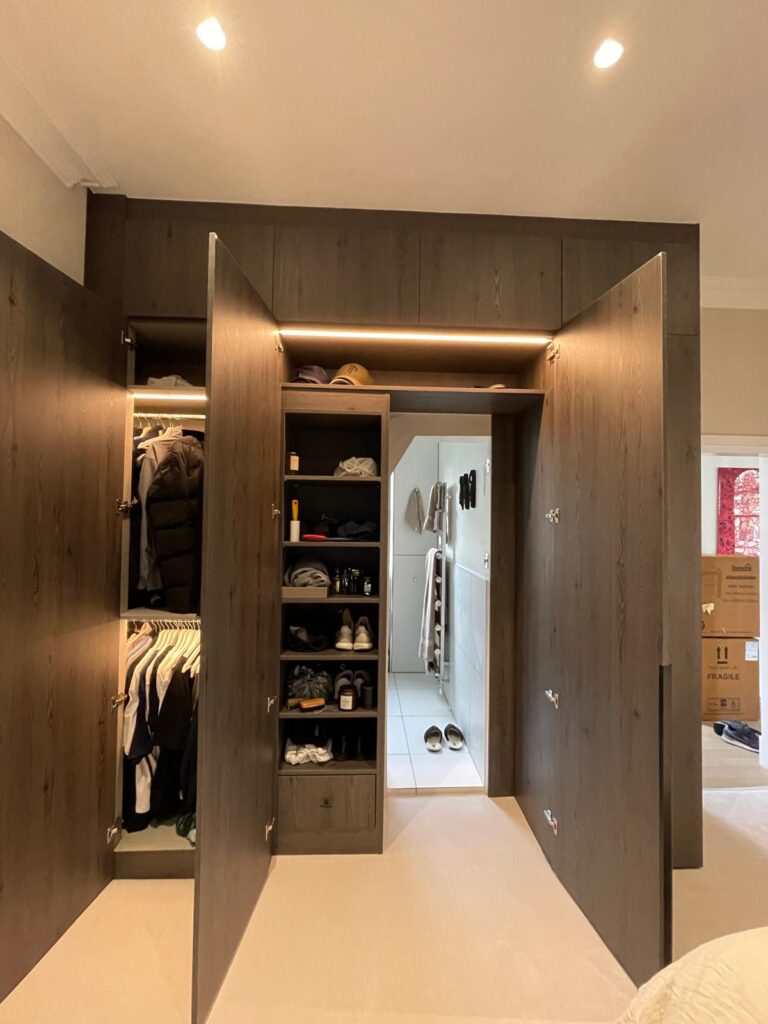
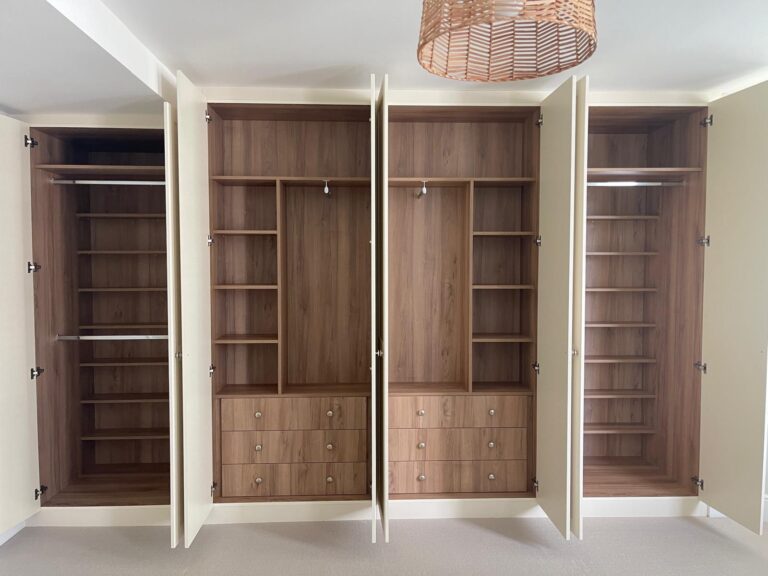
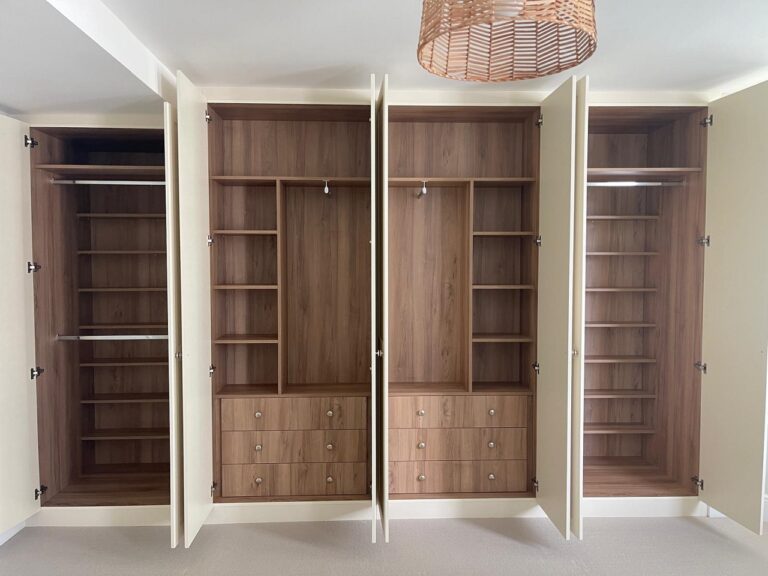
Choose bespoke fitted shelving when the room has irregular dimensions, when you want the shelving to match the rest of the joinery, or when the storage need is specific enough that generic furniture wastes space. It is also the better route if you want a cohesive design across multiple rooms, such as matching shelves, cupboards, and wardrobe fronts. If you are exploring built wardrobes or awkward spaces, the same design logic applies: the room should dictate the furniture, not the other way around.
Quick takeaways
Shelving units work best when the format matches the room, not when the style is chosen first. Measure width, height, depth, and fixing points before you decide on a layout. Keep shelf depth aligned to what you will store, because deeper is not always better. In alcoves and tight rooms, bespoke shelving usually gives the cleanest result and the highest usable capacity. For living rooms and offices, a balanced mix of open and closed storage keeps the room practical and calm.
Use local design support when accuracy matters
If you want shelving units that feel integrated rather than added later, a design visit is worth the time. A designer can check wall conditions, room proportions, and the best shelf span before anything is made. For UK homeowners, that is especially useful in period properties where walls, skirting, and ceiling lines can vary. If you want to compare options, it is sensible to book a virtual consultation first, then move to an in-person visit when the measurements are nearly final. Finest Furniture Studio is a practical place to start if you want bespoke fitted wardrobes, shelving, and other fitted furniture designed around your space.
Conclusion
Well-planned shelving units do more than add storage. They improve how a room functions, reduce visual clutter, and make awkward areas feel intentional. The strongest results usually come from measuring properly, choosing the right format, and matching shelf depth to the items you actually own. That is why the best shelving units are rarely the cheapest or the most decorative, they are the ones that solve the room cleanly. If your current setup wastes wall space, creates clutter, or never quite fits the way you live, it is worth reviewing the layout now rather than waiting for the problem to get worse.
Frequently Asked Questions
What are shelving units used for in a home?
Shelving units are used to store, display, and organise items in rooms such as bedrooms, living rooms, and home offices. In practice, they work best when the shelf depth and spacing match the objects being stored, whether that is books, baskets, or décor.
Are bespoke shelving units better than standard ones?
Bespoke shelving units are usually better when the room has awkward dimensions, alcoves, or a sloped ceiling. They give you a cleaner fit and better space efficiency, which is why many people compare bespoke shelving for alcoves with off-the-shelf furniture before buying.
How deep should shelving units be?
The right depth depends on what you plan to store. For books, 250 to 300 mm is often enough, while display or mixed storage may need 300 to 350 mm. Going deeper than that only makes sense if you have a specific use, such as boxes or files.
What is the best material for shelving units?
MDF is common for painted fitted shelving because it gives a smooth finish and is easy to match to joinery. Veneered boards and solid timber can work well too, but the best choice depends on load, budget, and whether you want modern shelving solutions or a warmer furniture-style finish.
How do I measure for shelving units correctly?
Measure width, height, and depth at multiple points, then check for sockets, skirting boards, and door swings. A measuring guide is useful here because older homes often have uneven walls, and accurate measurements reduce installation problems later.
Can shelving units work in awkward spaces?
Yes, shelving units are often one of the best solutions for awkward spaces because they can be shaped around alcoves, corners, or sloped ceilings. Built-in shelving or wall mounted shelves usually perform better than freestanding units in these layouts.
How quickly can fitted shelving units be installed?
Installation time depends on design complexity, wall conditions, and finish, but a fitted project is usually quicker when the measurements are final and the layout is simple. If you are comparing storage shelving for home office or living room use, it helps to confirm the schedule during the design visit so expectations are clear.