
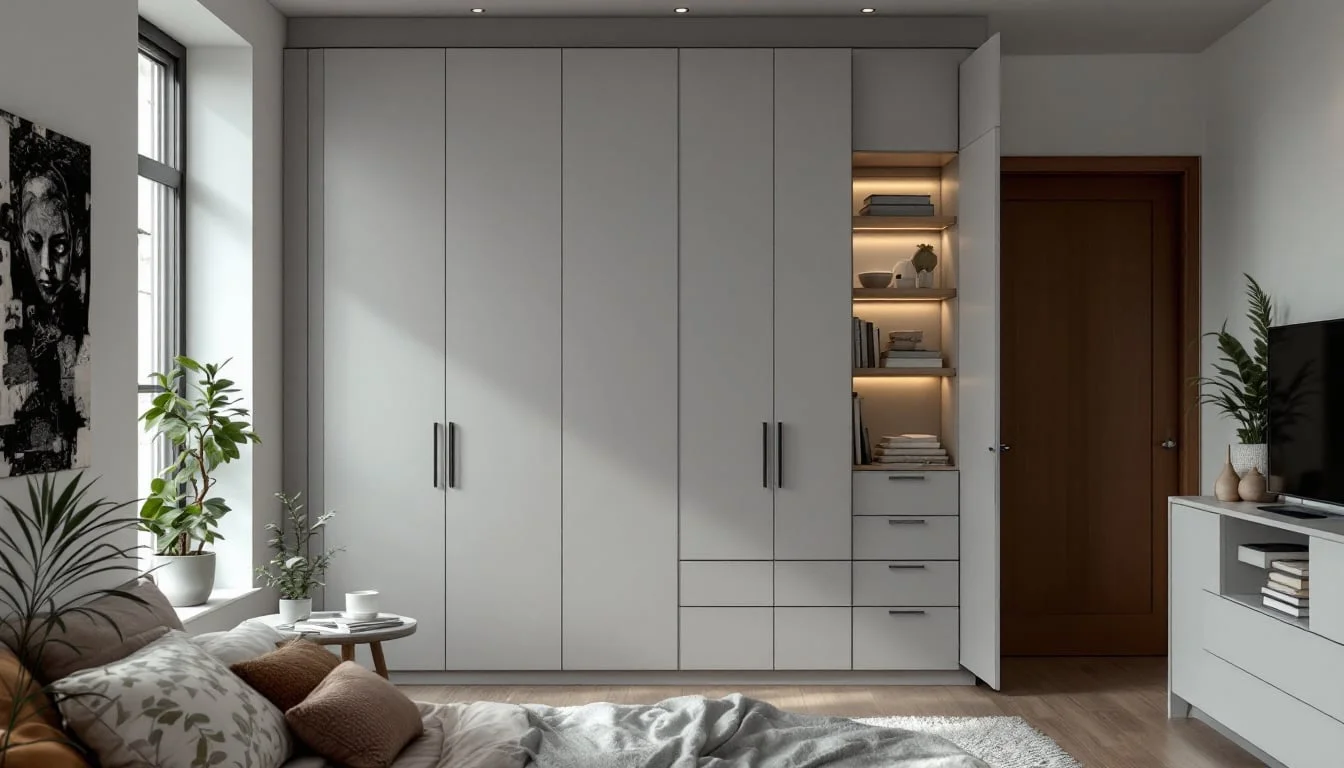
What wardrobe stoke usually means
If you searched for wardrobe stoke, you are probably trying to work out whether it is a local wardrobe service, a style reference, or a typo that still needs a useful answer. In practice, people using this phrase usually want guidance on fitted wardrobes, wardrobe doors, and the next step toward a better storage layout. The safest way to approach wardrobe stoke is to treat it as a search for a wardrobe solution that fits the room, the budget, and the way you actually live. That means looking beyond finish samples and focusing on measurements, access, storage mix, and installation timing.
How the best wardrobe searches are structured
Most ranking pages for wardrobe queries follow the same pattern: they explain fitted wardrobe options, show door styles, outline benefits, and end with a quote or design enquiry. That structure works because it matches how people decide. First, they need to know the difference between sliding wardrobes, hinged doors, and built-in cupboards. Then they want practical detail on materials, room fit, and lead times. For wardrobe stoke, the strongest content should do the same, but with more emphasis on real-world constraints such as awkward alcoves, sloped ceilings, and fitting access.
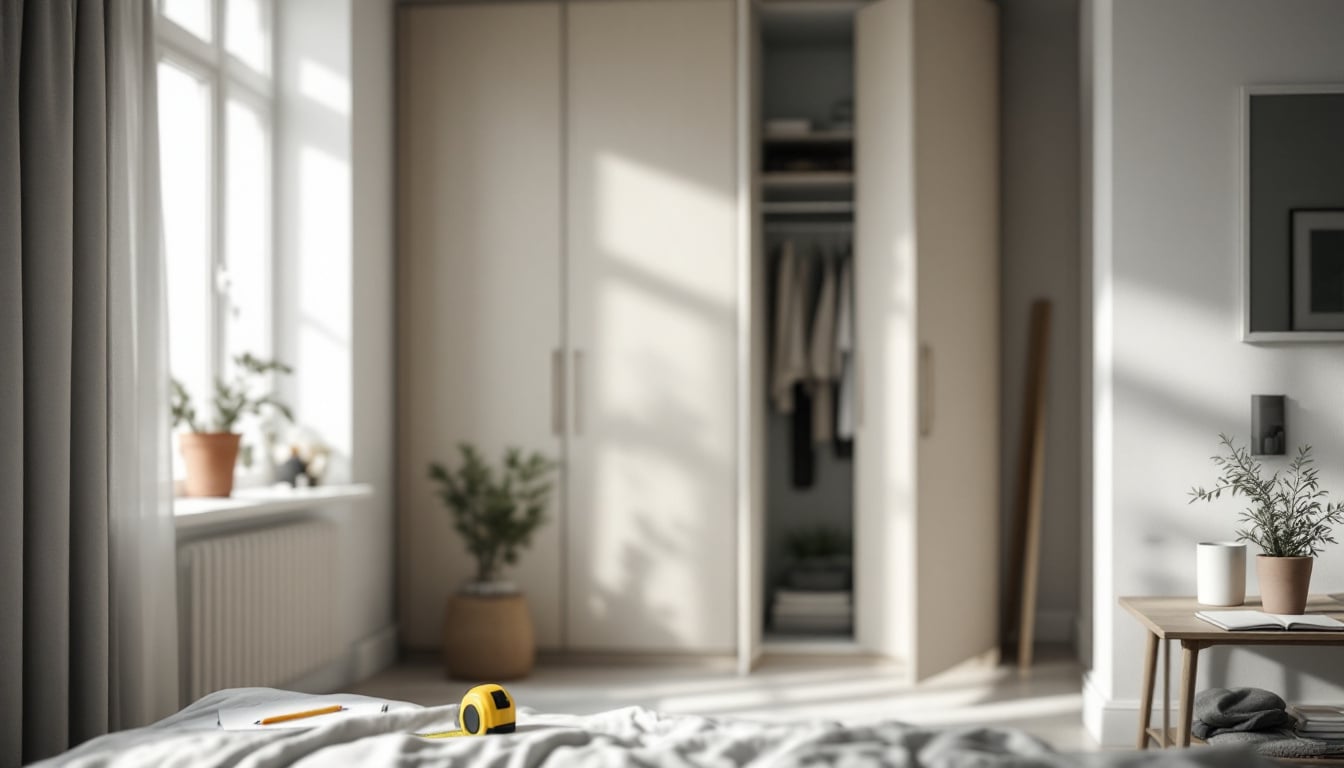
Choose the wardrobe type before you choose the finish
A common mistake is to start with colour. A better order is room shape, opening type, then finish. If the room is narrow, sliding doors may save walking space, while hinged doors can make sense where full access matters. For loft wardrobes or sloped cupboards, the structure usually matters more than the door style. As a rule, if you need 100 percent visibility into every shelf and hanging rail, hinged doors win. If you need cleaner circulation in a tight bedroom, sliding doors are often the better trade-off.
The main layout decisions that affect daily use
The layout should reflect what you store most often, not what looks balanced on paper. A practical fitted wardrobe usually starts with one hanging zone, one shelf zone, and one drawer zone, then adjusts to the wardrobe’s depth and height. If your clothing is mostly folded, drawer count matters more than a second hanging rail. If you keep long coats or dresses, hanging height becomes the priority. A useful decision rule is simple: dedicate the deepest, most accessible space to the items you use every week, not seasonal storage.
Door styles that change the feel of the room
Door choice has a bigger visual impact than many buyers expect. Flat-panel wardrobe doors create a quieter look and suit smaller rooms where too much detail feels heavy. Shaker-style or framed doors add more character, but they also introduce stronger shadows and a more traditional feel. For wardrobe stoke, it helps to compare door styles against the room’s light level and ceiling height. In darker bedrooms, lighter doors and simpler lines usually read as more spacious. This is one reason wardrobe doors design matters so much in the planning stage.
When bespoke is worth it, and when it is not
Bespoke wardrobes are worth the extra planning when the room has a constraint that standard furniture cannot solve, such as alcoves, uneven walls, pipes, or loft angles. They are less compelling when a room is square, the storage needs are simple, and off-the-shelf furniture already fits without wasted space. The key trade-off is precision versus simplicity. Bespoke design takes more coordination, but it can recover awkward corners and increase usable storage. If your room loses even 15 to 20 centimetres at the edges, fitted furniture often becomes the cleaner long-term choice.
A quick measuring workflow that avoids costly errors
Before you commission anything, measure width at the top, middle, and bottom, then record height on both sides as well as the centre. Walls are rarely perfectly square, and those differences affect how doors sit and how carcasses are installed. Add note labels for skirting boards, sockets, radiators, and any ceiling slope. A practical workflow is to sketch the room, mark every obstacle, and photograph each wall with a tape measure in place. That gives a fitter or designer far more usable information than a single room width.
What to check in a fitted wardrobe quote
A quote should make it clear what is included and what is not. Look for carcass materials, door finish, internal fittings, removal of old furniture, delivery, installation, and any remedial work required for walls or floors. If a quote is vague on these points, compare it cautiously with one that is itemised. The cheapest number can become the most expensive option if extras appear later. For wardrobe stoke, a better comparison is total delivered and fitted value, not just the headline price.
Material and finish choices that hold up in real use
A wardrobe has to survive repeated handling, cleaning, and humidity changes. That is why material thickness, edge finishing, and hinge quality matter just as much as colour. Laminate and painted finishes offer different trade-offs: laminate is generally easier to maintain, while painted surfaces can feel more bespoke but may show wear more clearly if abused. If the room gets strong daylight, choose finishes that can tolerate repeated exposure without looking patchy. If you want a warmer look, wood effect or textured panels can soften a very plain bedroom.
How internal storage should be planned
Internal storage should be planned around categories, not just symmetry. Start by separating long hanging, short hanging, folded clothing, accessories, and seasonal items. Then decide how much of each category needs daily access. A good ratio for many bedrooms is one third hanging, one third shelves, and one third drawers or mixed storage, but that is only a starting point. If you own many suits, dresses, or coats, the hanging share rises. If you prefer folded storage, drawer depth and shelf spacing become more important than extra rails.
Built-in cupboard and alcove options
Built-in cupboards and alcove storage solve a different problem from a standard wardrobe. They are designed to make awkward space useful rather than simply fill a wall. In a room with chimney breasts, for example, alcove cupboards can create a balanced layout without forcing a bulky freestanding unit into the centre of the wall. The main advantage is efficient use of side space. The main trade-off is permanence, because once built in, the furniture is much harder to move or reconfigure later.
Why installation timing matters more than people think
A smooth wardrobe project depends on timing as much as design. If decorating, flooring, or electrics are still unfinished, installation can be delayed or compromised. The usual sequence is to finish structural work first, then flooring, then decoration, then wardrobe fitting. This reduces the risk of damage and rework. If the site needs a faster turnaround, the installer should confirm what conditions are required before arrival. Some wardrobes can be fitted in 7 to 10 days after sign-off, but only when measurements, materials, and access are all ready.
How to compare sliding doors and hinged doors
Sliding doors are efficient in narrow rooms because they do not swing outward, but they limit how much of the wardrobe you can access at once. Hinged doors open fully, which makes sorting and packing easier, yet they need clear floor space. The decision is usually about room width and usage pattern. If the wardrobe is in a tight bedroom with a bed close by, sliding doors may reduce daily friction. If you need quick access to the entire interior, hinged doors are often the more practical fit.
When a loft wardrobe needs a different approach
Loft wardrobes and sloped cupboards need more than standard units cut down at the end. The slope changes usable height, hanging lengths, and door geometry, so the design has to work from the angle of the ceiling inward. This is where bespoke design earns its keep. A useful test is whether the tallest section still leaves comfortable clearance for opening doors and pulling out drawers. If not, the layout needs to be rebalanced before manufacture, not after fitting.
A practical way to shortlist wardrobe door designs
Shortlisting wardrobe doors design options becomes much easier when you score each design against four factors: room size, light level, style preference, and cleaning effort. A highly detailed door may look great in a showroom, but it can feel busy in a compact room. A smooth, simple door may seem plain in isolation, yet it often looks more expensive once installed across an entire wall. If you are torn between options such as Aldridge, Ashford, Austin, Buxton, Cambridge, Carlton, Carrick, Chester, Elland, Euroline, Harlem, or Helmsley styles, compare the profiles against the actual room rather than the brochure.
What to ask before you place an order
Before you commit, ask how measurements are verified, how lead times are handled, what warranty is included, and whether aftercare is available if a door needs adjustment. These questions reveal whether the process is controlled or improvised. It also helps to ask what happens if the wall is out of true or if the floor is not level. The best providers discuss those issues up front. For wardrobe stoke, that conversation is often the difference between a neat fit and a wardrobe that looks slightly off from day one.
Quick Takeaways
Wardrobe stoke is best treated as a search for a fitted storage solution, not just a style choice. Measure the room carefully, including slopes, skirting, sockets, and wall variation, before you compare designs. Choose the wardrobe type first, then the door style and finish, because the room shape drives the real decision. Bespoke wardrobes make the most sense where standard furniture wastes space or cannot handle awkward geometry. A clear quote should list materials, fittings, installation, and aftercare. If you need a faster project, ask whether fitting can happen in 7 to 10 days after approval.
How wardrobe stoke fits into a fuller home-storage plan
A wardrobe rarely works in isolation. If you are planning a bedroom refresh, the wardrobe should sit alongside other storage choices such as TV media walls, alcove cupboards, or built-in cupboard solutions so the room feels intentional rather than pieced together. The useful insight here is sequence: decide the biggest fixed element first, then let the smaller items follow. That reduces mismatched finishes and makes the room easier to live with over time. It also helps when you want wardrobe doors design to coordinate with the rest of the space.
Why warranties and fitting standards deserve attention
Warranty length is not just a marketing line, because it shows how much confidence the maker has in the fitting and materials. A 10-year warranty signals that the wardrobe should be built and installed to a standard that can handle everyday use, not just look good on delivery day. Still, read what the warranty covers. It may protect the structure and fittings but not normal wear, accidental damage, or post-install changes to the room. The practical question is whether the warranty matches how long you expect to keep the furniture in place.
What to do next if wardrobe stoke is your starting point
If wardrobe stoke is the phrase that brought you here, the next step is simple: map the room, decide the wardrobe type, and compare a short list of styles against the actual dimensions. That gives you a realistic starting point before you speak to a designer or request a quote. When you are ready, review the available wardrobe doors design options and then check whether bespoke wardrobes, sliding doors wardrobes, or sloped cupboards are the best fit for the room. If you want a made-to-measure route, a site like Finest Furniture Studio can help you move from rough idea to fitted plan without guessing.
Frequently Asked Questions
What does wardrobe stoke mean?
Wardrobe stoke is not a standard product term, so people usually use it while searching for wardrobe solutions, fitted wardrobes, or local design help. If you are trying to compare options, focus on room measurements, storage needs, and wardrobe doors design rather than the phrase itself.
Is wardrobe stoke a good search for fitted wardrobes?
Yes, if your real goal is to find fitted wardrobes or bespoke wardrobes that suit a specific room. The most useful next step is to check whether your space needs sliding doors wardrobes, hinged doors, or sloped cupboards.
How do I measure before ordering wardrobe stoke solutions?
Measure width at the top, middle, and bottom, then record height on both sides and in the centre. Also note skirting boards, sockets, radiators, and sloped ceilings, because those details affect fitted wardrobe design and installation accuracy.
What should be included in a wardrobe quote?
A proper quote should include materials, internal fittings, door style, delivery, fitting, and any preparation work. If you are comparing wardrobe stoke options, ask whether the price covers site checks, adjustments for uneven walls, and aftercare.
Are bespoke wardrobes worth it for smaller rooms?
Often yes, because bespoke wardrobes can use awkward corners, alcoves, and loft angles that standard furniture misses. For smaller rooms, made-to-measure wardrobes usually give better storage efficiency than freestanding units, especially when floor space is limited.
How fast can wardrobe fitting happen?
Some providers mention fitting in 7 to 10 days once measurements and design approval are complete. The real timing depends on room readiness, chosen finishes, and whether the installation needs extra preparation for uneven walls or floors.
What wardrobe style works best in a narrow bedroom?
Sliding doors wardrobes usually work well in narrow rooms because they do not need swing clearance. If you need full access to the interior, hinged doors may still be better, but they require more floor space.

