

A premium furniture finish is defined as a protective and decorative coating applied to wood or engineered board to enhance both its appearance and its lifespan. Choosing the right finish is the single most consequential decision in any bespoke furniture project, whether you are specifying a fitted wardrobe in Richmond, a TV media wall in Fulham, or a walk-in closet in Chelsea. This guide to selecting premium furniture finishes covers the four principal coating types, their drying and curing characteristics, how to match sheen levels to your lighting conditions, and how to maintain each finish over time. Finest Furniture Studio works with these finishes daily, and the guidance here reflects real project experience across London.
What are the main types of premium furniture finishes?
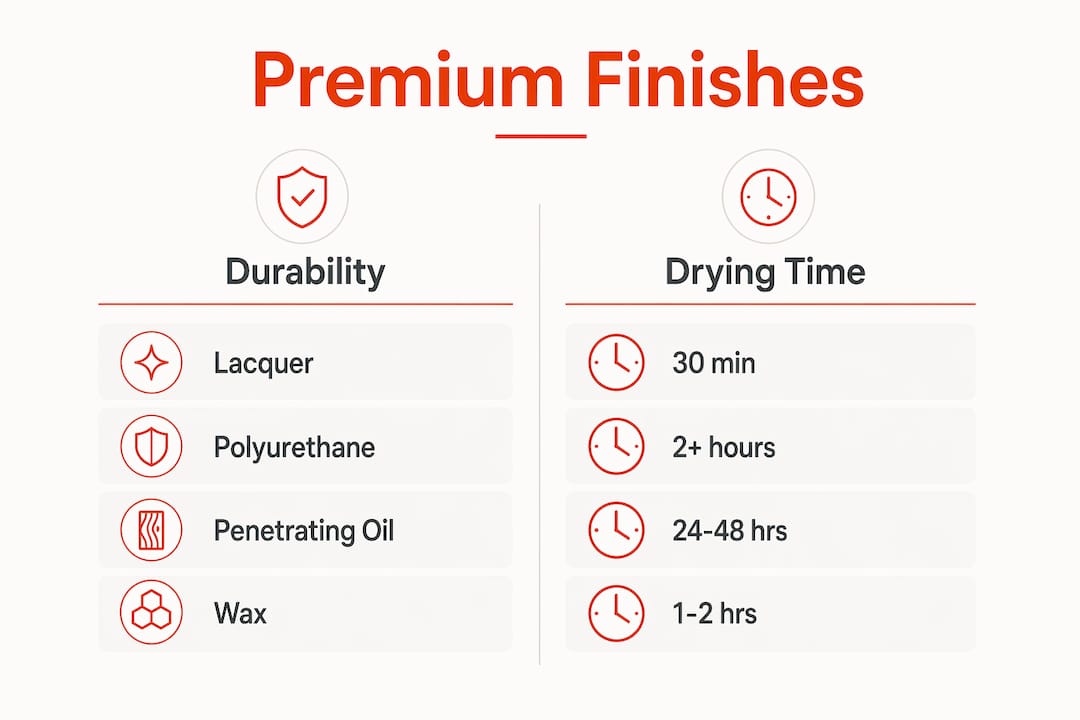
The four finishes that dominate premium bespoke furniture are lacquer, polyurethane, penetrating oil, and wax. Each has a distinct chemistry, a different durability profile, and a different maintenance demand. Understanding these differences is the foundation of any sound furniture finish guide.
Lacquer
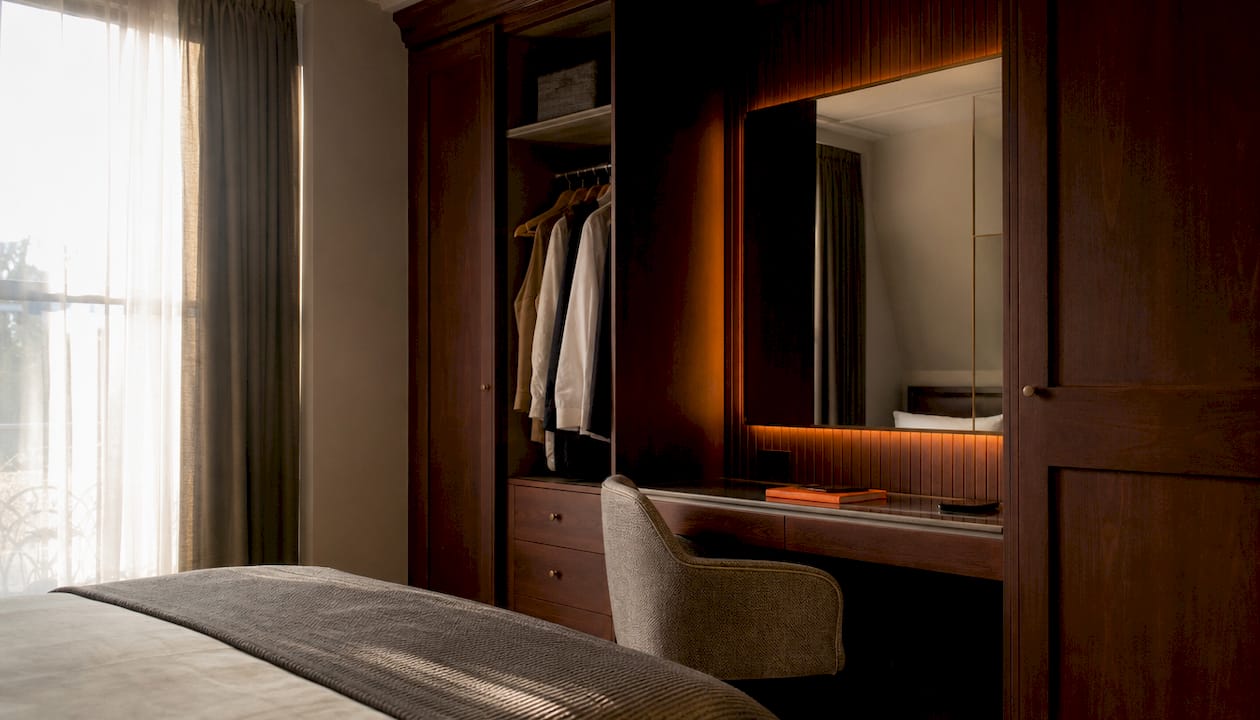
Lacquer dries in approximately 30 minutes, making it the fastest option for decorative indoor furniture. That speed is an advantage during manufacture, but it also means the surface can trap dust if the workspace is not properly controlled. Lacquer produces a crisp, glossy sheen that suits modern fitted wardrobes and media walls beautifully. Its weakness is heat and alcohol resistance: a wine glass left on a lacquered surface can leave a white ring within minutes.
Polyurethane
Polyurethane suits high-traffic surfaces such as dining tables and home office desks because it forms a hard, plastic-like film that resists water, scratches, and everyday wear. It is available in water-based and oil-based variants. Water-based polyurethane dries quickly, produces low odour, and does not yellow, which makes it the preferred choice for modern, light-coloured interiors. Oil-based polyurethane penetrates more deeply and enriches the wood’s tone, making it well suited to darker, traditional schemes.
Penetrating oils
Penetrating oils enhance the natural grain and dry in 24–48 hours, but they offer only medium durability. They do not form a surface film; instead, they soak into the wood fibres. This gives the piece a tactile, natural feel that many homeowners prefer for bedroom furniture and display cabinets. The trade-off is ongoing maintenance: oils require periodic reapplication to stay effective.
Wax finishes
Wax dries in 1–2 hours and delivers a soft, traditional look that suits period properties and Shaker-style fitted wardrobes. Its durability is the lowest of the four types, and it needs frequent buffing to maintain its sheen. The advantage is repairability: a scratched or dull area can be spot-treated without refinishing the entire piece.
Finish comparison at a glance
| Finish type | Durability | Drying time | Best use | Maintenance |
|---|---|---|---|---|
| Lacquer | Medium | ~30 minutes | Decorative indoor furniture, wardrobes | Occasional recoating |
| Polyurethane | High | 6–24 hours | Dining tables, desks, high-traffic pieces | Periodic recoating |
| Penetrating oil | Medium | 24–48 hours | Bedroom furniture, display cabinets | Regular reapplication |
| Wax | Low | 1–2 hours | Period pieces, Shaker wardrobes | Frequent buffing |
Pro Tip: If you are specifying a finish for a fitted wardrobe in a busy family home in Wimbledon or Kingston, polyurethane or lacquer will save you significant maintenance time compared with oil or wax.
How do you select the right finish for your furniture?
Selecting the right finish depends on three factors: how the piece will be used, where it will sit in the room, and what aesthetic you want to achieve. Getting all three right is what separates a cohesive, professional interior from one that looks unplanned.
Assess the furniture’s purpose first
A dining table in a Chelsea townhouse takes daily punishment from plates, glasses, and cleaning cloths. Polyurethane is the correct choice there. A decorative display cabinet in a Barnes sitting room, touched rarely and never exposed to moisture, is an ideal candidate for penetrating oil or wax, where the natural feel of the wood matters more than hard-wearing protection. Fitted wardrobes and loft wardrobes occupy a middle ground: they need a finish durable enough to resist daily handling of doors and drawers, but the aesthetic must also integrate with the bedroom’s overall palette.
Match sheen level to your lighting conditions
Sheen level is one of the most underestimated variables in choosing high-quality furniture finishes. A 1–2% sheen level, such as ultra-matt, absorbs light and hides surface imperfections, particularly under harsh artificial lighting or side-raking natural light. This matters enormously in London homes where north-facing rooms receive cool, directional light that exposes every roller mark and grain inconsistency. Higher sheen levels, from satin through to high gloss, reflect light and create a sense of depth and space, which works well in larger rooms or on media walls where visual impact is the goal.
Consider the following when choosing sheen:
- Ultra-matt (1–2% sheen): hides imperfections, ideal for north-facing bedrooms and loft conversions
- Satin (20–40% sheen): balances warmth and practicality, the most versatile choice for fitted wardrobes
- Semi-gloss (50–70% sheen): adds visual depth, suits alcove wardrobes and media walls in well-lit rooms
- High gloss (85%+ sheen): maximum reflectivity, best reserved for statement pieces or feature panels
Consider maintenance demands alongside aesthetics
Harder finishes such as polyurethane and lacquer allow easy cleaning with a damp cloth and resist stains and scratches, reducing the time you spend on upkeep. Natural oils offer a richer, more tactile look but demand ongoing care. For a busy household in Putney or Ealing with children and pets, the practical argument for a hard film finish is strong. For a low-traffic guest bedroom or a design-led interior in Chiswick where the natural wood aesthetic is central to the scheme, oil or wax may be worth the extra maintenance effort.
Pro Tip: When specifying finishes for fitted wardrobes and TV media walls in the same room, use the same sheen level across both pieces. Mismatched sheens create visual tension that no amount of styling can resolve. See our fitted wardrobe finish guide for coordinated options.
How do you apply premium furniture finishes correctly?
Correct application is where many otherwise good finish choices fail. The process has four stages: preparation, application, layering, and curing. Skipping or rushing any stage produces a result that looks poor and wears badly.
Step-by-step application process
-
Prepare the surface. Sand the wood progressively through 120, 180, and 240 grit paper. Remove all dust with a tack cloth or vacuum. Work in a clean, dry space with good ventilation and a stable temperature. Moisture in the wood or the air causes adhesion failure in lacquer and polyurethane.
-
Choose your application method. Brushing suits oils and waxes, where working the product into the grain is the goal. Spraying delivers the most even lacquer coat and is the method used in professional cabinet manufacture. Wiping with a lint-free cloth works well for oil-based finishes and produces a controlled, thin coat.
-
Apply thin coats. Over-application is the most common mistake. A thick coat traps solvents, bubbles, and sags. Two or three thin coats, sanded lightly between each with 320 grit paper, produce a far superior result than one heavy coat.
-
Allow full curing before use. Lacquer and varnish can take up to 7 days to cure fully, even though they feel dry to the touch within 2–24 hours. Placing objects on a lacquered surface before full cure causes indentations and marks that are difficult to remove. This is a critical point for fitted wardrobe installations: the doors should not be loaded with clothing until the finish has cured completely.
-
Protect the cured surface. Apply a maintenance coat or wax topcoat according to the finish manufacturer’s schedule. Keep records of the finish used so that future recoating uses a compatible product.
Application summary table
| Stage | Action | Typical time |
|---|---|---|
| Surface preparation | Sand to 240 grit, remove dust | 1–3 hours |
| First coat application | Brush, spray, or wipe thin coat | 30 minutes |
| Drying between coats | Allow full drying before sanding | 30 minutes to 24 hours |
| Final coat | Apply and allow to dry | 30 minutes to 24 hours |
| Full curing | Do not load or stress the surface | Up to 7 days |
Pro Tip: Temperature and humidity affect drying times significantly. Apply finishes in a space between 15°C and 25°C with relative humidity below 70%. A dehumidifier in a London basement workshop makes a measurable difference to finish quality.
How do you maintain premium furniture finishes over time?
Finish choice dictates maintenance level: harder finishes mean easier upkeep, while natural oils offer a richer look but need ongoing care. Knowing the maintenance schedule for your chosen finish before you commit to it prevents disappointment later.
Routine cleaning by finish type
- Lacquer: wipe with a slightly damp, lint-free cloth. Avoid alcohol-based cleaners, which dissolve the finish. Never use abrasive pads. For fitted wardrobes in Hammersmith or Twickenham homes, a weekly wipe-down keeps lacquered doors looking new.
- Polyurethane: clean with a damp cloth and a mild, pH-neutral detergent. Polyurethane resists most household chemicals, but prolonged exposure to standing water at joints can cause lifting over time.
- Penetrating oil: penetrating oils require regular reapplication, typically once or twice a year depending on use. Clean with a dry or very slightly damp cloth. Avoid water pooling on oiled surfaces.
- Wax: buff with a soft cloth monthly to maintain sheen. Reapply a thin wax coat every six months or when the surface begins to look dull. Wax is the most forgiving finish for spot repairs on period furniture in Barnes or Wimbledon properties.
Protecting finishes from common damage
Heat, alcohol, and sharp objects are the three principal threats to any furniture finish. Lacquer is particularly vulnerable to both heat and alcohol. Use coasters, heat mats, and felt pads under decorative objects as standard practice. For TV media walls, where electronics generate sustained heat, polyurethane or a specialist heat-resistant lacquer is the correct specification. You can find detailed care routines for each finish type in our sustainable furniture guide, which covers long-term maintenance for bespoke London interiors.
Recoating schedules
Recoating intervals vary considerably by finish type and by the intensity of use. Lacquered wardrobe doors in a low-traffic guest bedroom may need recoating only once every several years. Oiled dining furniture in a busy family kitchen may need a fresh oil coat twice a year. Keeping a simple record of the finish product, the date of application, and the sheen level used makes future maintenance straightforward and ensures compatibility between coats.
Key takeaways
Selecting the right furniture finish requires matching the coating type to the piece’s use, the room’s lighting, and the household’s maintenance capacity.
| Point | Details |
|---|---|
| Match finish to use | Polyurethane suits high-traffic pieces; oil and wax suit low-use decorative furniture. |
| Sheen level affects perception | Ultra-matt at 1–2% sheen hides imperfections; higher sheens add depth in well-lit rooms. |
| Curing time is non-negotiable | Lacquer and varnish require up to 7 days of full curing before the surface can be used safely. |
| Coordinate finishes across pieces | Using the same sheen level on wardrobes and media walls creates a cohesive, professional interior. |
| Maintenance varies by finish | Hard film finishes need only occasional recoating; penetrating oils require reapplication once or twice a year. |
Why finish selection is more than a cosmetic decision
I have worked on bespoke furniture projects across Richmond, Chelsea, Fulham, and Wimbledon for years, and the single most consistent mistake I see is treating the finish as an afterthought. Clients spend weeks choosing timber species, door profiles, and hardware, then select a finish in five minutes based on a small sample chip under showroom lighting. That chip looks nothing like the finished piece in a north-facing bedroom under a grey London sky.
Choosing finishes on a piece-by-piece basis creates a disjointed interior. Finishes interact with light and adjacent materials to create depth and balance across the whole room. A high-gloss lacquered wardrobe next to a matt-painted wall and a satin-finish media wall produces three competing light responses that no eye can settle on comfortably. The room feels busy without any single element being wrong.
My practical advice is to specify all finishes in the room together, not individually. Bring your paint colour, flooring sample, and fabric swatches to the finish selection conversation. Test samples in the actual room at different times of day, because London light shifts dramatically between morning and evening. Selecting finishes as part of a cohesive interior scheme, considering lighting and adjacent materials, is what separates a professional result from an amateur one.
The other point I make consistently to clients is about curing time. A fitted wardrobe installed on a Monday is not ready for full use by the following weekend if it has been lacquered on site. The finish feels dry, the doors operate smoothly, and everything looks perfect. But the film has not reached its full hardness. Load it with heavy coats and bags before the seven-day cure is complete, and you will see indentations in the door edges within weeks. Patience at this stage protects a significant investment.
For London homeowners considering a luxury furniture investment, the finish is not decoration. It is the primary defence against daily wear, and it deserves the same level of thought as every other specification decision.
— Aureliu
Finest Furniture Studio: bespoke finishes for London homes
Finest Furniture Studio designs and installs bespoke fitted wardrobes, TV media walls, and walk-in closets across Richmond, Wimbledon, Putney, Chelsea, Fulham, Chiswick, Kingston, Ealing, Twickenham, and Barnes. Every project includes a personal design consultation where finish selection is treated as a core part of the specification, not a final checkbox.
We offer a 10-year quality guarantee on all fitted furniture, with installation completed within 7–12 days. We also remove and dispose of your existing wardrobe as part of the service. Whether you are choosing between a satin lacquer and a matt polyurethane for a bespoke wardrobe in West London or specifying a heat-resistant finish for a media wall with integrated fireplace, our team brings the experience to get it right. Contact us for a free design visit: call or WhatsApp 07468 150807, or visit us at 124 City Road, Kemp House, London, EC1V 2NX.
FAQ
What is the most durable finish for furniture?
Polyurethane is the most durable standard furniture finish, forming a hard, water-resistant film that suits dining tables, desks, and high-traffic fitted furniture. It resists scratches, stains, and most household chemicals better than lacquer, oil, or wax.
How long does lacquer take to cure fully?
Lacquer feels dry to the touch within 30 minutes but requires up to 7 days to cure fully. Loading or stressing a lacquered surface before full cure causes permanent indentations and marks.
What sheen level should I choose for a fitted wardrobe?
Satin sheen, typically in the 20–40% range, is the most practical choice for fitted wardrobes. It balances durability and aesthetics, hides minor surface variations, and coordinates well with most paint and flooring finishes in London bedrooms.
Can I use the same finish on a wardrobe and a media wall?
Yes, and doing so is strongly recommended. Matching the finish type and sheen level across fitted wardrobes and TV media walls in the same room creates visual cohesion. Mismatched sheens create competing light reflections that make the room feel unresolved.
How often do penetrating oils need reapplying?
Penetrating oils typically require reapplication once or twice a year, depending on how heavily the piece is used. Oiled dining furniture in daily use needs more frequent treatment than an oiled display cabinet in a low-traffic room.

