
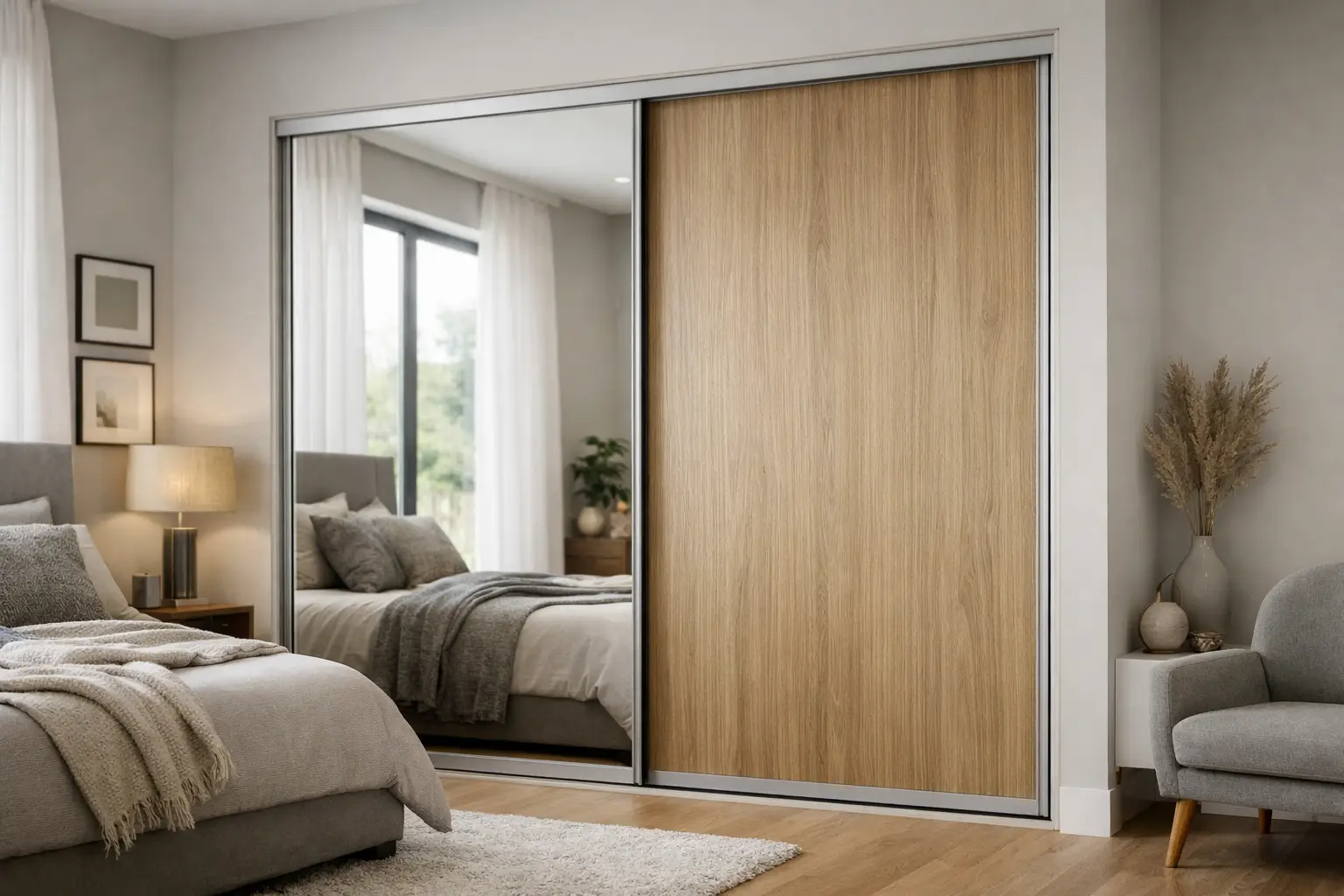
A beautiful wardrobe can still feel frustrating if the doors are wrong. That is why any proper sliding wardrobe door review needs to look beyond finishes and first impressions. The real test is how the doors move, how they sit within the room, and whether they make everyday use feel easier rather than more awkward.
For many homeowners, especially in bedrooms where every centimetre matters, sliding doors are the practical choice. They avoid the swing space of hinged doors, create a cleaner visual line, and suit everything from contemporary loft conversions to elegant Victorian homes with awkward alcoves. Still, not every sliding system deserves the same praise. Some look impressive on day one and become noisy, stiff or misaligned far too quickly.
Sliding wardrobe door review – what actually matters
If you are comparing options, start with the mechanism rather than the surface. The track system is the part you live with every day. A well-made sliding wardrobe should glide smoothly, feel stable in motion, and close without rattling. Cheap rollers often reveal themselves quickly. The movement becomes jerky, the alignment shifts, and the doors can feel surprisingly flimsy even when the panels themselves look attractive.
Door weight matters too. Heavier mirrored or glass-fronted panels need a stronger running system and proper installation. When the engineering is right, the extra weight creates a reassuring, premium feel. When it is not, those same doors can become a maintenance issue. This is one of the main differences between an off-the-shelf solution and a well-designed fitted wardrobe.
Then there is the frame. Slim aluminium frames tend to suit modern interiors and give a crisp, architectural look. Chunkier profiles can work well in more traditional spaces, but they need to feel deliberate rather than dated. In a smaller bedroom, overly heavy framing can make the wardrobe dominate the room. In a larger main bedroom, a more substantial frame may help the design feel balanced.
Style versus function is not really a choice
Homeowners often think they must prioritise either appearance or practicality. In reality, the best sliding wardrobes do both. A clean run of sliding doors can make a room appear larger and calmer, which is part of their appeal. Mirrored doors bounce light around a darker bedroom, while matt finishes can soften the look of a large fitted wall.
That said, each finish brings trade-offs. Mirrors are excellent for creating brightness and visual space, but they show fingerprints and need regular cleaning. Gloss finishes feel sleek and contemporary, though they can reflect light in a way that highlights dust or marks. Wood-effect panels bring warmth and are often more forgiving in family homes, but the quality of the finish makes all the difference. Poor imitations can cheapen the whole room.
For homes where the wardrobe is a major visual feature, bespoke design usually gives the strongest result. It allows the door finish, frame tone and internal layout to work together rather than looking like separate decisions made at different times.
Where sliding doors work best
Sliding wardrobes are especially effective in bedrooms where clearance is tight. If a bed sits close to the wardrobe, hinged doors can feel inconvenient very quickly. Sliding doors remove that issue and keep movement through the room easier. They also suit loft rooms, alcoves and wall-to-wall installations where a fitted solution can turn difficult architecture into something polished and useful.
In many London homes, that matters more than people expect. Period properties often come with chimney breasts, uneven walls or sloping ceilings, and standard wardrobes rarely sit neatly within those details. A sliding system that is made to measure can create a much cleaner result. It looks intentional, not squeezed in.
There are limits, though. Sliding doors only allow access to part of the wardrobe at one time. For some people, especially those who like to see every section open at once while dressing, hinged doors still have an advantage. This is why the right choice depends on room layout and personal habits, not just design trends.
A practical sliding wardrobe door review of common options
The most budget-friendly sliding wardrobes usually come in standard sizes with basic tracks and a limited finish range. They can work well for spare rooms or simpler spaces where the fit does not need to be exact. The compromise is usually in the motion, the longevity of the hardware, and the way the wardrobe meets the walls, ceiling and floor.
Mid-range options tend to improve on finish quality and offer more attractive panel combinations such as mirror with coloured glass or wood grain with plain matt inserts. These can look very good, but the quality still depends heavily on installation. A decent product fitted poorly can be more disappointing than a simpler one fitted properly.
Bespoke sliding wardrobes sit at the premium end for a reason. They are built around the room rather than forced into it. That means neater lines, better use of internal storage, and a more considered finish overall. It also allows practical details to be resolved early, from soft-close systems to hanging rail heights and drawer placement. For homeowners investing in a bedroom renovation or extension, this usually gives better long-term value than replacing a lower-cost wardrobe a few years later.
The inside matters as much as the doors
A sliding wardrobe door review is incomplete if it ignores the interior. Beautiful doors can hide a frustrating layout. If shelves are too shallow, hanging sections are poorly planned, or drawers interrupt access, the wardrobe will never feel fully successful.
The best interiors are designed around the people using them. Long hanging for dresses and coats, double hanging for shirts and jackets, trays for jewellery, shelving for knitwear, and dedicated shoe storage all make a noticeable difference. In a main bedroom, where daily routines matter, the internal organisation should feel as tailored as the exterior.
This is often where bespoke fitted wardrobes justify their cost. The wardrobe becomes part of how the room functions, not just a place to store clothes.
Cost, value and where to be careful
Price matters, but headline cost alone can be misleading. A cheaper wardrobe may not include proper soft-close runners, stronger tracks, end panels, fillers, or professional fitting. By the time those elements are added or corrected, the saving can shrink.
For a quality fitted sliding wardrobe, value comes from three areas: durability, appearance and use of space. If the wardrobe improves storage, reduces visual clutter and still looks right years later, it earns its place in the budget. This is particularly true in homes where fitted furniture adds to the overall finish of a renovated bedroom.
Still, there is no point paying premium prices for features you do not need. If the room is straightforward and your storage needs are simple, a more modest specification may be perfectly sensible. The key is to spend where it affects daily use – hardware, internal planning and fitting quality – rather than chasing unnecessary extras.
What to ask before choosing a supplier
Before ordering, ask how the doors are made, what the track system is designed to handle, and whether the wardrobe is genuinely made to measure or simply adjusted from standard units. It is also worth asking about fitting timescales, guarantee cover and what happens if floors or walls are uneven.
A strong supplier should be comfortable discussing the detail. They should also be interested in how you use the room, not just the width of the wall. That is usually a sign you are getting design input rather than just a product sale.
At Finest Furniture Studio, this is exactly where bespoke design proves its value. The aim is not simply to install doors that fit, but to create fitted wardrobes that feel natural within the room and practical for everyday living.
Final thoughts on this sliding wardrobe door review
Sliding wardrobe doors are not automatically the best option for every bedroom, but when the room layout suits them and the system is well made, they can transform both storage and atmosphere. They look quieter, work harder in tighter spaces, and often make a bedroom feel more finished.
The smartest choice is usually the one that balances movement, materials, internal layout and installation quality. Get those right, and the wardrobe will not just look good in photographs. It will still feel right on an ordinary Tuesday morning, which is the review that matters most.

