

What a 7 Day Fitting Actually Requires
A 7 day fitting only works when the measurement, design, manufacture, and install stages are already aligned before the crew arrives. The short timeline is not about rushing the work, it is about removing avoidable delays. If you are ordering fitted wardrobes, alcove cupboards, or another bespoke storage solution, the practical goal is simple: make sure every decision that can stall the fitter is settled early. The clearest sign that a 7 day fitting is realistic is a site that is measured properly, accessed easily, and free from last-minute design changes.
Where Delays Usually Start
Most delays come from a small number of avoidable issues, not from the fitting itself. The common ones are unclear dimensions, unfinished walls, awkward access on the day, and late approvals on door styles or internal layouts. A useful rule is to treat the install date as fixed once production starts, then work backward and close every open item before that point. If you need a loft wardrobe, built-in cupboard, or a fitted solution in awkward spaces, the tolerance for uncertainty is lower, not higher.
Why a Fast Fitting Can Still Be Careful
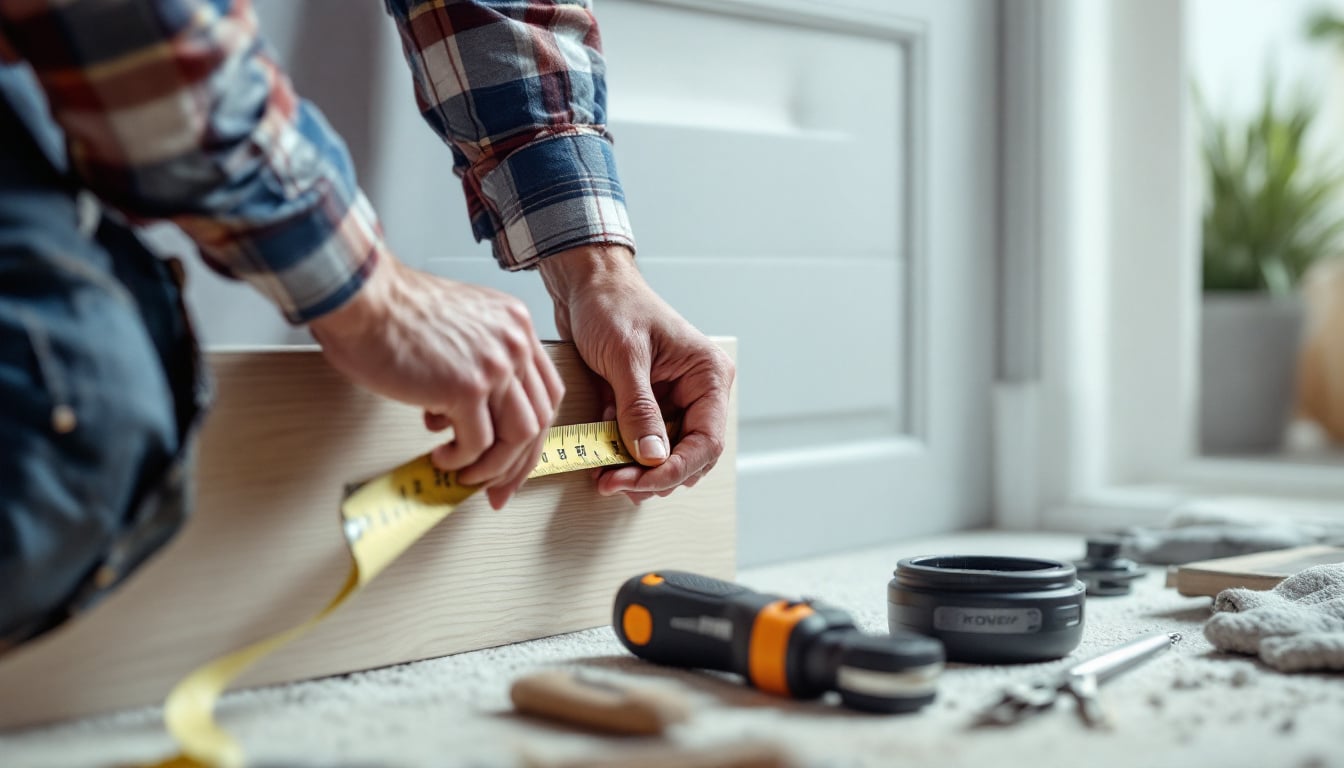
Speed and quality are not opposites when the process is controlled. A 7 day fitting should still allow for checks at each stage, including wall condition, floor level, and scribing for uneven corners. The trade-off is that you need disciplined preparation, not a looser standard. In practice, the best installations are the ones where the installer spends more time solving the space on paper or in measurement notes and less time improvising on the day.
Start With Measurements That Leave No Guesswork
The first step in a smooth 7 day fitting is accurate measuring. If the measurements are off, the whole schedule becomes fragile. Good preparation means checking width, height, depth, skirting depth, ceiling slopes, socket positions, radiator clearance, and any obstructions like pipes or boxing. For made-to-measure wardrobes, even a 5 mm miss can affect how doors close or how neatly panels meet the wall. That is why precise surveying matters more than fast production.
Use a Measurement Checklist, Not Memory
A practical measurement workflow is to record the room from left to right, then top to bottom, and then cross-check the most important clearances. Measure at least three points for width and height in any room that is not perfectly square. Note the smallest figure, not the largest, because fitted furniture has to work in the tightest point. This is especially important for alcove cabinet design and sliding doors wardrobes, where a small error can turn into a visible fit issue.
Confirm the Space Is Installation Ready
Before the fitter arrives, the room should be clear, dry, and structurally ready. Fresh plaster needs time to cure, walls should be sealed if required, and floors should be at a stage where the finished height is known. A simple decision rule is this: if the room still needs messy trades, it is probably too early for a 7 day fitting. The schedule is easier to keep when the room is already at the handover stage, not halfway through renovation work.
Lock the Design Before Manufacture Starts
A 7 day fitting depends on design decisions being final. Door style, handle choice, internal shelving, hanging rails, drawer counts, and finish color all affect production. If you are still comparing options when manufacturing has begun, the lead time can stretch without warning. The best approach is to separate browsing from approving. Once you confirm the design, treat it as locked unless there is a genuine fit or safety issue.
Choose the Layout Around Daily Use
The layout should reflect how you actually use the space, not just how it looks in a drawing. For example, a wardrobe for everyday use needs enough short-hang space, easy-access drawers, and doors that do not clash with bedside furniture. A media wall or home office unit has different priorities, such as cable access and ventilation. When the use case is clear, the design is faster to approve and less likely to be revised halfway through production.
Avoid Changes That Slow the Schedule
The biggest schedule risk is not a complex design, it is a late change to a simple one. Swapping finishes, adding extra drawers, or changing the door mechanism after sign-off often affects material availability and assembly planning. If you want the fitting kept to seven days, keep any optional features on a separate list and decide them before manufacture starts. That keeps the core design stable and makes the install date much easier to protect.
Plan the Room for the Installer’s Access
A 7 day fitting is smoother when the installer can move without obstruction. That means clear access from the entrance to the room, enough space for tools and materials, and no fragile items left in the work area. Installers work faster when they are not moving around furniture, packing away ornaments, or navigating narrow walkways. The goal is not to make the room empty forever, just to create an efficient work zone for the day of installation.
Create a Clear Path to the Work Area
Before installation, check the route from the front door to the room. Tight turns, steep stairs, and low ceilings can all slow a delivery even when the actual furniture fits the room well. If you live in a property with awkward spaces or a loft conversion, measure access as carefully as you measure the wall itself. Many fast installations go smoothly in the room and lose time at the doorway, on the stairs, or around a sharp landing turn.
Protect the Room Without Overcomplicating It
Good protection is practical, not excessive. Floor coverings, dust sheets, and moved-out soft furnishings are usually enough for a clean install. There is no value in leaving the room half-prepped because you were waiting for perfect conditions. A clean, accessible room gives the fitter the best chance of completing the work in sequence, which matters more than making the room look finished before the work begins.
Understand What Happens on the Day
On the fitting day, the sequence usually starts with a final check of dimensions, then positioning, scribing, fixing, and finishing details. A smooth 7 day fitting is rarely one continuous task, it is a series of small fit-and-check steps. That is good news, because it means problems can be caught early. If something does not line up, the installer should be able to adjust it before it becomes a visible issue in the final result.
Expect Some On-Site Adjustment
Even with precise planning, walls are rarely perfectly straight and floors are often slightly out of level. That is normal, and it is one reason bespoke fitted furniture is different from flat-pack assembly. The fitter may need to scribe panels, trim filler pieces, or shim sections for a flush finish. The important thing is not whether adjustment happens, but whether the job includes enough tolerance for it without jeopardizing the schedule.
Check the Finish Before Signing Off
At the end of installation, look at door alignment, drawer action, gap consistency, and how neatly the furniture meets the wall and skirting. Open and close everything twice, not once. If there is a minor adjustment needed, it is usually easier to address immediately than after the room is fully put back together. A quick sign-off checklist reduces callbacks and gives you a clear record of what was completed.
Quick Takeaways
7 day fitting works best when the room, design, and access are prepared before installation day. The shorter the timeline, the less room there is for late changes. Accurate measurements, locked design choices, and a clear work area do more for speed than any shortcut on the day itself. If you are comparing bespoke fitted wardrobes or other fitted furniture options, focus first on process quality, not just the promised timing.
Measure the Room in More Than One Way
Measure at multiple points, not just once, especially in older homes where walls and ceilings are rarely square. Check the smallest width and height, then compare those figures against skirting depth, ceiling slope, and any obstructions. This is the fastest way to avoid a fit problem that shows up only when the panels are on site and the fitting clock is already running.
Make Access Part of the Plan
The fitter needs more than a room that is technically the right size. They also need a workable path, enough space to manoeuvre panels, and a clean area for assembly. If access is tight, mention it early. That one detail can affect scheduling, handling, and the time needed for the job, especially for built-in wardrobes or larger custom units.
When a Fast Fit Is the Right Choice
A 7 day fitting is a strong option when you already know what you want, the room is prepared, and the design does not need endless revision. It is especially useful for homeowners who want fitted wardrobes, alcove cupboards, loft wardrobes, or built-in storage without a long disruptive install period. If the room is still under renovation or the design is uncertain, it is better to pause than force a schedule that will only create stress later.
Use the Right Provider for the Job
Not every installer works to the same process. If you are comparing options, ask how measurements are taken, how sign-off works, and what happens if the room has unexpected issues on the day. You can also compare a fit-first approach with a more general furniture supplier approach. For a service-led project, it often makes sense to choose fitting furniture specialists who understand how to manage tight tolerances and site conditions.
A Practical Next Step if You Are Ready
If you want a smooth 7 day fitting, the smartest move is to book a design visit or virtual consultation once your room is close to ready. That gives you a chance to confirm measurements, settle the layout, and identify any awkward spaces before production starts. For bespoke wardrobes and fitted furniture, this early check is usually the difference between a calm install and a schedule that keeps slipping.
What to Ask Before You Confirm
Before you commit to a 7 day fitting, ask three things: whether the measurements are fully verified, whether the design is final, and whether the room is ready for installation. These questions sound basic, but they quickly expose weak points in the process. If any of those three answers is uncertain, the timeline may still be possible, but it is no longer low-risk. A short, direct check at this stage saves time later.
A Simple Decision Framework
Use this rule of thumb. If the room is measured, the design is signed off, and the access route is clear, a seven-day install can be realistic. If one of those three is still open, expect extra coordination. If two or more are open, you are probably better off resetting the timetable. That framework is useful because it focuses on readiness, not optimism.
Frequently Asked Questions
What is a 7 day fitting?
A 7 day fitting is a short install timeline for bespoke fitted furniture or wardrobes, where the work is planned so the installation can be completed within about a week. It depends on accurate measurements, a finalised design, and a room that is ready for fitting.
How do I prepare for a 7 day fitting?
Clear the room, confirm access, and make sure measurements and design choices are final before the fitter arrives. For a smooth 7 day fitting, the space should be ready for installation, not still mid-renovation.
Can a 7 day fitting work for fitted wardrobes?
Yes, a 7 day fitting can work well for fitted wardrobes if the design is settled and the room has been measured properly. It is especially useful for bespoke fitted wardrobes where the install sequence has been planned in advance.
What slows down a 7 day fitting the most?
Late design changes, poor measurements, and difficult access are the biggest delays. For custom fitted furniture, even small changes to door styles or internal layouts can affect the schedule, so it helps to sign off the design early.
Is a 7 day fitting suitable for awkward spaces?
It can be, but awkward spaces need more careful surveying before the fit. Loft wardrobes, alcove cabinet design, and sloped ceilings usually need extra attention to dimensions and access, which makes early planning more important.
What should I check on fitting day?
Check door alignment, drawer action, panel gaps, and how neatly the furniture meets the wall and skirting. A quick sign-off at the end of the 7 day fitting helps catch small adjustments before the room is fully put back together.
Should I book a design visit before a 7 day fitting?
Yes, if you want the schedule to run smoothly, a design visit is one of the best first steps. It helps confirm measurements, layout, and any space-specific constraints before the 7 day fitting is set in motion.

