


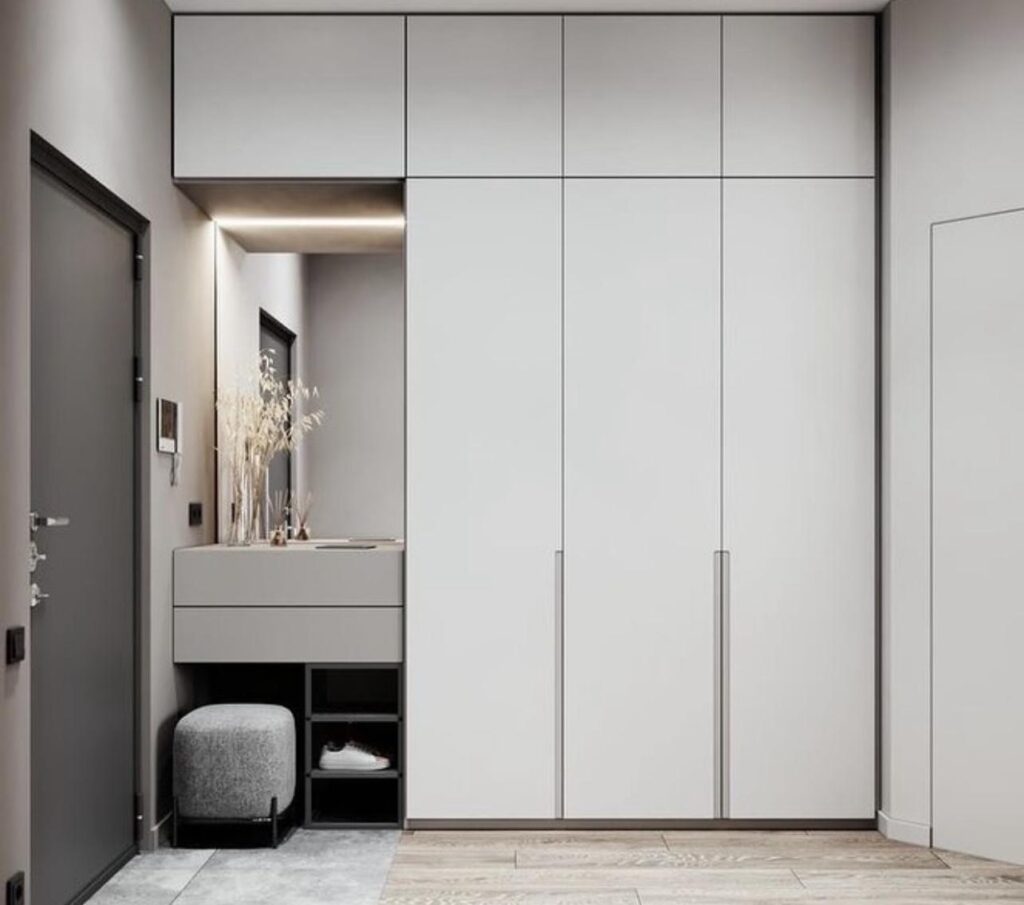
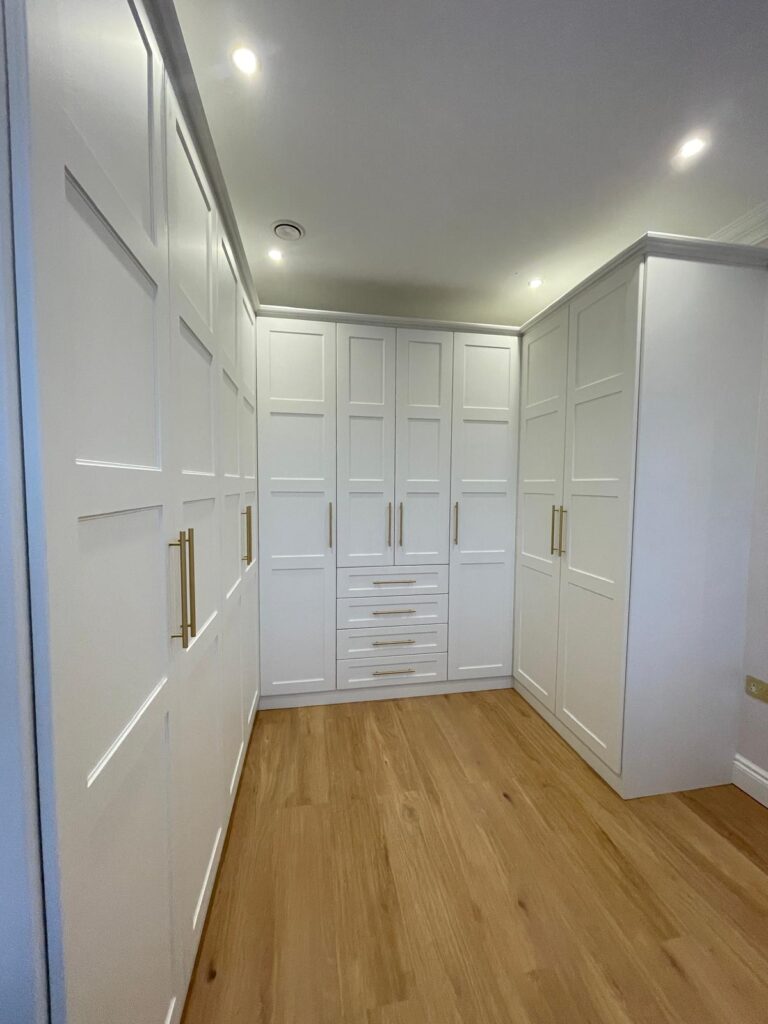
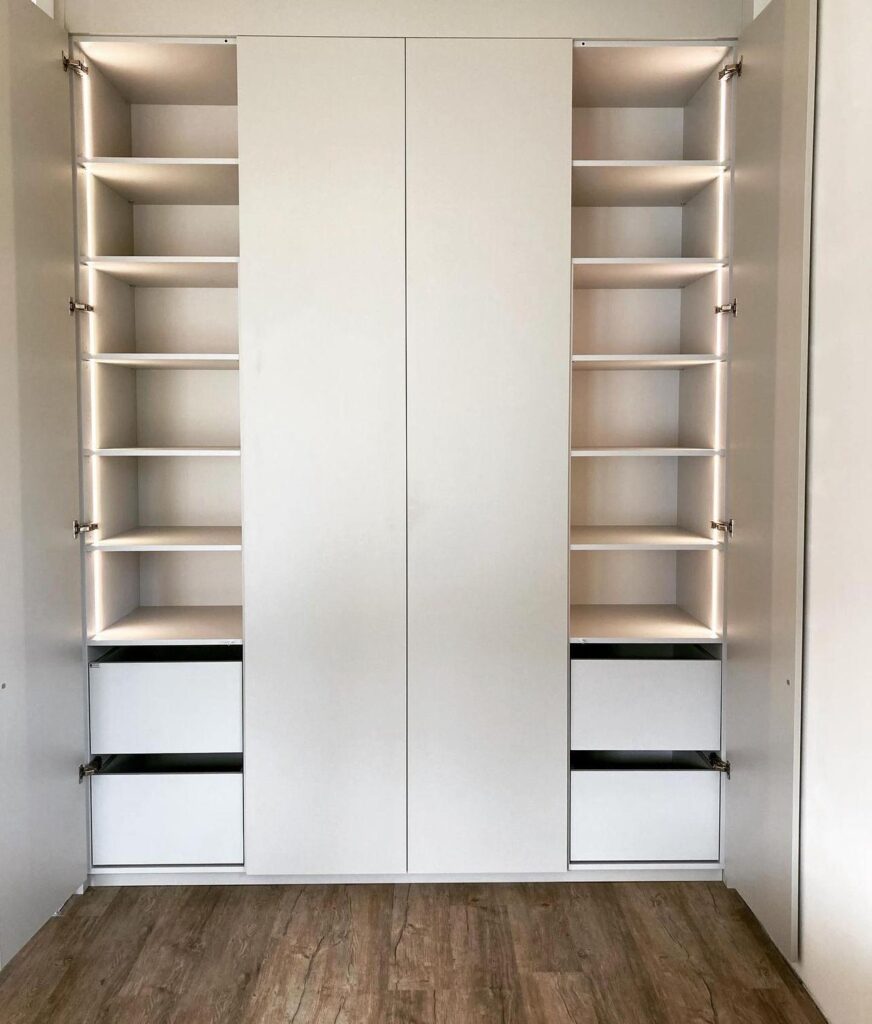

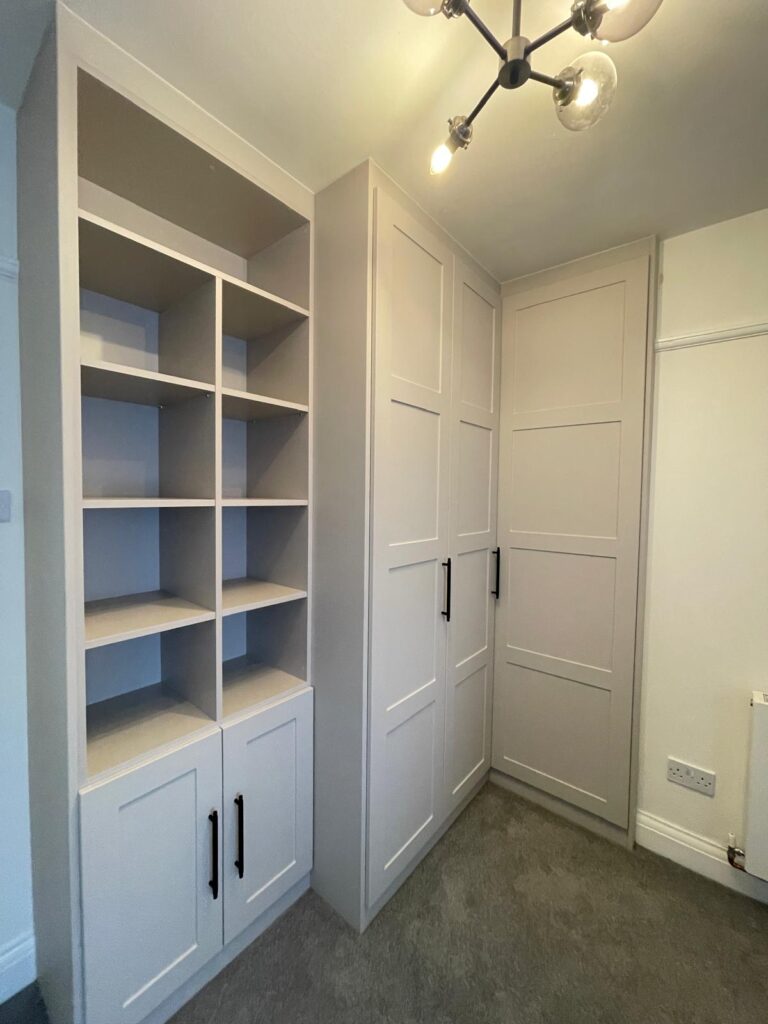
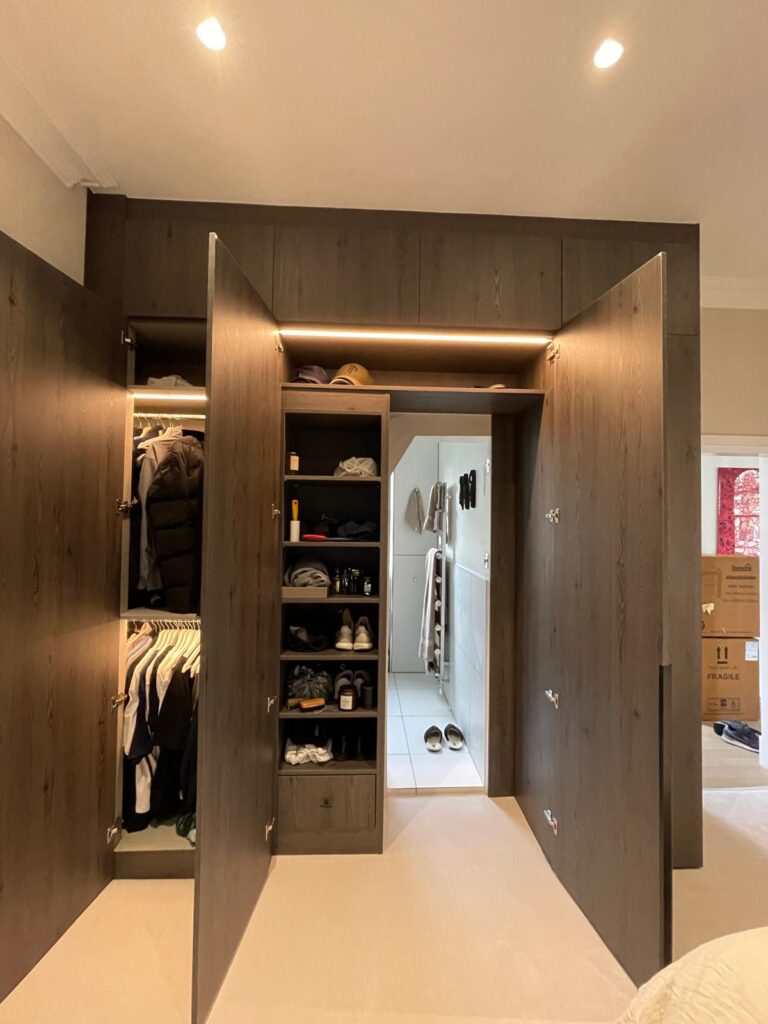

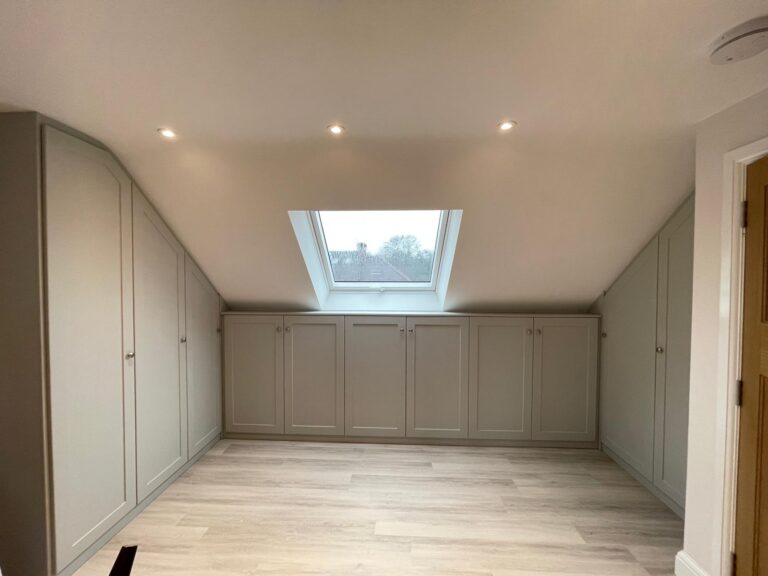

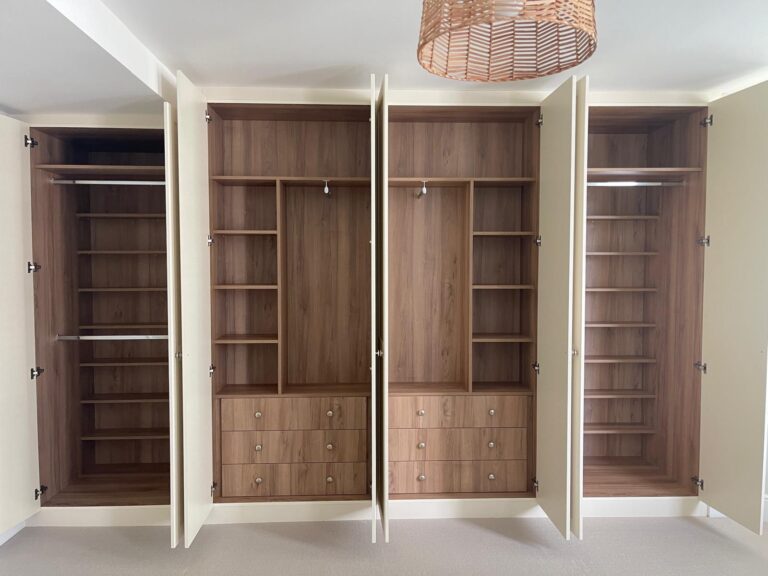
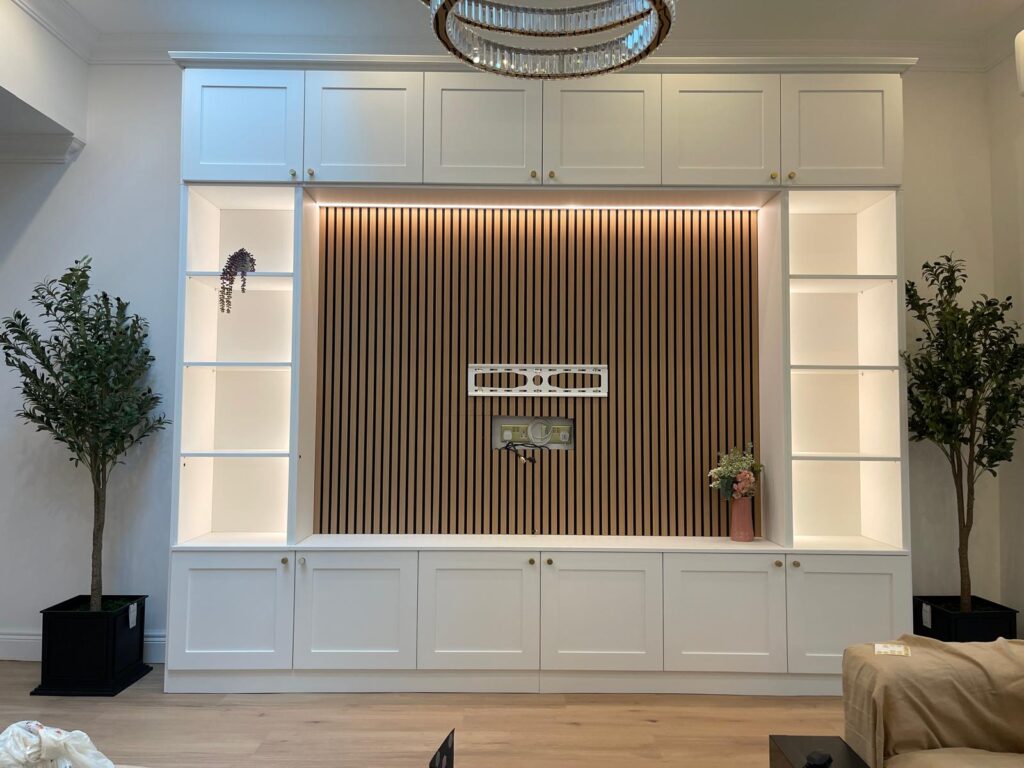



Personalised wardrobe design is the process of creating a fitted storage solution built precisely to your room’s dimensions, your lifestyle habits, and your aesthetic preferences. Unlike off-the-shelf flat-pack units, this approach, known in the trade as bespoke fitted wardrobe design, accounts for every centimetre of available space, from floor to ceiling and wall to wall. The result is a wardrobe that eliminates wasted corners, accommodates your actual clothing collection, and integrates with your room’s existing décor. Whether you are working with a compact bedroom in Putney or a generous master suite in Richmond, the principles of personalised wardrobe design remain the same: measure precisely, plan honestly, and build to last.
What is personalised wardrobe design and how does it differ from standard wardrobes?
Personalised wardrobe design is defined by three qualities that standard wardrobes cannot match: exact dimensional fit, configurable internal layout, and material customisation chosen by the homeowner. A standard flat-pack wardrobe from a high-street retailer arrives in fixed widths, typically 50 cm, 75 cm, or 100 cm modules, and offers limited internal flexibility. A bespoke fitted wardrobe is built to your room’s exact measurements, filling the space from skirting board to ceiling cornice without gaps.
The practical difference is significant. Custom wardrobes are crafted to exact specifications of space, lifestyle, and aesthetic preferences, maximising every inch and eliminating dust traps. That last point matters more than it sounds. The gap between a standard wardrobe and the ceiling collects dust, reduces the visual height of the room, and wastes storage potential that a fitted unit would capture entirely.
Internal configuration: the real distinction
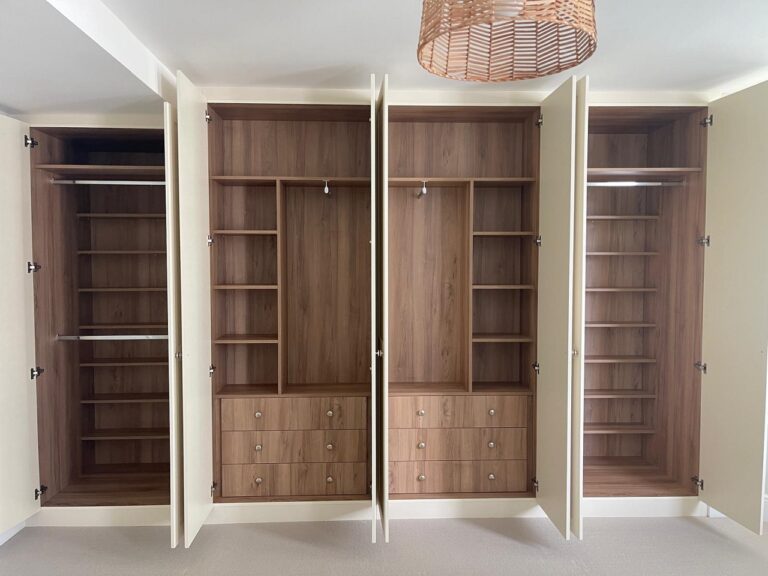
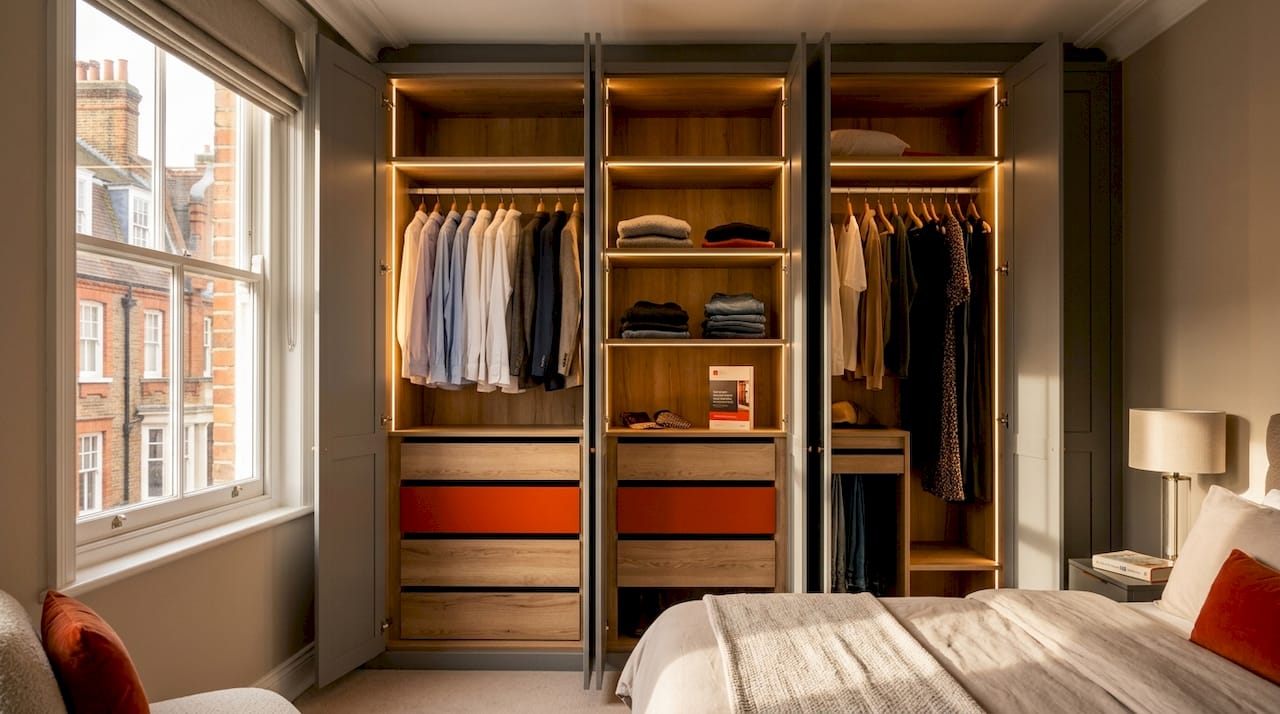
Standard wardrobes offer a fixed internal layout, usually one hanging rail and a single shelf above it. Personalised wardrobe layouts are configured around what you actually own. A homeowner with a large collection of shirts and folded knitwear needs more shelving and shorter hanging sections. Someone with formal dresses and long coats needs a full-length hanging zone. Neither need is served well by a generic layout.
Soft-close drawers, integrated LED lighting, and specialised storage inserts are standard features in high-end personalised wardrobes. These are not luxury add-ons. They are functional components that make the wardrobe work harder every day.
Here is a direct comparison between the two approaches:
| Feature | Standard wardrobe | Personalised fitted wardrobe |
|---|---|---|
| Dimensional fit | Fixed module sizes | Built to exact room measurements |
| Internal layout | Fixed rails and shelves | Configured to your clothing and habits |
| Material options | Limited laminate finishes | Wood veneers, painted finishes, laminates |
| Door styles | Standard hinged or sliding | Hinged, sliding, mirrored, handleless |
| Ceiling coverage | Gap at top | Floor-to-ceiling fit |
| Longevity | 5 to 10 years typical | 10 or more years with quality build |
The key advantages of a personalised approach include:
- No wasted floor or ceiling space
- Internal zones matched to your specific wardrobe
- Door styles and finishes that complement your room
- Hardware choices from soft-close hinges to integrated handles
- Elimination of the dust-collecting gap above standard units
How to measure and plan a personalised wardrobe layout effectively
Accurate measurement is the foundation of any successful bespoke wardrobe project. A single centimetre of error can prevent a door from opening correctly or leave an unsightly gap at the wall. IKEA advises measuring floor-to-ceiling and wall-to-wall, then adding 1 cm for hinged doors or 4 cm for sliding doors to allow correct operation. This principle applies equally to fully bespoke installations. Precision in small clearance measurements is non-negotiable; even a centimetre difference affects door operation and overall fit.
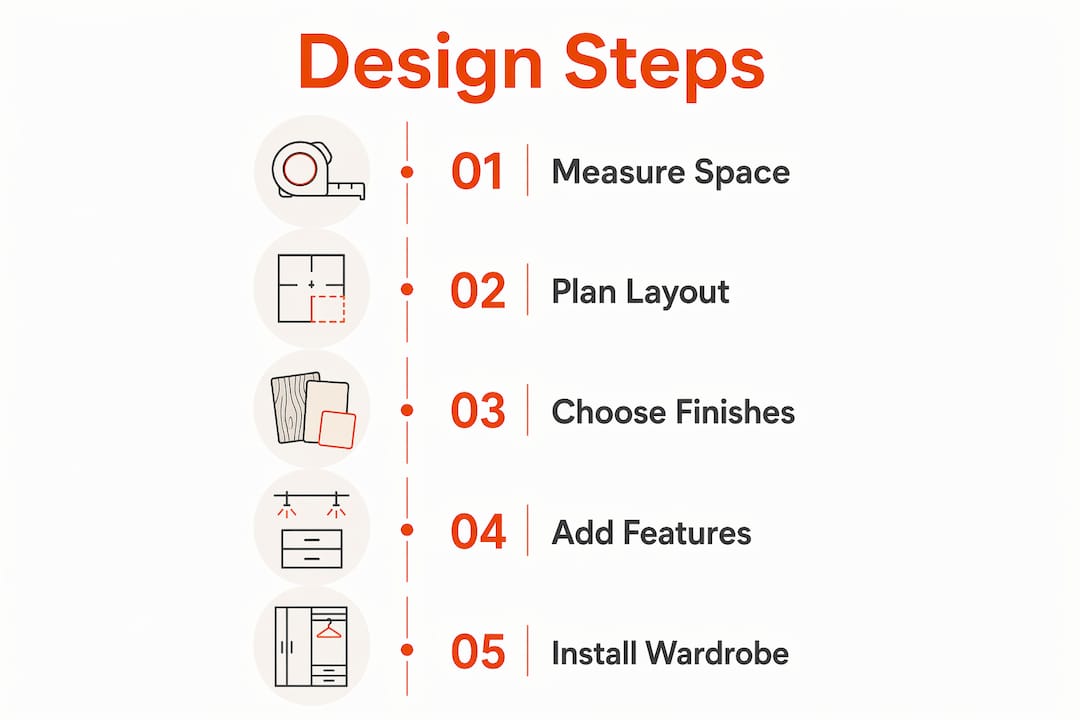
Follow these steps to plan your wardrobe layout effectively:
- Measure the full space. Record the width, height, and depth of the alcove or wall. Note the position of skirting boards, coving, and any ceiling slopes. Measure at three points across the width and height, as walls are rarely perfectly square.
- Identify obstructions. Mark the location of light switches, plug sockets, radiators, and door swings. These affect where the wardrobe can begin and end, and whether hinged or sliding doors are more practical.
- Audit your clothing and belongings. Count how many items need full-length hanging, short hanging, folded shelf space, and drawer storage. Include shoes, accessories, and seasonal items. This audit is the step most homeowners skip, and it is the step that determines whether the finished wardrobe actually works.
- Assign zones by frequency of use. A properly designed wardrobe layout places frequently used items within easy reach and stores seasonal or rarely used items higher or out of the way. Everyday shirts and trousers belong at eye and waist level. Winter coats and luggage belong at the top.
- Use a planning tool. The IKEA PAX planner produces a store-ready plan including a shopping list, which is useful for visualising proportions even if you intend to commission a bespoke unit. For fully custom solutions, a 3D design app or a professional design consultation will give you a more accurate representation of the finished result.
- Check door clearances. Confirm that hinged doors have enough room to open fully without hitting a bed, radiator, or opposing wall. Sliding doors require no swing clearance but need additional depth behind the panel.
Common mistakes include inaccurate measurements and failure to align interior layout with lifestyle needs, leading to poor functionality despite a bespoke appearance. The wardrobe may look custom from the outside and still frustrate you every morning if the internal zones do not match how you actually dress.
Pro Tip: Before finalising your layout, spend one week noting which items you reach for daily and which you touch once a month. This simple exercise reveals the true hierarchy of your wardrobe and prevents you from building a beautiful unit that stores your most-used items at the back.
Wardrobe design ideas: layouts, finishes, and smart features
The range of personalised wardrobe design ideas available in 2026 is broader than most homeowners realise. Layout, exterior finish, door style, and internal features can all be combined to create a wardrobe that is genuinely unique to your home and habits.
Layout configurations
The four most common layout types are:
- Single-wall fitted wardrobe. The most space-efficient option for standard bedrooms. The entire wardrobe runs along one wall, maximising floor space in the room.
- L-shaped wardrobe. Uses two adjacent walls, creating more storage volume and a natural division between hanging and shelving zones.
- U-shaped wardrobe. Wraps around three walls, typically used in larger bedrooms or dedicated dressing rooms. Offers the highest storage capacity of any layout.
- Walk-in wardrobe. A separate room or large alcove dedicated entirely to clothing storage. Walk-in wardrobes starting from £1,600 at Finest Furniture Studio are a popular choice for homeowners in Chelsea, Wimbledon, and Chiswick who have a spare room or large landing to convert.
Door styles and exterior finishes
Sliding wardrobes customised to exact dimensions, sometimes as shallow as 400 mm for tight spaces, maximise storage without sacrificing floor area. Hinged doors offer full access to the interior in one movement and suit traditional or shaker-style aesthetics. Mirrored fronts serve a dual purpose: they reflect light to make rooms appear larger and brighter, and they eliminate the need for a separate full-length mirror.
Material and finish options include:
- Wood veneers for a warm, natural appearance
- High-gloss laminates for a contemporary, reflective finish
- Painted MDF in any RAL or Farrow and Ball colour
- Shaker-style panels for a classic, timeless look popular in Barnes, Twickenham, and Kingston homes
Smart features and technology
The most forward-thinking wardrobe designs now incorporate technology that goes well beyond a light fitting. AI-optimised closets can save an average of 120 hours per year by automating outfit suggestions and inventory tracking based on calendar and weather data. Smart lighting systems, RFID tags, and AI styling mirrors transform wardrobes into productivity tools as well as storage. This is not science fiction. These systems are available now and are being specified in high-end residential projects across London.
More accessible smart features include:
- Integrated LED lighting on motion sensors, so the wardrobe illuminates the moment you open the door
- Soft-close drawer runners that prevent slamming and extend the life of the unit
- Velvet-lined jewellery drawers and dedicated tie or belt organisers
- Pull-out trouser racks and shoe cubbies sized to your collection
| Feature | Practical benefit |
|---|---|
| Motion-activated LED lighting | Instant visibility, no fumbling for switches |
| Soft-close drawers | Quieter operation, longer hardware lifespan |
| Adjustable shelving | Reconfigure as your wardrobe changes over time |
| Mirrored sliding doors | Reflects light, saves floor space |
| Velvet-lined jewellery drawer | Protects valuables, keeps accessories organised |
Pro Tip: If you are considering integrated lighting, specify warm white LEDs at 2700K to 3000K. This colour temperature renders clothing colours accurately and creates a boutique-like atmosphere that cool white lighting cannot match.
How personalised wardrobe design improves daily routines and space use
The practical case for a personalised wardrobe goes beyond aesthetics. Custom wardrobes boost daily routine efficiency by reducing the time spent finding items, especially when designed to fit user habits and incorporate adequate lighting. For homeowners in compact London bedrooms, particularly in areas like Hammersmith, Fulham, and Brixton, this efficiency gain is tangible every single morning.
The concept of “closet blindness” is well recognised among professional wardrobe designers. It describes the phenomenon where a poorly organised wardrobe causes its owner to repeatedly overlook items they own, leading to duplicate purchases and the persistent feeling of having nothing to wear. Expert designers advise that layouts tailored to accessibility and item categorisation significantly reduce this problem. When every category of clothing has a dedicated, visible zone, you use what you own more effectively.
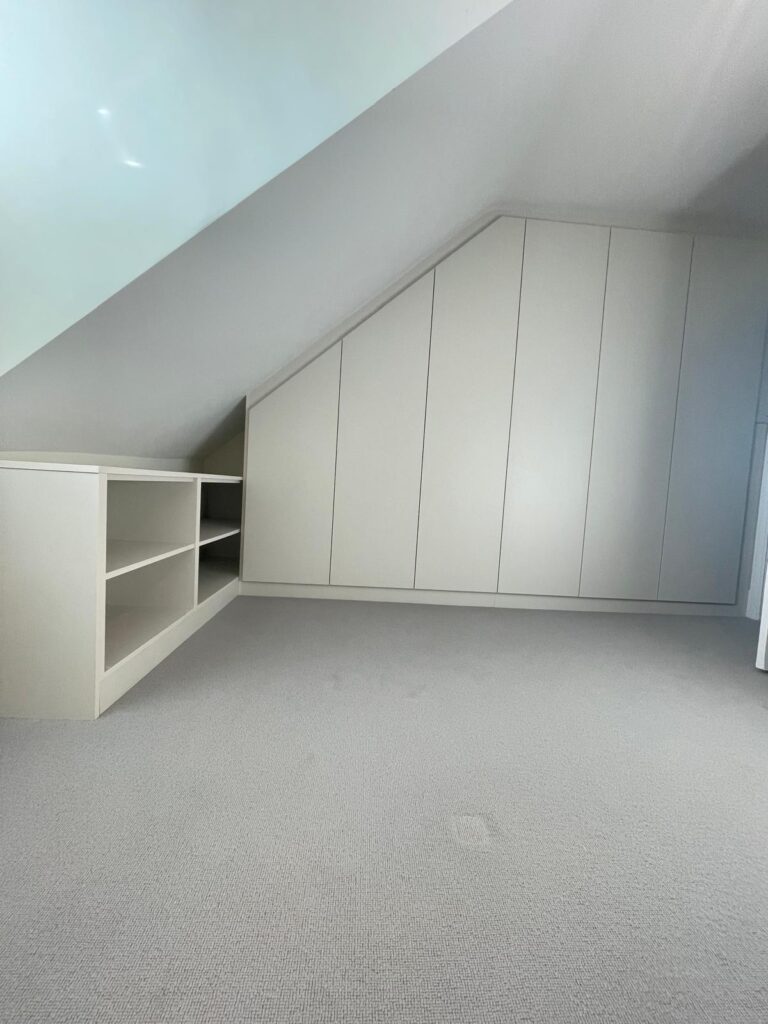
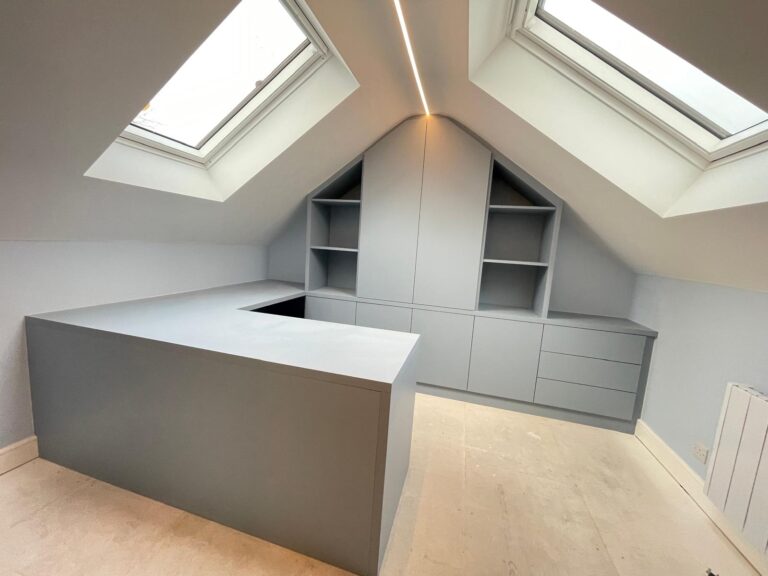
Space maximisation is equally important in rooms with awkward geometry. Loft bedrooms, rooms with chimney breast alcoves, and bedrooms with sloped ceilings all present challenges that a standard wardrobe cannot address. A bespoke fitted wardrobe, by contrast, is designed around those constraints. The unit follows the slope of the ceiling, wraps around the chimney breast, or fills the alcove to its exact depth. For a wardrobe design guide that covers these scenarios in detail, Finest Furniture Studio’s resource library is a practical starting point.
“Converting real-life usage patterns into internal wardrobe layout decisions, like shorter hanging sections for shirts and long hang space for dresses, is crucial to avoid creating wardrobes that look custom but fail practicality.” — IKEA PAX design guidance
Lighting deserves specific mention here. A wardrobe without adequate internal lighting is a wardrobe that does not work properly in the morning. Integrated LED strips along shelving and hanging rails mean you can see every item clearly, regardless of the time of day or the natural light available in the room. For homeowners in north-facing bedrooms across Ealing or New Malden, this is not a luxury. It is a functional necessity.
For further guidance on organising bespoke wardrobe interiors to maximise daily convenience, Finest Furniture Studio’s 2026 guide covers categorisation strategies and zone planning in depth.
Key takeaways
Personalised wardrobe design delivers measurable improvements in space use, daily efficiency, and room aesthetics only when measurement accuracy, lifestyle-led layout planning, and quality material selection are treated as equally important priorities.
| Point | Details |
|---|---|
| Definition matters | Personalised wardrobe design is a bespoke approach built to exact room dimensions and lifestyle needs, not a premium version of flat-pack. |
| Measurement is critical | Add 1 cm for hinged doors and 4 cm for sliding doors to your room measurements to guarantee correct fit and door operation. |
| Layout must reflect real habits | Assign zones by frequency of use; everyday items at eye level, seasonal items stored high to reduce daily friction. |
| Smart features add genuine value | Motion-activated lighting and soft-close hardware improve daily usability, not just appearance. |
| Space gains are significant | Floor-to-ceiling fitted wardrobes eliminate dust traps and capture storage volume that standard units leave unused. |
Why I believe the internal layout is the decision that matters most
By Aureliu
After working with homeowners across London, from compact flats in Brixton to large family homes in Richmond and Wimbledon, the pattern I see most consistently is this: people spend the majority of their budget and attention on the exterior of the wardrobe and not nearly enough on the internal configuration. The doors look beautiful. The finish is perfect. And then, six months later, the owner tells me the wardrobe does not really work for them.
The reason is almost always the same. The internal layout was not designed around how that specific person actually dresses. It was designed around a generic template. A single long hanging rail looks impressive in a showroom. It is useless if you own mostly shirts, jackets, and folded knitwear.
My advice is to spend at least as much time on your internal layout as you do on door style and finish. Write down your actual wardrobe. Count the shirts, the trousers, the dresses, the shoes. Then design the interior around those numbers. A fitted wardrobe buying guide can help you structure this process before you meet with a designer.
I also believe that material choice is more consequential than most homeowners expect. A painted MDF finish in a warm white will age very differently from a wood veneer in a high-traffic bedroom. The wardrobe materials review we publish at Finest Furniture Studio covers this in honest detail. Choose materials that suit your household’s actual use, not just the look you want on day one.
Finally, do not underestimate the value of working with a designer who will visit your home. Photographs and floor plans miss things. A designer standing in your room will notice the radiator that would block a hinged door, the ceiling coving that affects the cornice detail, and the natural light that makes a mirrored front either brilliant or blinding. That visit changes the outcome of the project.
— Aureliu
How Finest Furniture Studio designs your perfect bespoke wardrobe
At Finest Furniture Studio, we design and install bespoke wardrobes across London, including Richmond, Wimbledon, Chelsea, Fulham, Chiswick, Putney, Kingston, Twickenham, Barnes, Hammersmith, Ealing, and surrounding areas including Walton-on-Thames, Woking, Guildford, and Reading. Every project begins with a free design visit to your home, where we measure your space precisely and discuss your storage needs in detail.
Our custom wardrobe solutions in West London cover hinged door wardrobes from £1,800, sliding door wardrobes from £2,000, walk-in wardrobes from £1,600, and loft wardrobes from £1,850. Every installation is completed within 7 to 12 days, backed by a 10-year guarantee, and we remove and dispose of your old wardrobe as part of the service. Call us on 07468 150807, WhatsApp us, or book a free design visit today. Our studio is based at 124 City Road, Kemp House, London, EC1V 2NX.
FAQ
What is personalised wardrobe design?
Personalised wardrobe design is the process of creating a fitted wardrobe built to the exact dimensions of your room and configured around your specific storage needs, clothing habits, and aesthetic preferences. It differs from standard wardrobes by offering floor-to-ceiling fit, custom internal layouts, and a choice of materials, finishes, and hardware.
How much does a bespoke fitted wardrobe cost in London?
Bespoke fitted wardrobes in London typically start from £1,600 for a walk-in wardrobe and from £1,800 for a hinged door wardrobe, depending on size, materials, and internal features. Finest Furniture Studio provides a free design visit and detailed quote before any commitment is made.
What is the difference between a personalised wardrobe layout and a standard one?
A personalised wardrobe layout is configured around your actual clothing collection, placing frequently used items at accessible heights and assigning dedicated zones for hanging, folding, shoes, and accessories. A standard layout offers a fixed rail and shelf arrangement that rarely matches how any individual actually dresses.
How long does bespoke wardrobe installation take?
Most bespoke fitted wardrobe installations are completed within 7 to 12 days from the start of the project. Finest Furniture Studio includes removal and disposal of the existing wardrobe as part of the installation service.
Can a fitted wardrobe work in a small or awkward bedroom?
Yes. Sliding wardrobes can be built as shallow as 400 mm to suit tight spaces, and bespoke units can be designed to follow ceiling slopes, wrap around chimney breasts, or fill irregular alcoves. For expert advice on maximising storage in compact bedrooms, professional design guidance makes a measurable difference to the outcome.