





What a 7 Day Fitting Really Covers
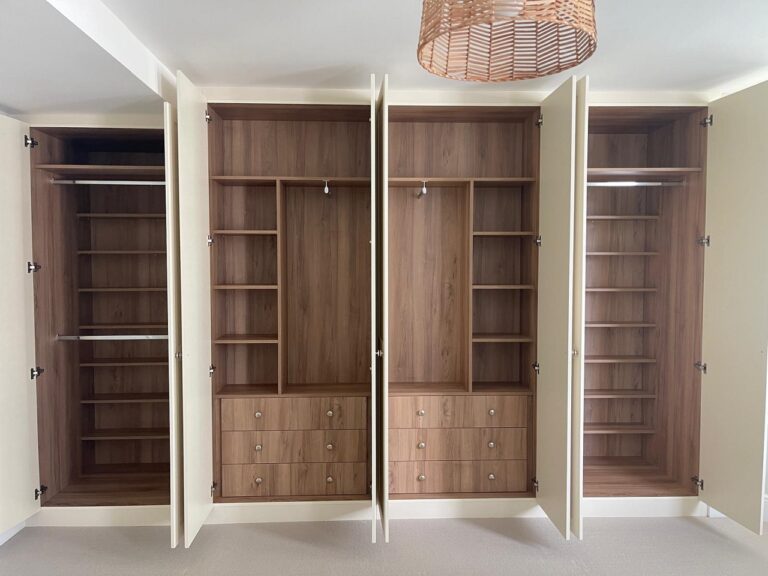
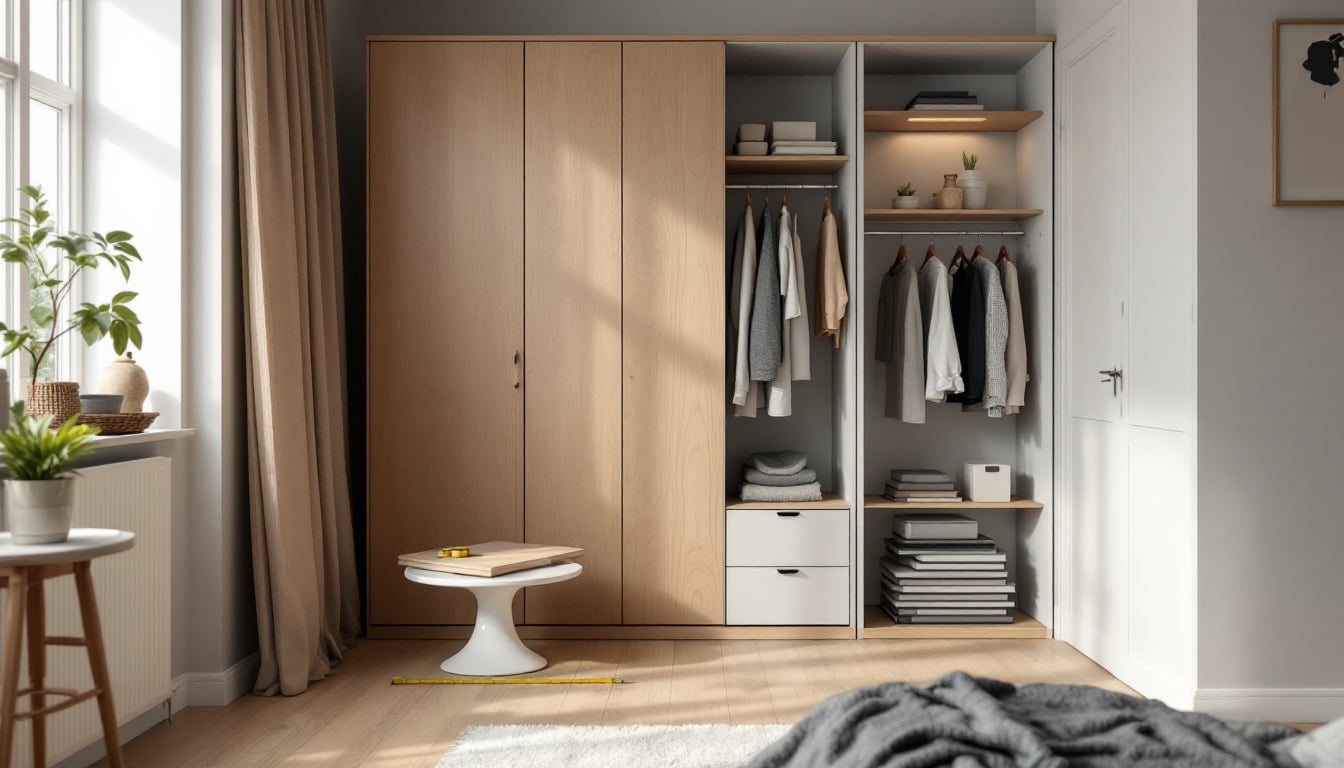
A 7 day fitting sounds straightforward until you look at what has to happen before the fitter arrives. In practice, the schedule usually covers design sign-off, final measurements, manufacturing, delivery, and installation. If any one of those steps slips, the installation date moves too. The fastest way to protect the timeline is to treat the seven days as a narrow window, not a promise that every decision can still be made later. That mindset matters whether you are planning bespoke fitted wardrobes, built-in storage, or other made-to-measure furniture.
The Most Common Delays People Miss
Most delays are not caused by the fitting day itself. They start earlier, with small unresolved details that look harmless on paper. A finish that has not been approved, a wall that has not been measured again after plastering, or a room that still needs clearing can each add a day or more. In a 7 day fitting process, the hidden risk is usually not the installer. It is the project handoff, where a few missing answers create a chain reaction that is hard to recover from.
Late Design Changes
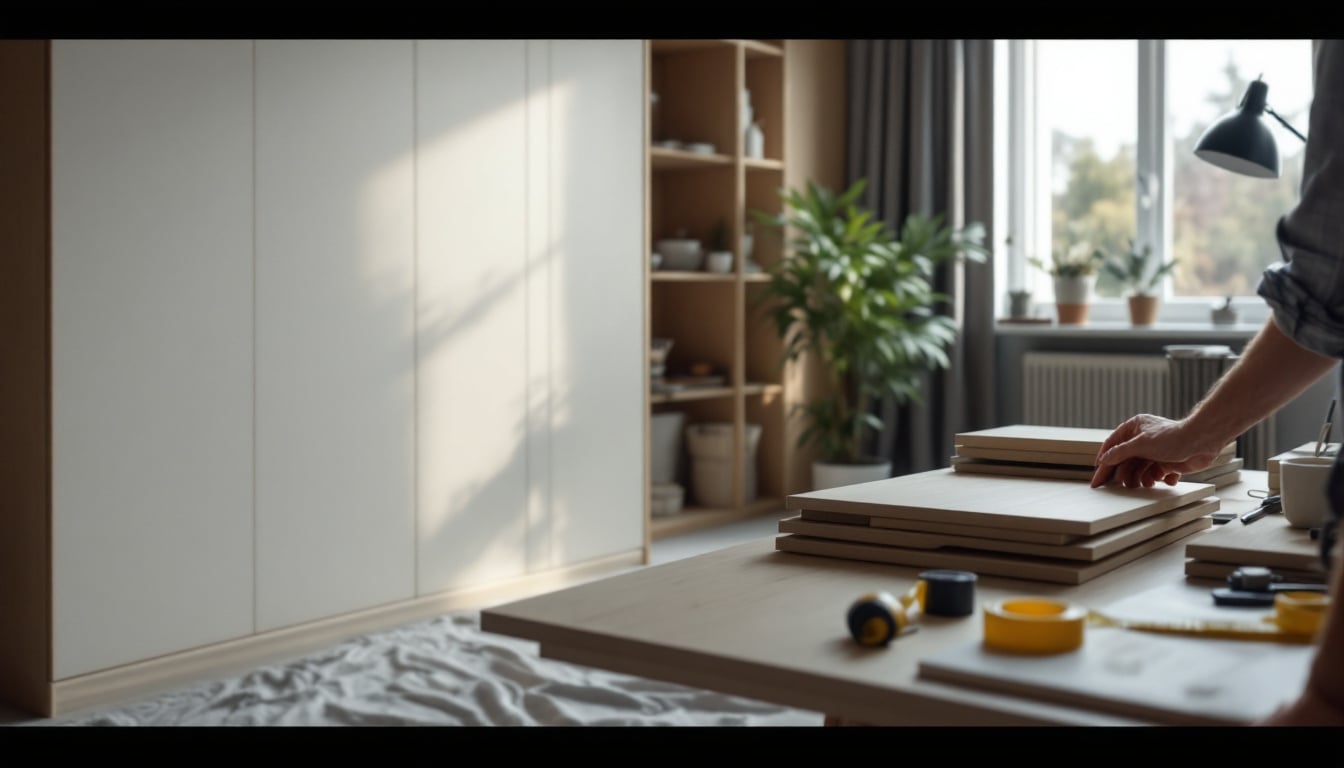
Changing door style, internal layout, or handle choice after drawings are approved is one of the fastest ways to lose the slot. Even a small change can affect panel sizes, hardware, and production queues. The practical fix is to freeze the specification before manufacture starts and keep a simple sign-off list for finish, layout, and accessories. If you are comparing built-in wardrobes or alcove cabinet design, ask exactly which details are locked before the seven-day window begins.
Measurement Drift After Building Work
Rooms change after decorating, plastering, flooring, or electrical work. A wall that looked square in the first visit may no longer be usable at installation depth. This is where a second site check pays off, especially in homes with awkward spaces or sloped ceilings. The practical rule is simple: if building work continues after the first measure, assume the original dimensions are stale and confirm them again before production or fitting is booked.
Access Problems on the Day
A fitting can stall if the team cannot get boards, tools, or assembled sections into the room. Narrow staircases, parked cars, heavy deliveries, and blocked hallways all create avoidable delays. The fix is a pre-install access check, ideally 24 to 48 hours before arrival. Clear a path, measure doorway widths, and confirm where the delivery will be left. This matters even more for larger bespoke wardrobe solutions and sliding doors wardrobes.
How the Timeline Breaks Down Day by Day
If you want to judge whether a 7 day fitting is realistic, break the job into stages rather than treating it as one block. The first two days are often spent confirming the final design and any site constraints. The middle of the week usually covers fabrication or preparation, and the final stage is delivery and installation. The useful question is not, “Can it be done in seven days?” It is, “Which steps must already be complete before day one?”
Days 1 to 2: Final Checks and Sign-Off
The first two days are where the schedule is won or lost. This is when dimensions, finishes, internal storage layout, and any electrical or skirting-board issues should be settled. A good working rule is to keep a written list of open items and close every one before manufacture or fitting starts. If you still need to decide on drawer inserts, mirror placement, or internal hanging space, the seven-day target becomes fragile very quickly.
Days 3 to 5: Preparation and Manufacturing
During the middle of the process, the hidden delay is often capacity rather than craftsmanship. If the workshop is waiting on a material choice or a hardware variation, the whole sequence pauses. The best protection is to choose standard components where possible and reserve custom options for the parts that actually matter. For many buyers, this is the trade-off in bespoke furniture: more control gives you a better fit, but it also increases the number of moving parts that can slow the job.
Days 6 to 7: Delivery and Installation
The final stage should be treated like a site operation. Delivery windows, room protection, and installation order all affect how smoothly the job closes out. A clear floor, ready power supply, and confirmed parking can save hours. If the fitter has to stop and move furniture before starting, that time usually comes out of the fitting day itself. For fitted furniture, a tidy room and a prepared access route are not optional extras, they are part of the schedule.
The Hidden Delays Behind Material Choices
Materials are one of the least visible causes of delay because the problem starts long before anything reaches your home. A finish that is out of stock, a laminate that needs a special lead time, or a handle that must be ordered separately can all hold up a 7 day fitting. The safest approach is to ask what is in stock, what is made to order, and what can be substituted without changing the design intent. That three-way split is more useful than a generic “available soon” promise.
Standard Finishes vs Custom Options
Standard finishes reduce risk because they usually move through production faster and create fewer supply-chain surprises. Custom finishes can be worth it if the room needs a very specific look or a better match to existing joinery, but they are the first place delays appear. A good decision rule is to ask whether the custom element changes function or only style. If it only changes style, consider whether the time risk is worth it for the project at hand.
Hardware and Internal Fittings
Handles, runners, soft-close hinges, and internal accessories are easy to overlook because they look minor. In reality, they are a common source of partial delays, where the main carcass is ready but the job cannot be fully completed. The fix is to confirm the exact hardware list early and ask whether any item has a separate lead time. This is especially relevant for loft wardrobes, built-in cupboard layouts, and storage systems with multiple drawers or pull-outs.
When Room Conditions Slow the Fit
Even a well-planned 7 day fitting can slow down if the room is not ready for installation. Damp walls, fresh paint, uneven floors, and active electrical work all create friction. The useful standard here is not perfection, but readiness. If the space is still changing, the fitter may need to return later or work around unfinished areas, which is rarely the fastest option. A readiness check before the fitting date is usually cheaper than fixing avoidable problems on site.
Walls, Floors, and Skirting Boards
A wardrobe or fitted unit depends on real room geometry, not the ideal one on the drawing. Uneven walls can require scribing, and thick skirting may affect the final depth or door alignment. If the room has just been decorated or replastered, confirm the surface is dry and stable enough for installation. For awkward spaces, these details matter even more because the margin for error is smaller and the fitter has less room to adjust on the day.
Lofts, Slopes, and Tricky Angles
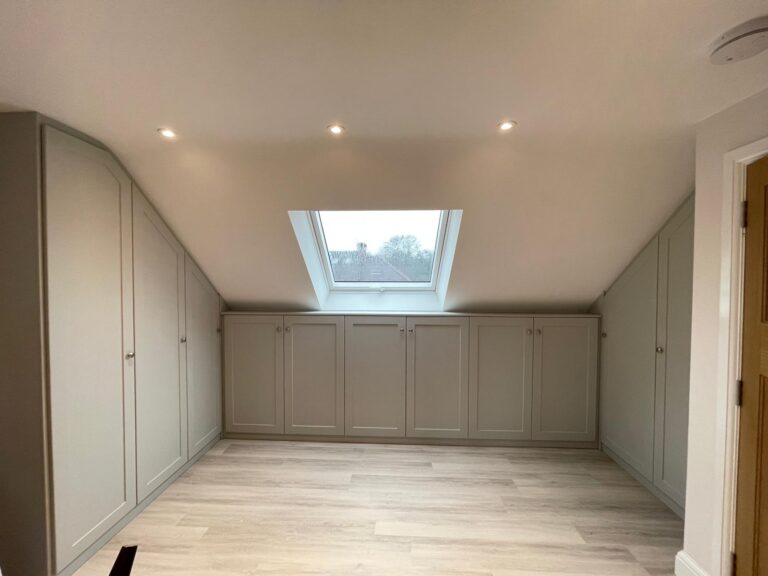
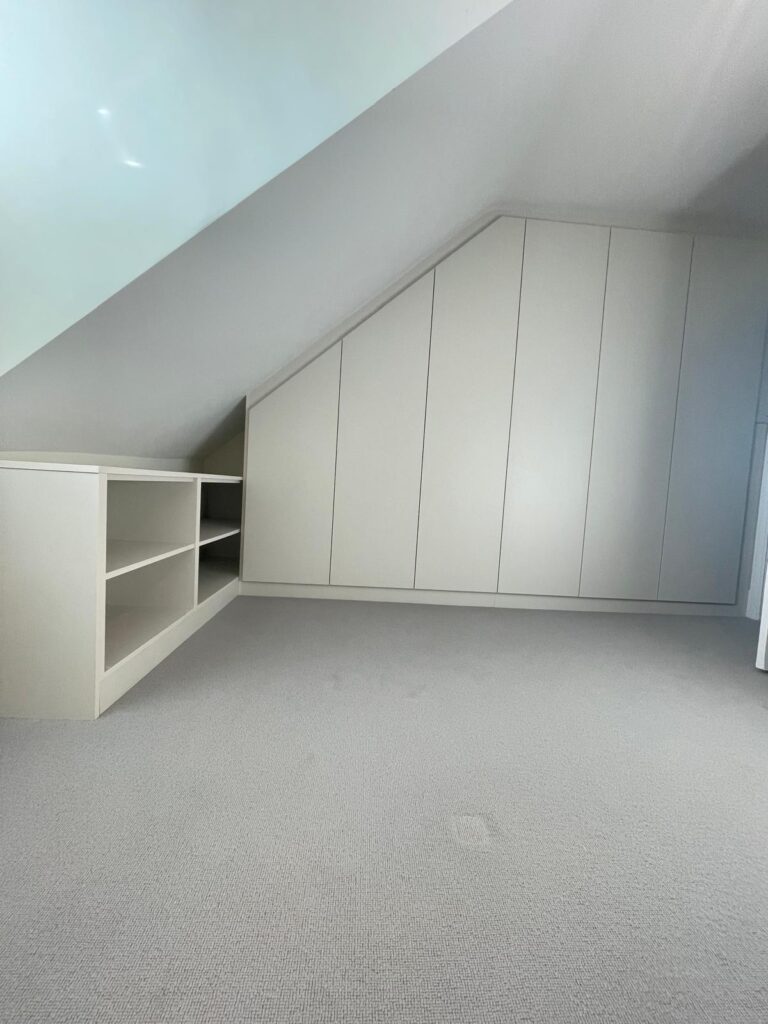
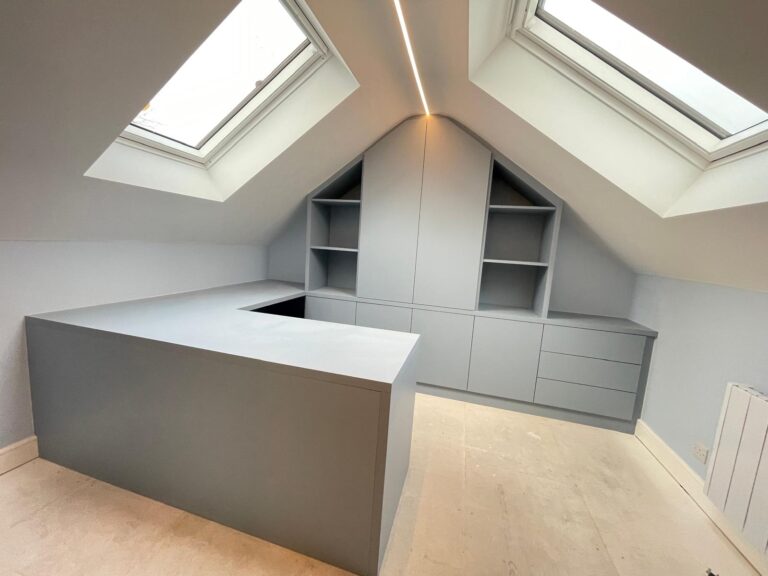
Loft rooms and sloped ceilings often add hidden complexity because each panel has to be planned around the available head height. A delay here usually comes from underestimating the amount of custom cutting and templating required. The practical fix is to use a design visit or virtual consultation to check the actual constraints early. If the room has tight angles, ask whether the installation can be broken into sections to reduce time pressure on the final day.
The Role of Communication Before Installation
A lot of avoidable delay comes from weak communication rather than technical problems. If you do not know who is confirming the measure, who is approving the drawing, and who is booking the install slot, the process stalls between tasks. For a 7 day fitting, the simplest safeguard is a single point of contact and a short written timeline with dates, dependencies, and decision deadlines. That keeps everyone aligned without needing a complicated project plan.
What to Confirm in Writing
Before work begins, confirm the design specification, room access plan, delivery timing, and installation date in writing. Also check whether electrical points, flooring, and decorating must be complete first. Written confirmation matters because it removes ambiguity when a decision has to be made quickly. If anything changes, there is a clear reference point instead of a memory dispute. That is often the difference between keeping a seven-day slot and losing it to confusion.
Why a Site Visit Saves Time Later
A site visit is not just about measurement. It is where hidden obstacles show up, such as pipe runs, ceiling drops, off-square corners, or furniture that still needs removing. A virtual consultation can help with early planning, but the closer the project is to installation, the more useful an in-person check becomes. If you want to choose fitting furniture with less risk, use the visit to test feasibility before you commit to detail-heavy options.
How to Judge Whether 7 Days Is Realistic
Not every project is a good candidate for a 7 day fitting. The best fit is a room with stable dimensions, a settled layout, and limited custom complexity. If you are still changing finishes, waiting on decorating, or dealing with structural awkwardness, seven days may be too tight. A realistic judgment comes from three questions: is the room ready, are the materials confirmed, and is the installation route clear? If any answer is no, expect delay risk.
Fast-Track Projects vs More Complex Jobs
A straightforward wardrobe run with standard finishes and clear access can move quickly. A project with multiple finishes, mirrored fronts, or integrated shelving takes longer because every extra choice adds checking time. That does not mean you should avoid complexity, only that you should price the schedule honestly. The more the job depends on perfect coordination, the less you should rely on a tight seven-day promise without buffer time.
A Simple Readiness Checklist
Before you accept a fitting date, check four things: the final design is signed off, the room is cleared, access is measured, and any surrounding works are finished. If all four are true, the installation has a much better chance of staying on track. If one is missing, treat it as a warning sign. This checklist is especially useful if you are comparing compare options and trying to understand what separates a smooth installation from a rushed one.
How to Protect the Schedule Without Compromising the Result
The best way to protect a 7 day fitting is not to cut corners. It is to reduce uncertainty. Keep the design simple where possible, lock decisions early, and make the room ready before the fitter arrives. If you need a more tailored outcome, accept that some parts of the job will need extra lead time. That trade-off is usually better than forcing a complex design through a schedule that cannot support it.
Where Bespoke Still Fits in a Tight Timeline
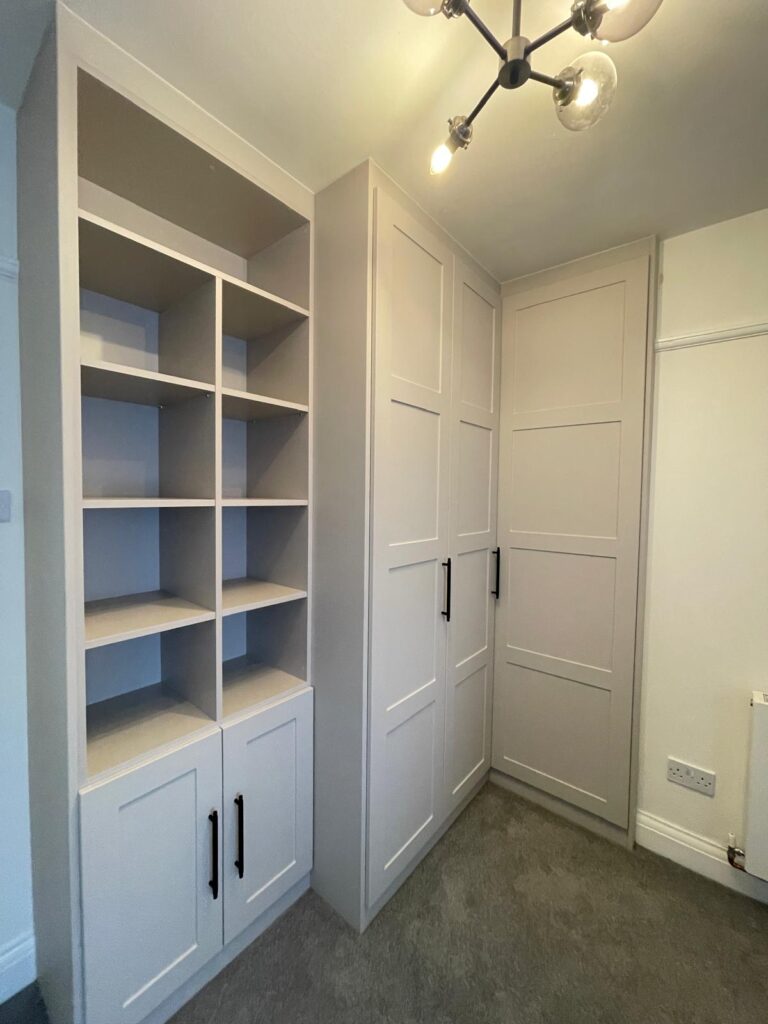
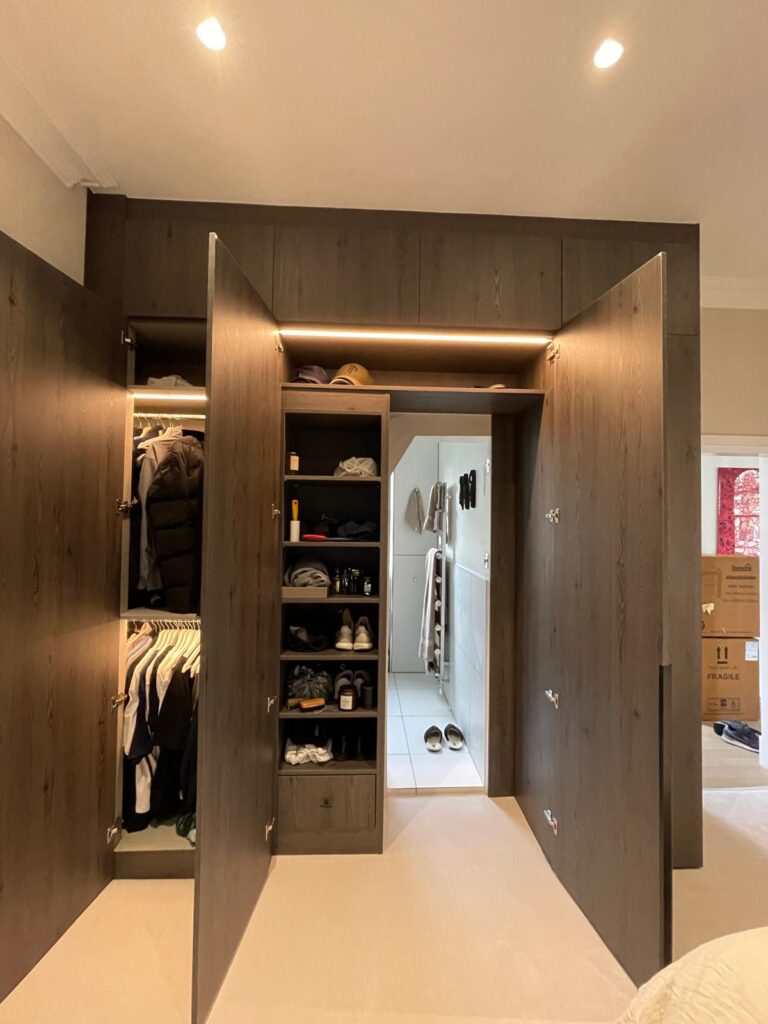
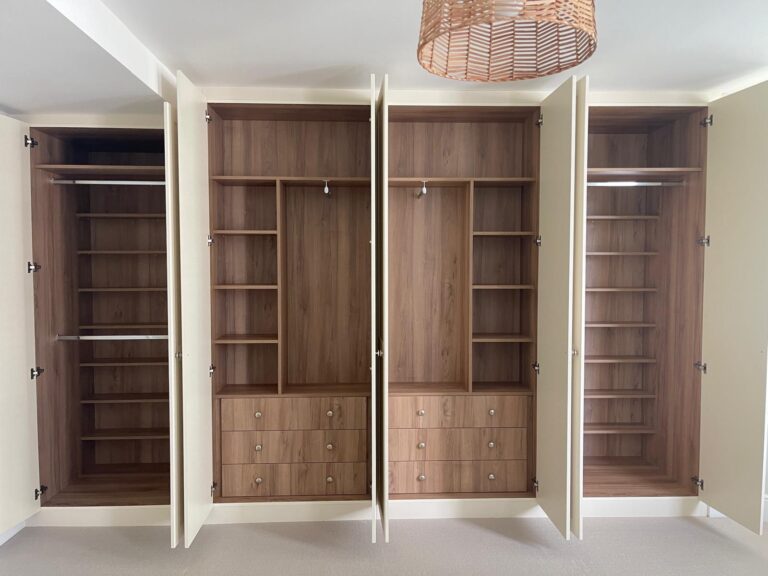
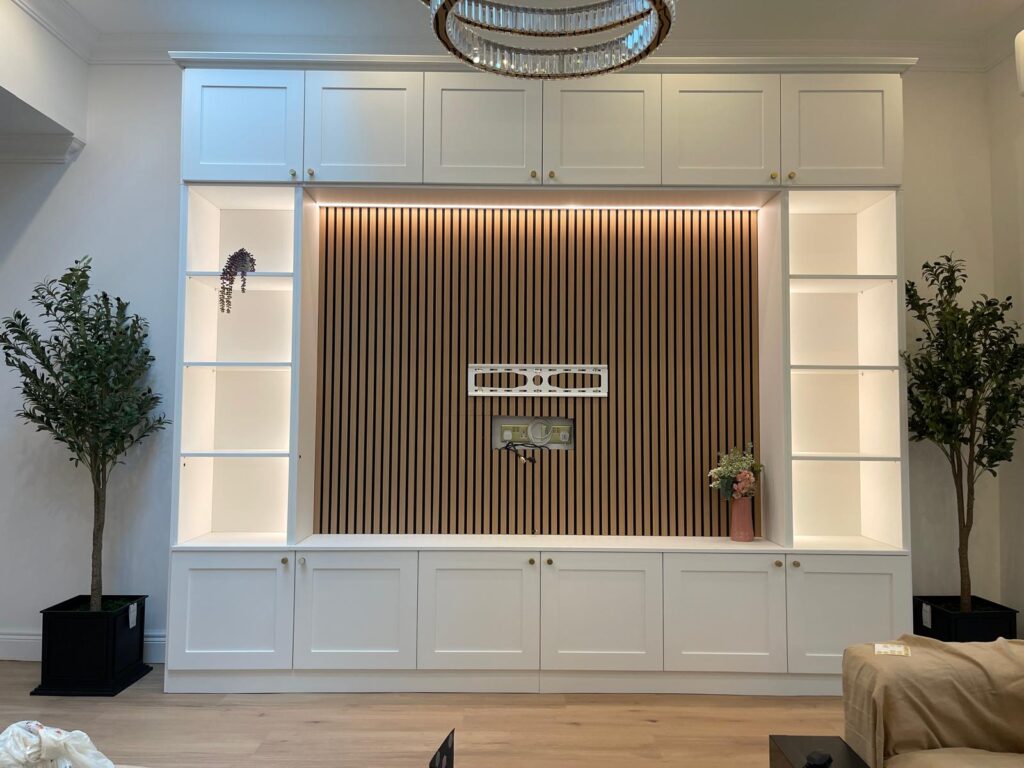
Bespoke does not automatically mean slow. It becomes slow when too many decisions are left open until the end. If you know your priorities, custom storage can still work within a short installation window. For example, a clear layout with well-defined hanging space, drawers, and shelving is easier to execute than a design that is still being revised on site. That is where services like bespoke fitted wardrobes and choose fitting furniture can be useful, because they force the key decisions upfront.
When to Ask for a Design Visit or Consultation
If the room has awkward corners, loft slopes, or mixed storage needs, a design visit is usually the better starting point. It helps you spot hidden delay risks before they become installation problems. If distance or timing makes that difficult, a virtual consultation is a workable first step, provided you follow it with a proper measure before sign-off. For many buyers, that sequence is the safest route to keeping a 7 day fitting realistic.
Quick Takeaways
A 7 day fitting only works smoothly when the design, room conditions, and materials are already under control. Late design changes, stale measurements, access problems, and unfinished room prep are the most common hidden delays. Standard finishes and confirmed hardware help protect the schedule, while custom details should be chosen with care. A written checklist, a single point of contact, and an early site check will usually do more to keep the job on time than any last-minute push.
Conclusion
A 7 day fitting can be efficient, but only if the job is ready to move without interruption. The hidden delays are usually not dramatic. They are small gaps in sign-off, access, measurements, room prep, or material availability. If you close those gaps early, the fitting day becomes much easier to manage and the result is less likely to feel rushed.
Frequently Asked Questions
What is included in a 7 day fitting?
A 7 day fitting usually covers final sign-off, preparation, delivery, and installation rather than every design decision from scratch. The exact scope depends on the project, but the room, materials, and measurements should already be ready before the seven-day window starts.
Why does a 7 day fitting get delayed?
The most common reasons are late design changes, measurement drift, access issues, and unfinished room prep. In many cases, the delay starts before installation because one detail was not confirmed early enough.
How do I prepare for a 7 day fitting?
Clear the room, confirm the final design, check access routes, and make sure any decorating or building work is finished. A simple installation readiness checklist helps reduce delays and keeps the fitting process predictable.
Is a 7 day fitting realistic for bespoke fitted wardrobes?
It can be, if the layout is straightforward and the materials are confirmed early. For more complex bespoke fitted wardrobes, especially in awkward spaces or loft rooms, extra planning time is often needed to avoid installation problems.
What hidden delays affect built-in wardrobes the most?
Built-in wardrobes are often delayed by late hardware choices, unresolved wall or floor issues, and room changes after the first measure. Confirming the specification and rechecking the space before fitting can prevent most of those problems.
Should I choose a design visit before a 7 day fitting?
A design visit is a smart move if the room has slopes, awkward corners, or mixed storage needs. It helps you spot feasibility issues early, which makes a 7 day fitting much more realistic and reduces the risk of last-minute changes.
Can custom furniture still fit into a 7 day fitting schedule?
Yes, but only if the custom elements are decided early and the rest of the job is kept simple. The more unique the finish, hardware, or layout, the more important it is to confirm lead times before you commit to the fitting date.