
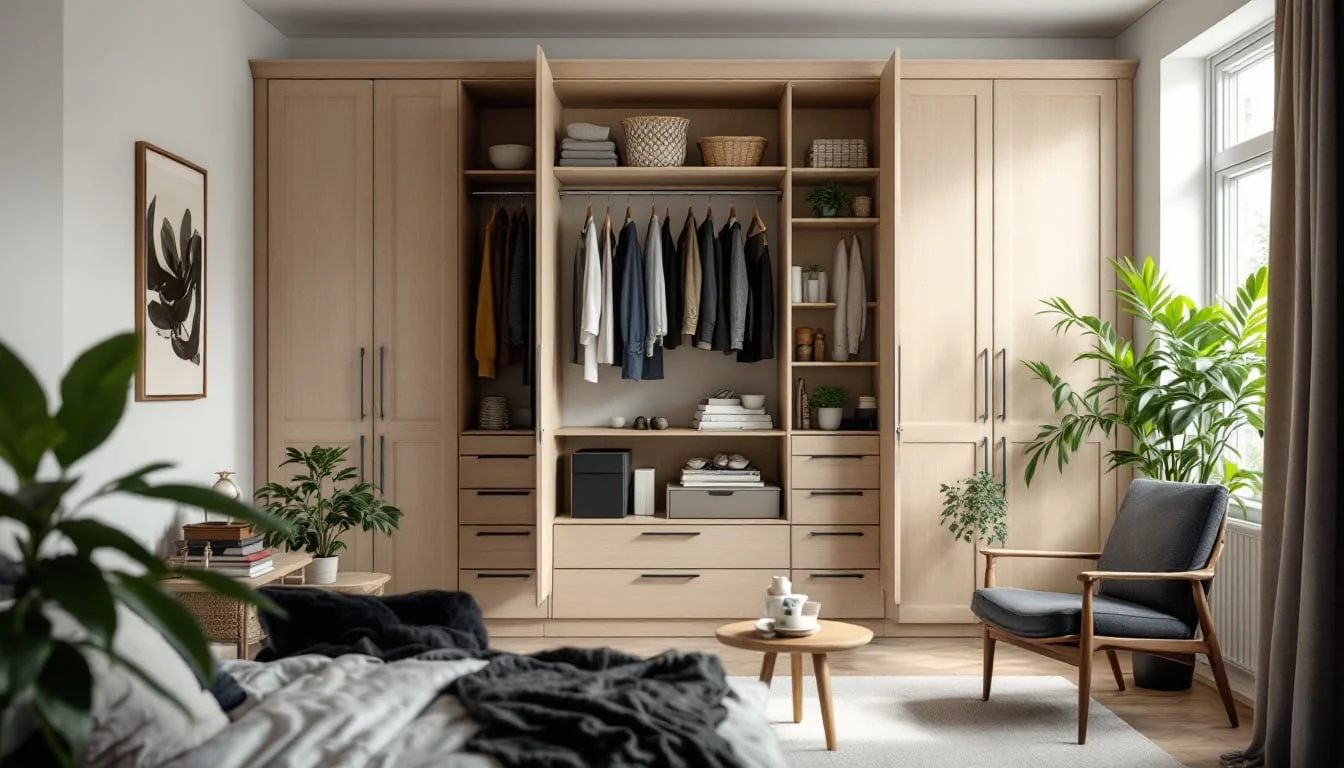
What a bespoke wardrobe quote usually includes
When you compare bespoke wardrobes quotes, the headline price only tells part of the story. A proper quote should separate design, materials, manufacture, delivery, fitting, and any finishing work such as skirting adjustments or internal lighting. If those parts are bundled together, the number can look simple but become hard to compare. A useful rule is to ask whether the quote is based on a full room survey or a rough estimate, because the gap between the two can be significant. A detailed quote also clarifies what level of customisation is included. For example, some suppliers may price a wardrobe around a standard carcass size with cosmetic changes, while others build every dimension around awkward ceilings, chimney breasts, or sloping eaves. That distinction matters because true bespoke work often requires more site-specific labour, more precise fabrication, and sometimes additional carpentry once the units are in the room. The quote should make it obvious whether bespoke means fully made-to-measure or simply adapted from a modular system. It is also worth checking how the finish is described. Paint grade, veneered timber, lacquered MDF, and solid wood can all sit in the same style category but vary widely in cost and durability. A good quote will state not just the material, but the specification of doors, drawer boxes, hinges, runners, handles, and internal fittings. If the internal layout includes pull-out rails, tie racks, shoe storage, or soft-close mechanisms, those should be itemised or at least clearly noted so you can compare like for like. Another area to review is installation scope. Some quotes include full fitting, waste removal, and protection of floors or surrounding walls, while others stop at delivery to kerbside or room entrance.
How room layout changes the price
Room shape is one of the biggest drivers behind bespoke wardrobes quotes. Straight runs are easier to build and install than spaces with alcoves, chimney breasts, sloped ceilings, or awkward corners. A standard wall-to-wall wardrobe can often be planned quickly, while a loft wardrobe or fitted solution under a slope usually needs extra templating and more careful fabrication. The practical trade-off is simple: the more the wardrobe must follow the room, the more labour and precision it takes to get a clean result. That difference becomes especially visible once measuring starts. A room that appears “roughly rectangular” may still hide small variations in wall depth, floor level, or ceiling line that force the installer to adjust each panel on site. In older properties, walls can bow noticeably over a long run, and even a few millimetres of deviation can affect how doors meet or how flush the carcass sits. Those corrections add time, and time is a major part of the quote. Complex layouts also tend to increase the amount of planning before any materials are cut. An alcove wardrobe might need filler panels, scribed edges, or custom infills to hide gaps against uneven plaster. A chimney breast often breaks a simple linear design into multiple sections, which can require extra internal divisions, separate hanging spaces, or bridging pieces above and beside the obstacle. Each of those adjustments changes the amount of board, edging, and hardware required, which pushes the budget upward. Sloped ceilings create another layer of cost because the wardrobe has to work around a changing height rather than a consistent one. That often means angled top panels, stepped internals, or reduced-depth sections that still need to look deliberate rather than improvised.

Why material choice matters so much
Materials affect both the feel and the cost of bespoke wardrobes quotes. MDF, melamine, veneer, lacquered finishes, and solid timber all sit at different price points, and they behave differently once installed. For example, a durable painted finish can suit a bedroom with a clean, built-in look, while veneered panels may be better if you want a warmer, furniture-like appearance. The decision is not just about budget, because some finishes show wear more clearly and may need more careful maintenance over time. Construction quality and board thickness also influence pricing in ways that are easy to miss when comparing quotes. Two wardrobes may look similar on paper, yet one can use heavier carcasses, better edging, and more robust doors that resist sagging and distortion. Those details matter more in wide runs, tall units, or rooms with uneven floors and walls, where cheaper materials can telegraph imperfections and compromise the final fit. Internal components can shift the total as much as the exterior finish. Standard shelves, hanging rails, and basic drawers keep costs lower, but integrated shoe racks, pull-out trays, lighting channels, jewelry inserts, and soft-close mechanisms add both convenience and expense. In a compact space, a well-designed interior may be worth more than an expensive external surface because it improves daily use. A quote that looks competitive at first can rise quickly once practical storage features are specified. The way materials are sourced and fabricated can create further differences between suppliers. Factory-made panels usually cost less than hand-finished components, while custom spraying, matching grain directions, or wrapping doors in specialist laminates increases labour time. Even seemingly small choices, such as edge banding quality or whether the finish is applied in one workshop or on site, affect both consistency and durability.
Internal layout: the hidden cost driver
Two wardrobes with the same external size can produce very different bespoke wardrobes quotes if the inside layout changes. Hanging space, shelves, pull-out drawers, shoe storage, tie racks, and integrated compartments all add hardware, assembly time, and planning complexity. If you want a wardrobe that works day to day, spend more attention on internal zoning than on the door style alone. A practical approach is to list what must be stored first, then design around those items rather than filling the space with features that look good but waste volume.
Door style and access method
Door choice changes both the visual impact and the cost profile of bespoke wardrobes quotes. Hinged doors are usually simpler and can suit traditional rooms, while sliding doors save swing space and work well where floor area is tight. Mirror panels, fluted fronts, and handleless systems can increase the price because they need more exact alignment and higher-spec fittings. If your room is narrow, a sliding system may be the better trade-off, but if you want maximum opening access, hinged doors often make daily use easier.
The role of fitting, templating, and access
Installation is rarely a flat add-on. Bespoke wardrobes quotes often rise when access is difficult, stairs are tight, walls are uneven, or the wardrobe needs site templating before manufacture. In the UK, older properties can especially push up labour time because walls and floors are not perfectly square. A good quote should explain whether fitting includes removal of old furniture, making good around the edges, and final adjustment after installation. If it does not, those extras can appear later as avoidable surprises. Another major driver is how much on-site adaptation the design requires. A straightforward run of hinged doors in a square room is usually simpler than a floor-to-ceiling built-in that must scribe neatly to skirting, cornices, boxed pipes, or sloping ceilings. Even when the internal carcass is factory-made, the fitter may still need to trim panels, alter clearances, and adjust the layout to achieve a flush, seamless result. Those small decisions affect labour more than most homeowners expect. Templating is particularly important when the wardrobe has to fit around irregular architecture or follow a highly specific layout. A site survey may be enough for standard dimensions, but a true template captures the real shape of the room, including hidden deviations that only appear once measurements are transferred to drawings or panels. In practice, that can mean an extra visit, specialist measuring equipment, or more design time before production begins. The quote should make clear whether templating is included as part of the package or billed separately as a specialist service. Access can also change the entire installation method. If components must be carried up narrow staircases, through tight hallways, or into loft bedrooms, larger items may need to be made in smaller sections and assembled on site.
Finish level: from practical to premium
The finish level you choose has a direct impact on bespoke wardrobes quotes. A simple, durable finish with fewer decorative details will usually cost less than a highly polished scheme with matching trims, shadow gaps, or seamless panel work. That does not mean the expensive option is always better. The right finish should match the room’s use, lighting, and wear pattern. A low-traffic guest room may justify a more delicate surface, while a busy main bedroom usually benefits from something tougher and easier to clean.
Warranty, lead time, and what they signal
Warranty length and fitting timeline are useful clues when reading bespoke wardrobes quotes. A longer warranty can signal confidence in the build and fitting process, but you still need to check what it actually covers. Some warranties include structural issues only, while others exclude movement, misuse, or cosmetic changes. Lead time matters too, especially if you are planning around decoration or move-in dates. A quote that mentions a defined fitting window, such as 7 to 10 days, is often easier to schedule around than one with no clear sequence.
How to compare quotes without getting misled
Comparing bespoke wardrobes quotes line by line is better than comparing totals alone. Start by checking whether each quote includes design, survey, manufacture, delivery, fitting, and finishing. Then compare the number of drawers, shelf depth, hinge quality, and door system rather than assuming each supplier is quoting for the same product. A cheaper quote can be real value if it uses fewer materials or a simpler spec, but it can also hide omissions. The safest method is to standardise the spec first, then ask each provider to price the same brief.
Frequently Asked Questions
What do bespoke wardrobes quotes usually include?
Most bespoke wardrobes quotes should include design, manufacture, delivery, fitting, and any agreed finishing work. Some also cover a site survey and post-installation adjustment, which is worth confirming before you compare prices. If those items are missing, the quote may look lower than it really is.
Why do bespoke wardrobes quotes vary so much in the UK?
They vary because every room, material choice, and internal layout is different. UK homes often have uneven walls, sloped ceilings, or awkward alcoves, which increase templating and fitting time. The most useful way to compare bespoke wardrobes quotes is to match the specification first, then review the price.
Are bespoke wardrobes quotes higher for sliding doors?
They can be, especially if you choose mirrored panels, premium tracks, or a handleless system. Sliding doors need accurate alignment, so the hardware and fitting standards matter more than many people expect. If space is tight, though, sliding doors can still be the better long-tail solution for a fitted wardrobe quote.
How can I check if a bespoke wardrobes quote is detailed enough?
Look for separate line items or clear descriptions for materials, internals, doors, fitting, and finishing. A detailed quote should also state whether survey work, removals, or making good is included. If the scope is vague, ask for a revised breakdown before you make a decision.
Do bespoke wardrobes quotes change after the survey?
Yes, they can change if the survey reveals uneven walls, hidden pipes, sloping ceilings, or access issues. That is normal for made-to-measure wardrobe quotes because the final design depends on exact room measurements. A good provider will explain any change before work begins, rather than after installation.
What is a fair lead time for bespoke wardrobes quotes in the UK?
Lead time depends on the design complexity, material availability, and installer schedule. Some suppliers mention fitting windows such as 7 to 10 days once the product is ready, but the full process from quote to installation may take longer. Ask for the full timeline, not just the fitting date.
Should I choose the cheapest bespoke wardrobes quote?
Not automatically. The lowest quote can be a good option only if the specification, warranty, and fitting scope are comparable. For fitted wardrobes quotes, the better decision is usually the one that balances build quality, layout, and installation clarity rather than price alone.

