
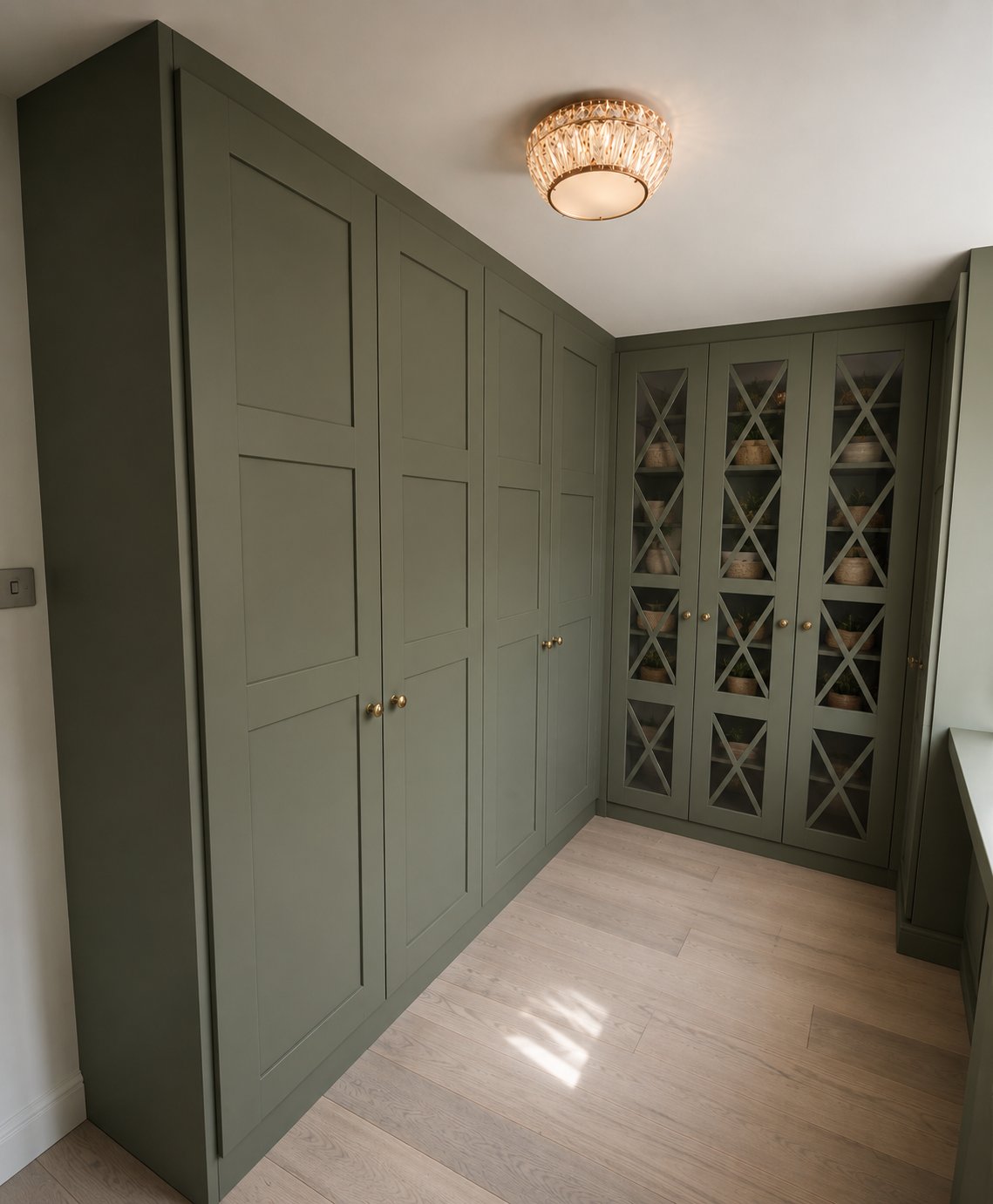
What if your TV wall could make the whole living room feel calmer, not just give the television a place to sit? A custom media unit with storage London residents can have made to measure can bring equipment, cables and everyday essentials into a considered design. Standard furniture may leave awkward gaps around alcoves or fail to suit the proportions of a London room.
If visible devices and clutter are getting in the way, you’re not alone in wanting a living room that feels practical as well as polished. The key is to plan the unit around your room, television and daily routines, rather than choosing storage first and hoping everything fits.
This article will help you prepare for a design discussion with confidence. We’ll look at how to balance concealed cupboards with display space, allow practical access to equipment, and consider the layout, finishes and storage details that matter to you. With those priorities clear, a bespoke media unit can feel like a natural part of your home and make everyday organisation simpler.
Key Takeaways
- A custom media unit with storage London homeowners choose should be planned around the room, household needs and equipment, not just the television.
- List the devices you use and how you need to access them to help shape practical storage priorities.
- Compare open shelving, concealed cupboards and mixed layouts to find a balance between easy access and a calm, uncluttered look.
- Bring room photos, approximate measurements and equipment details to your design consultation. They’re useful starting points for discussing the space.
- Finest Furniture Studio’s bespoke furniture process can include a design consultation, 3D render, manufacture and professional fitting.
What does a custom media unit with storage add to a London living room?
A television, streaming boxes, games consoles and everyday belongings all need a place, but visible equipment and mismatched storage can make a living room feel busy. A custom media unit brings these needs into one planned piece of furniture. Its design is shaped around the room, the equipment and your household’s storage priorities, rather than relying on a standard size or layout.
A made-to-measure design can be planned around the usable wall space, including its width, height and any features that affect the arrangement. This gives you the opportunity to consider how the unit might sit alongside existing furnishings and support the way you use the room. It won’t automatically solve every space constraint, so the design needs to respond to the actual room and your brief.
This guide focuses on living-room media units: how they can combine television equipment, storage and display space in a considered design. It isn’t a general guide to fitted wardrobes or other fitted furniture. For London homeowners considering a custom media unit with storage london, a useful starting point is how the room works day to day.
What can a made-to-measure media unit include?
Depending on your brief and the design, storage may include enclosed cupboards for items you’d rather keep out of sight, drawers for smaller belongings, open shelving for equipment you need to reach, or display areas for selected objects. A mixed arrangement may suit some households, while others may prefer more concealed or open storage. These are options to discuss, not a standard Finest Furniture Studio specification.
The term built-in cabinetry covers different approaches to constructing fitted furniture, including face-frame and frameless designs. For your media unit, the practical question is how its construction and storage arrangement can be planned around your room, equipment and preferred look.
Why do London room layouts matter?
Look beyond the wall where the television will sit. Note any alcoves, chimney breasts or other features that may affect the available space, along with circulation routes, doorways and existing furnishings. Period-home details may shape some London rooms, but every property is different. A design consultation can help assess how these features relate to the proposed unit.
Finest Furniture Studio designs bespoke furniture, including media units, for London homes. When preparing a local brief, consider how the room’s proportions and the way you move through it affect the layout. This applies whether your home is in Richmond, Wimbledon, Putney, Kingston, Chiswick, Fulham, Chelsea, Ealing, Twickenham, Barnes, Hammersmith, Croydon or Slough, or in Reading.
How should you plan media-unit storage around your television and equipment?
Start with what the unit needs to hold, not with a sketch of shelves and cupboards. A clear brief helps a designer plan around the equipment you use, how you access it and what you want to keep close at hand. This makes the design conversation more practical, whether you’re planning a new television set-up or reorganising an existing one.
Which equipment and access needs should you list?
Write down the television and every device you already own or expect to use. Include connected equipment, games consoles, controllers and any other items that need a place in or around the unit. Note which devices need to stay visible, which can be concealed, and how you operate them during everyday use.
Think through access as well as storage. You may need to reach connections when changing a device, and controls need to work from where you normally sit. Routine maintenance should also be possible without making the arrangement awkward to use. Share equipment dimensions and any manufacturer guidance about ventilation or placement with the designer. Requirements vary, so don’t assume one clearance or layout suits every device.
How can storage suit everyday living?
Sort belongings by how often you use them. Controllers and other frequently reached items may need accessible storage, while less-used belongings could be kept behind doors. Then consider whether you’d like open display space, closed storage or a balance of both. A short list of priorities helps turn “hide the clutter” into a more useful design brief.
- List: television, connected devices, controllers and planned equipment.
- Check: which items need visibility, reachable controls or access to connections.
- Prioritise: everyday essentials, items to conceal and anything you’d like to display.
- Discuss: the room and how the proposed layout fits your routine.
Share these notes before reviewing a 3D design render, so you can assess whether the proposed arrangement reflects actual use, not just appearance. Furniture design has long balanced practical purpose and visual character; the V&A’s furniture collection offers a window into that tradition. For a custom media unit with storage in London, bring your equipment list and priorities to a design discussion with Finest Furniture Studio’s bespoke furniture team.
Which custom media-unit layout best balances storage and visual simplicity?
The right arrangement depends on what you want to see, reach and put away. Open shelves can keep selected items accessible, cupboards can give everyday belongings a less visible home, and a mixed layout can combine both functions. None is automatically best. Your viewing habits, storage needs and preferred level of display should guide the brief.
When might open, concealed or mixed storage suit you?
Discuss open shelving if you want equipment or decorative objects visible and easy to reach. Consider concealed cupboards for items you’d rather keep out of sight. A mixed arrangement may offer a balance, but its proportions and suitability depend on the room and design. Use the comparison below to identify what you’d like to explore with a designer.
| Layout type | What it keeps accessible | What to consider |
|---|---|---|
| Open shelving | Items you want visible or readily reached | Which belongings you’re happy to display |
| Concealed cupboards | Items stored behind closed fronts | What you want close by but out of sight |
| Mixed arrangement | A combination of display and closed storage | How much space each function needs |
Think about household habits, too. If you regularly use a device or reach for a particular item, its position matters as much as the overall appearance. For a custom media unit with storage London homeowners are planning, these choices help turn a broad preference into a useful design brief.
How should the unit complement the existing interior?
Note the colours already in the room, the proportions of nearby furniture and any decorative details you’d like the new unit to sit alongside. During a design consultation, you can discuss how the proposed layout and appearance might feel cohesive with the interior, without simply copying existing pieces.
A considered brief also makes it easier to discuss how the project moves from initial ideas towards a design. The RIBA Plan of Work outlines stages used to organise building projects and offers broader context for why clear design conversations matter. For further inspiration, you can also explore the existing guide, “Fitted Living Room Furniture: The 2026 Guide to Bespoke West London Interiors”.

What should London homeowners prepare before a bespoke media-unit design visit?
A little preparation can make a design consultation more focused. You don’t need a finished plan: photographs, approximate measurements and a clear idea of how you use the room are useful starting points. They help you explain what matters, while leaving the designer to assess the space and explore what may work.
What information helps make the design discussion useful?
Take a few photographs of the intended wall, including views that show how it relates to the rest of the living room. If there are alcoves, chimney breasts, doorways or furnishings you want to retain, include these in the images. Approximate measurements of the wall can provide helpful context, but they aren’t a substitute for a professional assessment of the room.
Bring a simple list of equipment and storage needs. Mention access concerns, such as reaching a connection or operating a device, as well as what you’d like to display or keep out of sight. You could also note colours, furniture proportions or details you’d like the new unit to complement. Treat these as preferences to discuss, not instructions for a fixed layout.
- Room: photos of the wall and its relationship to the living area.
- Space: approximate measurements and notes on alcoves or other features.
- Equipment: television, devices and any manufacturer information you have.
- Priorities: storage, access, display preferences and furnishings to retain.
Finest Furniture Studio serves London homeowners, including those in Richmond, Wimbledon, Putney and Chiswick. Check the London locations we serve page for further coverage information.
What should you ask about the design and fitting process?
Ask how the consultation, 3D render, manufacture and professional fitting would apply to your proposed media unit. Before proceeding, clarify which layout and project details will be confirmed, including how the design addresses your room and equipment. If a particular guarantee or installation timeframe matters to you, ask whether it applies specifically to media units and have the answer confirmed for your project.
These conversations help you understand the proposal before making decisions. If you’re planning a custom media unit with storage London homeowners can shape around their room and routines, discuss your media-unit design brief with Finest Furniture Studio.
How does Finest Furniture Studio take a London media-unit project from brief to fitting?
A bespoke media unit should move from an initial conversation to a design that reflects the room and your storage brief. Finest Furniture Studio’s service includes a design consultation, 3D renders, manufacture and professional fitting. For a proposed media unit, use each stage to clarify what has been discussed and what will be confirmed before work proceeds.
What happens during design and visualisation?
The design consultation is an opportunity to discuss the intended wall, television and equipment, storage priorities, preferred appearance and furnishings you want to retain. Share practical details too, such as which items need to stay accessible and what you’d prefer to conceal. A clear brief gives the design discussion a useful starting point, without locking you into a layout before the room has been considered.
Finest Furniture Studio includes 3D renders as part of its wider design service. A render can help you review the proposed design visually and discuss whether its arrangement reflects your brief. Ask what the render will show for your media-unit project, and raise any questions before moving on to manufacture. Formats, revisions and outcomes should be confirmed for the specific project rather than assumed.
Once the design has been discussed, the project can progress through manufacture and professional fitting. Confirm the proposed scope and any media-unit-specific timeframe directly. Don’t assume wardrobe lead times or installation claims apply to media units. If you’d like to understand the range of bespoke furniture services, visit the Finest Furniture Studio services page.
How can you take the next step in London?
You don’t need a complete design prepared before making an enquiry. Photographs, approximate measurements and a list of priorities can help start the conversation. Ask how consultation, visualisation, manufacture and fitting would apply to your proposed unit, and confirm any project-specific details before proceeding.
Finest Furniture Studio serves London, including locations such as Richmond, Wimbledon, Putney and Chiswick. You can check the London areas covered for location information. To discuss a custom media unit with storage London project, contact Finest Furniture Studio.
Bring your living-room plan to life
A well-planned media unit starts with the room and the way you use it. List your television and equipment, decide what needs to stay accessible, and consider how open shelving and concealed storage could suit your household. Photos and approximate measurements can help you explain the space, while a professional assessment can develop the brief further.
Finest Furniture Studio offers bespoke media units alongside fitted furniture, with a process that can include design consultation, 3D renders, manufacture and professional fitting. Discuss the design, project details and fitting arrangements for your home, and confirm whether any guarantee applies to your media unit. That way, you can make informed decisions about a custom media unit with storage London homeowners can plan around their own needs.
Ready to discuss your room and storage priorities? Contact Finest Furniture Studio to arrange a design consultation and take the first step towards a living room that feels more organised and thoughtfully designed.
Frequently Asked Questions
What is a custom media unit with storage?
A custom media unit with storage is furniture designed around a room, its television and equipment, and the household’s storage needs. The layout may include open shelving, enclosed cupboards, drawers or a mix, depending on the design brief. Unlike choosing a standard-sized unit, a made-to-measure approach lets you discuss how the furniture could relate to the available wall space and existing interior.
Can a bespoke media unit be designed for a small London living room?
A bespoke design can be planned with a smaller room’s layout and available wall space in mind, though the right solution depends on a professional assessment. Share approximate measurements, room photographs and details of the television and equipment you use. Whether your home is in Richmond, Wimbledon, Putney or elsewhere in London, discussing circulation routes and furnishings can help shape a practical brief for a custom media unit with storage.
What should I store in a TV media unit?
Start with the television and connected equipment you own or expect to use, then consider controllers and everyday belongings that need a convenient home. You might want frequently used items within easy reach, while keeping less-used possessions concealed. List each device and note any connections, controls or routine access it needs. Check equipment-specific placement or ventilation advice in the manufacturer’s guidance and share relevant details with your designer.
How do I choose between open and closed media-unit storage?
Open shelving suits items you want visible or readily accessible, such as selected devices or display pieces. Closed storage can keep belongings you’d rather not see out of sight. A mixed layout is another possibility, but there’s no single arrangement that suits every household. Think about what you reach for regularly, what you want to display and what you prefer to conceal, then discuss those habits with your designer.
Can a custom media unit be designed to match my existing furniture?
A designer can discuss how the proposed unit might sit alongside your existing furniture and interior. Bring photographs or note the room’s colours, furniture proportions and decorative details you want to retain. These provide useful context for exploring visual cohesion during the consultation. The final design will depend on your brief and the available options, so discuss any preferences directly rather than assuming a particular finish or configuration is standard.
Does Finest Furniture Studio offer a free design visit for media units?
Contact Finest Furniture Studio to confirm whether a design visit for your proposed media unit is free and to check the visit details. The studio serves London, including locations such as Richmond, Wimbledon, Putney and Chiswick. Preparing room photographs and an equipment list can help make the conversation focused, without needing to arrive with a finished design.
Does the 10-year guarantee apply to a bespoke media unit?
Ask Finest Furniture Studio to confirm whether a 10-year guarantee applies to your proposed media unit and request the applicable terms before proceeding. Don’t assume that a guarantee mentioned for bespoke furniture automatically applies to every product or project. Confirming this directly gives you a clear understanding of the cover relevant to your order.

