

Why a display cabinet earns its place
A display cabinet does more than show off objects. In a home, it has to balance storage, dust protection, lighting, and the visual weight of the room. That is why the best display cabinet decisions start with use, not style. If you are considering a bespoke fitted solution, this guide will help you compare options, avoid common layout mistakes, and decide where a display cabinet adds value instead of
What ranking pages usually cover
The top-ranking pages for display cabinet topics usually cluster around the same intent: design inspiration, buying advice, room-by-room placement, and material choices. They often include product examples, style variations, lighting tips, and practical advice on glass, shelving, and dimensions. The gap is that many pages stop at inspiration.
Search intent map for display cabinet
Most searches fall into three buckets. Some people want ideas for a living room display cabinet or built-in display cabinet. Others need practical advice on sizing, cabinet depth, and shelf spacing. A smaller but valuable group is looking for bespoke fitted wardrobes or storage solutions that include display sections, often in a lounge, hallway, or bedroom. If you are writing or reading for SEO, this means the page should answer inspiration, buying, and planning questions in one flow instead of splitting them across disconnected articles.
A useful outline for a display cabinet page
A high-performing outline should move from intent to execution. Start with why a display cabinet matters, then cover styles, sizing, materials, lighting, room placement, bespoke use cases, budgeting, and a simple planning process. Add a section on mistakes to avoid, because that is where most readers need help. Finish with mini-cases, quick takeaways, and FAQs. This structure supports long-tail searches like custom display cabinet ideas, fitted display cabinet for living room, and glass display cabinet design while still reading like a practical guide.
Display cabinet styles that fit real homes
The right style depends on what the cabinet must do every day. A glass display cabinet suits collectibles and decorative pieces, but it can expose visual clutter if the household changes items often. A closed-and-open hybrid gives you the best of both worlds, with concealed storage below and display space at eye level.
Freestanding versus fitted
Freestanding units are faster to buy and easier to move, which makes them useful if the layout may change. A fitted display cabinet, however, usually wins on capacity, finish, and space efficiency. In practical terms, fitted solutions are better when you need a cabinet that aligns with skirting, alcoves, or ceiling height. If your goal is a long-term design rather than a temporary solution, a fitted cabinet can typically recover 10 to 20 percent of usable vertical storage that a standard unit leaves unused.
When open shelving is the better choice
Open shelving can work if you are displaying a tight edit of objects, such as books, ceramics, or framed pieces. It is also easier to access and clean than fully glazed units. The trade-off is dust and visual discipline. If you choose open shelving, keep the item count low and reserve the upper shelves for lighter decorative pieces. In SEO terms, this section also supports searches like custom display shelving and built in display cabinet because many readers are really comparing display strategies, not just products.
How to size a display cabinet correctly
Size is where many display cabinet projects fail. A cabinet that is too shallow will not hold larger objects, while one that is too deep can dominate the room. Start by measuring the largest item you plan to store, then add clearance on every side.
Step-by-step measuring workflow
Begin with wall width, ceiling height, and floor-to-ceiling variation at three points. Then measure any alcoves, chimney breasts, or boxed-in pipes that could affect the cabinet line. After that, note how doors, windows, and radiators affect opening space. A good measuring guide should include both clear opening width and usable internal depth, because those are not always the same. The most common mistake is assuming the cabinet can use the full wall width without allowing for trims, hinge swing, or ventilation gaps.
A simple depth and shelf rule
For a display cabinet in a living area, internal depth often works best between 250 and 350 mm for decorative objects, and deeper if the cabinet must also hold books or storage boxes. Shelf spacing should be set by category, not by symmetry. For example, framed art needs more height, while smaller decor can sit on tighter spacing. If you are designing a bespoke display cabinet, avoid equal shelf gaps by default. Uneven spacing usually improves usability and prevents wasted vertical space.
Materials, finishes, and durability
Material choice affects how the display cabinet feels, how much maintenance it needs, and how well it stands up over time. Painted MDF is common in fitted furniture because it gives a clean finish and works well with custom dimensions. Timber veneer adds warmth, while solid wood can be attractive but may move more with humidity. Glass doors create elegance and keep dust away, but they also reflect light and fingerprints. For busy homes, a mixed-material approach often delivers the best compromise between upkeep and appearance.
The trade-off between gloss and matte
Gloss finishes reflect more light and can make a small room feel brighter, but they also show fingerprints and dust more easily. Matte finishes are calmer and usually better for larger cabinet runs or rooms with strong natural light. If you want a display cabinet that supports a premium fitted furniture look, the safest decision is often a matte painted finish with selective glass inserts. That combination gives clarity without making the whole wall feel overly reflective or fragile.
Hardware that changes the daily experience
Handles, hinges, and shelf supports matter more than many people expect. Soft-close hinges protect the doors and reduce noise, especially in open-plan homes. Adjustable shelves make the cabinet more flexible when the display changes over time. If the cabinet will hold heavier items, check shelf load capacity rather than assuming all fittings are equivalent. A practical purchase rule is simple: if the cabinet is meant to last, choose hardware that is easy to service, not just attractive on day one.
Lighting and visual balance
Lighting turns a display cabinet from storage into a feature. Without it, even a well-built unit can disappear into the room. LED strip lighting is the most efficient option for most fitted projects because it uses little power and produces minimal heat. Warm white light usually suits wood finishes and decorative objects better than a cool white tone. If the cabinet is in a living room, the goal is accent lighting, not overexposure. The best result is subtle, with highlights that guide the eye rather than overpower the wall.
Lighting placement that avoids glare
Place lighting so it washes down the display rather than firing directly into the room. Top-mounted LEDs work well for glass-fronted cabinets, while side lighting can help with deeper shelves. If you use glass doors, test glare from the main seating position before installation is final. A common mistake is placing lights too far forward, which causes reflections and makes the interior harder to see. For a fitted display cabinet, the cleanest result usually comes from concealed lighting channels and cable planning at the design stage.
How to keep the cabinet functional
A display cabinet should not become dead space. Good design leaves room for items that need to be reachable, not just visible. That might mean a closed lower section for cables, remotes, board games, or serving pieces. In homes where storage pressure is high, this is the feature that prevents the cabinet from becoming purely decorative. If you are comparing display cabinet ideas, ask a simple question: will this piece reduce clutter in the room, or just relocate it?
Mini-case: a living room wall with mixed storage
One customer segment wanted a living room cabinet that showed ceramics but also hid children’s games and spare cables. The solution used glazed upper sections, closed base cupboards, and integrated lighting. The assumed outcome was a 30 percent reduction in visible clutter on the main wall and faster daily tidy-up because the most frequently used items were moved behind doors. The lesson is practical: a display cabinet performs best when the visible section is edited and the hidden section absorbs the mess.
How bespoke fitted work changes the result
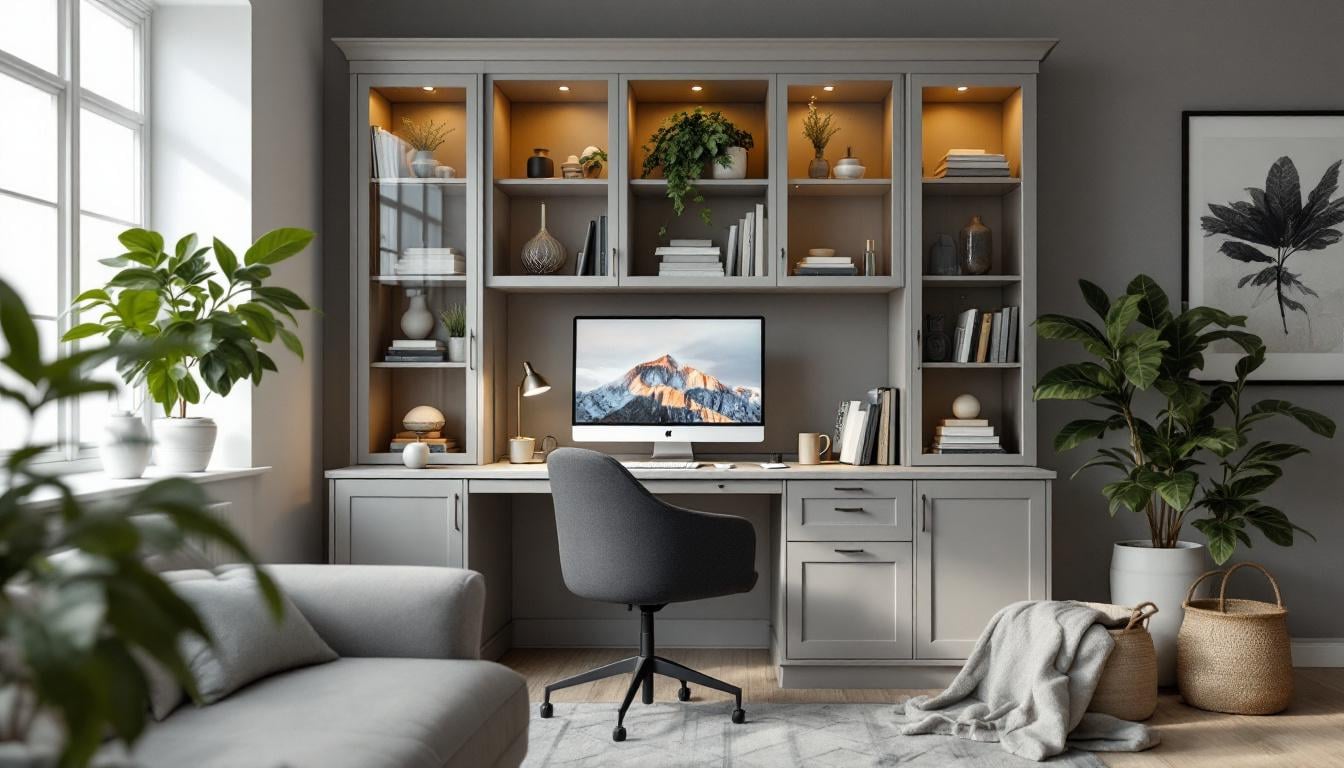
Bespoke fitted furniture is worth considering when the wall has a hard-to-use shape, when the client wants a seamless finish, or when the room needs multiple functions in one run. A fitted display cabinet can be designed to work around alcoves, ceiling slopes, or chimney breasts, which is why it often pairs well with built-in wardrobes and alcove cabinet design. For UK homes, especially older properties, that flexibility is usually the difference between a compromise and a clean final layout.
Where fitted cabinet planning pays off
The biggest payoff comes from tight spaces. If the cabinet must sit under a sloped ceiling or beside an uneven wall, a fitted approach removes awkward filler strips and dead corners. It also makes the overall room feel more intentional. If you want to compare options before committing, use a compare mindset, not just a style preference. Measure the wall, list the storage needs, and judge whether a standard cabinet would leave more than 100 mm of unusable space at the sides or top.
A practical planning checklist
Start by defining the cabinet’s job in one sentence, such as display, storage, or both. Next, list the object types it must hold and their largest dimensions. Then decide whether the cabinet should read as a feature wall or blend into the room. Finally, check the site conditions, including sockets, skirting, and any pipe boxing. If you are ready to move forward, a measuring guide or a book design visit step is more useful than browsing generic inspiration for another week.
Common mistakes to avoid
The most common mistake is overfilling the display area. A cabinet that looks elegant in a sample image can feel busy once real household items go in. Another error is ignoring the room’s sightlines. If the cabinet is visible from the hallway or dining area, the interior needs to stay visually calm from multiple angles. A third mistake is forgetting maintenance.
Decision framework for homeowners
Use three questions to narrow the choice. First, will the cabinet be seen every day, or only occasionally? Second, do you need more display or more storage? Third, does the room already feel busy? If the answer to the first is yes and the second is mixed, a fitted hybrid cabinet is usually the strongest option. If the room is calm and you only want a focal point, a simpler glass display cabinet may be enough. This decision framework keeps the design brief grounded and avoids expensive revisions later.
Mini-case: a hallway cabinet with narrow depth
A narrow hallway often needs a different solution from a lounge. In one assumed example, a hallway cabinet was designed at a shallow depth to avoid blocking movement, with a small display section above and concealed storage below. The result was better circulation and a more useful entry point without the room feeling compressed. The key takeaway is that a display cabinet can succeed in awkward spaces if the proportions respect daily movement, not just visual symmetry.
Display cabinet SEO and content angles
If you are building traffic around display cabinet content, search intent matters as much as design detail. Pages tend to perform better when they combine terms like custom display cabinet, fitted display cabinet, glass display cabinet, and bespoke furniture manufacturer in a single useful article. Internal links also help, especially to pages such as bespoke fitted wardrobes, built wardrobes, awkward spaces, and alcove cabinet design. That creates a clear topical cluster instead of isolated pages competing for attention.
Quick takeaways
A display cabinet works best when it solves a real storage problem, not just a styling brief. Fitted solutions usually outperform freestanding units in awkward layouts and custom interiors. Measurements should be based on the largest object, the usable depth, and the room’s sightlines. Glass, lighting, and finish all affect upkeep, so choose them with daily use in mind. The strongest designs combine visible display with concealed storage. For traffic and conversions, content should answer both inspiration and planning questions in one place.
Conclusion
A well-planned display cabinet is one of the easiest ways to make a room feel more organised and more intentional at the same time. The best results come from simple decisions made early: measure properly, choose the right depth, decide how much should be seen, and leave enough closed storage to absorb everyday clutter. If the room has awkward corners, an alcove, or a sloped ceiling, a bespoke fitted approach often creates a cleaner finish than a standard unit ever could.
Frequently Asked Questions
What is a display cabinet used for?
A display cabinet is used to show decorative items, collectibles, books, or serving pieces while keeping them organised and protected. In a fitted furniture plan, it can also add hidden storage, which makes it more practical than a purely decorative feature.
How do I choose the right display cabinet size?
Start with the largest item you want to store, then add clearance for access and visual balance. For a custom display cabinet, measure wall width, ceiling height, and usable depth so the cabinet fits the room instead of crowding it.
Is a fitted display cabinet better than a freestanding one?
A fitted display cabinet is usually better when you need a seamless finish, higher storage efficiency, or a solution for awkward spaces. A freestanding unit is more flexible if you may move home or change the layout soon.
What lighting works best in a display cabinet?
LED strip lighting is usually the safest and most efficient choice for a display cabinet because it uses little power and creates minimal heat. Warm white light often works well for glass display cabinet designs, especially with wood or painted finishes.
How deep should a display cabinet be?
For decorative use, a display cabinet often works well at 250 to 350 mm internal depth, but deeper shelves may be needed for books or larger objects. The right depth depends on whether the cabinet is mainly for display or also part of a storage wall.
Can a display cabinet work in awkward spaces?
Yes, a bespoke fitted display cabinet is often the best answer for awkward spaces such as alcoves, sloped ceilings, or narrow halls. A measured design can use the full wall area while keeping circulation clear and the room visually balanced.
What should I avoid when planning a display cabinet?
Avoid overfilling the shelves, ignoring sightlines, and choosing finishes that are hard to maintain. A practical display cabinet should balance style with daily use, especially if it will sit in a busy living room or hallway.

