
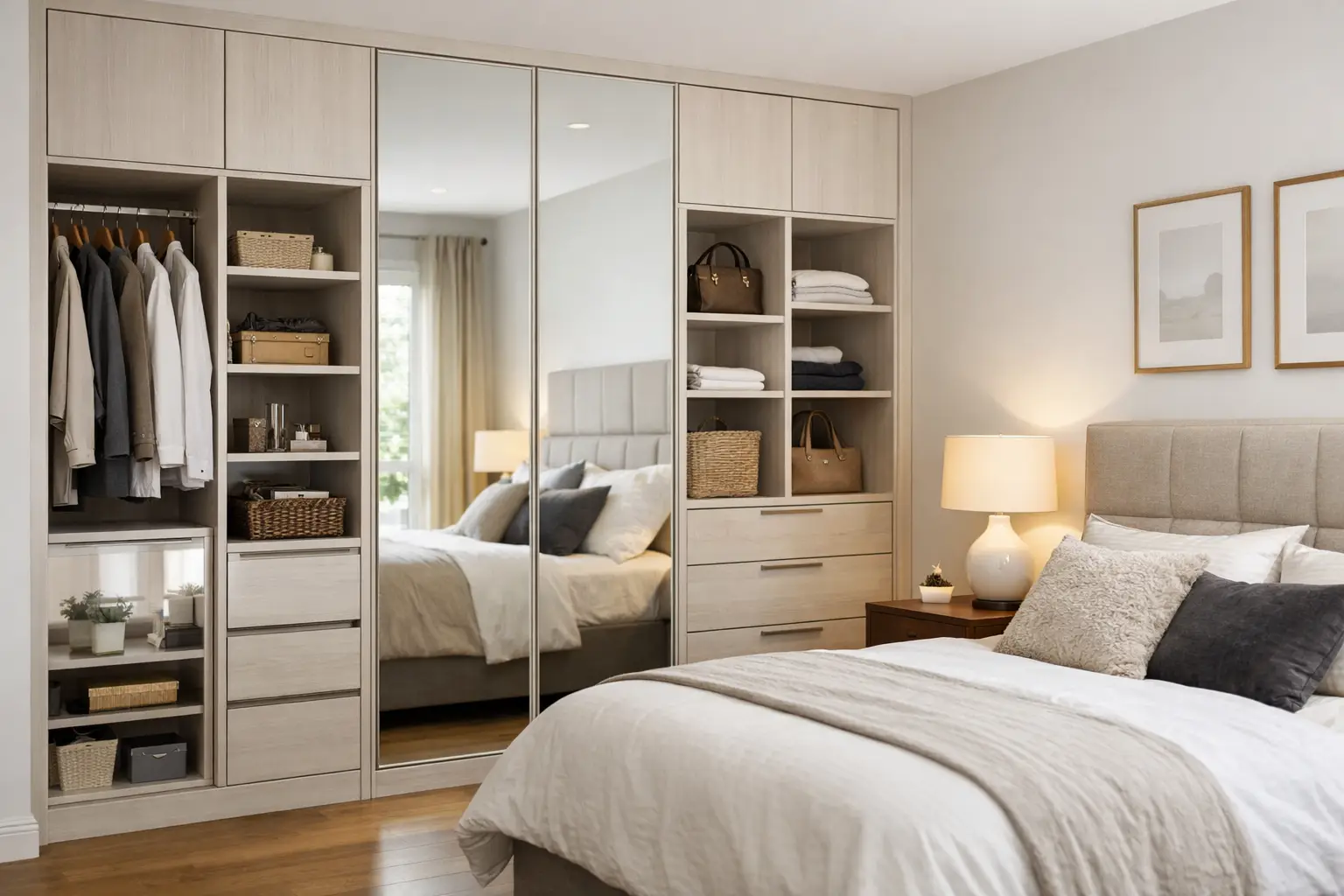
A beautiful bedroom can still feel cluttered if the storage is wrong. That is why fitted wardrobes London homeowners choose are rarely just about adding more shelves. They are about making the room work properly – visually, practically and in a way that suits how you live every day.
In London homes, that matters even more. Period properties bring alcoves, chimney breasts and uneven walls. New-builds can feel short on useful storage despite clean layouts. Loft conversions often come with sloping ceilings that defeat standard furniture. A well-designed fitted wardrobe turns those limitations into something purposeful, whether you want a calm main bedroom, a compact solution for a smaller room or a walk-in space that feels tailored rather than improvised.
Why fitted wardrobes in London make more sense than freestanding furniture
Freestanding wardrobes leave gaps, waste height and often look disconnected from the room itself. In a city where every square metre counts, that can be an expensive compromise. Fitted furniture is made to the exact dimensions of the space, so awkward corners, recessed walls and full ceiling height become usable storage rather than dead space.
There is also the visual difference. A wardrobe designed around the architecture feels quieter and more considered. It can make a modest bedroom appear larger because the lines are cleaner and the proportions are right. Instead of several pieces competing for space, you have one integrated solution that brings order to the room.
That does not mean fitted is always the right route for everyone. If you move often, want something temporary or are furnishing a short-term property, freestanding furniture can be more flexible. But for homeowners renovating, extending or improving a long-term home, fitted wardrobes usually deliver better use of space and a more polished result.
What good fitted wardrobes London projects have in common
The best wardrobes are not defined by door style alone. They work because the internal layout matches the household. That sounds obvious, yet it is where many projects succeed or fail.
A couple sharing one wardrobe needs different proportions than a single person with a large shoe collection. A main bedroom may need long hanging, double hanging, drawers, laundry sections and hidden storage for luggage. A child’s room might need accessible rails now, with flexibility for later. In a loft room, every centimetre under the slope needs to be thought through carefully rather than simply boxed in.
Good design starts with use, then shape, then finish. That order matters. Beautiful doors will not fix a wardrobe interior that does not suit your routines.
The interior matters as much as the exterior
Wardrobe interiors should feel effortless to use. Shelves that are too deep become black holes for forgotten clothes. Hanging rails placed without reference to garment length waste height. Drawers without sensible categories quickly become overflow storage.
A better approach is to create zones. Everyday clothing should sit at the easiest reach. Seasonal pieces can go higher up. Shoes, jewellery, handbags and folded knitwear all benefit from dedicated places rather than generic shelving. If you are investing in bespoke furniture, the interior should be part of the luxury, not an afterthought.
Door style changes the feel of the room
Hinged wardrobes offer a classic look and full access to each section. They suit larger bedrooms and period homes particularly well, especially when paired with shaker detailing or painted finishes.
Sliding wardrobes are excellent where clearance is tighter. They bring a cleaner, more contemporary look and work well in modern homes or where you want wider doors without swing space. Mirrored panels can help bounce light around a darker room, though in some interiors they can feel too stark. It depends on the overall scheme.
Walk-in wardrobes sit in a category of their own. When space allows, they create a dressing area that feels calm, private and highly organised. But they need proper planning. A walk-in that is too shallow or overly ambitious can end up less practical than a beautifully designed fitted wall of wardrobes.
Designing for awkward spaces, not against them
This is where bespoke storage earns its value. London homes often come with character, but character usually arrives with quirks. Alcoves, boxed pipework, low ceilings and uneven corners are common. Standard furniture treats these features as problems. Made-to-measure furniture treats them as part of the brief.
A wardrobe built into alcoves can frame a chimney breast and make the entire wall feel intentional. Over-bed units can add real storage in smaller bedrooms without making the room feel overcrowded, if they are designed with the right depth and balance. Sloping ceiling wardrobes in loft conversions need stepped sections, smart rail placement and a finish that prevents the room from feeling heavy.
These details are not minor. They are often the reason one fitted wardrobe looks expensive and another looks simply built in.
Style choices that last beyond trends
Most homeowners want fitted furniture to feel current, but not so fashion-led that it dates quickly. The safest route is usually to choose timeless proportions and let the finish set the mood.
Wood effect wardrobes bring warmth and texture, especially in more contemporary schemes. Painted finishes feel softer and can tie into bedroom joinery or wall colours. Shaker fitted wardrobes remain popular because they suit both traditional and modern interiors, depending on the handle choice and colour. Sleek slab doors work well where the aim is minimal and architectural.
The key is to think about the whole room. Wardrobes do not sit in isolation. Flooring, wall colour, lighting and any bedside joinery all affect how the final piece reads. A wardrobe should feel like it belongs in the room, not like it was chosen from a separate conversation.
Budget, value and what pricing really reflects
Price matters, but headline cost rarely tells the full story. Two wardrobes with a similar width can vary significantly depending on internal specification, finish, door type and installation complexity. A simple hinged wardrobe from around £1,800 will be a very different proposition from a large walk-in, sliding system or fully fitted bedroom designed across multiple walls.
This is where transparent pricing is important. Homeowners should understand what they are paying for: design input, made-to-measure manufacturing, materials, interior configuration, delivery and fitting. Cheaper quotes can look attractive at first glance, but they may leave out details that affect longevity and day-to-day use.
Value is not about choosing the lowest number. It is about investing in furniture that genuinely improves the home, stands up to daily life and avoids the cost of replacing a poor solution later.
Installation should feel straightforward
A bespoke project does not need to be stressful. In fact, the best experience is usually calm and well managed from the first design visit onwards. Measurements should be precise, drawings should reflect how you actually want to use the wardrobe and fitting should be efficient enough that the project feels exciting rather than disruptive.
For many homeowners, speed matters alongside quality. A fitting timeline of around 7 to 10 days can be especially appealing when you are coordinating other works, moving into an extension or trying to complete a bedroom before family life takes over again. Fast only works if the preparation is strong, though. Good manufacturing and good installation depend on good planning.
Choosing a wardrobe company in London
When comparing providers, look beyond glossy images. Ask whether they manufacture to order, whether the design is genuinely bespoke and how much thought goes into wardrobe interiors. Look for evidence of real projects, not just visual inspiration. The difference shows in how well the furniture responds to actual rooms and actual routines.
It is also worth asking about guarantees, installation standards and how changes are handled during the design stage. A 10-year guarantee offers reassurance, but so does clear communication and a process that feels tailored rather than rushed.
For homeowners who want elegant storage without wasting time on trial and error, that combination of design awareness, practical advice and reliable fitting is often what turns a good wardrobe into a worthwhile investment.
At Finest Furniture Studio, that is exactly how we approach fitted wardrobes, walk-in wardrobes and integrated storage – as part of a better way to live in your home, not simply a place to hang clothes.
The right wardrobe should make the room feel calmer the moment you walk in, and life a little easier every day after that.

