
What soft close wardrobes actually solve
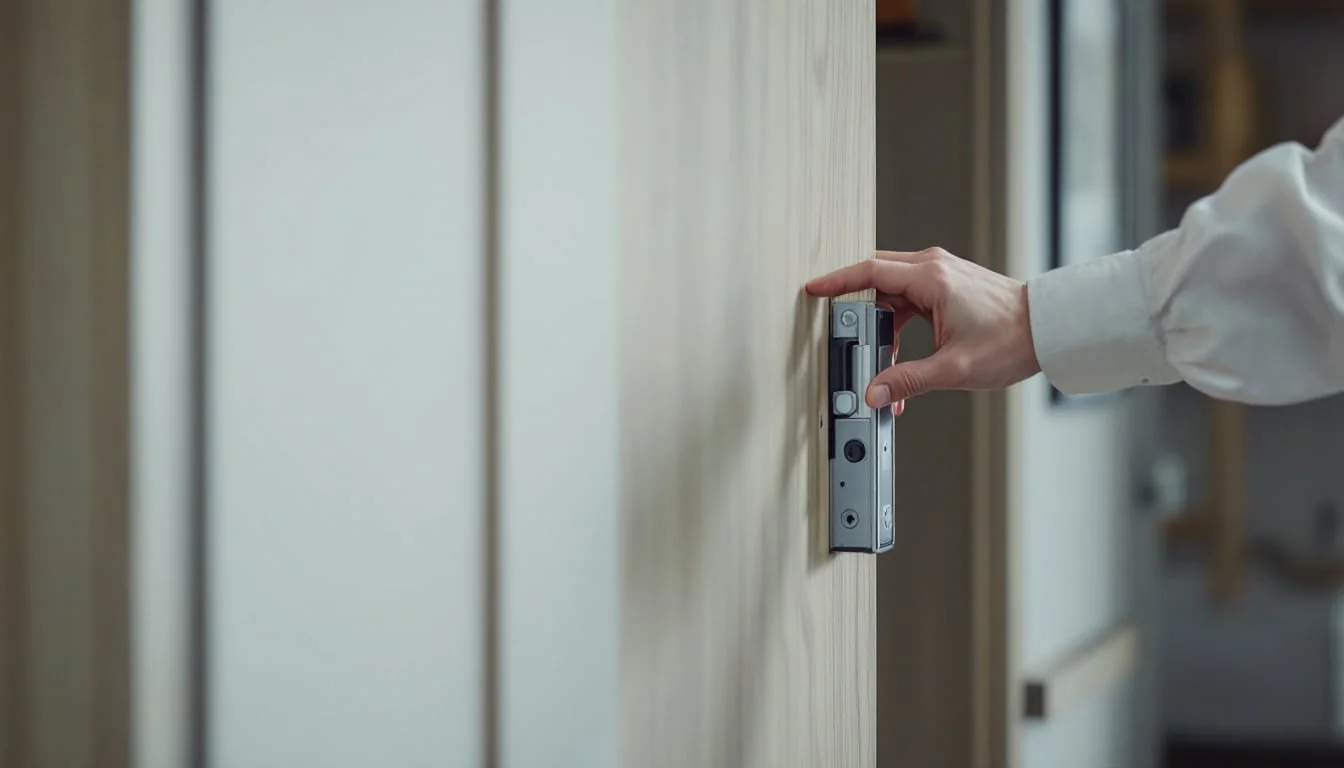
Soft close wardrobes are less about a luxury label and more about removing everyday friction. The mechanism slows the door in the final part of the closing motion, so you avoid slamming, noisy impact, and long-term wear on hinges, runners, and surrounding panels. If you are comparing fitted storage options, that quiet close is often the detail people notice first after installation, especially in bedrooms and shared spaces. For many buyers, the real value of soft close wardrobes is not only comfort, but the reduction in repeated micro-damage that can show up over time as misalignment, chipped edges, or loose fittings.
How the mechanism works
A soft close system usually combines a hinge, piston, damper, or runner-based braking action that slows movement just before the door reaches its frame. In practical terms, the door is allowed to travel normally, then the mechanism takes over in the last few centimetres. The result is controlled motion rather than impact. With soft close wardrobes, the exact hardware matters more than the label, because a weak damper on a heavy door will feel inconsistent, while an over-specced mechanism on a light door can feel stiff or over-engineered.
Choose the right door type first
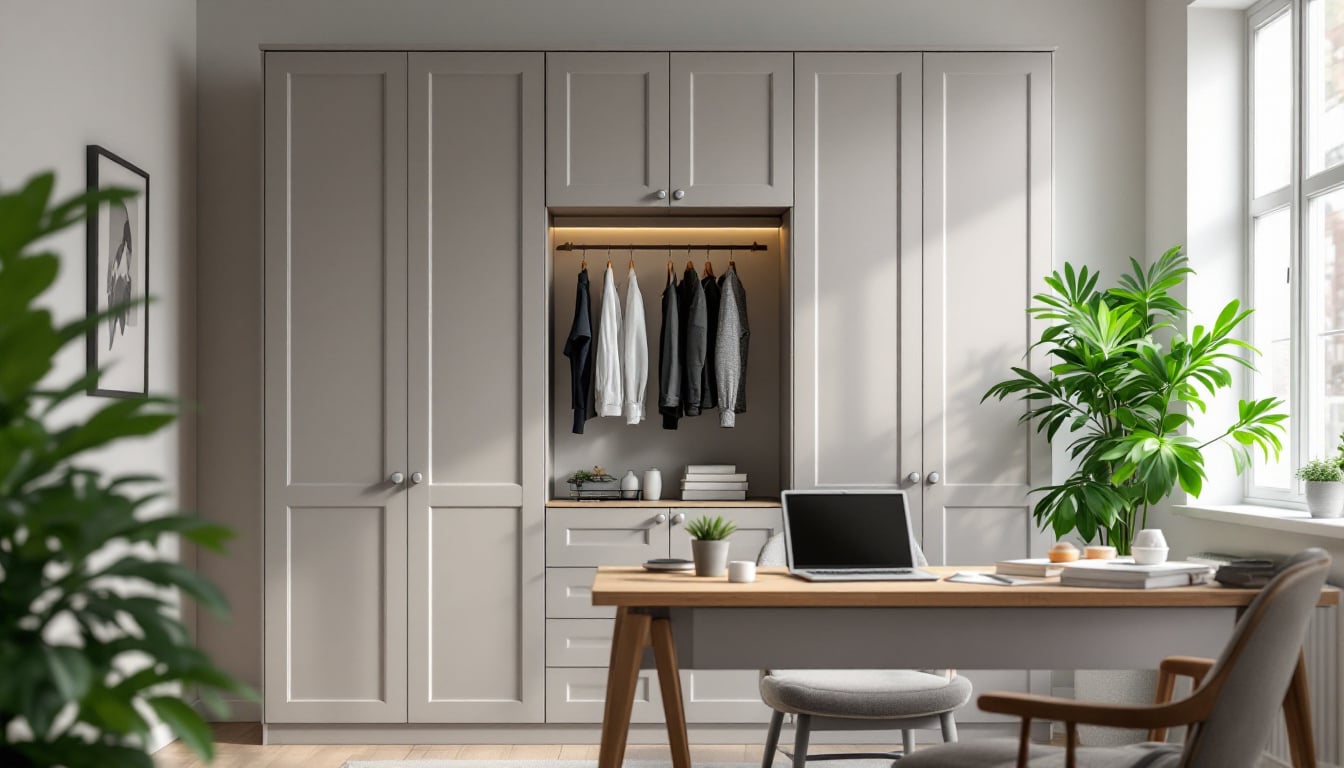
Not every wardrobe behaves the same way, so the first decision is whether you are dealing with hinged, sliding, or built-in fitted doors. Soft close wardrobes are most straightforward with hinged doors because the closing arc is predictable and the hinge can absorb the braking force. Sliding systems need track-compatible dampers, which are more dependent on accurate alignment. If you are reviewing a measuring guide or planning bespoke fitted wardrobes, match the hardware to the opening style before you decide on finish, handle profile, or internal layout.
Hinged doors versus sliding doors
Hinged doors tend to deliver the cleanest soft close feel because the closing action is direct and easy to calibrate. Sliding wardrobes can also be soft close wardrobes, but the benefit depends on track quality, door weight, and the accuracy of the guide rails. The trade-off is simple: hinged doors are usually easier to service and adjust, while sliding doors save space in tight rooms. If access space is limited, sliding may win, but if you want the most reliable soft-close performance, hinged often has the lower risk.
Material weight changes the feel
Door material changes the amount of force the mechanism must control. A mirrored or thick-panel door places more demand on the hinge or runner, while a lighter MDF or laminate door can feel more forgiving. That is why soft close wardrobes should be specified after the final door construction is known, not before. A common mistake is choosing hardware from a catalog without checking the load rating. If the door is heavier than the mechanism’s comfort range, you will feel bounce, uneven closure, or premature wear.
What to check before you buy
Before choosing soft close wardrobes, check three things: door weight, available clearance, and service access. The first two decide whether the mechanism will work smoothly, while the third decides how painful future maintenance will be. If you are comparing custom wardrobes London suppliers or another fitted furniture provider, ask whether the soft-close hardware is replaceable without dismantling the whole wardrobe. That question often separates a well-built system from one that looks premium on day one but becomes awkward to maintain later.
A practical specification checklist
A useful buying checklist is short. Confirm the door dimensions, ask for the mechanism brand or specification, verify the load rating, and check whether adjustment can be done after installation. If you are ordering bespoke fitted wardrobes, also ask whether the same hardware is used across the range or only on selected doors. Consistency matters because mixed hardware creates inconsistent closing speeds, which users interpret as poor quality even when the finish looks excellent.
Where soft close adds the most value
Soft close wardrobes are most useful in bedrooms, nursery spaces, compact apartments, and homes where noise travels easily. In a quiet room, a soft-close door is more than a convenience, it protects the room’s feel. It also helps in wardrobes with mirrored fronts or painted finishes, where repeated impact can lead to visible damage. If the wardrobe is part of a fitted run with alcove cupboards or built-in storage, soft close hardware creates a more consistent feel across all moving elements.
Noise reduction is the hidden benefit
Most people buy soft close wardrobes for comfort, but the hidden gain is a lower noise floor in the room. That matters if the wardrobe sits near a sleeping area or next to a wall shared with another room. Even a small reduction in slamming can change how the space feels day to day. The best way to judge it is simple: if the wardrobe will be opened and closed many times a day, the soft-close mechanism pays for itself in reduced annoyance, not just visual polish.
Why alignment matters more than branding
A premium label does not fix poor alignment. Soft close wardrobes only work well when the frame is square, the door gaps are even, and the hinge positions are set correctly. If one side closes smoothly and the other side catches, the issue is usually installation rather than the damper itself. The decision rule is straightforward: if the wardrobe is fitted furniture, spend more attention on measurement and alignment than on decorative extras. A flawless finish with poor geometry will still feel off when you use it.
Installation sequence that avoids rework
The cleanest installation sequence is to confirm the room measurements, level the carcass or frame, hang the doors, test the motion, and only then fine-tune the soft-close setting. Skipping the test step is a common mistake. If the soft close is set before the wardrobe is fully aligned, you often end up compensating for a problem that should have been solved mechanically first. This matters even more in sloped cupboards or loft wardrobes, where geometry is less forgiving and tiny errors get magnified.
Common problems and fast fixes
The most common issues with soft close wardrobes are doors that shut too slowly, do not engage at all, or rebound at the end of travel. Too-slow closing usually means the damper is over-resisting for the door weight. No engagement often points to poor hinge placement or a mechanism that is not fully seated. Rebound usually signals misalignment or a door that is too heavy for the hardware. The fix is usually not replacing everything, but checking load, position, and alignment in that order.
When a hinge swap is enough
If the wardrobe is otherwise well built, changing the hinge or damper can solve the issue without touching the full installation. That is one reason many buyers prefer wardrobes with serviceable hardware. A fitted wardrobe should not become a full rip-out project because one component wears out. Ask whether replacement parts are standardised, especially if you expect long-term use. In practical terms, a maintainable system is worth more than a slightly smoother demo in the showroom.
How soft close affects wardrobe design choices
Soft close wardrobes influence more than the door hardware. They can change handle selection, door thickness, and even the way internal storage is organized. Heavier doors often need simpler profiles to keep movement balanced, while handleless or flush designs rely on precise closing action to feel refined. If you are planning a wardrobe doors design update, make sure the aesthetic choice does not create an unnecessary load penalty. The best designs are the ones that look light but remain easy to maintain.
Handles, grip, and user behavior
Handle choice affects how the mechanism is used. A prominent handle invites a firm pull and a controlled close, while a recessed or integrated grip can encourage lighter contact and more frequent touches on the edge. With soft close wardrobes, this is not a minor detail because user behavior changes the wear pattern. If the wardrobe will be used by children or multiple adults, choose hardware that tolerates different closing habits rather than relying on a single ideal motion.
What separates good quality from marketing noise
A good soft-close system feels consistent across every door, works quietly, and remains adjustable after installation. A poor one may feel impressive on the first day and then drift out of tune within months. The telltale sign of quality is not just silence, but repeatability. If the same door closes smoothly ten times in a row, without bounce or hesitation, you are closer to the standard you want. That consistency is what makes soft close wardrobes feel premium in real use, not just in photos.
The short test you can do in a showroom
Open and close each door several times, using the same amount of force each time. Listen for bounce, watch whether the door aligns evenly, and check whether the speed changes from one door to the next. If you are comparing custom wardrobes, this simple test reveals more than a polished display ever will. A showroom is not just for finish samples, it is the fastest way to detect whether the mechanism is calibrated properly or simply hidden behind attractive surfaces.
Maintenance that keeps the mechanism working
Soft close wardrobes need surprisingly little maintenance, but they do need occasional checking. Dust, loose screws, and shifted hinges are the usual culprits when performance drops. A seasonal inspection is enough for most homes: look for movement in the hinge cups, test the closing speed, and confirm that doors still meet evenly. If a wardrobe is near a busy hallway or gets daily heavy use, a twice-yearly check is more sensible. Small adjustments prevent the slow drift that turns a good mechanism into an irritating one.
When to pair soft close with bespoke storage
Soft close wardrobes make the most sense when the storage is already being tailored to the room. If the design includes fitted wardrobes, built-in wardrobes, or a walk-in layout, the door hardware should match the quality of the rest of the build. This is where bespoke fitted wardrobes are easier to specify correctly, because the dimensions, weight, and internal arrangement can be planned together. That reduces compromise and makes the soft-close function feel like part of the furniture, not an add-on.
Quick Takeaways
Soft close wardrobes reduce noise, protect finishes, and improve day-to-day usability, but only when the hardware is matched to the door weight and style. Alignment matters as much as the mechanism itself, so measurement and installation quality should come before decorative upgrades. Hinged doors are usually easier to tune than sliding systems, while heavier doors need hardware with a proper load rating. The most practical buying test is repeatability, not just a single smooth showroom close.
How to decide if soft close is worth it
The decision comes down to use frequency, room sensitivity, and the type of wardrobe you are buying. If the wardrobe opens several times a day, sits in a quiet bedroom, or includes mirrored or painted fronts, soft close wardrobes are usually worth specifying. If the installation is very temporary, budget-driven, or heavily exposed to misuse, the value is lower. A simple rule is to choose soft close when you want quieter operation and longer hardware life, but only if the installation can support the extra precision it needs.
A sensible next step for a fitted project
If you are planning a new fitted wardrobe, start with a measuring guide, confirm the door type, and ask how the soft-close hardware will be serviced later. That sequence avoids most of the problems people only notice after installation. For readers comparing options, the practical question is not whether soft close wardrobes sound good in theory, but whether the whole system – door weight, frame accuracy, and fitting quality – supports them. That is the point where a well-planned design, including options like bespoke wardrobe solutions, becomes easier to live with every day.
Conclusion
Soft close wardrobes work best when they are treated as part of a wider fitted system, not as a decorative upgrade. The mechanism itself is only one piece of the puzzle. Door weight, alignment, service access, and installation accuracy all shape whether the final result feels smooth or frustrating. If those pieces are right, soft close wardrobes give you quieter use, less impact on finishes, and a more settled feel in the room. If they are wrong, even expensive hardware can feel underwhelming.
Frequently Asked Questions
What are soft close wardrobes?
Soft close wardrobes use hinges, dampers, or runners that slow the door in the final part of closing. The result is quieter use, less impact on the frame, and better day-to-day comfort. They are especially useful in fitted wardrobes and bedroom storage where repeated slamming becomes annoying.
Are soft close wardrobes worth it for fitted wardrobes?
Yes, if the wardrobe is used often and you want quieter operation with less wear on the finish. Soft close wardrobes for fitted wardrobes are usually most valuable when the doors are heavy, mirrored, or built into a room where noise matters. The main trade-off is that the hardware must be installed and aligned properly.
How do I choose the right soft close wardrobes hardware?
Start with the door weight, door style, and how much adjustment access you will need later. Look for load ratings that match the actual door, not just the showroom sample, and confirm whether replacement parts are standard. For soft close wardrobes hardware, consistency and serviceability matter as much as brand name.
Can sliding soft close wardrobes work as well as hinged doors?
They can, but they depend more on track quality and accurate installation. Sliding soft close wardrobes are best when you need to save floor space, while hinged doors are usually easier to adjust and service. If the room allows it, hinged systems often give the most predictable soft-close feel.
Why are my soft close wardrobes not closing properly?
The most common causes are misalignment, incorrect load rating, or a damper that is not seated correctly. If soft close wardrobes are closing too slowly, bouncing, or failing to engage, check the hinges, door weight, and frame alignment in that order. Small adjustments often fix the problem without replacing the entire system.
How long do soft close wardrobes mechanisms last?
There is no universal lifespan because usage, door weight, and installation quality all affect wear. In normal home use, soft close wardrobes mechanisms can last well for years if the doors stay aligned and the fittings are checked occasionally. Seasonal maintenance and proper installation make the biggest difference.
Do bespoke fitted wardrobes make soft close wardrobes easier to get right?
Usually yes, because the doors, frame, and hardware can be planned together from the start. Bespoke fitted wardrobes make it easier to match the load rating, adjust the spacing, and keep the closing motion consistent. That reduces the risk of the soft-close mechanism feeling stiff or uneven after installation.

