

Table of Contents
- What Determines the Cost of Custom Home Office Furniture
- Understanding Fitted Home Office Cost Factors
- Custom Desk Cost: Materials, Size and Specification
- Built-in Office Desk and Shelving: Space Planning and Investment
- Home Office Furniture Materials: How They Influence Price
- Budget Ranges: From Entry-Level to Premium Solutions
- Getting a Quote and Avoiding Hidden Costs
- Conclusion
- Frequently Asked Questions
Last Updated: October 19, 2026
What Determines the Cost of Custom Home Office Furniture
The cost of custom home office furniture depends on several key factors. Space size, materials, complexity, and customisation level all play a role. Understanding these drivers helps you budget properly and avoid surprises.
When you invest in bespoke furniture for your home office, you’re paying for more than just materials. Design consultation, precision fitting, and skilled labour add real value. At Finest Furniture Studio, we’ve found that transparent pricing from the start prevents frustration later.
The biggest cost drivers fall into three categories: what you’re building, what it’s made from, and how it fits your space. A simple desk costs less than a floor-to-ceiling fitted system with multiple storage zones. Solid oak costs more than engineered board. And fitting around an awkward alcove or sloping ceiling adds complexity that affects the final price.
Most people underestimate how much design matters. A well-planned layout maximises storage and function. Poor planning wastes both money and space. That’s why a free design visit at the start saves money down the line.
Request a detailed quote that breaks down materials, labour, and fitting separately. This transparency helps you spot where costs come from and where you might adjust specifications to match your budget.
Understanding Fitted Home Office Cost Factors
Several specific elements influence the fitted home office cost. These include room dimensions, the number of storage zones, material selection, and installation complexity.
Room size matters most. A small alcove fitted wardrobe costs less than a full wall system. Linear metres of cabinetry is often how bespoke suppliers price work. Larger spaces mean more materials and more labour time.
Storage complexity drives costs up. Basic shelving is straightforward. Adding drawers, pull-out trays, cable management, and internal organisation systems increases the price. Each feature adds materials and assembly time.
Installation difficulty affects labour. A simple rectangular room is cheaper to fit than one with sloping ceilings, alcoves, or pillars. Awkward spaces require custom cuts and careful planning. This is where experienced craftspeople earn their fee.
Lead times and scheduling. Standard designs with shorter lead times may cost less than bespoke work with longer timescales. Rush orders typically carry a premium.
The cost of custom home office furniture also reflects the quality of materials and finishes. Budget ranges vary widely depending on what you choose. Entry-level options use engineered board and basic hardware. Premium solutions feature solid wood, soft-close mechanisms, and integrated lighting.
The three biggest cost drivers are space size, storage complexity, and material quality. Understanding these helps you make informed decisions about where to invest and where to economise.
Custom Desk Cost: Materials, Size and Specification
A custom desk cost depends on the size, material, and features you select. Smaller desks with basic finishes cost less. Larger surfaces with premium materials and integrated storage cost significantly more.
Size is the first consideration. A compact 1.2-metre desk with simple legs costs less than a 2-metre executive surface with built-in shelving and cable management. More surface area means more material.
Material choice is the second factor. Engineered board with a laminate finish is the most affordable option. Solid wood, oak, walnut, or maple, costs more but looks better and lasts longer. Premium veneers and bespoke finishes add to the price.
Features and functionality matter too. A basic flat surface is cheapest. Add height adjustment, integrated drawers, cable trays, or monitor stands and the cost rises. Each feature requires additional materials and labour.
The cost of custom home office furniture for desks also includes the base and support structure. Simple frames are affordable. Bespoke frames with storage underneath or integrated shelving increase complexity and cost.
Finishing options affect price as well. A basic stain or paint is standard. Custom colours, hand-finishing, or protective lacquers add cost. Hardware choices, hinges, handles, and brackets, also influence the final figure.
Watch out for hidden costs in custom desk orders. Some suppliers charge separately for delivery, installation, and finishing. Ask upfront what’s included in the quoted price and what costs extra.
Built-in Office Desk and Shelving: Space Planning and Investment
Built-in office desk and shelving systems represent a larger investment than standalone furniture. These integrated solutions maximise your space but require careful planning to justify the cost.
Fitted systems offer real advantages. They use every centimetre of wall space. They create a cohesive, professional look. They’re often more stable and durable than free-standing alternatives.
The cost of custom home office furniture for built-in systems depends on the total linear metres you’re covering. A desk plus shelving above it costs more than a desk alone. Floor-to-ceiling coverage costs more than partial walls.
Planning is essential. Measure your space accurately. Identify where you need desk surface, where you need open shelving, and where you need closed storage. This determines the final cost.
Integrated features add value but increase cost. Cable management channels keep wires tidy. Adjustable shelves offer flexibility. Integrated lighting improves functionality. Soft-close doors and drawers add comfort and durability.
The investment pays off over time. Built-in furniture lasts longer than cheap alternatives. It maintains its appearance better. It sells better if you move house, as fitted solutions appeal to buyers.
Consider whether you need the full system or just key elements. A fitted desk with basic open shelving costs less than a complete floor-to-ceiling installation.
Plan your built-in system around your daily workflow: measure carefully, prioritise features that improve function, and consider a phased installation to manage the investment.
Home Office Furniture Materials: How They Influence Price
Material selection is one of the biggest cost drivers for the cost of custom home office furniture. Each material offers different benefits and price points.
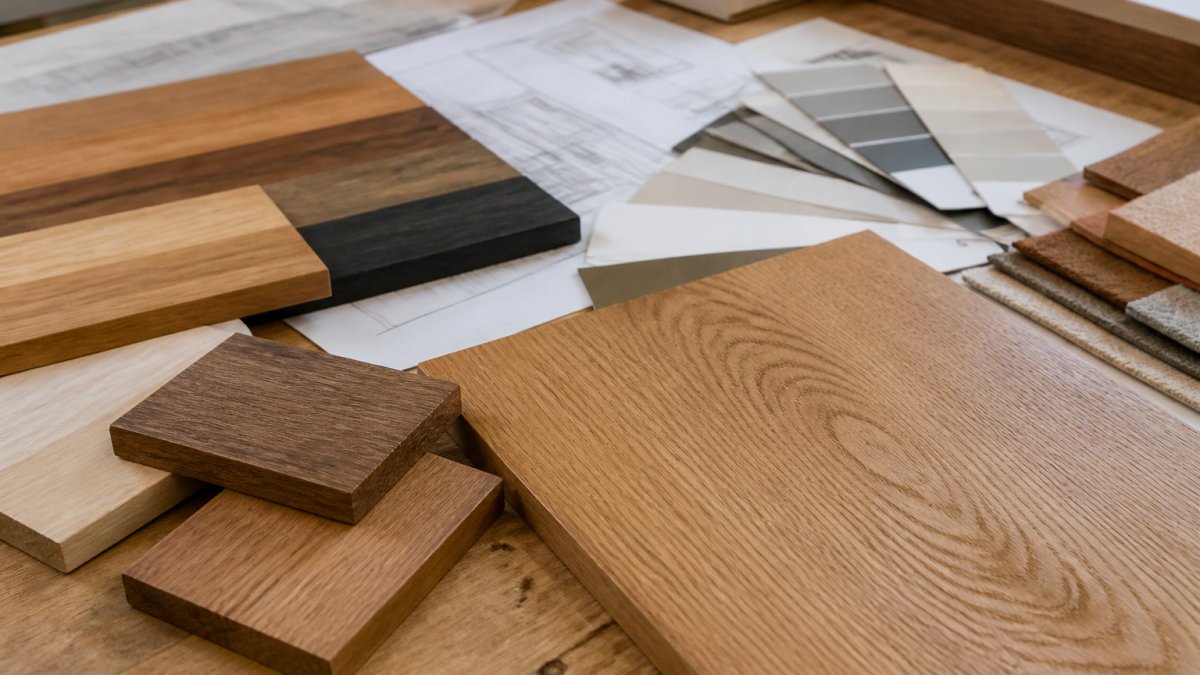
Engineered board is the most affordable option. It’s stable, comes in many colours, and works well for most applications.
Solid wood costs more but looks superior. Oak is popular for its grain and durability. Walnut offers elegance and richness. Maple is light and contemporary.
Veneered board sits between the two. It uses a thin layer of solid wood over engineered board. This gives the appearance of solid wood at lower cost.
Finishes matter too. Paint is affordable and offers unlimited colours. Stain highlights the wood grain. Lacquer provides durability and sheen. Hand-finishing costs more but creates premium results.
Hardware affects both cost and function. Basic hinges and handles are standard. Soft-close mechanisms cost more but add comfort. Quality hardware lasts longer and feels better to use.
The material you choose should match your budget and how long you plan to keep the furniture. Budget solutions work fine if you’ll replace them in five years.
Solid wood is best for homeowners planning to stay put for many years. Engineered board works well for those who might move or redecorate within five years. Veneered options offer a good middle ground for quality and value.
Budget Ranges: From Entry-Level to Premium Solutions
The cost of custom home office furniture varies widely depending on your choices. Understanding the different budget tiers helps you plan.
Entry-level solutions focus on function over finesse. These use engineered board, basic finishes, and simple designs. A small fitted desk with open shelving might fall into this tier.
Mid-range options balance quality and cost. They use better materials, solid wood or quality veneers. Finishes are more refined. Storage features are more sophisticated. These solutions look good, function well, and last longer.
Premium solutions prioritise quality and craftsmanship. They use the finest materials, solid hardwoods, premium veneers, quality hardware. Finishes are hand-applied. Design is bespoke and thoughtful. These pieces become focal points in your home.
Your choice depends on several factors:
- How long you plan to stay in your home
- How much you use your office
- What impression you want to create
- Your total budget
Many people find mid-range solutions offer the best value. They cost less than premium options but last much longer than entry-level furniture. They look professional without excessive expense.
The cost of custom home office furniture also reflects what’s included. Some suppliers include design consultation, delivery, and installation. Others charge separately. Always compare the full package, not just the base price.
Consider the warranty and after-care. Better suppliers offer longer warranties and support. This adds confidence to your investment.
Ask for a breakdown of costs by component, desk surface, cabinetry, shelving, hardware, labour, and finishing, so you can see exactly where your budget is allocated and where you might adjust specifications.
Getting a Quote and Avoiding Hidden Costs
Getting a proper quote for the cost of custom home office furniture requires clear communication. Know what to ask for and what to watch out for.
Start with measurements. Provide accurate room dimensions, ceiling height, and details of any awkward features like alcoves or sloping ceilings. Photos help too.
Specify what you want. Don’t be vague. Say exactly what you need: desk size, number of shelves, storage type, material preferences, and finish. A detailed brief produces a detailed quote.
Ask for a breakdown. Request separate costs for materials, labour, and fitting. This shows you exactly where your money goes.
Clarify what’s included. Does the quote include delivery? Installation? Fitting? Finishing? Guarantees? Don’t assume. Many hidden costs emerge because these weren’t specified upfront.
Check the timeline. Ask about lead times and fitting dates. Understand when you’ll pay, deposit, on completion, or in stages. Confirm what happens if schedules slip.
Ask about revisions. What if you want to change the design after the quote? How many revisions are included? What do changes cost?
At Finest Furniture Studio, we provide transparent quotes with no hidden fees. Our free design visit helps us create accurate estimates. Our 7-day fitting service means minimal disruption.
Avoid suppliers who won’t provide written quotes or who are vague about what’s included. Reputable firms put everything in writing. They’re happy to explain costs. If something feels unclear, ask questions before you commit.
Conclusion
The cost of custom home office furniture reflects the quality, materials, and complexity of what you’re building. Understanding the key cost drivers, space size, material choice, and design complexity, helps you make informed decisions. Entry-level solutions work for short-term needs. Mid-range options offer excellent value for most homeowners. Premium solutions reward long-term commitment with superior craftsmanship and durability.
At Finest Furniture Studio, we specialise in bespoke home office solutions that transform awkward spaces into functional, beautiful workspaces. Our transparent pricing includes design consultation, precision fitting, and a 10-year warranty. Our 7-day fitting service minimises disruption to your home. Book a free design visit to explore how we can create the perfect custom solution for your space.
Frequently Asked Questions
How much does custom home office furniture typically cost?
The cost of custom home office furniture varies significantly based on room size, materials, complexity, and specification. A simple desk and shelving for a small space may cost considerably less than a floor-to-ceiling fitted solution in solid oak with integrated storage and cable management. Rather than a fixed figure, budget depends on your choices around materials, labour, and customisation. Visit the Finest Furniture Studio pricing page or book a free design visit to receive a transparent quote tailored to your space and requirements.
What factors have the biggest impact on fitted home office cost?
The primary cost drivers include room dimensions, material selection (solid wood costs more than engineered alternatives), storage capacity, design complexity, and whether the space has awkward features like sloping ceilings or alcoves. Labour and fitting time also influence the final price. Custom solutions for challenging spaces typically require more skilled work and bespoke joinery, which increases investment. A design consultation helps identify which elements deliver the most value for your budget.
Is custom home office furniture more expensive than ready-made options?
Custom solutions typically cost more upfront than mass-produced furniture, but they deliver durability, exact fit, and long-term value. Ready-made pieces may require multiple purchases to fill a space, often leave gaps or wasted room, and may need replacement within a few years. Bespoke furniture is engineered for your specific space and built to last, with warranties protecting your investment. The higher initial cost often results in better organisation, functionality, and longevity compared to assembling several off-the-shelf items.
What should I ask for when requesting a quote for custom home office furniture?
Request a detailed quote that includes materials (wood type, finishes), labour and fitting costs, delivery, any design adjustments, and warranty coverage. Ensure the quote specifies what is and is not included, for example, whether cable management, internal fittings, or installation are covered. Ask about lead times and the fitting schedule. A reputable supplier like Finest Furniture Studio provides transparent pricing with no hidden fees and a complimentary design visit to clarify all costs before you commit.

