
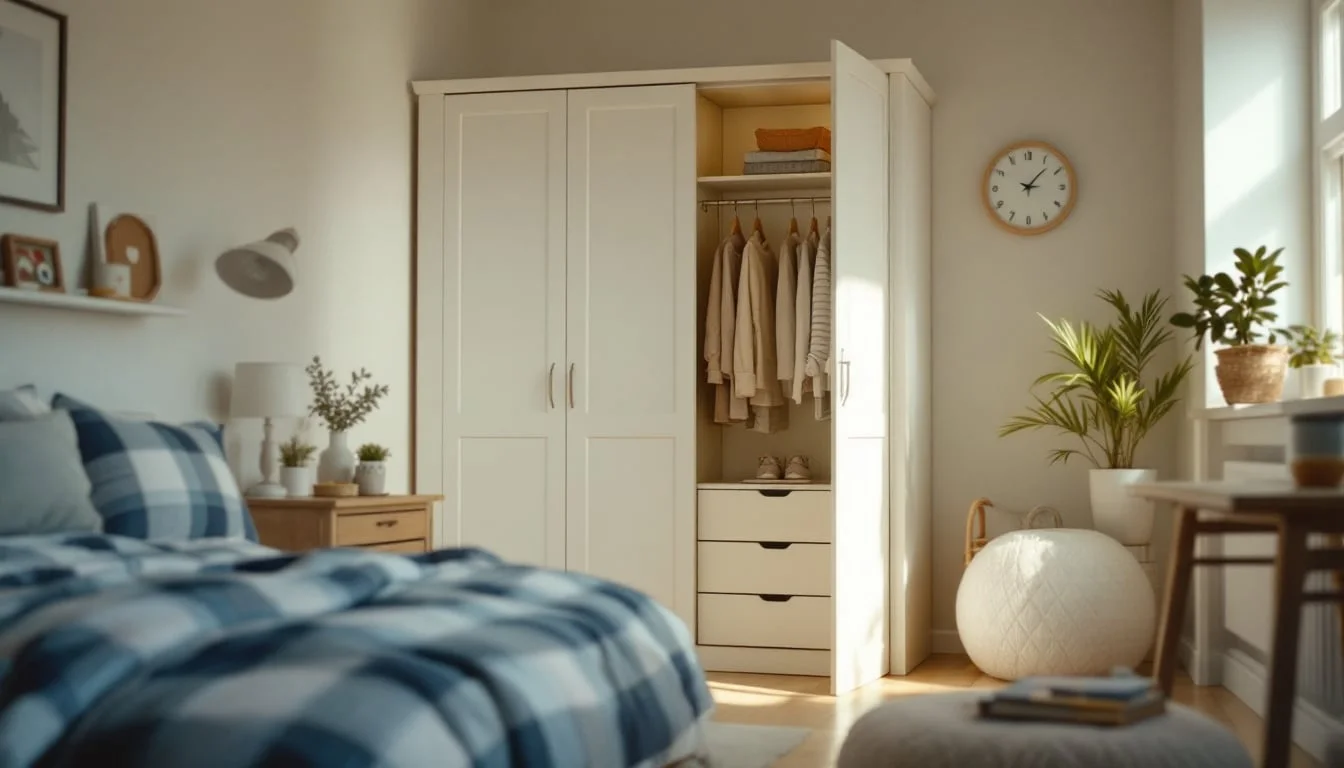
Why children wardrobes vary so much in price
The cost of children wardrobes in the UK usually comes down to five things: size, layout, materials, doors, and fitting complexity. A small alcove unit with simple internals will sit in a very different price band from a full-height made-to-measure run with sliding doors, soft-close hardware, and awkward angles. If you are comparing quotes, focus on what is included, not just the headline number. That is the fastest way to understand whether you are paying for a basic storage box or a properly planned fitted solution.
What the quote should actually include
A useful quote for children wardrobes should break out the carcass, doors, internal fittings, finishing, installation, and any site-specific work. Without that split, it is hard to compare one provider with another. A lower quote may leave out scribing to uneven walls, removal of old furniture, or door hardware that will matter later. The practical test is simple: if two quotes look close but one is vague, the vague one is usually the riskier choice.
How size and room shape change the price
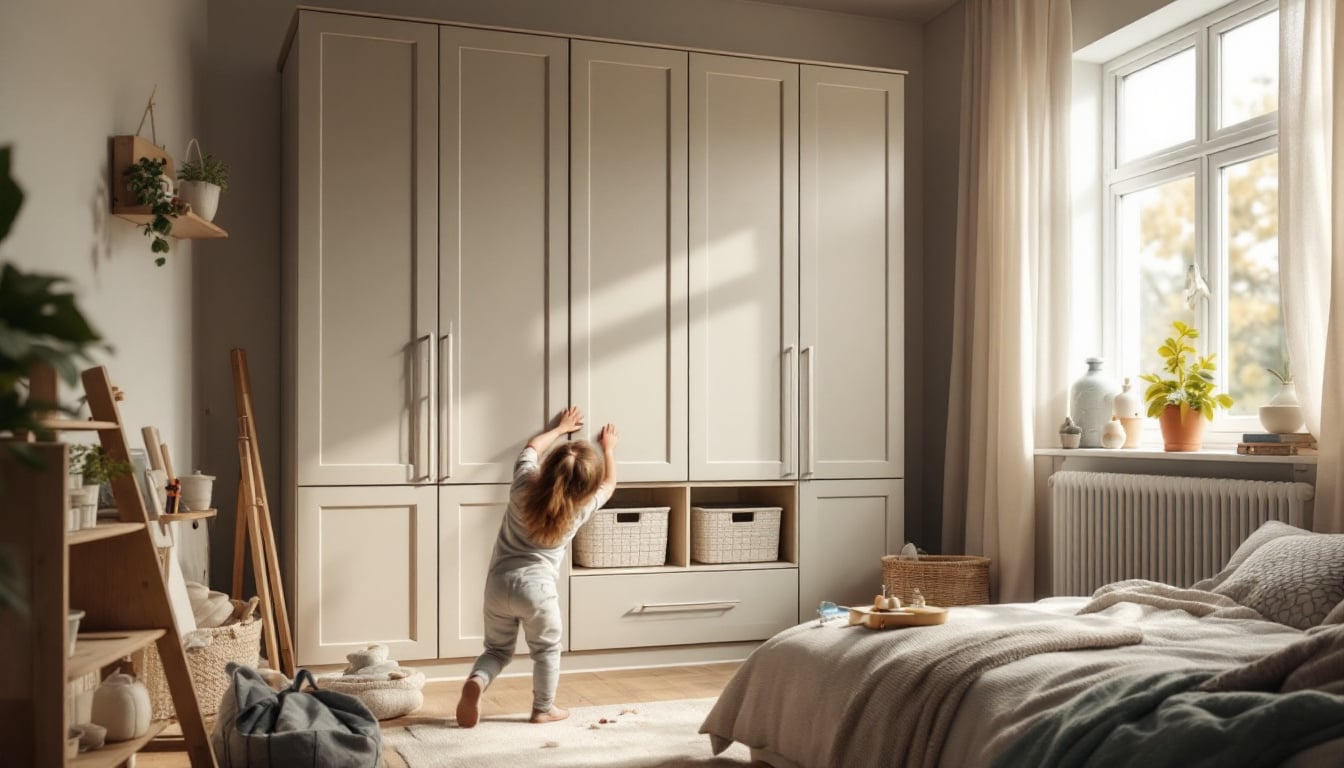
Room dimensions are the most obvious cost driver, but shape matters almost as much. Straight runs are simpler than boxed-in alcoves, sloped ceilings, or rooms with pipes and skirting that need careful trimming. In a typical fitted wardrobe project, each awkward angle adds design time and installation time, which is why loft-style rooms and older UK homes often cost more than a clean rectangular space. If you want to control spend, start by measuring the exact wall width, ceiling height, and any obstructions before you request a design.
Standard sizes versus bespoke children wardrobes
Standard or modular children wardrobes are cheaper because the parts are pre-set and the installation is faster. Bespoke children wardrobes cost more, but they usually waste less space and give you better access in smaller rooms. The decision rule is practical: choose standard furniture if the room is simple and the child’s storage needs are temporary; choose bespoke if you need every inch working, especially in a narrow bedroom or a shared room where storage has to stay tidy.
Internal layout matters more than most people expect
Shelves, hanging rails, drawers, and pull-out baskets all change the final price, but they also change how long the wardrobe stays useful. For younger children, lower rails and open shelves are usually more valuable than deep hanging space. For older children, a mix of short hanging, folded storage, and drawer space tends to work better. The hidden cost trade-off is simple: a cheaper interior can look fine on day one, but a layout that does not match the child’s routine creates clutter fast.
Practical layout choices by age
You do not need a complicated spec to get a useful result. A toddler room often works best with shallow shelves, a low rail, and space for boxes or toys. A school-age room usually needs a stronger split between hanging and folded clothes, while a teenager’s room often benefits from more drawers and a cleaner front finish. If the wardrobe will need to adapt over time, ask for adjustable internals so you can reconfigure it without replacing the whole unit.
Materials, finishes, and door style
Materials affect both appearance and durability. MDF and laminate options are common because they are stable, easy to clean, and generally more budget-friendly than high-end painted timber finishes. Door style also changes cost: hinged doors are usually simpler, while sliding doors need stronger tracking and more careful alignment. For children wardrobes, the trade-off is not only visual. A robust, wipe-clean finish often matters more than a delicate finish that looks good but shows scuffs quickly.
How to judge finish quality without overpaying
Look at edge finishing, hinge quality, and how the panels meet at corners. Small details tell you more than sales language. If a quote includes premium lacquer, ask whether the room actually needs it, because a busy child’s bedroom often benefits more from durability than from a high-gloss surface. A solid, mid-range finish with good hardware is usually the better value choice when the wardrobe will be used heavily every day. Check the inside surfaces as carefully as the visible front, because poor internal finishing can shorten the life of the whole wardrobe. Back panels that bow, rough shelf edges, or exposed chipboard on cut points often signal rushed workmanship. In contrast, even a simple laminate can perform well if the cuts are clean, the edging is well bonded, and the assembly feels rigid when the doors are opened and closed. Ask how the finish will hold up in the specific room conditions. In a bright south-facing bedroom, some lacquers and veneers can show fading or slight color shifts over time, while darker matte finishes may reveal fingerprints more easily in a hallway or child’s room. If the wardrobe sits near a radiator or an exterior wall, moisture resistance matters more than a showpiece sheen, especially in older homes where temperature changes are more pronounced. It is also worth comparing finish quality across the parts that are touched most often. Handles, drawer fronts, and lower door edges take more wear than upper panels, so those areas should have especially tidy edging and a durable coating. A manufacturer that uses the same material throughout but gives extra attention to contact points is often making a smarter product than one that spends on decorative surface effects alone.
Installation complexity and fitting time
Installation affects cost because it determines how much labour is needed on site. A straight, accessible room may be fitted quickly, while a room with tight access, uneven floors, or sloped ceilings takes longer and needs more skilled adjustment. The site mention of fitting in 7-10 days is useful as a planning signal, but you should still ask what that time includes. Does it mean survey to install, or only the fitting visit itself? That distinction affects scheduling and expectations.
The details that slow fitting down
The biggest delays usually come from poor measurements, last-minute design changes, and hidden wall issues. Radiators, sockets, and pipework can all force design revisions if they are not checked early. A good workflow is to survey the room, confirm storage needs, approve the internal layout, and then lock the specification before manufacture. That sequence reduces rework and helps avoid extra installation charges that often appear when a design is still changing on fitting day.
Warranty and aftercare should be part of the cost
A 10-year warranty changes the value of children wardrobes, especially in a room that gets heavy daily use. Warranty terms are only useful if they cover the parts most likely to fail, such as hinges, runners, and fitted panels. Ask how aftercare is handled, what counts as wear and tear, and whether the warranty depends on professional installation. The cheapest wardrobe is not always the cheapest long-term choice if it needs repairs or replacements sooner than expected.
What warranty questions to ask before you buy
Focus on three checks: what is covered, who fixes it, and how long it takes to resolve a problem. If those answers are vague, the warranty is less helpful than it sounds. In fitted bedroom furniture, hardware and installation quality matter as much as the cabinet itself, so it is worth reading the service terms carefully. A strong warranty is a sign that the provider expects the wardrobe to hold up under real use, not just showroom conditions.
When bespoke children wardrobes make sense
Bespoke children wardrobes make the most sense when the room has awkward dimensions, you want built-in storage that looks integrated, or you need a design that can change as the child grows. They are also useful when you want a coordinated bedroom scheme with matching doors, shelves, or alcove cupboards. If you are comparing providers, look at whether they can handle built wardrobes, custom wardrobes London projects, or other fitted furniture work, because that usually signals stronger planning and installation capability.
When a simpler option is smarter
A simpler, modular solution can be the better choice if the room is temporary, the child is very young, or you may move house in the near future. You save on upfront cost and avoid over-specifying storage that may not be needed for long. The key trade-off is flexibility versus fit. If the room has plenty of spare space, a standard wardrobe may be enough. If space is tight, a bespoke design often pays for itself in day-to-day usability rather than resale value.
How to compare quotes without getting misled
The safest comparison method is to use the same brief for every provider. Give each one the same room measurements, finish preference, storage needs, and installation constraints. Then compare what each quote includes in writing. You are looking for clarity on design, manufacture, fitting, warranty, and any extras. If one quote is cheaper because it excludes internal fittings or site adjustments, it is not really a like-for-like comparison. This is where many buyers get caught out.
A simple checklist for the final decision
Before you approve children wardrobes, ask yourself whether the layout suits the child’s age now and in two to five years, whether the materials are easy to clean, and whether the fitting plan accounts for the room’s quirks. Also check whether the design works with other fitted furniture in the room, such as a desk or media wall. The best choice is usually the one that balances storage efficiency, durability, and straightforward maintenance rather than the one with the most features.
Key points to remember
Children wardrobes in the UK vary in price because the quote is driven by more than cabinet size. Layout, doors, materials, installation complexity, and warranty terms all change the final figure. Bespoke fitted wardrobes cost more when the room is awkward, but they often use space better and last longer in busy bedrooms. A clear written quote, a sensible internal layout, and a warranty that covers the important parts are the three checks that matter most. If you want a tailored result, a provider like Finest Furniture Studio is worth speaking to once you know your room measurements and storage priorities.
A practical way to budget before you request a design
The easiest way to avoid overspending is to decide on three levels before you start: essential, preferred, and optional. Essential should cover the size, storage type, and basic finish. Preferred can include better doors, drawers, or soft-close fittings. Optional covers upgrades such as premium paint, mirrored panels, or extra internal organisers. This keeps you in control when quotes start to vary. It also makes it easier to tell whether a higher price is coming from real function or just a cosmetic upgrade.
Frequently Asked Questions
What affects the cost of children wardrobes in the UK?
The main cost drivers are size, room shape, materials, internal layout, doors, and fitting complexity. For children wardrobes, the final price also changes with extras like drawers, soft-close hardware, and bespoke finishes.
Are bespoke children wardrobes more expensive than standard ones?
Usually yes, because bespoke children wardrobes are measured, designed, and fitted to the room. The extra cost often comes from better space use, especially in alcoves, sloped ceilings, or narrow bedrooms where standard furniture wastes room.
How do I compare quotes for children wardrobes properly?
Ask each provider to quote on the same measurements, layout, finish, and installation scope. The best way to compare children wardrobes quotes is to check whether fitting, internal fittings, and any site adjustments are included in writing.
Is a 10-year warranty important for children wardrobes?
It can be, especially for fitted wardrobes that get heavy daily use. A strong warranty on children wardrobes should cover the parts most likely to wear, such as hinges, runners, and installed panels, not just the cabinet shell.
What is the best layout for children wardrobes?
It depends on age and storage habits. Younger children usually need low rails and open shelves, while older children often need more drawers and a balanced mix of hanging and folded storage in their children wardrobes.
How quickly can children wardrobes be fitted?
Timeframes depend on design complexity and room condition. Some fitted furniture projects are mentioned as fitting in 7-10 days, but it is important to confirm whether that refers to manufacture plus fitting or only the installation visit.
When should I choose fitted children wardrobes instead of freestanding furniture?
Choose fitted children wardrobes when space is tight, the room shape is awkward, or you want a more integrated look. Freestanding furniture can be better if you need flexibility, have a temporary setup, or expect to move house soon.

