
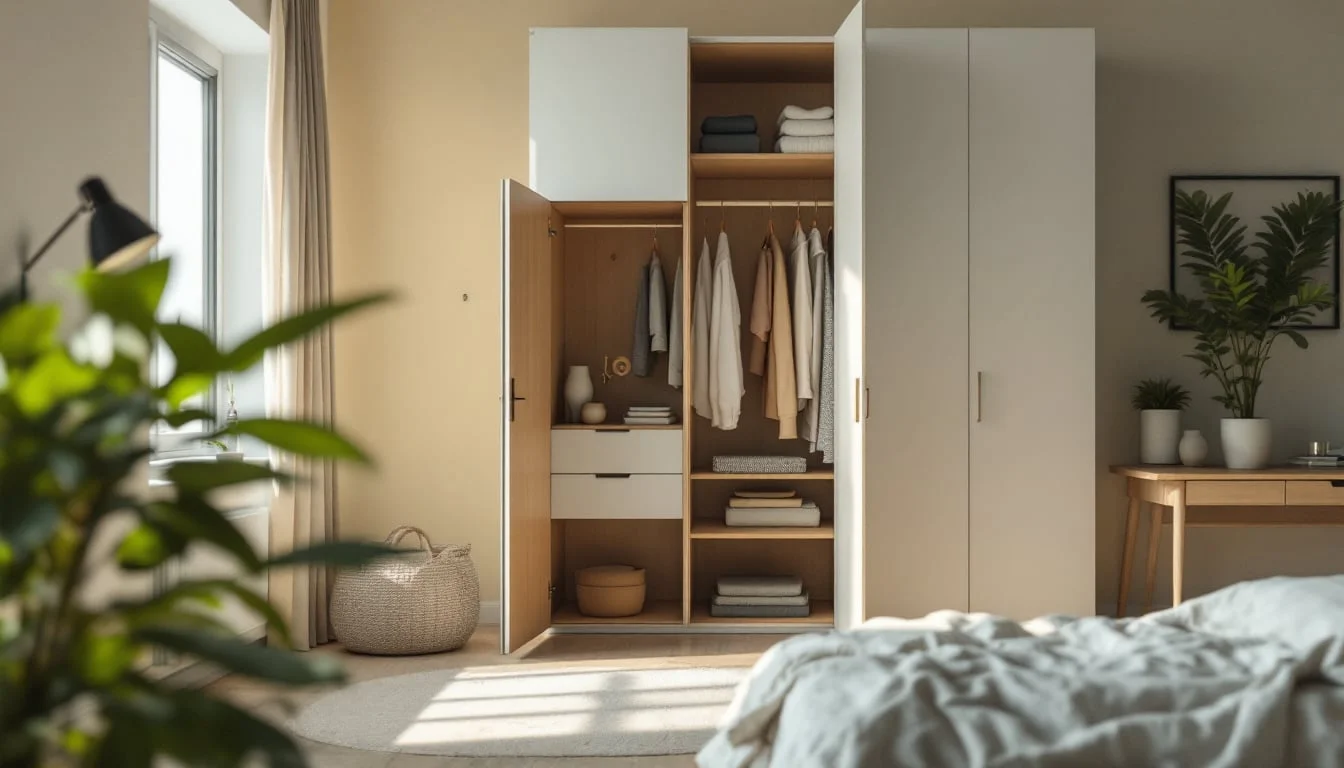
What teen wardrobes need to solve
Teen wardrobes do more than hold clothes. They need to handle school uniforms, weekend wear, sports kit, shoes, accessories, and the steady habit of things being dropped wherever there is space. That makes teen wardrobes a planning problem as much as a furniture choice. If the layout is wrong, the room stays cluttered even when the wardrobe looks generous on paper. A better approach is to design around what the teenager actually uses every week, not around a showroom layout.
How teen wardrobes differ from standard fitted storage
Standard wardrobes often waste space because they assume one long hanging rail and a few shelves will suit everyone. Teen wardrobes usually need a stronger mix of hanging, folded storage, drawers, and open access for quick grab items. The decision rule is simple: if the teen reaches for the same items daily, those items should be visible and easy to pull out in under ten seconds. If not, they will end up on the floor or over a chair instead of inside the wardrobe.
Start with a usage map, not a size guess
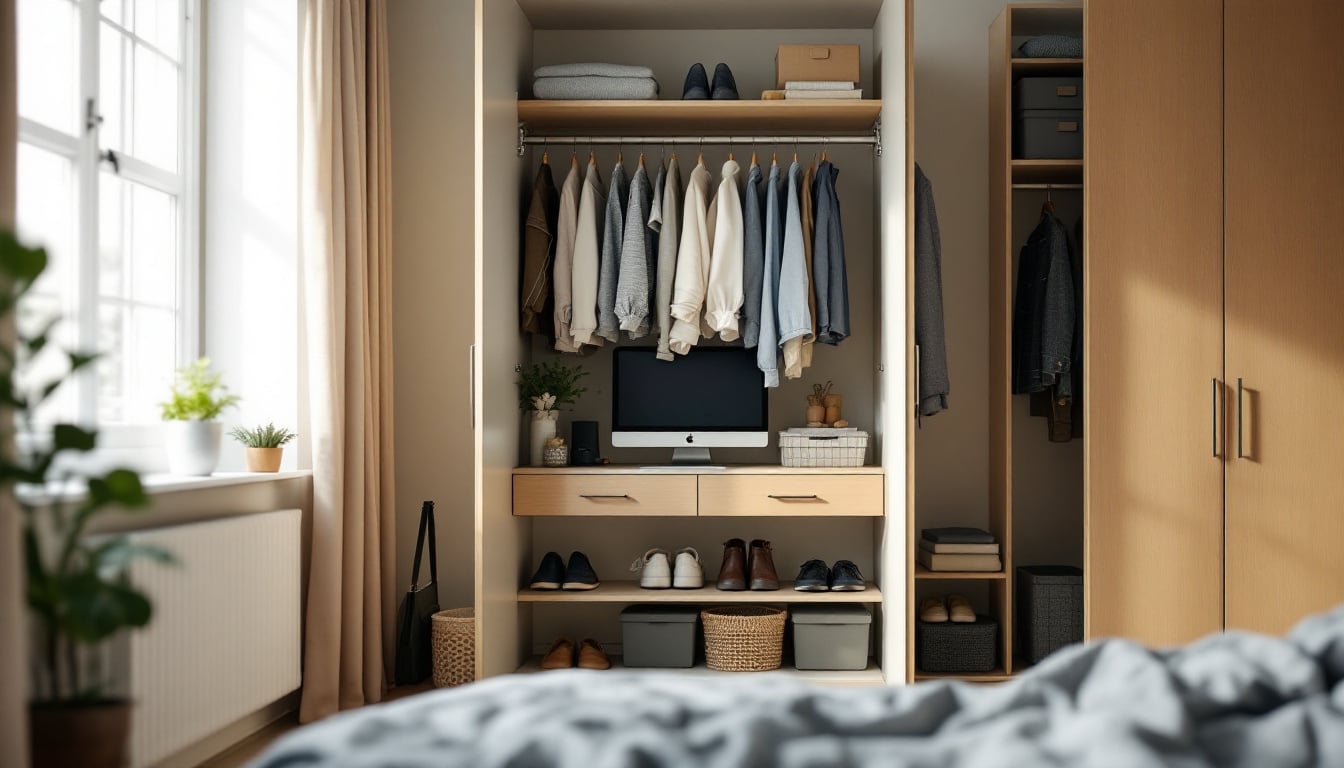
Before choosing a layout, list the clothing categories that matter most. A practical measuring guide should include hanging length for shirts and dresses, folded space for knitwear, drawer depth for underwear, and shelf height for shoes or bags. Teen wardrobes work best when the space is mapped to use frequency. One useful rule is to divide the wardrobe into daily, weekly, and seasonal zones so the most-used items stay at shoulder or waist height.
Use a 3-zone layout
A 3-zone layout keeps teen wardrobes manageable. The top zone should hold seasonal items, spare bedding, or boxes for items that are not needed every day. The middle zone should be the main access point, with hanging rails and shelves for school and casual wear. The lower zone should handle shoes, sports items, and laundry flow. This layout reduces search time and makes tidying easier because each category has a predictable home.
Choose storage by routine, not by looks
A good wardrobe design for a teenager should reflect habits, not just aesthetics. If they fold clothes neatly, more shelves and drawers make sense. If they hang most outfits, then double hanging sections save space and reduce wrinkling. Teen wardrobes also need a place for bags, headphones, caps, and accessories that otherwise drift into random corners. The best test is whether the teen can put things away without needing a second storage system elsewhere in the room.
Hanging space versus shelving
Hanging space is useful for school shirts, dresses, jackets, and occasion wear, while shelving suits jumpers, hoodies, and folded trousers. A common mistake is overloading a wardrobe with shelves because they look neat at installation, only to create stacks that collapse after a week. Teen wardrobes usually perform better with a balanced split, especially if the room is compact. A practical starting point is to reserve at least one main hanging section and then add adjustable shelves where the clothing mix changes most.
Plan for growth and changing taste
Teen wardrobes should not be fixed too tightly to one phase of life. A 13-year-old’s needs can change quickly over two or three years, especially as clothing sizes, hobbies, and personal style shift. Adjustable shelves, removable drawer units, and flexible hanging heights reduce the risk of an early redesign. If you want the wardrobe to last, design for change in at least one-third of the internal layout so the system can adapt without replacing the whole unit.
Build in adjustability where it counts
The most useful adjustment points are shelf pins, rail positions, and drawer modules. These parts allow teen wardrobes to move from a school-heavy phase to a more fashion-led or sports-led layout later on. Fixed internal layouts can still work, but only if the clothing mix is stable, which is rare in teenage years. Adjustability also helps when one section starts to overflow, because space can be rebalanced without a full refit.
Materials and finishes that survive real use
Teen wardrobes need finishes that can handle frequent opening, changing accessories, and the occasional scrape from a school bag. Durable laminate, quality painted surfaces, and robust hinges are more practical than delicate finishes that mark easily. For a busy room, the trade-off is clear: a high-maintenance surface may look premium, but it often shows wear sooner. If the room gets a lot of daily traffic, durability should rank ahead of decorative detail.
Pick finishes that hide everyday wear
Matte or softly textured finishes are often easier to live with than highly reflective surfaces because they mask fingerprints and light marks better. In teen wardrobes, that matters because doors are opened and shut many times a day. For handles, recessed pulls or sturdy hardware usually hold up better than very slim decorative fittings. The goal is not to make the wardrobe indestructible, but to reduce the amount of visible maintenance it demands.
Small-room strategies that save floor space
In smaller bedrooms, the wardrobe has to work harder because it competes with a desk, bed, and circulation space. Sliding doors can help where swing clearance is tight, while built wardrobes make use of awkward wall depth that free-standing pieces ignore. Teen wardrobes for compact rooms should also consider shallower sections for folded items so the room does not feel boxed in. The best layout is the one that leaves a clear path through the room and still gives fast access to daily clothes.
Use awkward spaces instead of fighting them
Sloped ceilings, alcoves, and chimney-breast recesses are often wasted space unless the wardrobe is designed around them. That is where bespoke fitted wardrobes can deliver more usable storage than off-the-shelf units. The practical test is whether the awkward area can be turned into at least one usable storage zone without making the room feel cramped. If not, keep the design simpler and avoid overfitting the whole wall.
Doors, access, and day-to-day friction
Teen wardrobes should open in a way that fits the room and the user’s habits. Hinged doors offer full access and are easier to inspect when sorting clothes, but they need clearance. Sliding doors save space and suit tighter rooms, although they limit access to only part of the wardrobe at once. The decision comes down to whether the bigger problem is floor space or search speed. In a room used for quick morning routines, access usually matters more than decorative symmetry.
When sliding doors make sense
Sliding doors are useful where a bed, desk, or radiator makes hinged doors awkward. They also work well in wider wardrobes where the internal layout can be divided into clearly labelled zones, even if the labels are visual rather than printed. The limitation is that two people cannot access the whole wardrobe at once, and only part of the interior is visible at any time. That makes internal organisation more important, not less.
Teen wardrobes and wardrobe doors design
The wardrobe doors design should match the room and the use pattern. Flat fronts suit minimalist spaces, while mirrored panels can help brighten a darker room if the placement is sensible. Mirrored doors are useful, but only when they do not face a cluttered corner or create glare near a window. A strong wardrobe doors design should improve the room’s function first and then support the style of the space.
Lighting and visibility inside the wardrobe
Good visibility reduces mess because people are more likely to put clothes away when they can see where things go. Internal lighting or a lighter interior finish can make teen wardrobes easier to use, especially in deeper units. A simple rule is that if the back of the wardrobe disappears into shadow, the stored items will be forgotten. Better visibility also helps with outfit planning, which is useful when mornings are rushed and choices are made quickly.
What to measure before ordering
Accurate measuring is the difference between a wardrobe that fits cleanly and one that needs awkward fillers. Start with wall width at three points, floor-to-ceiling height at multiple points, and depth around skirting boards, sockets, and any irregularities. This is especially important for teen wardrobes in older homes where walls are rarely perfectly square. If the measurements vary, use the smallest reliable dimensions and allow for installation tolerance rather than forcing the unit into the space.
Common measuring mistakes to avoid
The most common error is measuring only once and assuming the room is uniform. Another is forgetting the opening arc of doors, the depth of handles, or the space needed for existing fixtures. A reliable measuring guide should include both the finished wardrobe size and the clearance needed for use. If the room has a carpet or uneven floor, account for that early because it can change the effective height more than expected.
Quick takeaways for better teen wardrobes
Teen wardrobes work best when they match real routines, not just room dimensions. A balanced mix of hanging, shelving, and drawers usually performs better than a single storage style. Adjustable interiors protect the investment as needs change, while durable finishes reduce maintenance. In smaller rooms, access and space planning matter as much as storage capacity. Above all, the wardrobe should make it easier to put things away than to leave them out.
When bespoke fitted wardrobes are worth it
Bespoke fitted wardrobes are worth considering when standard furniture leaves wasted gaps, awkward access, or poor storage balance. They are especially useful in rooms with alcoves, sloped ceilings, or narrow walkways where built wardrobes can make better use of the wall. If you are weighing bespoke fitted wardrobes against ready-made options, focus on usable storage, not just total width. The better choice is usually the one that reduces clutter and adapts to the room instead of fighting it.
How to brief a fitter or designer
A useful brief should describe who uses the wardrobe, what is stored, what changes seasonally, and where the room feels tight. Mention whether the priority is more hanging space, more drawers, or a cleaner visual look. Teen wardrobes are easier to get right when the designer knows the daily friction points, such as limited morning time or too many shoes on the floor. If you want a practical result, show the problem before discussing the finish.
Where internal links fit naturally
If you are planning a deeper project, it makes sense to compare related options such as built wardrobes, walk wardrobes, or a measuring guide before committing to the layout. For readers in the capital, custom wardrobes london can be a helpful route when the room has unusual proportions. If the design includes doors, wardrobe doors design pages can help narrow the finish and opening style before the final specification is set.
Use a simple decision framework
A practical way to choose teen wardrobes is to test every option against four questions. Does it fit the room without blocking movement? Does it match the way clothes are actually used? Can it adapt over the next few years? Will it stay easy to maintain? If the answer is no to two or more of those, the design probably needs another pass. That framework stops you from choosing a wardrobe that looks good in isolation but fails in daily use.
Frequently Asked Questions
What should teen wardrobes include?
Teen wardrobes usually need a mix of hanging space, shelves, drawers, and a spot for shoes or sports kit. The best setup depends on daily routine, so a measuring guide should start with the items used most often.
Are teen wardrobes better as built wardrobes or freestanding units?
Built wardrobes are often better when the room has awkward corners, shallow alcoves, or limited floor space. Freestanding units can still work, but teen wardrobes tend to perform better when the layout is tailored to the room and storage habits.
What is the best layout for teen wardrobes in a small bedroom?
A compact bedroom usually benefits from sliding doors, double hanging, and shallow shelves for folded clothing. The key is to protect walking space while keeping the most-used items easy to reach.
How do I measure teen wardrobes correctly?
Measure width, height, and depth at more than one point, then check skirting boards, sockets, and any uneven walls. A proper measuring guide should also account for door clearance and handle depth so the wardrobe works in real use.
What materials work best for teen wardrobes?
Durable laminate, quality painted finishes, and strong hardware are usually the most practical choices. They handle daily use better than delicate surfaces and are easier to maintain in a busy bedroom.
How can teen wardrobes stay useful as needs change?
Choose adjustable shelves, flexible rail heights, and modular storage where possible. Teen wardrobes need room to change with clothing sizes, hobbies, and style preferences, so fixed layouts should be used carefully.
When should I choose bespoke fitted wardrobes for a teen bedroom?
Bespoke fitted wardrobes make sense when standard furniture leaves wasted gaps or cannot solve an awkward room shape. They are a strong option for sloped ceilings, alcoves, or rooms where built wardrobes will create better everyday access.

